


















What type of content do you need to be created?
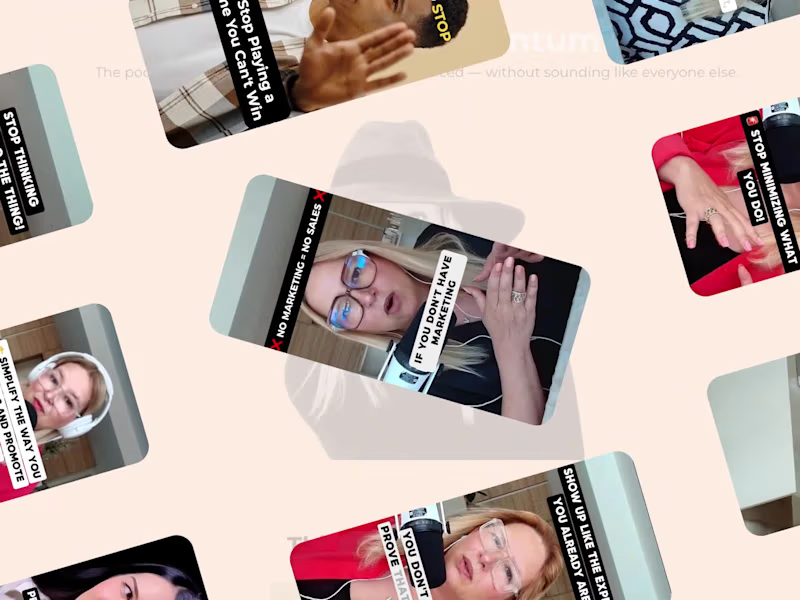
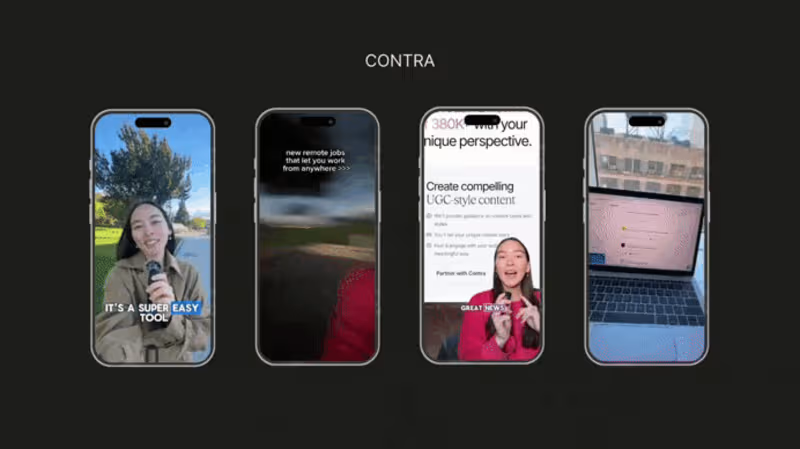
Think about the content style that best fits your project. This could be blog posts, social media updates, or videos. Knowing this helps you find someone who specializes in that area.
What is your target audience?
Identifying who you want to reach is important. It ensures the content creator can tailor their work to engage the right people. You can consider age, interests, and needs of your audience.
What are your project's key objectives?
Define what you want to achieve with your content. This could be brand awareness, lead generation, or sales. Clear objectives help communicate your vision to the freelancer.
What tone and voice should the content have?
Determine the personality of your content. Should it be friendly, professional, or humorous? This ensures consistency across all materials and aligns with your brand identity.
What is the expected turnaround time?
Set the timeline for project completion. Consider how long research and revisions may take. Having a clear schedule helps both you and the content creator plan efficiently.
What platforms will the content be published on?
Knowing where the content will appear impacts its style and format. It could be a website, a blog, or social media. Different platforms may require different approaches.
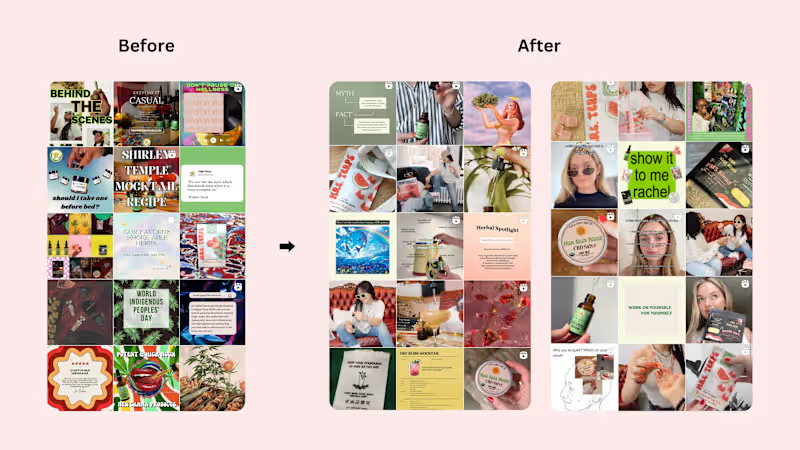
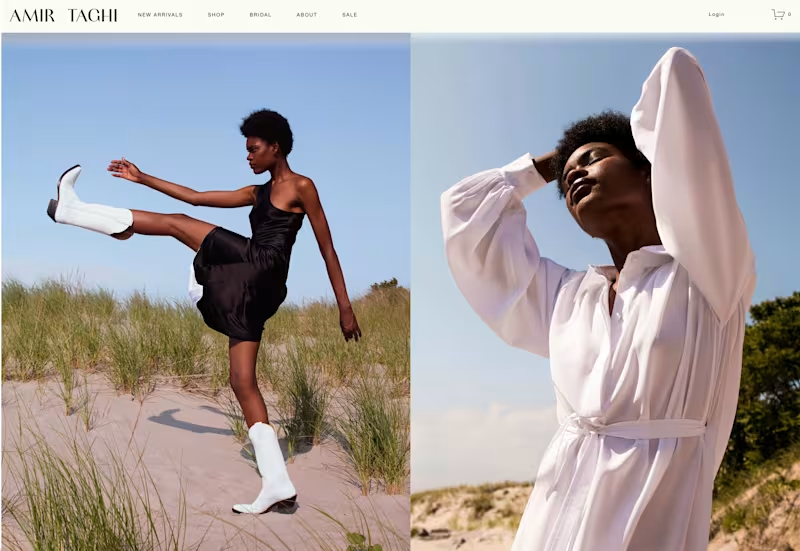
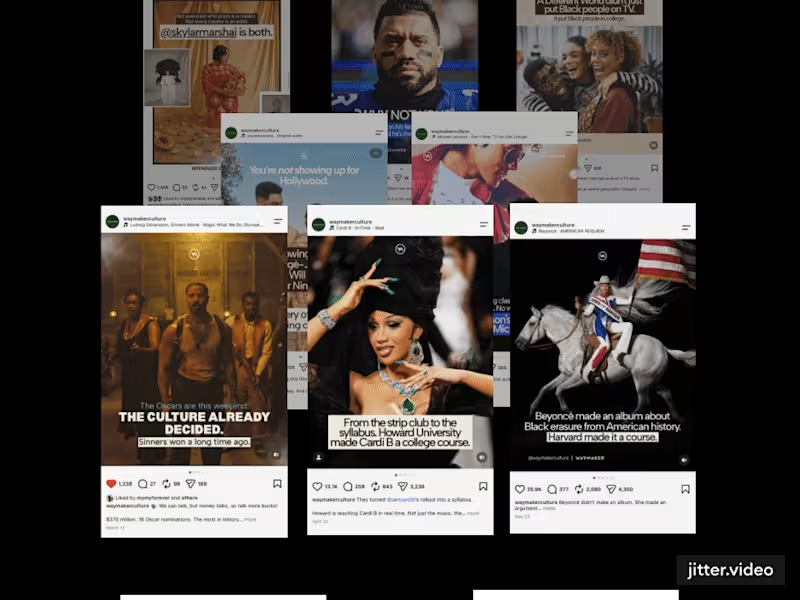
Do you have examples of content that you like?
Providing examples helps explain what you envision. Show the type and style of content that suits your project. This allows the freelancer to understand your preferences better.
What is the budget for content creation?
Setting a budget helps plan the project's scope. It defines how much content can be created. Ensure your budget aligns with the quality and quantity you expect.
How will you measure the success of the content?
Identify metrics to evaluate the content's effectiveness. It could be engagement rates, shares, or comments. These measures help assess whether you're reaching your goals.
What are the project milestones?
Outline key phases in the project timeline. This could include drafts, reviews, and final delivery. These steps ensure the project stays on track and meets expectations.
Who is Contra for?
Contra is designed for both freelancers (referred to as "independents") and clients. Freelancers can showcase their work, connect with clients, and manage projects commission-free. Clients can discover and hire top freelance talent for their projects.
What is the vision of Contra?
Contra aims to revolutionize the world of work by providing an all-in-one platform that empowers freelancers and clients to connect and collaborate seamlessly, eliminating traditional barriers and commission fees.