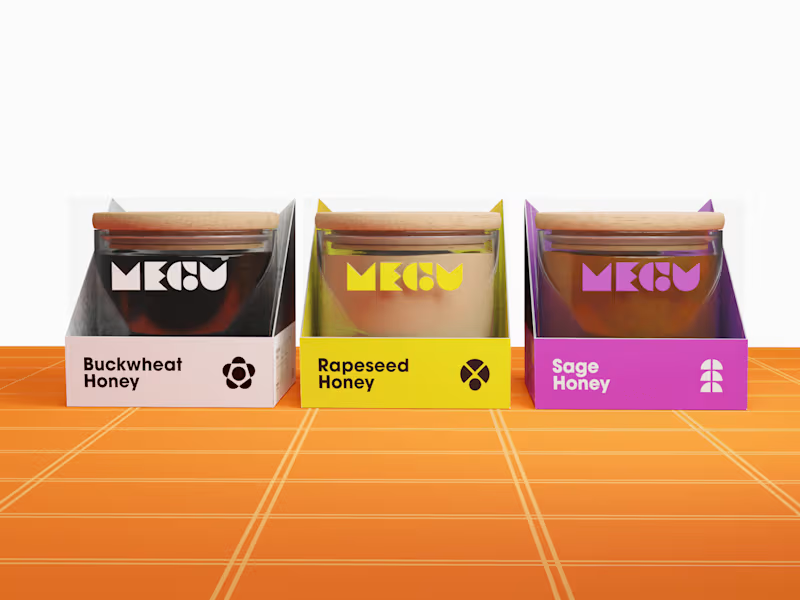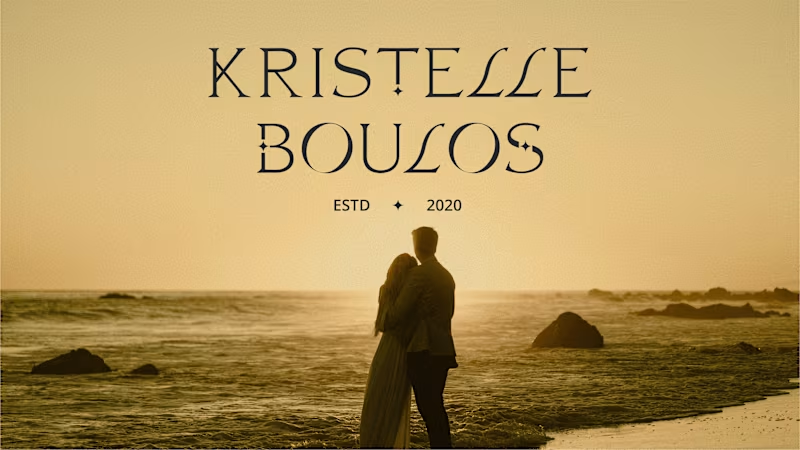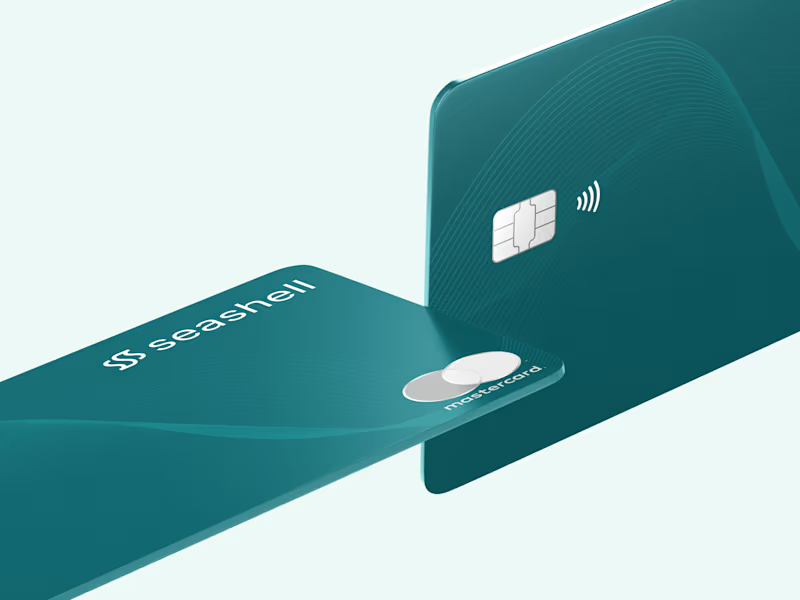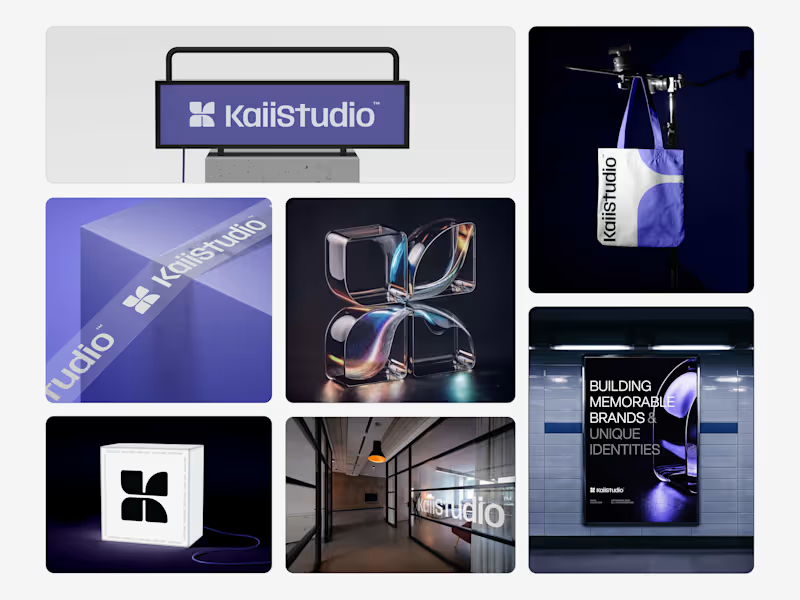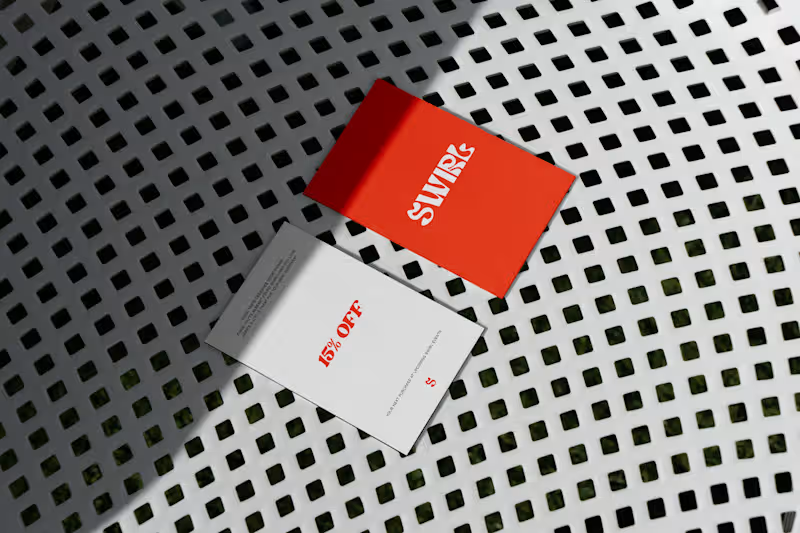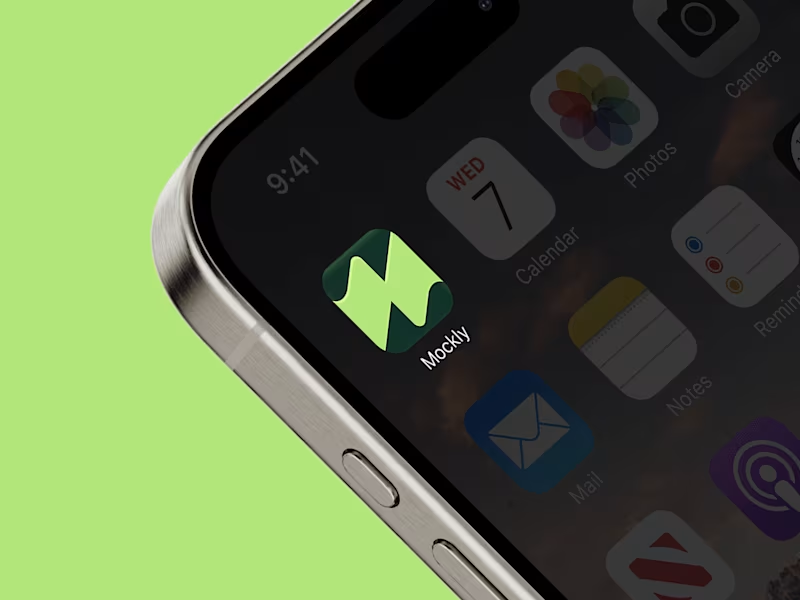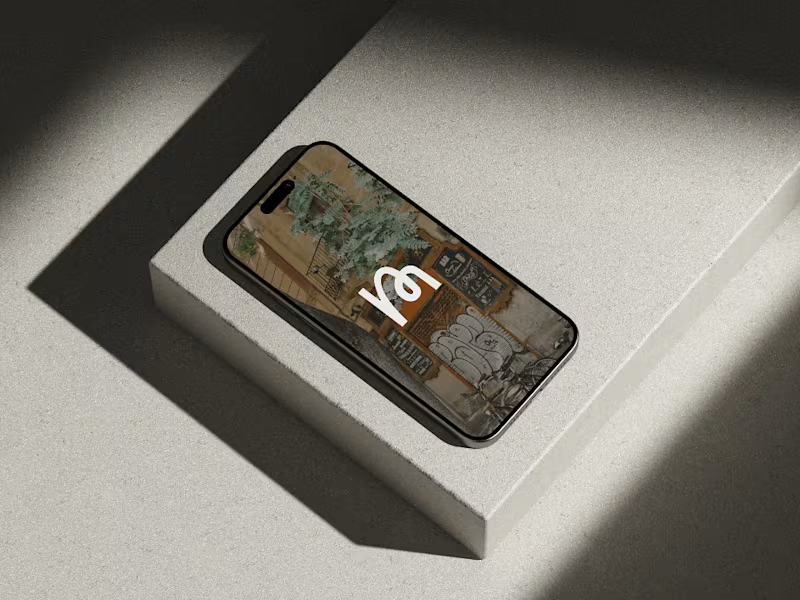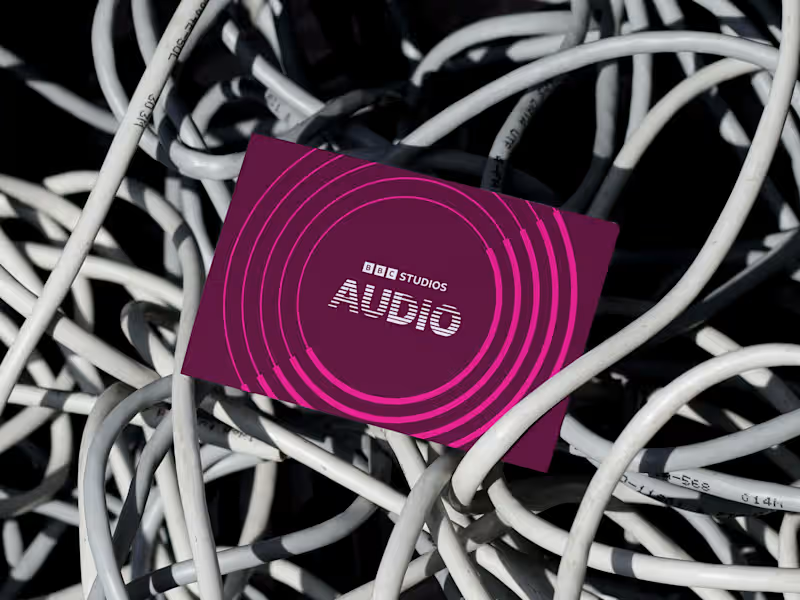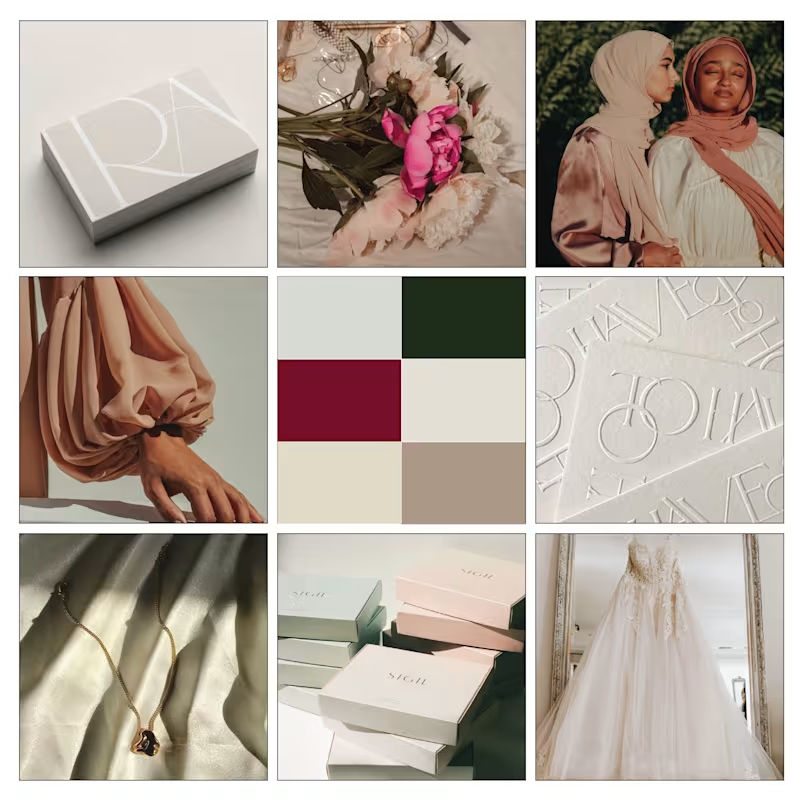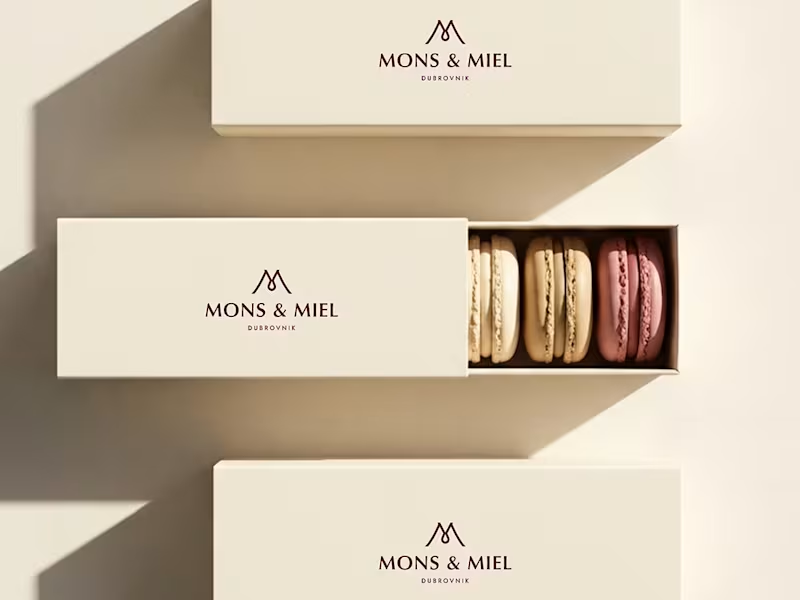




















What specific style do you want for your logo?
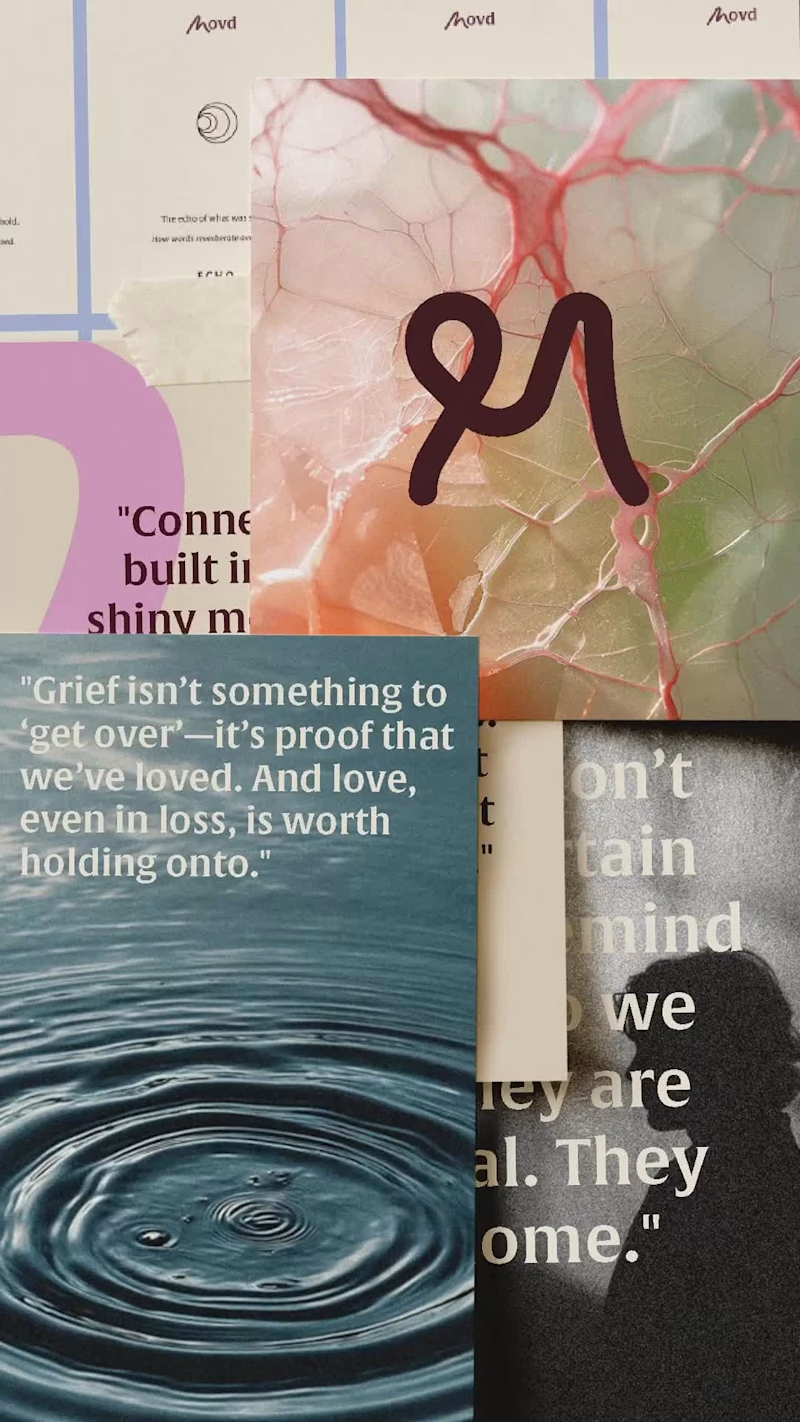
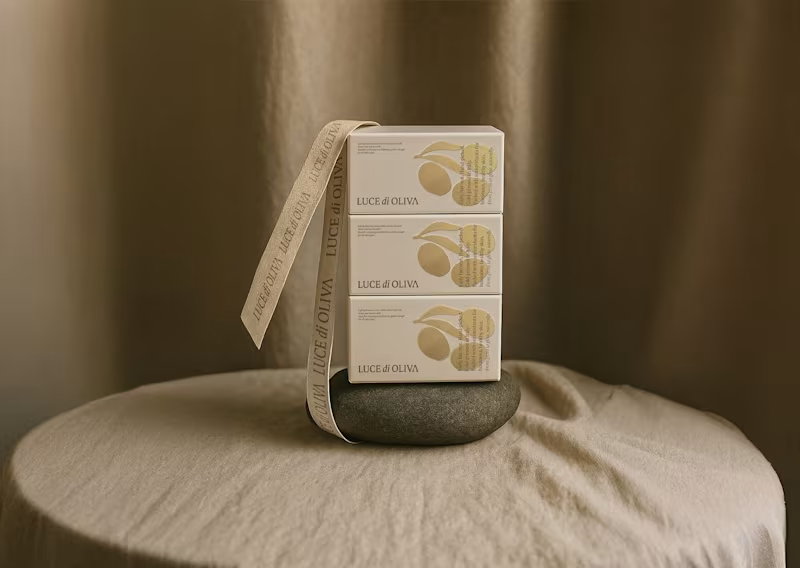
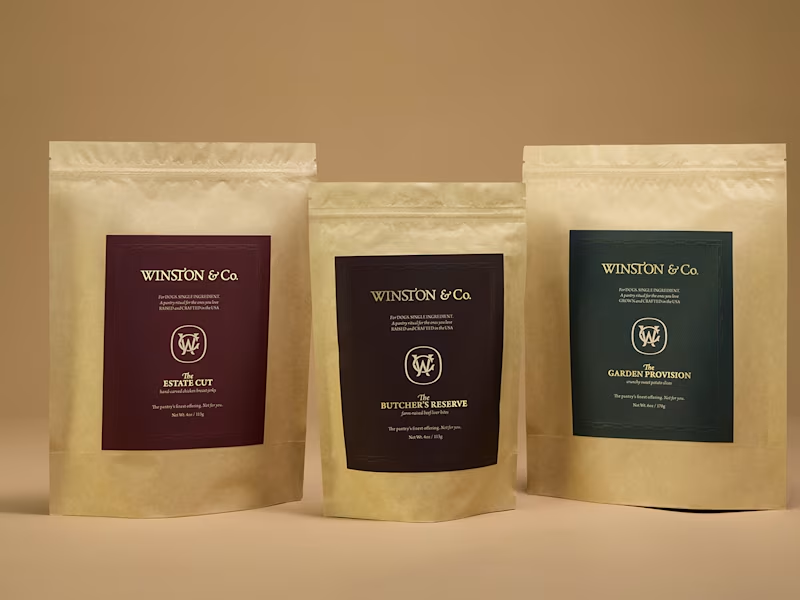
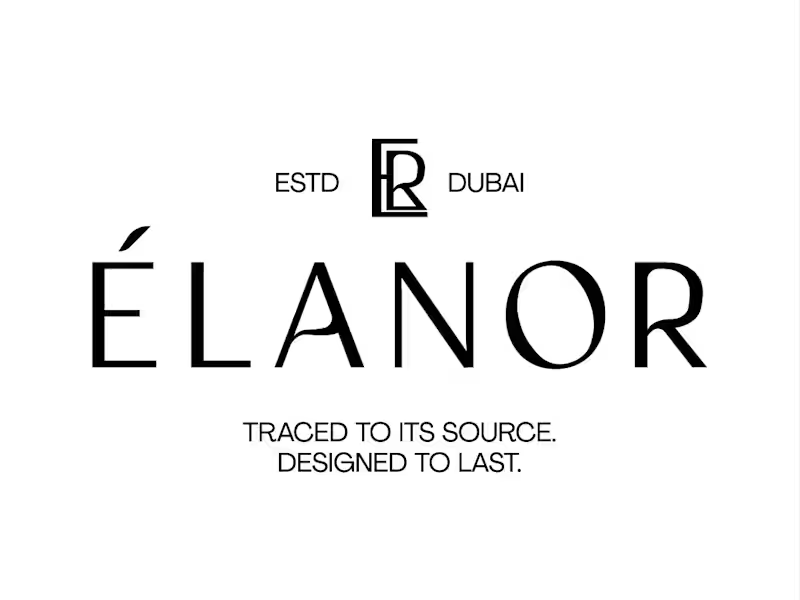
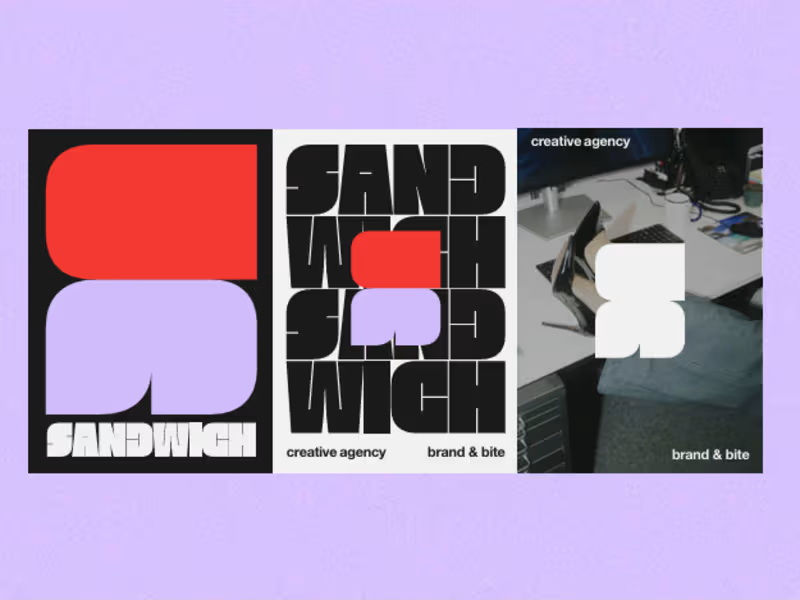
Think about the vibe you want your brand to show. Do you want it to feel fun, modern, or classic? Share your vision clearly with the designer to make sure you both understand the style you're aiming for.
How can you share your brand's story with the designer?
A good designer will create a logo that tells your brand's story. Talk about your brand's mission, values, and what makes it special. This will help the designer make a logo that really fits your brand.
What are the main elements you want in your logo?
List out any symbols, colors, or words that need to be part of the logo. This will give the designer clear ideas to work with. It also helps in making sure the logo represents your brand well.
What is the timeline for getting the logo?
Think about when you need the logo to be ready. Share any deadlines with the designer so they can plan their work. This keeps everyone on the same page about the project's timing.
How will you review and give feedback on drafts?
Plan how you will look at drafts and give your thoughts. Decide on a way to share feedback, like writing notes or having a quick chat. Being clear helps the designer make changes that match what you want.
What final logo formats do you need?
Decide where you will use the logo, like on websites or printed items. Tell the designer what file formats you need, such as JPEG or PNG. This ensures the logo can be used everywhere you need it.
How do you make sure the logo is unique?
You want a logo that's special and not like any other. Ensure the designer creates original work and doesn't copy other logos. This makes your brand stand out.
How will you make your brand stand out with the logo?
Talk about what makes your brand unique and how the logo can show this. Tell the designer what sets your business apart from others. A good logo will help people remember your brand.
How will you work with the designer to keep the project smooth?
Clear communication helps projects go well. Set up regular check-ins with the designer to talk about progress. This helps to catch any issues early and keeps the work on track.
Who is Contra for?
Contra is designed for both freelancers (referred to as "independents") and clients. Freelancers can showcase their work, connect with clients, and manage projects commission-free. Clients can discover and hire top freelance talent for their projects.
What is the vision of Contra?
Contra aims to revolutionize the world of work by providing an all-in-one platform that empowers freelancers and clients to connect and collaborate seamlessly, eliminating traditional barriers and commission fees.