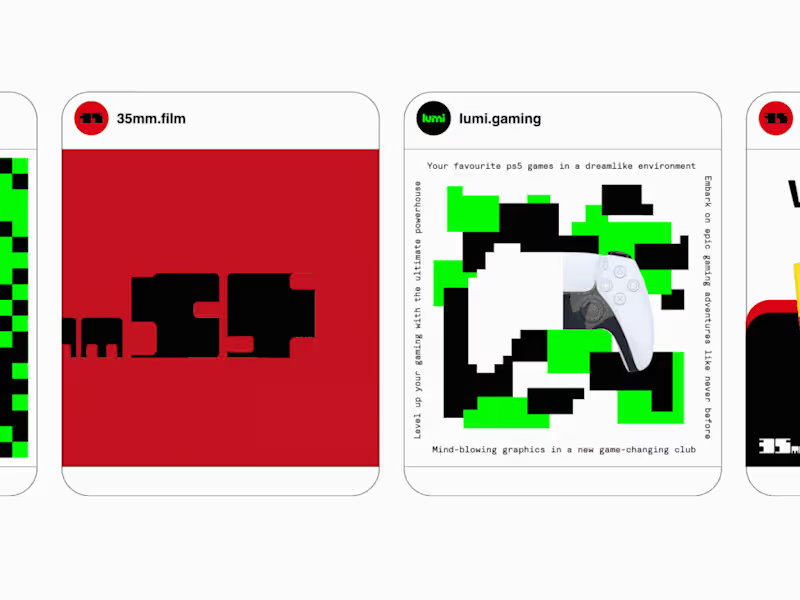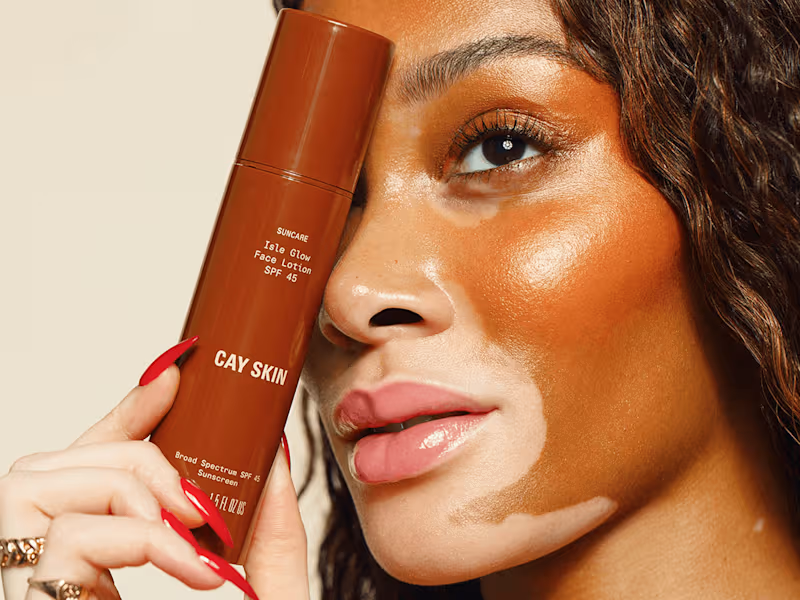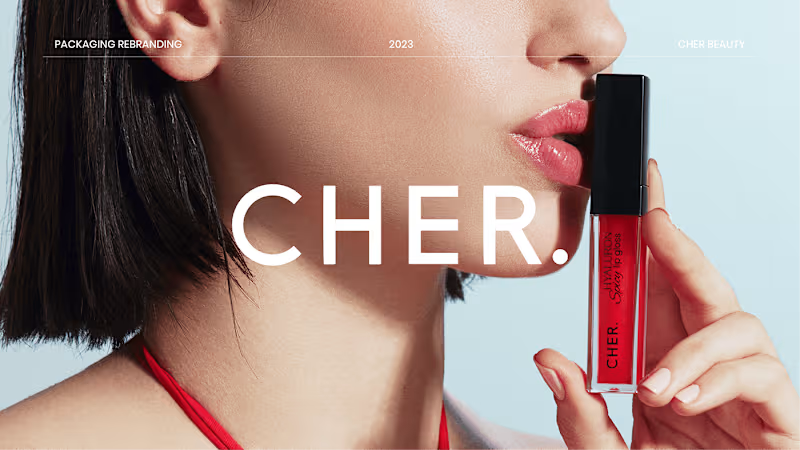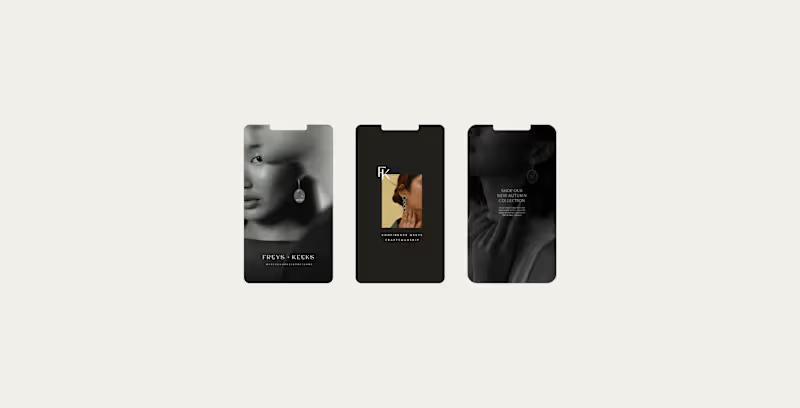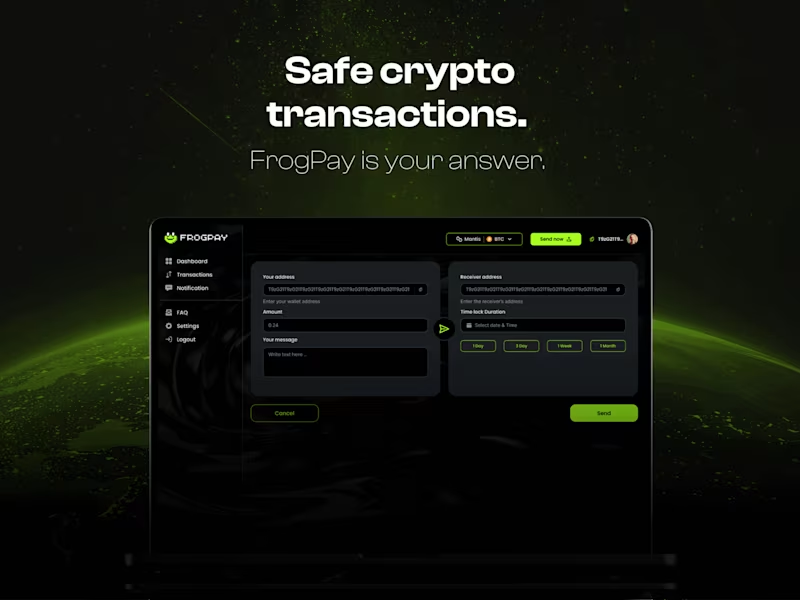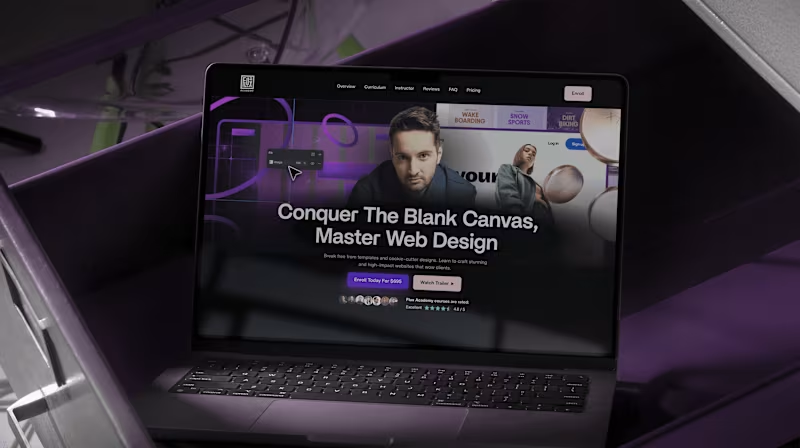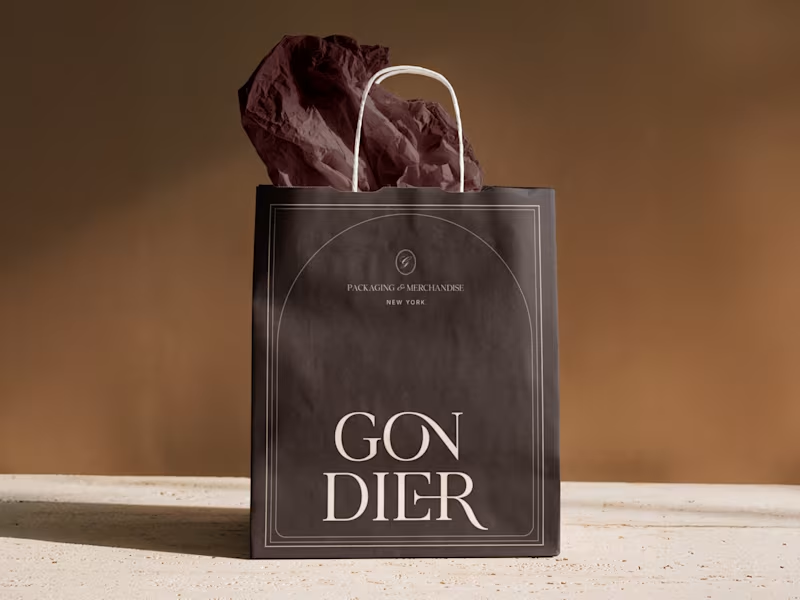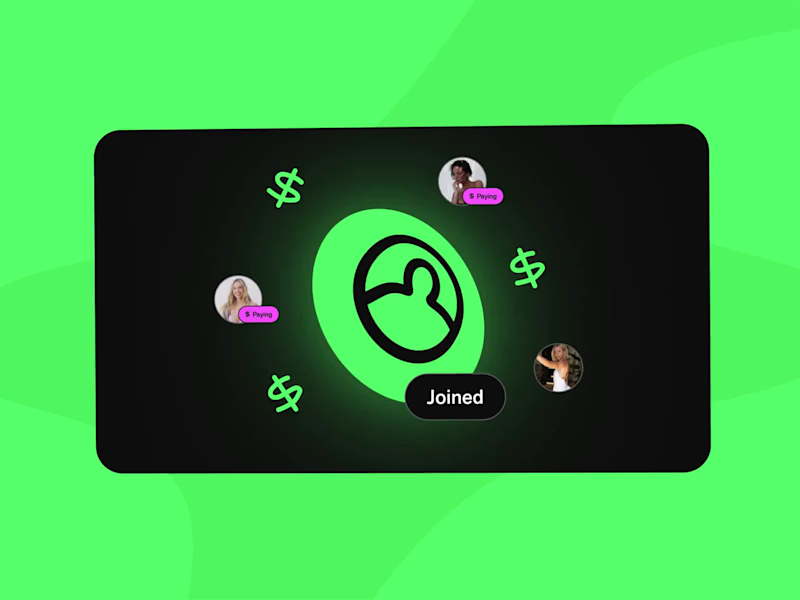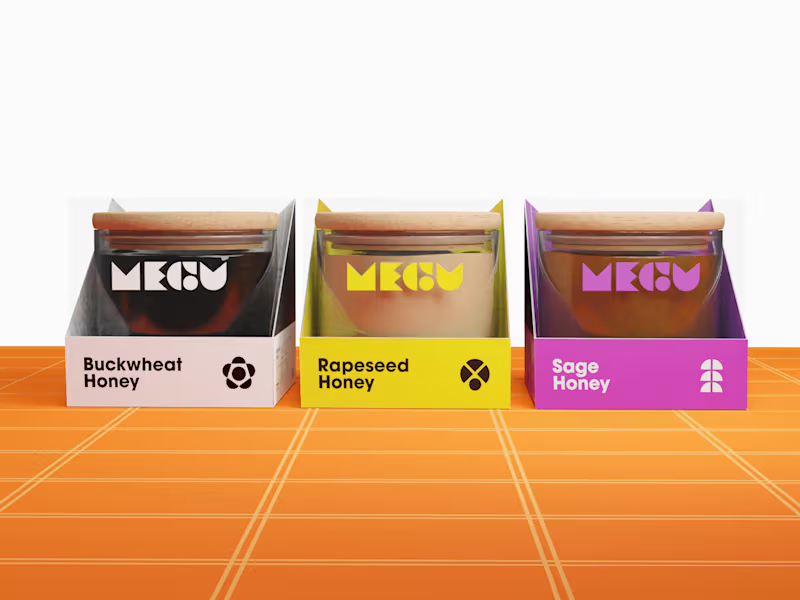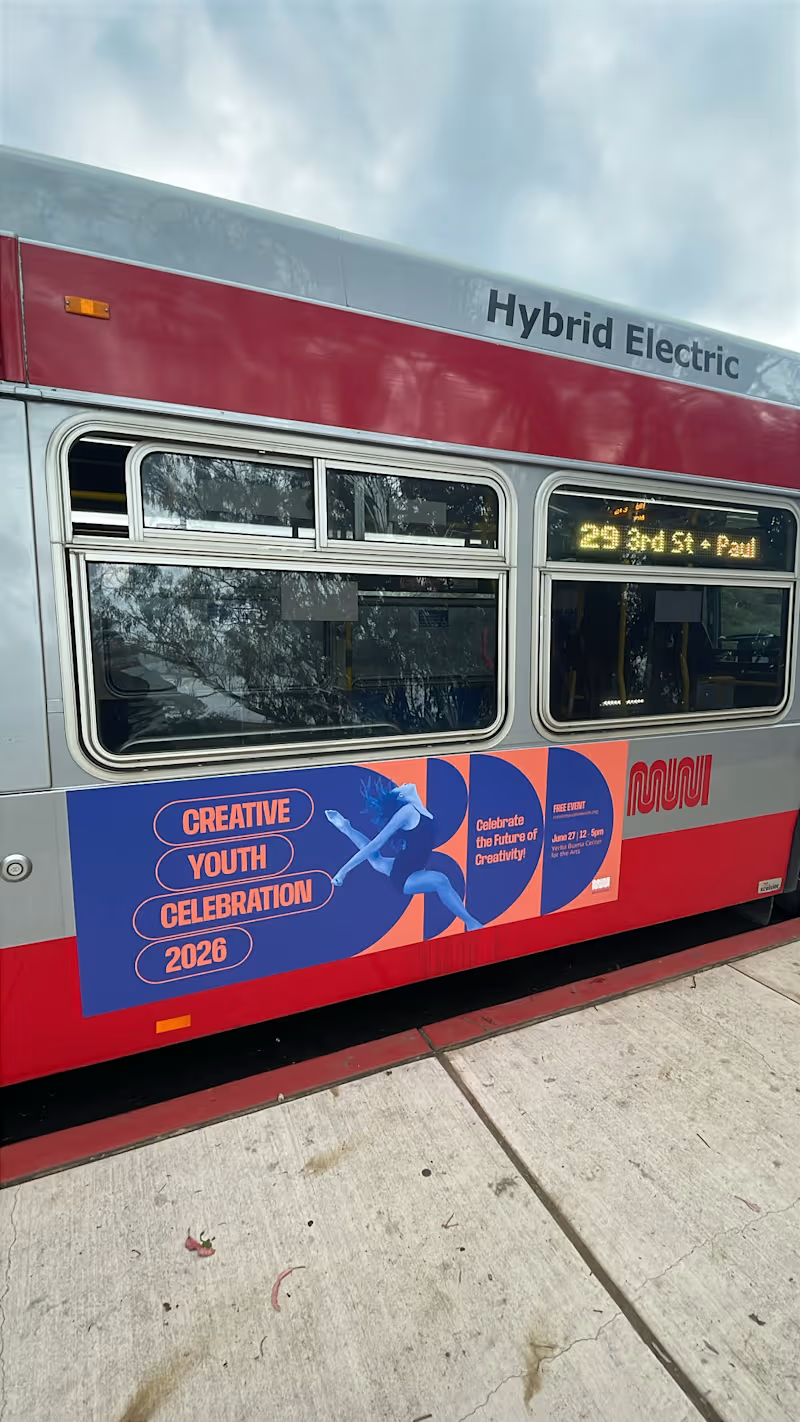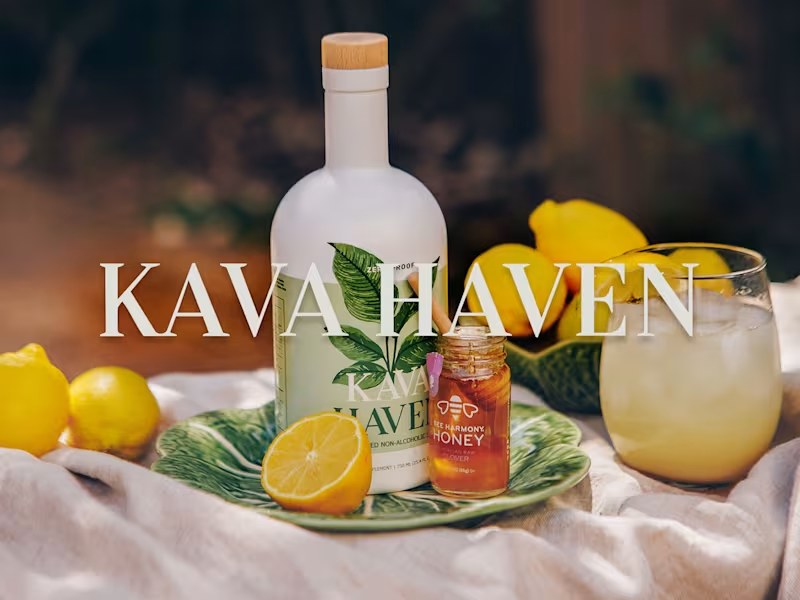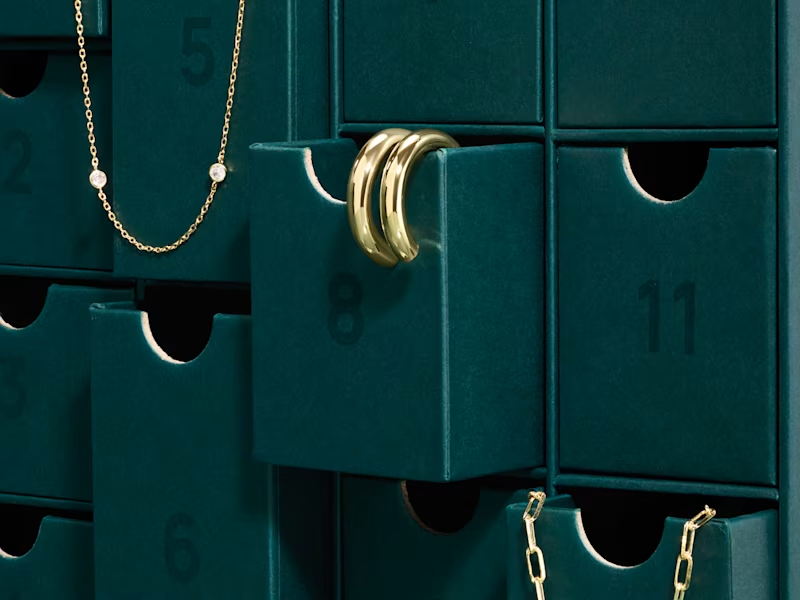























What style of graphic design fits the project's needs?
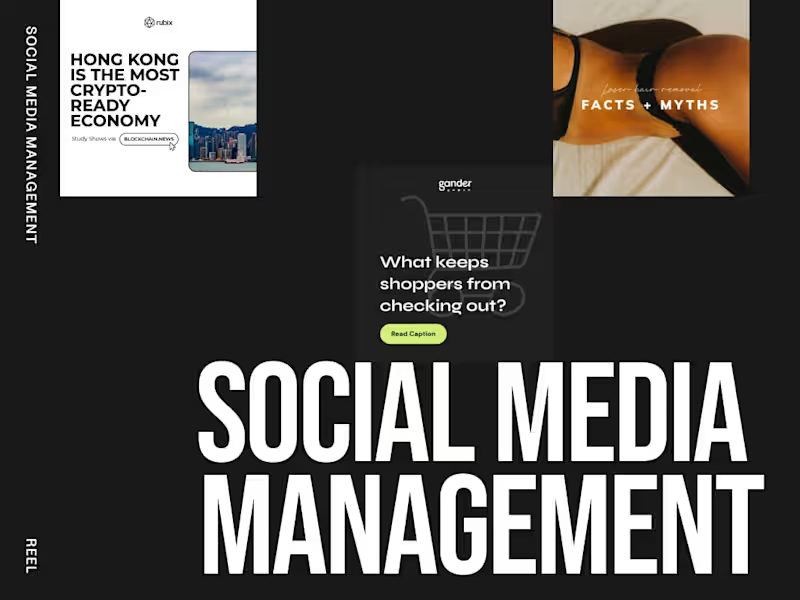
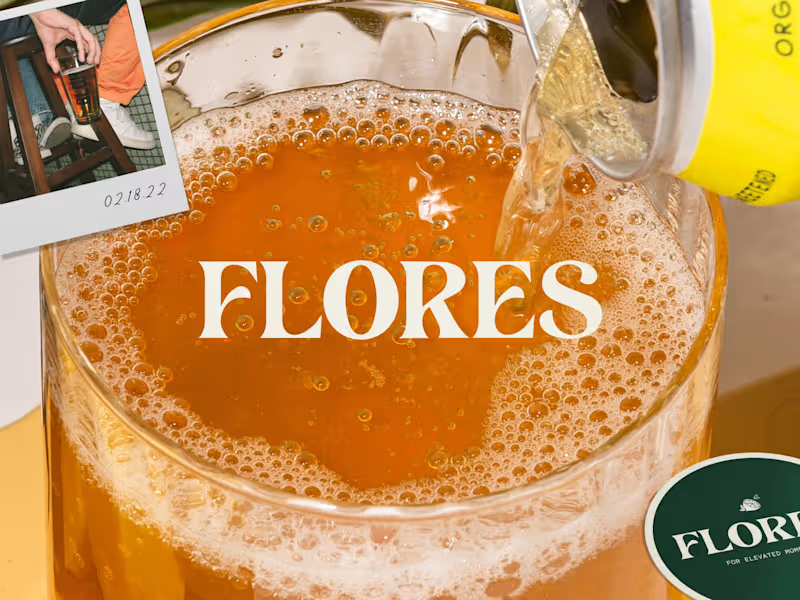
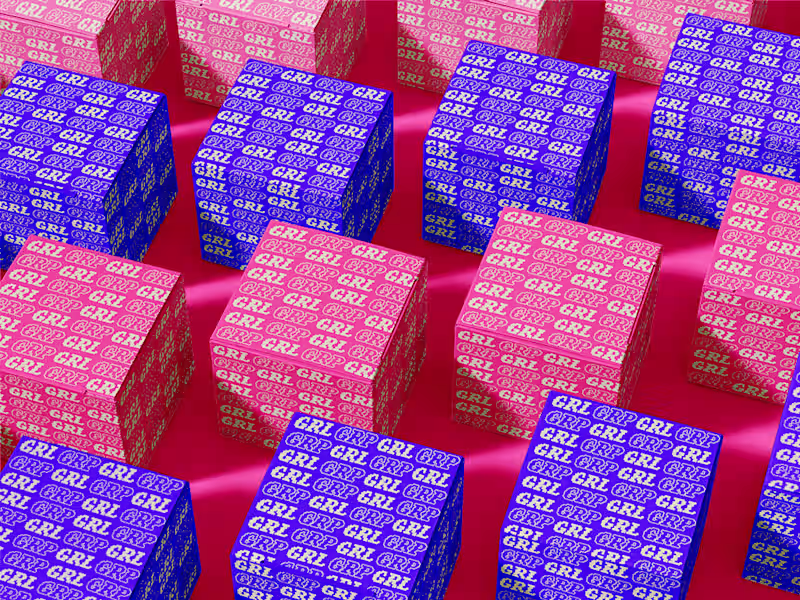
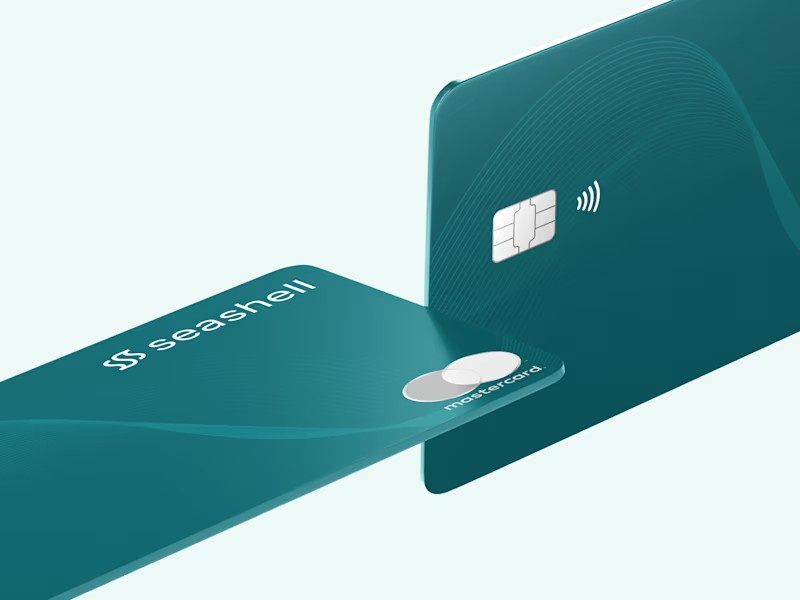
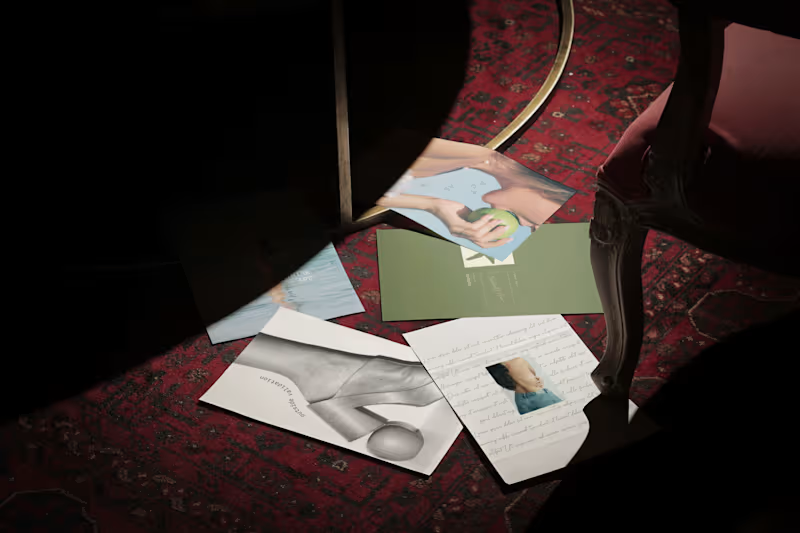
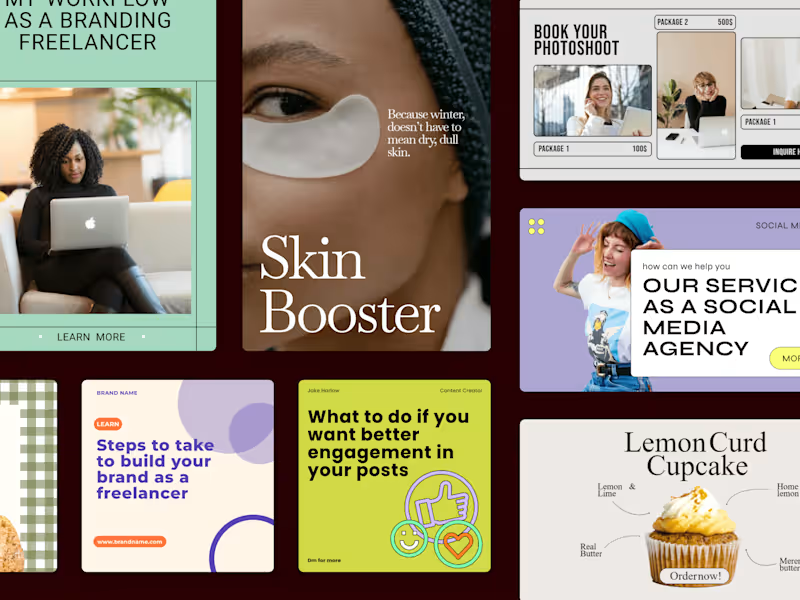
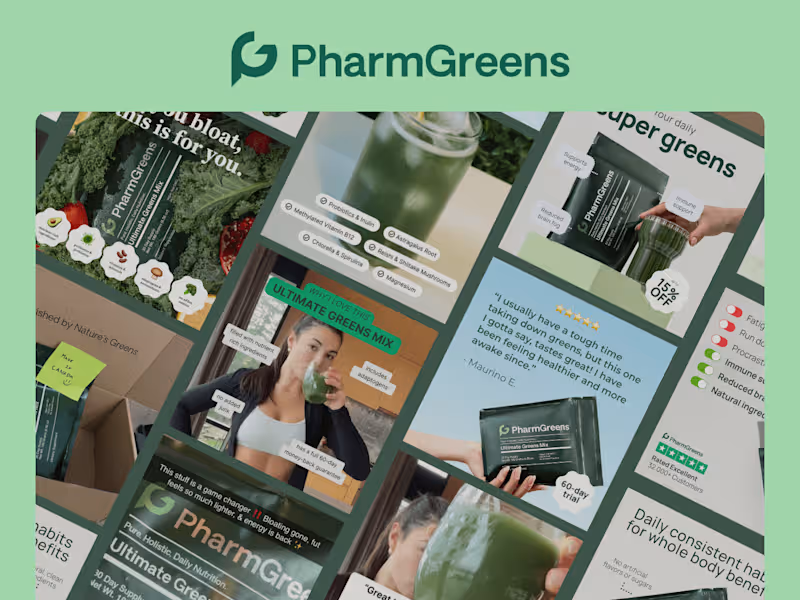
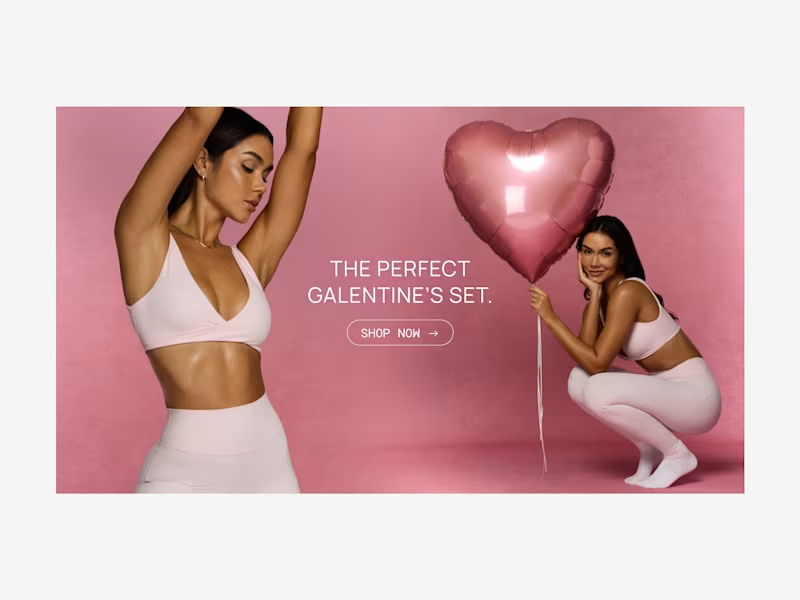
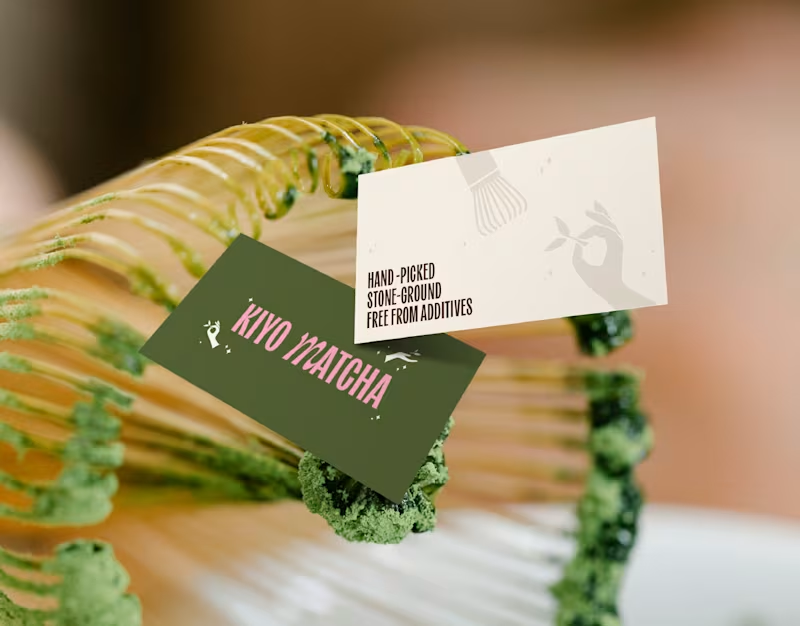
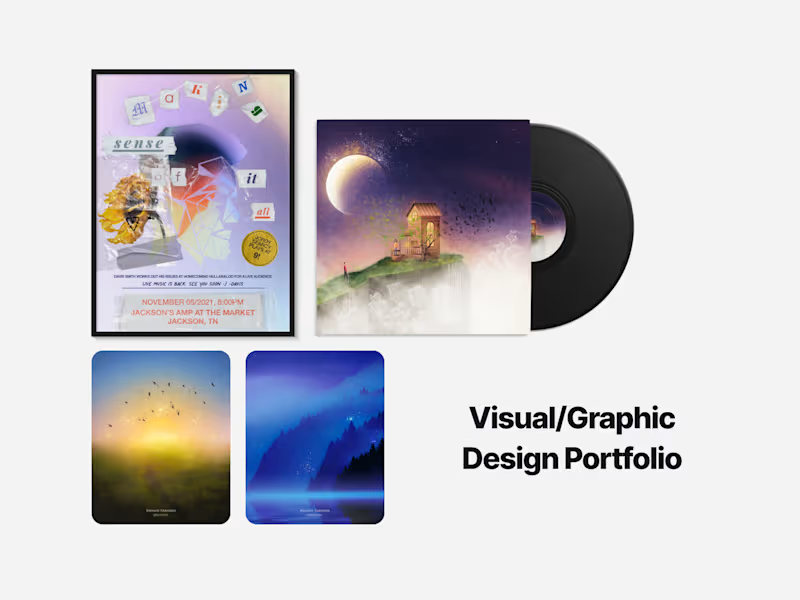
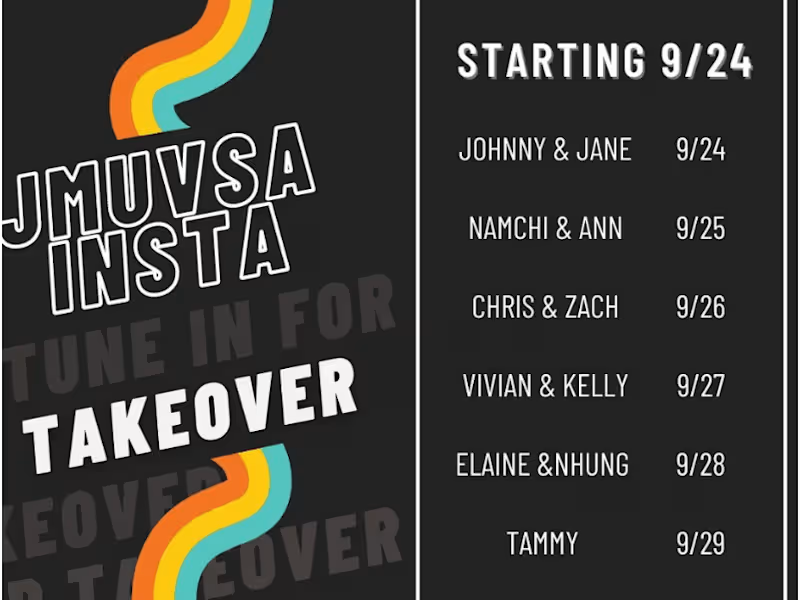
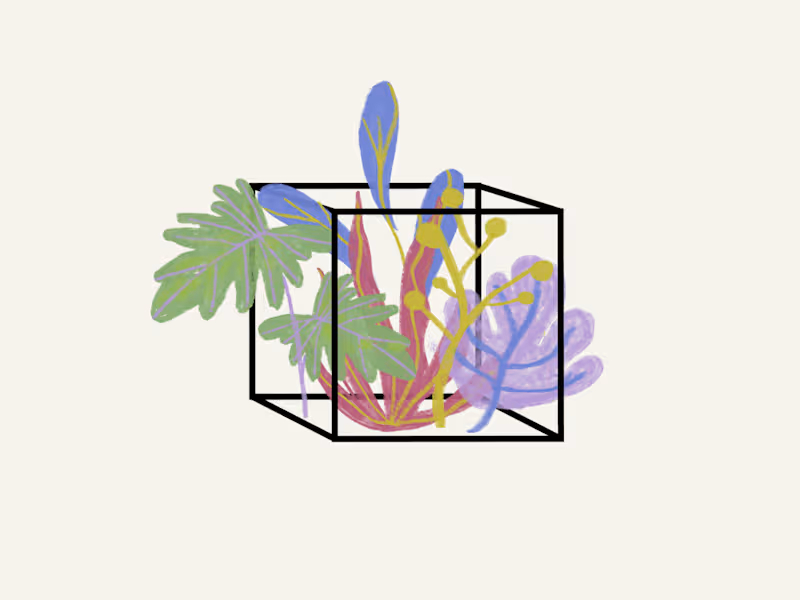
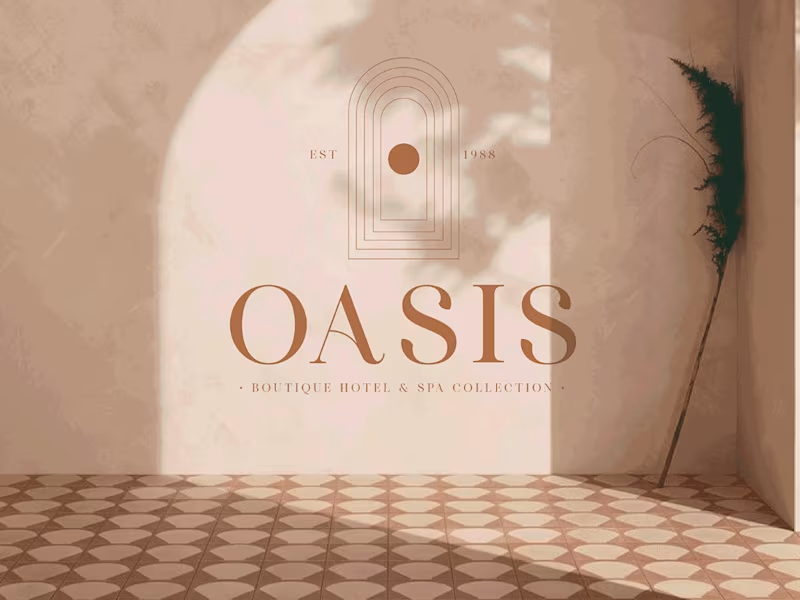
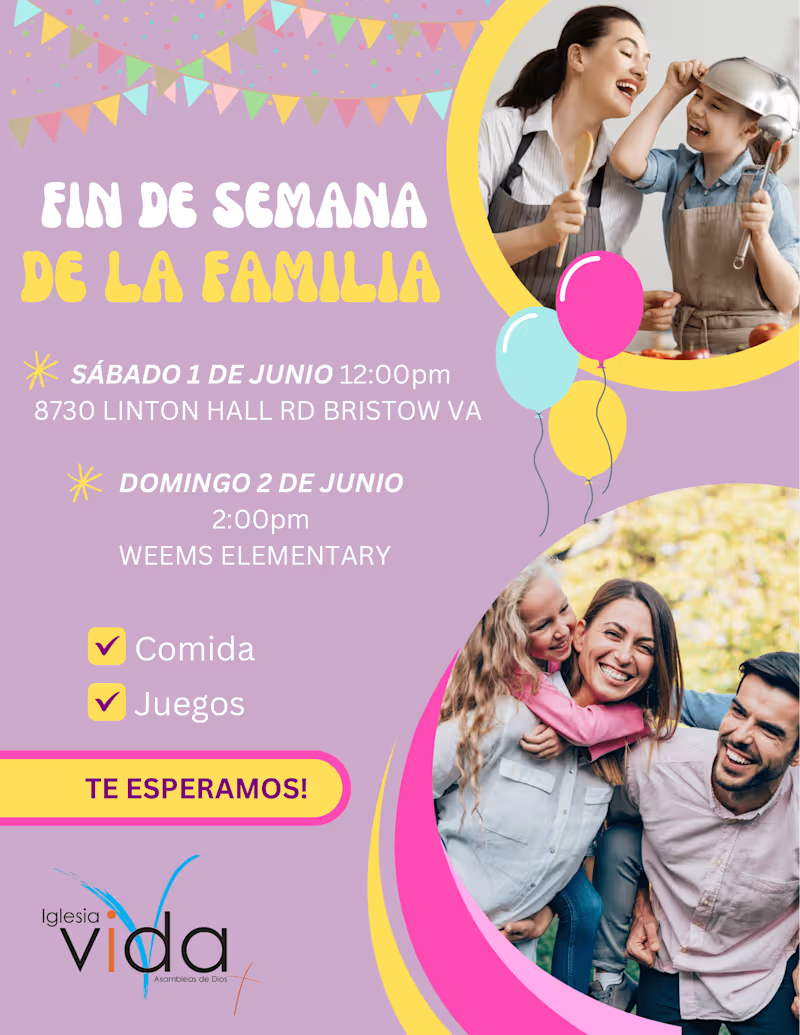
First, think about the look you want for your project. Is it bold, colorful, simple, or vintage? Knowing the style will help you find a graphic designer who matches your vision. It ensures they understand the aesthetic you're aiming for.
How do we define and agree on project deliverables?
Decide what you need from the designer. Are you looking for logos, posters, or website graphics? Make a clear list of what you expect to receive by the end of the project. This helps the designer know what to focus on and work towards.
What is the timeline for completing the project?
Decide when you need the project finished. Share this deadline with the designer. It helps them manage their time and ensure they can meet your needs. This way, there are no surprises about when the work should be done.
How will we handle communication during the project?
Think about how you want to keep in touch with the designer. Will it be through emails, calls, or messages on Contra? Setting clear communication helps both you and the designer stay updated easily.
What files or formats do I need from the designer?
Consider where and how you will use the design work. Do you need printable files, digital versions, or something for social media? Sharing these details ensures you get the right files ready for your needs.
What design software does the freelancer use?
Different designers use different tools, like Adobe Photoshop or Illustrator. Knowing what they use can ensure compatibility with your needs. It also shows the designer's skill level and proficiency.
How will feedback be provided and revisions handled?
Think about how you want to give feedback. Will it be through comments, meetings, or sketches? Clear feedback helps the designer make adjustments. Also, discuss how many revisions you may need.
What is the process for the project kick-off?
Consider what needs to happen before the designer starts the work. Do you need an initial meeting, mood boards, or prototypes? A clear start helps set the project in motion smoothly.
What are the measures for ensuring design quality?
Decide what quality means for your project. Are there industry standards or personal preferences to follow? Communicating this helps the designer aim for the quality you expect.
What is the end goal of the design project?
Define what you want to achieve with the design. Is it to attract buyers, inform people, or make something beautiful? Understanding the purpose helps guide the entire project direction.
Who is Contra for?
Contra is designed for both freelancers (referred to as "independents") and clients. Freelancers can showcase their work, connect with clients, and manage projects commission-free. Clients can discover and hire top freelance talent for their projects.
What is the vision of Contra?
Contra aims to revolutionize the world of work by providing an all-in-one platform that empowers freelancers and clients to connect and collaborate seamlessly, eliminating traditional barriers and commission fees.