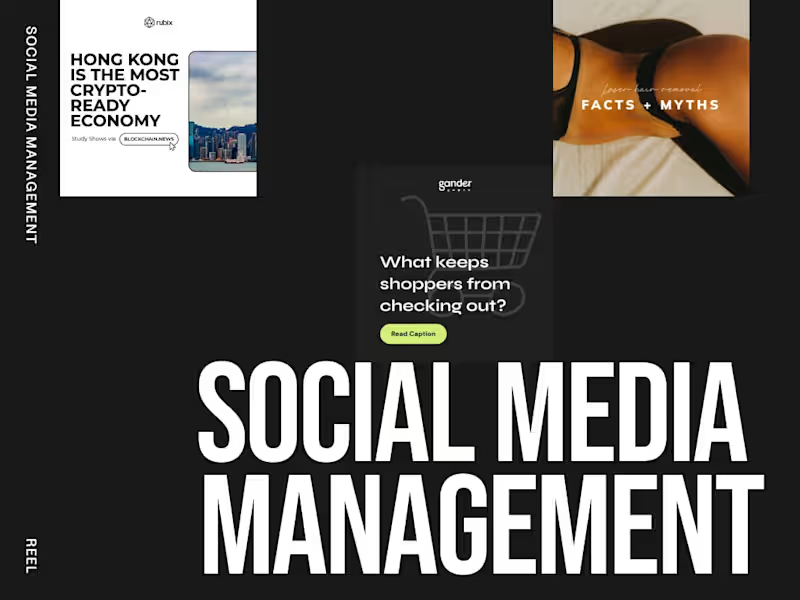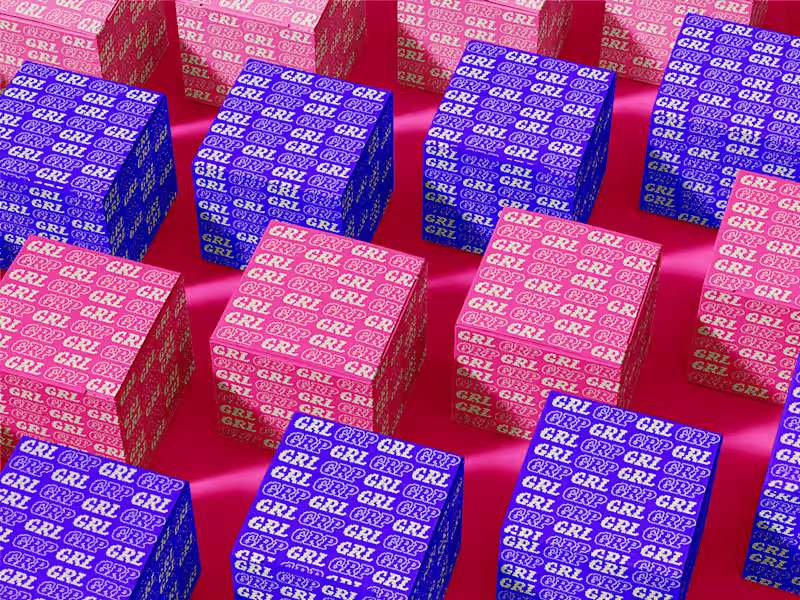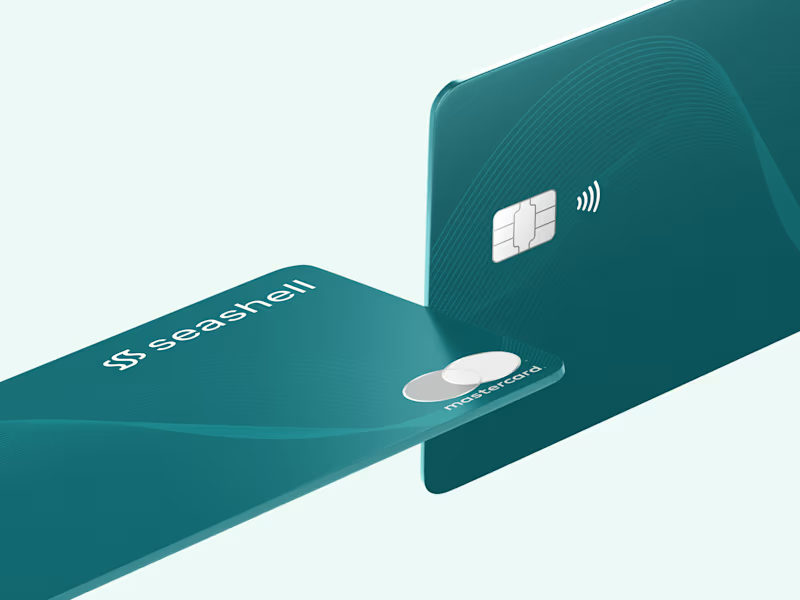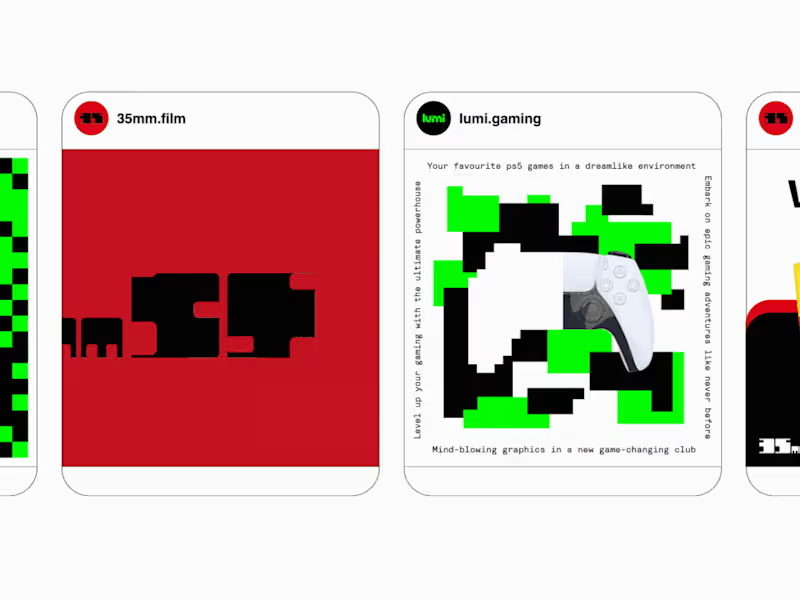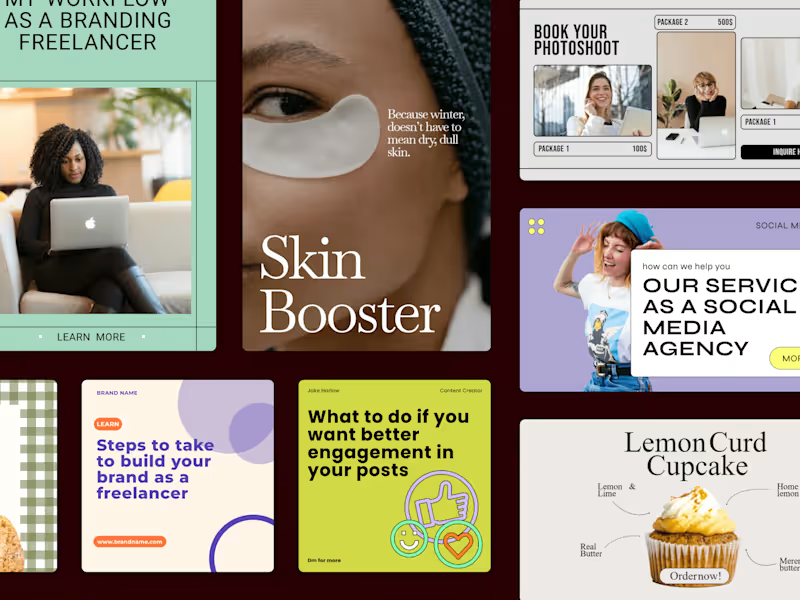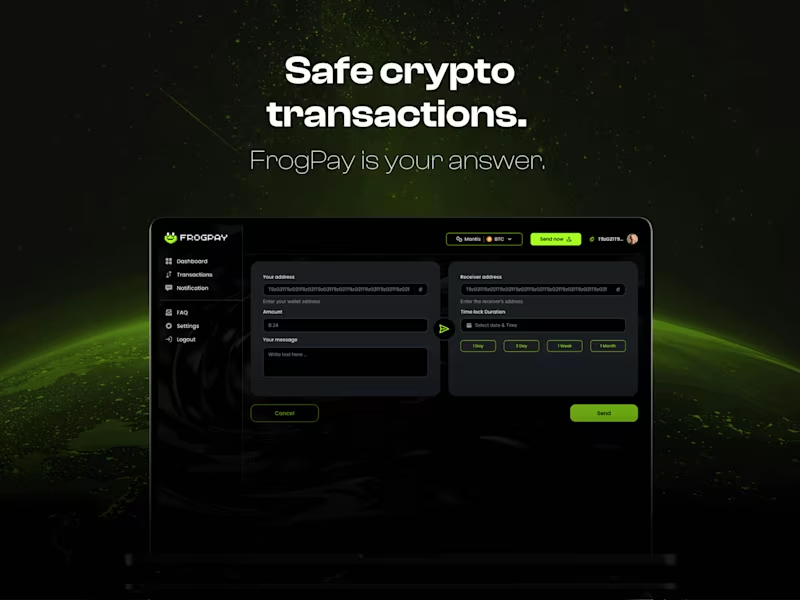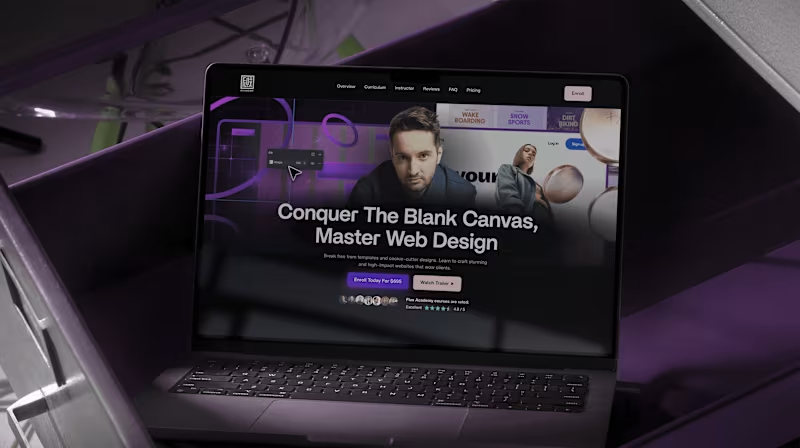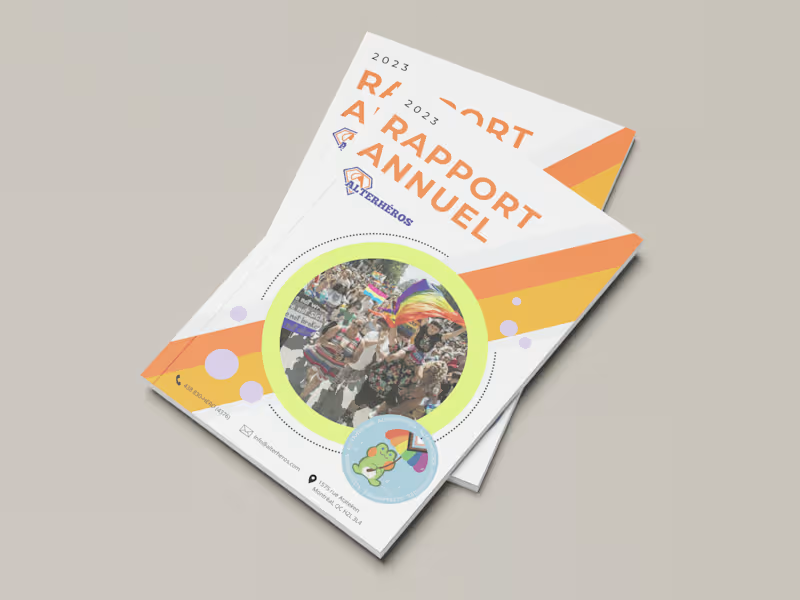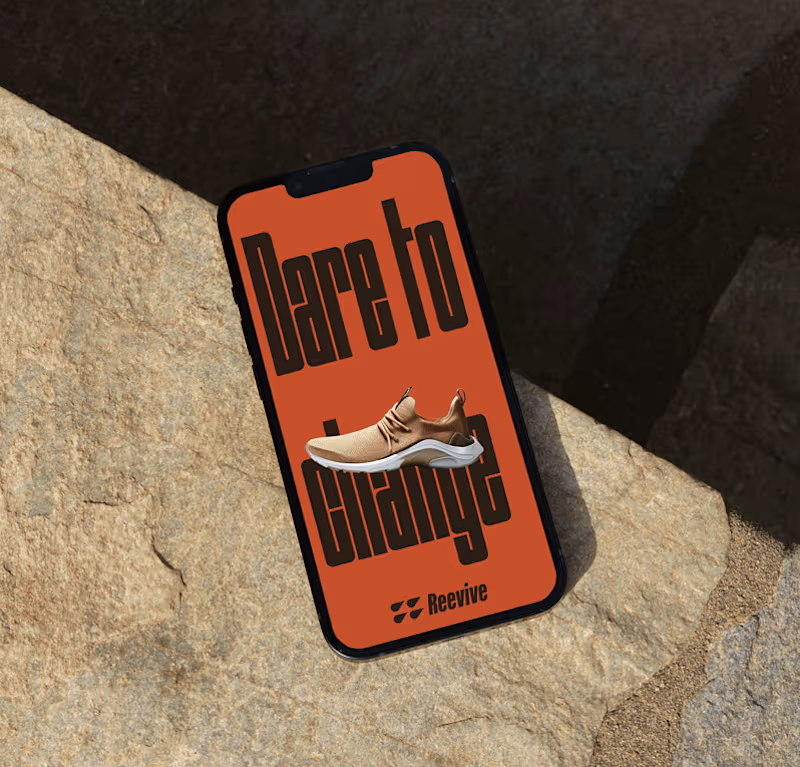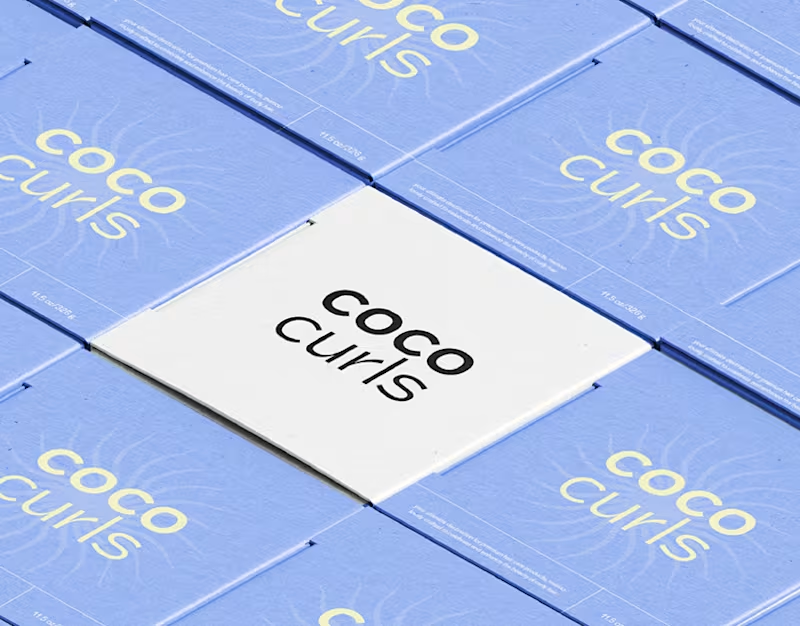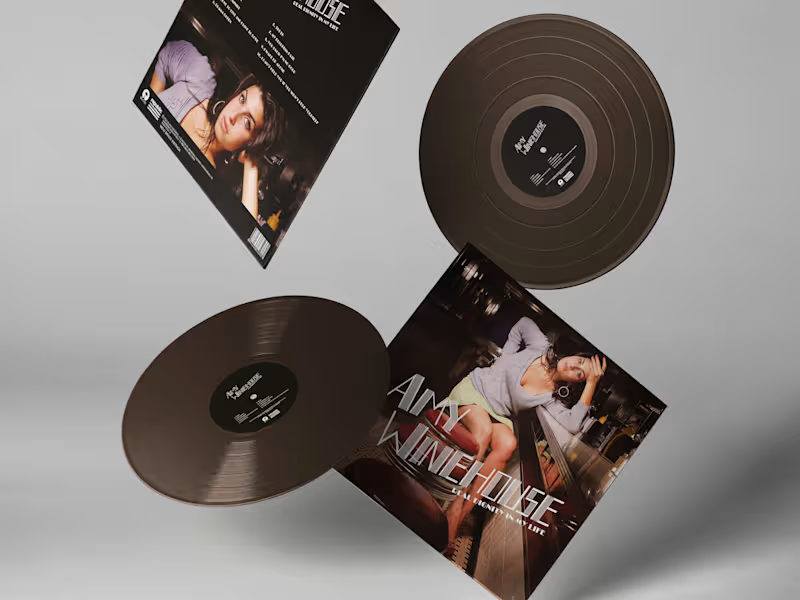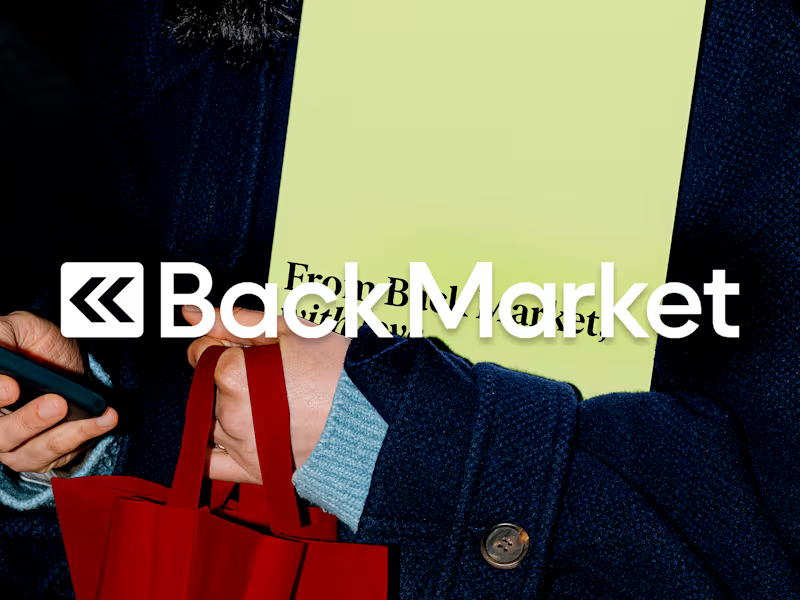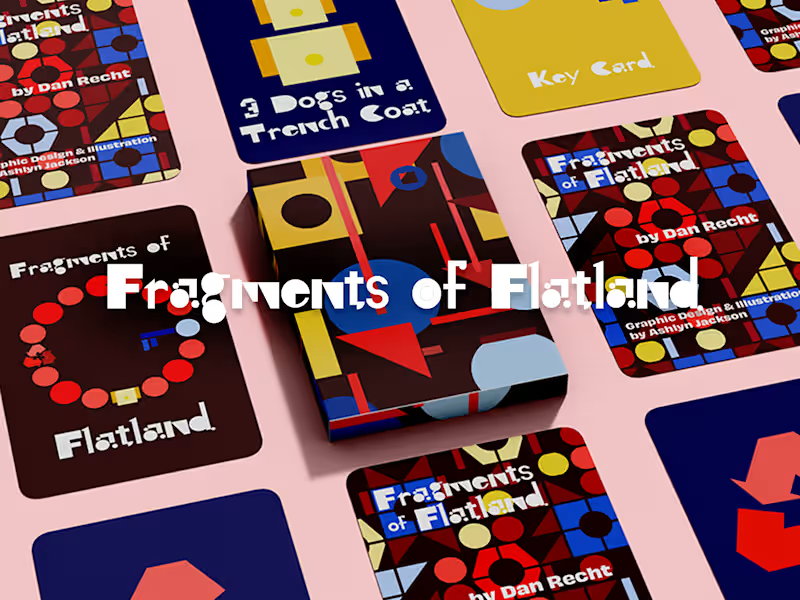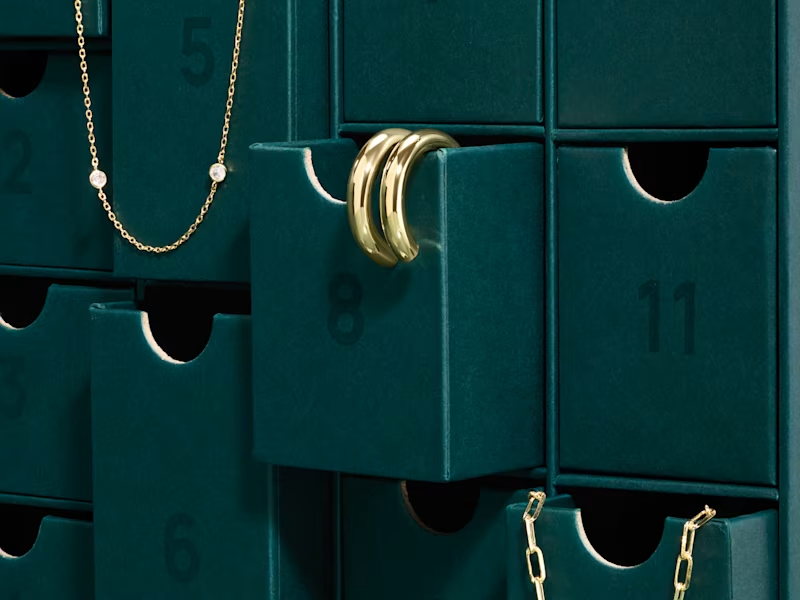





















What style of graphics do you want for your project?
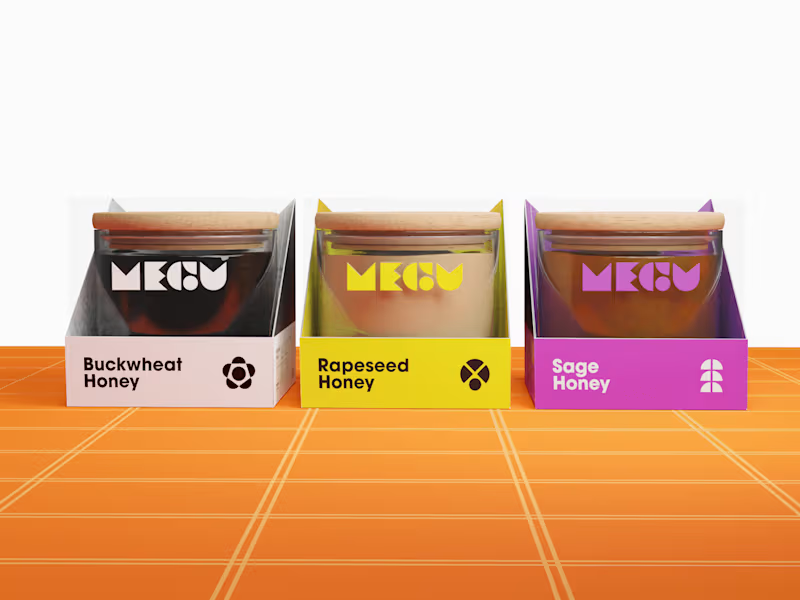
Think about the look and feel you want. Do you like simple designs, or do you prefer something more detailed? Decide if your project needs bright colors or soft tones. Having a clear idea helps in finding the right graphic designer.
What kind of graphic designer do you need?
Identify the type of graphic designer who matches your project needs. This could be someone skilled in logo design, web graphics, or social media posts. Knowing the specific skills you need will help filter the search and find the best fit.
How soon do you want your project done?
Set a timeline for your graphics project. Decide if it needs to be done quickly or if it's okay to take a little more time. Clear deadlines ensure that the project stays on track and avoids any last-minute rush.
What is your budget for the graphic design project?
Determine how much you're willing to spend on your graphics. Having a budget plan helps in finding a designer whose rates match your expectations. This ensures you are comfortable with all costs from the start.
What is the main goal of your graphics?
Think about what you want your designs to achieve. Is it to attract more people to your website, or to make a product look appealing? Knowing the end goal helps your designer to create graphics that fit the purpose perfectly.
Do you have examples of designs you like?
Gather a few samples of graphics you admire. These can be from magazines, websites, or any media you like. Sharing these with your designer makes it easier for them to understand your taste and style preference.
How will you measure success for the project?
Define what success looks like for your graphic design project. Maybe it's an increase in website visits or a high number of likes on social media. Having clear success indicators helps in assessing the project's impact.
What formats and sizes are required for your graphics?
Identify what formats you need – like JPEG, PNG, or PDF. Consider where the graphics will be used and ensure they fit. Specifying size and format requirements helps your designer deliver files that meet your needs.
Do you need help with revisions later?
Think about whether your project might need changes after the initial design. It's good to know if you'll require additional help. Having an idea about future adjustments helps in planning a flexible working relationship.
Where will your graphics be used?
Decide where you'll showcase the graphics, such as on a website, in a print ad, or on social media. Knowing the intended use helps the designer create work suitable for that platform. Ensuring each graphic fits its purpose boosts the success of the project.
Who is Contra for?
Contra is designed for both freelancers (referred to as "independents") and clients. Freelancers can showcase their work, connect with clients, and manage projects commission-free. Clients can discover and hire top freelance talent for their projects.
What is the vision of Contra?
Contra aims to revolutionize the world of work by providing an all-in-one platform that empowers freelancers and clients to connect and collaborate seamlessly, eliminating traditional barriers and commission fees.