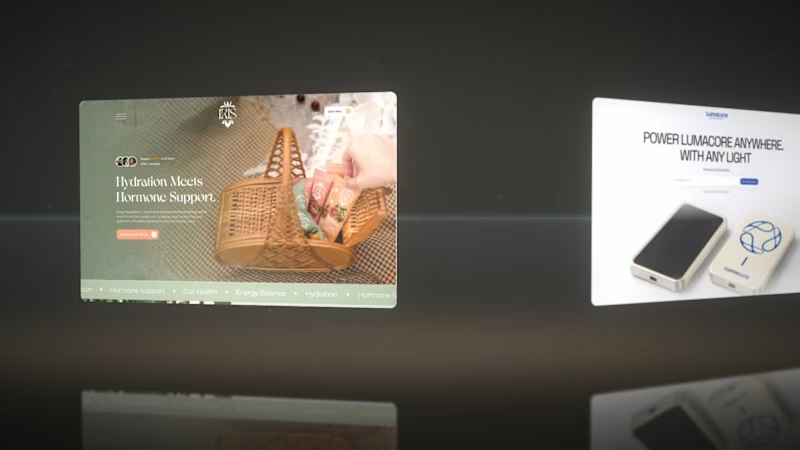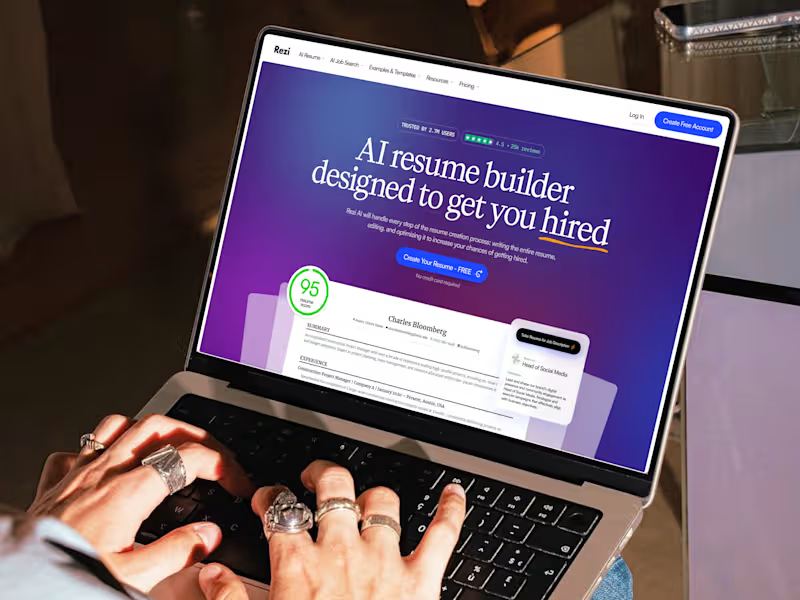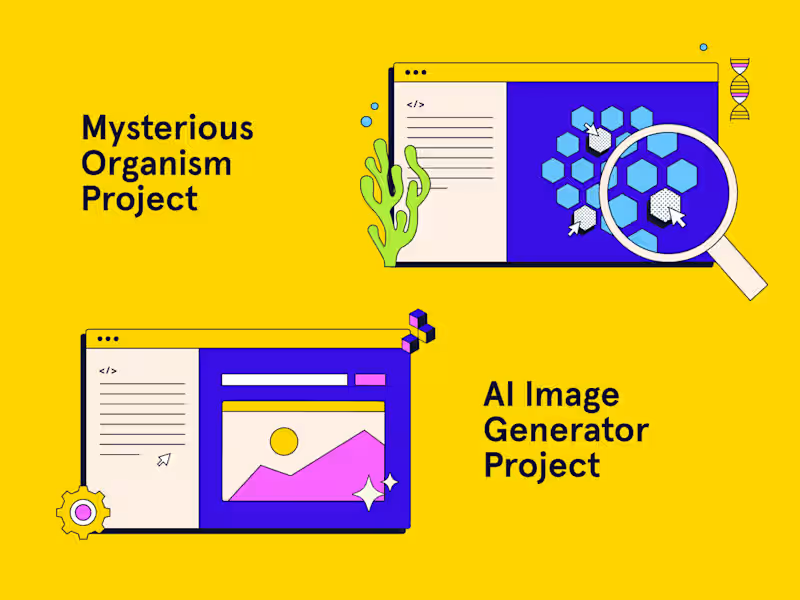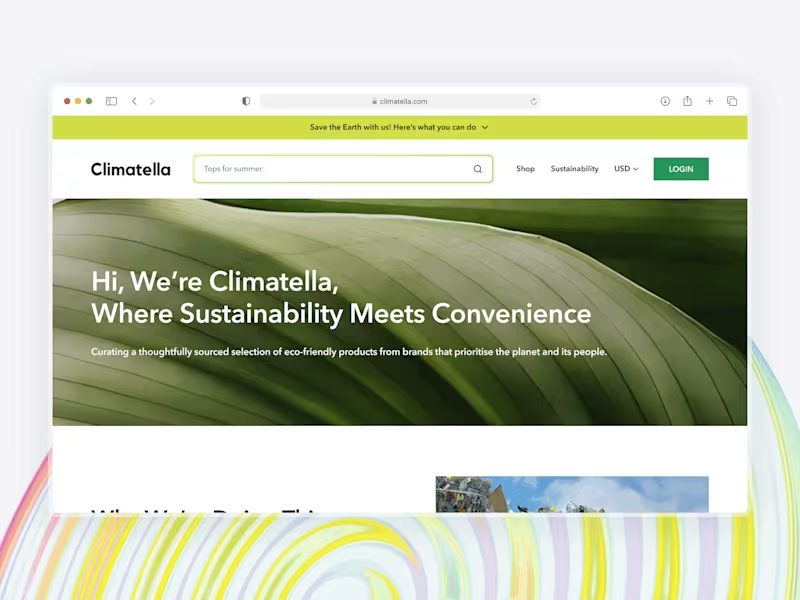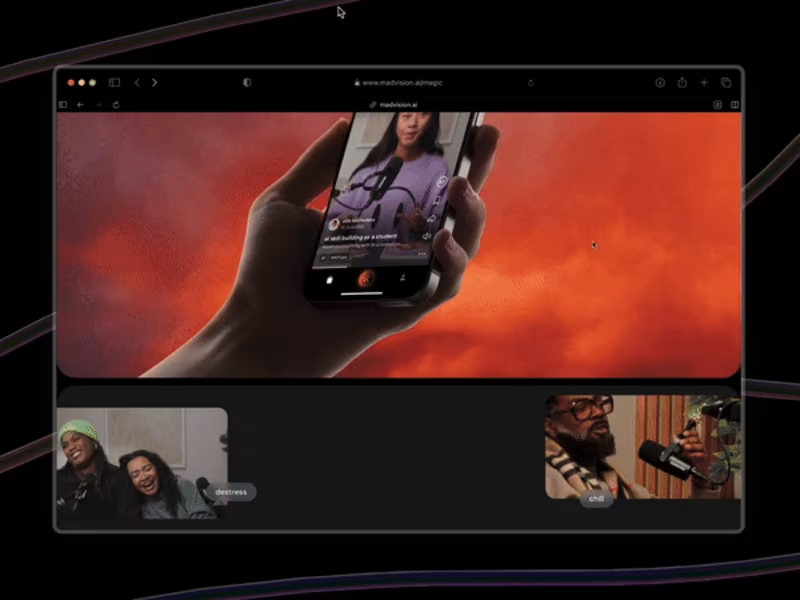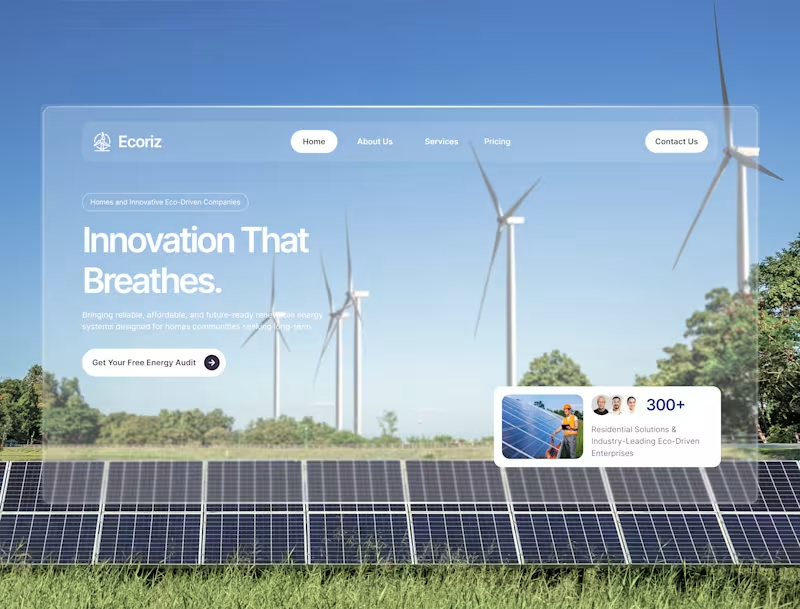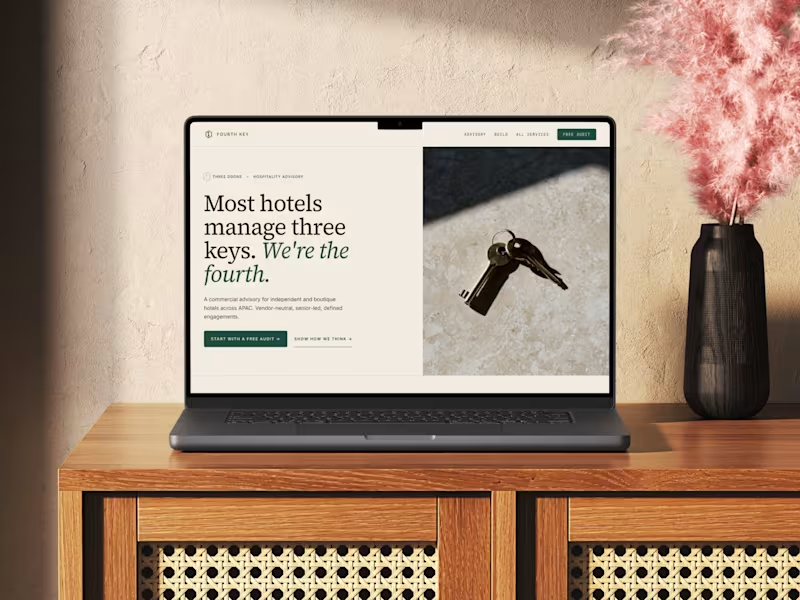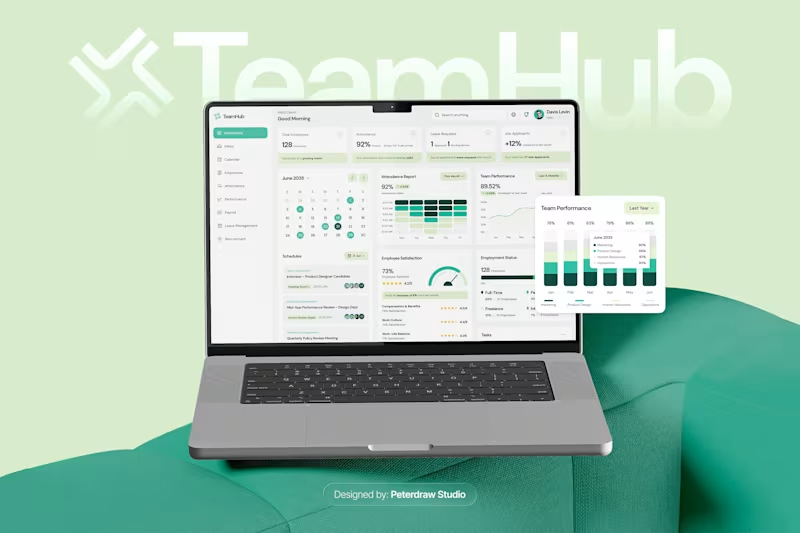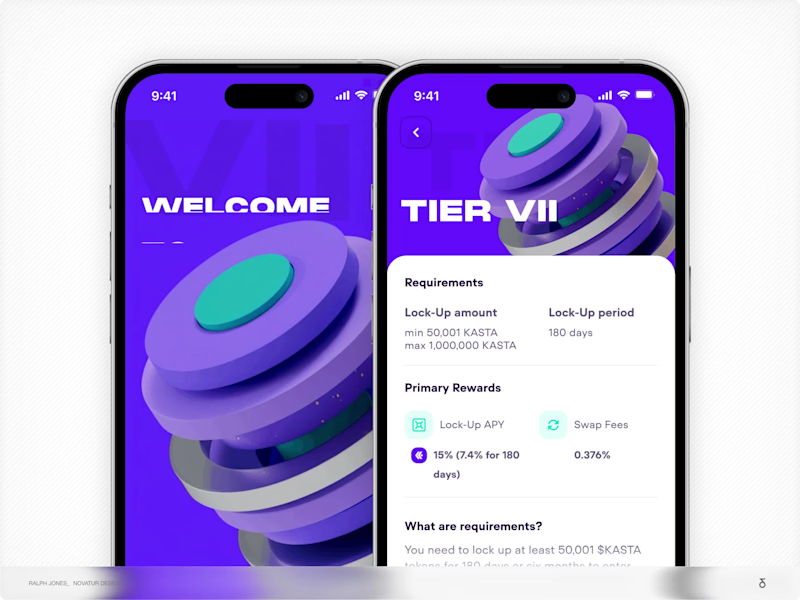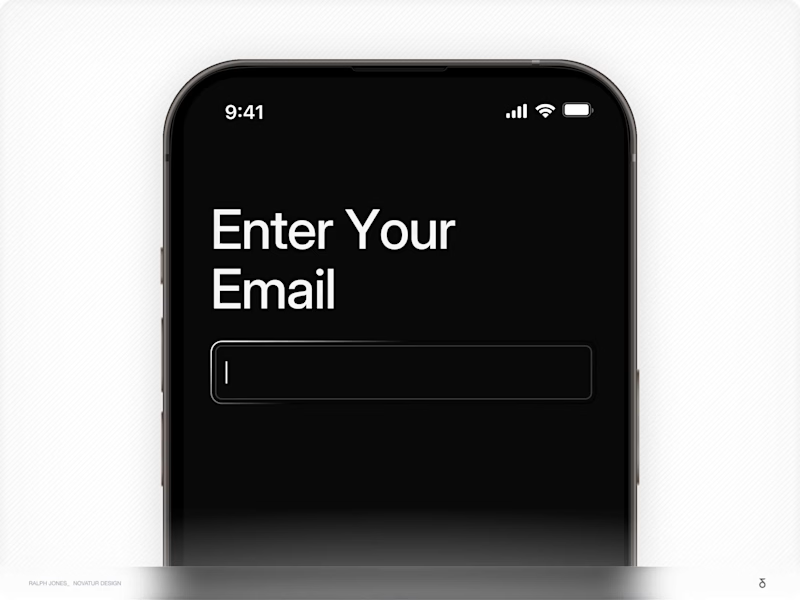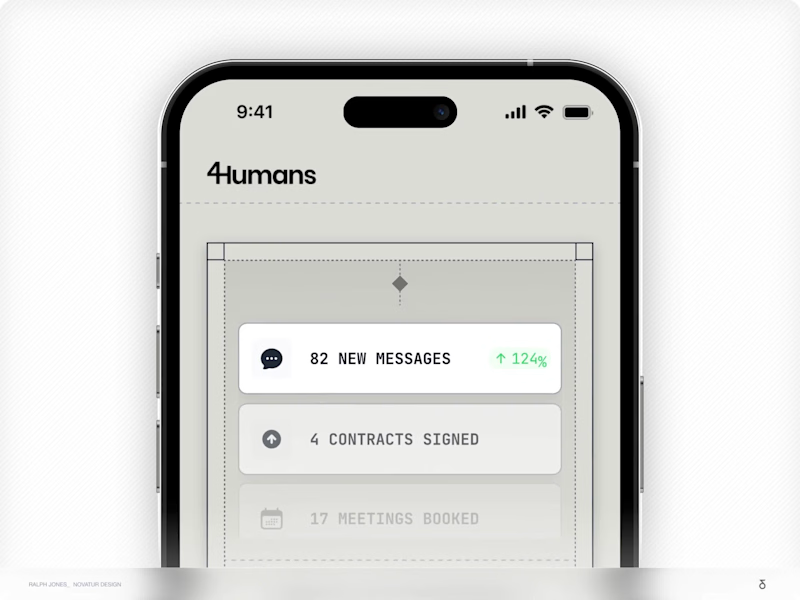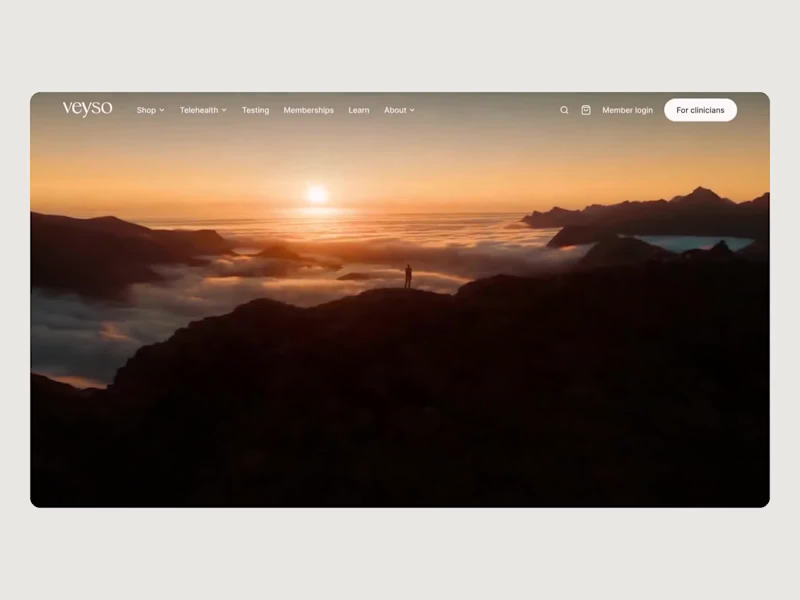























What should I look for in a UI Designer’s portfolio when hiring?
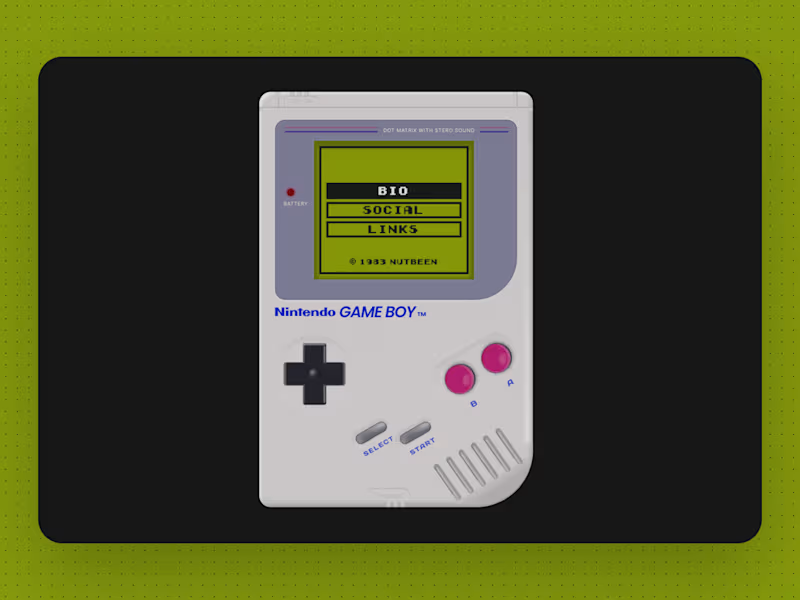
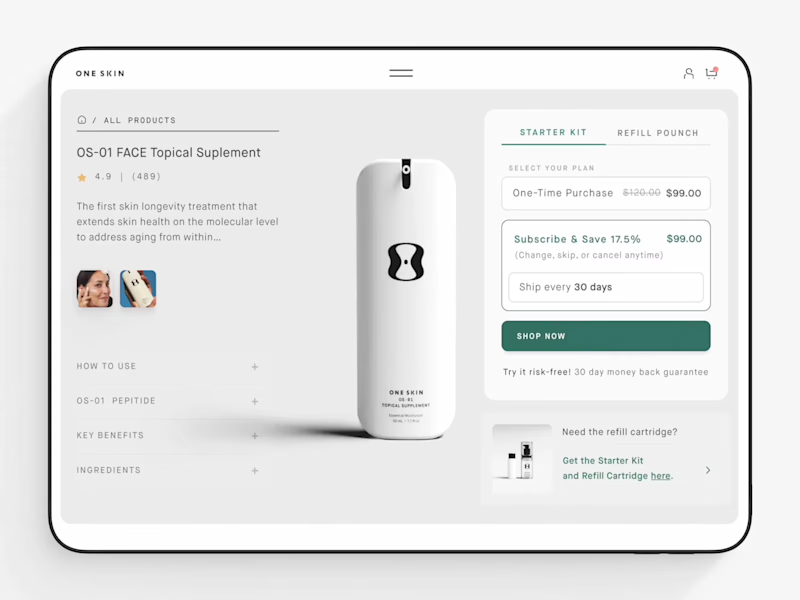
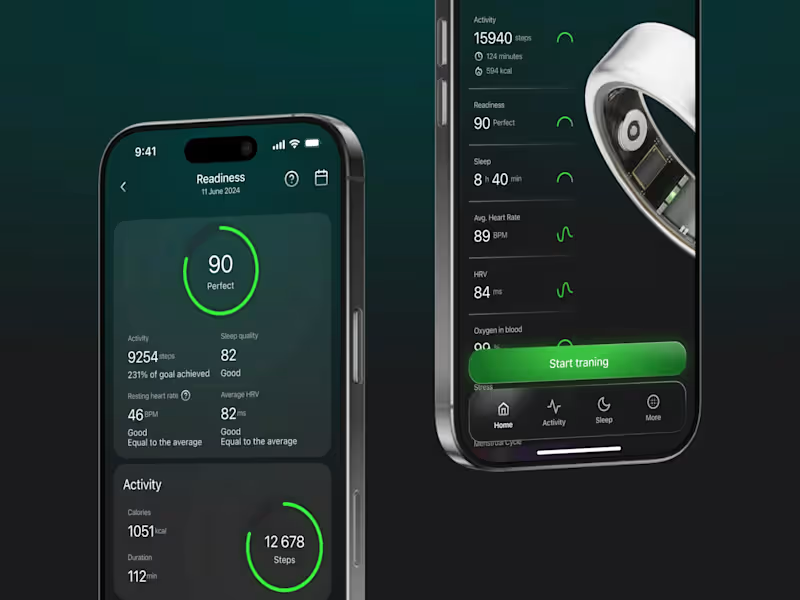
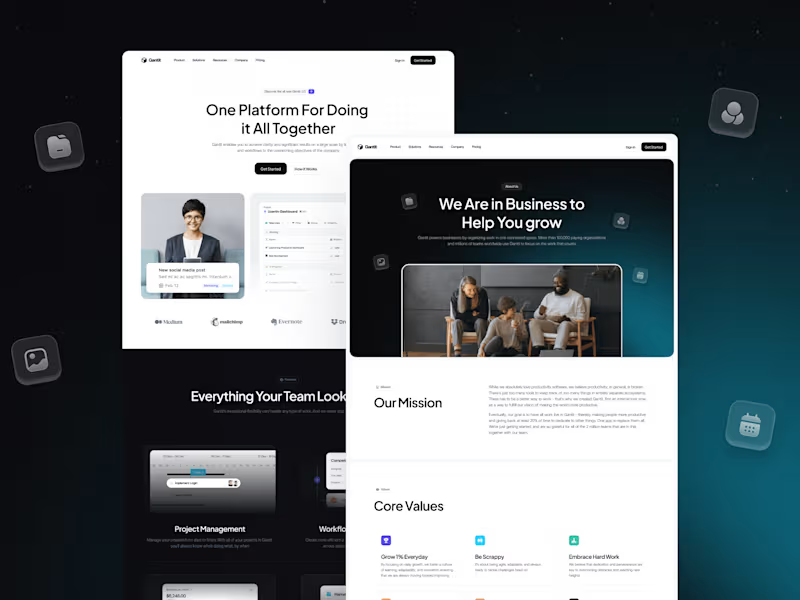
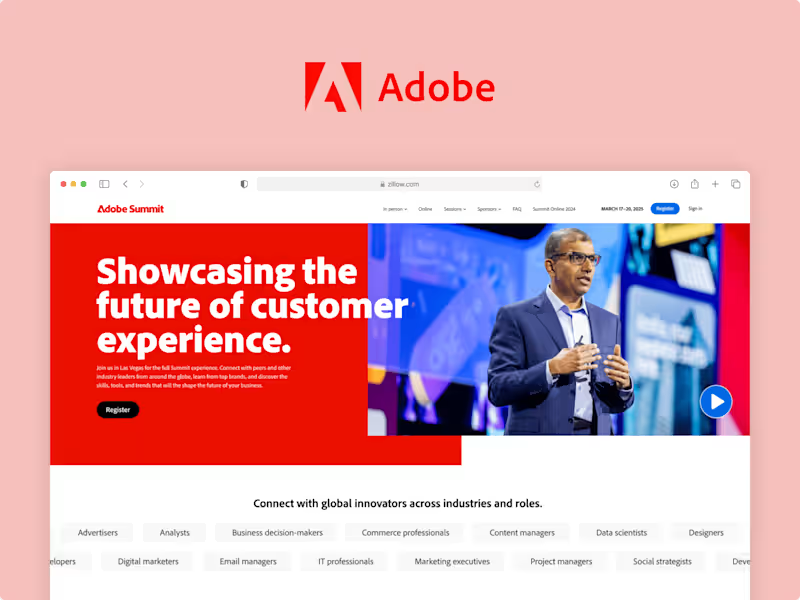
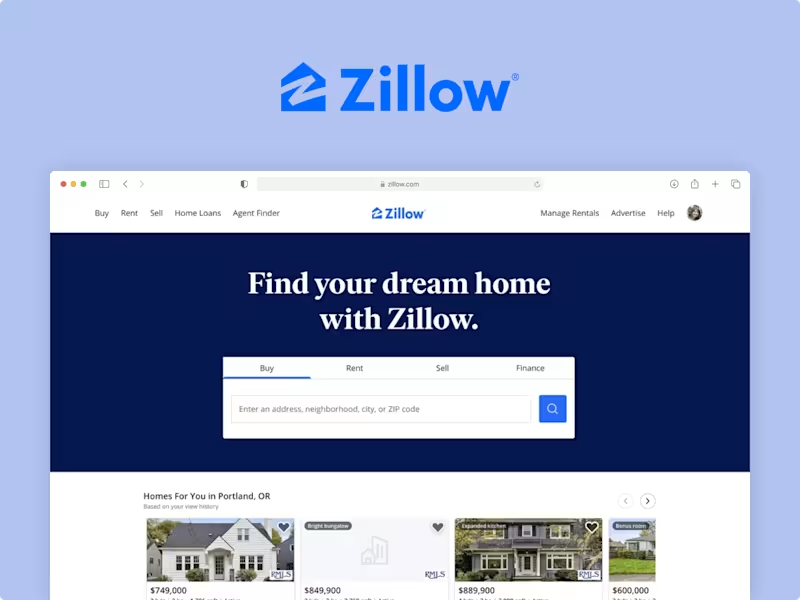
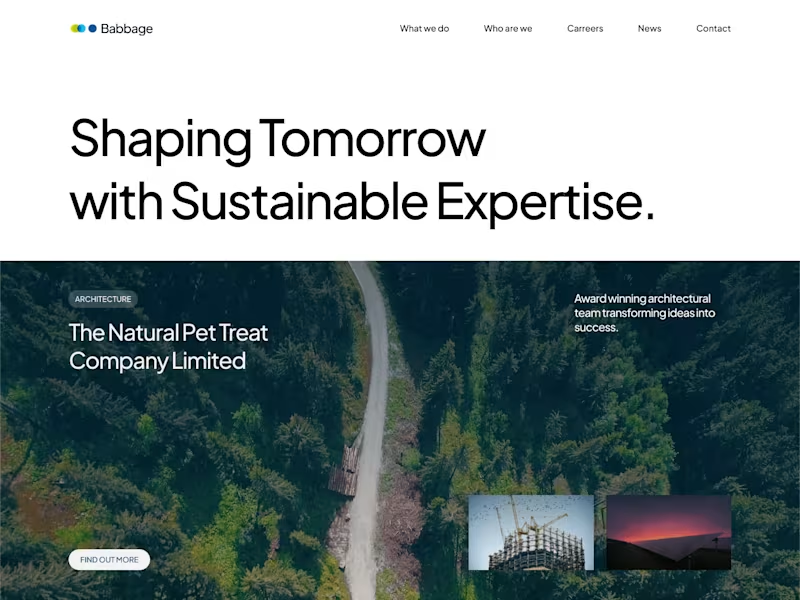
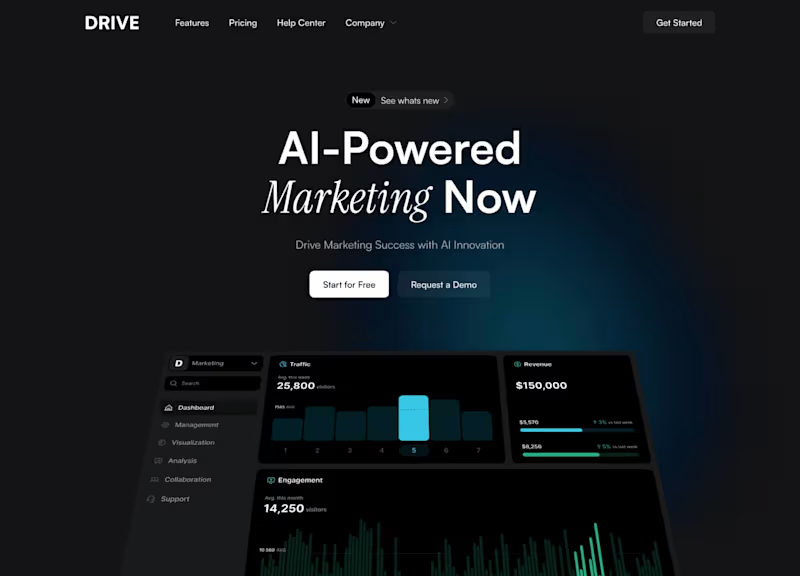
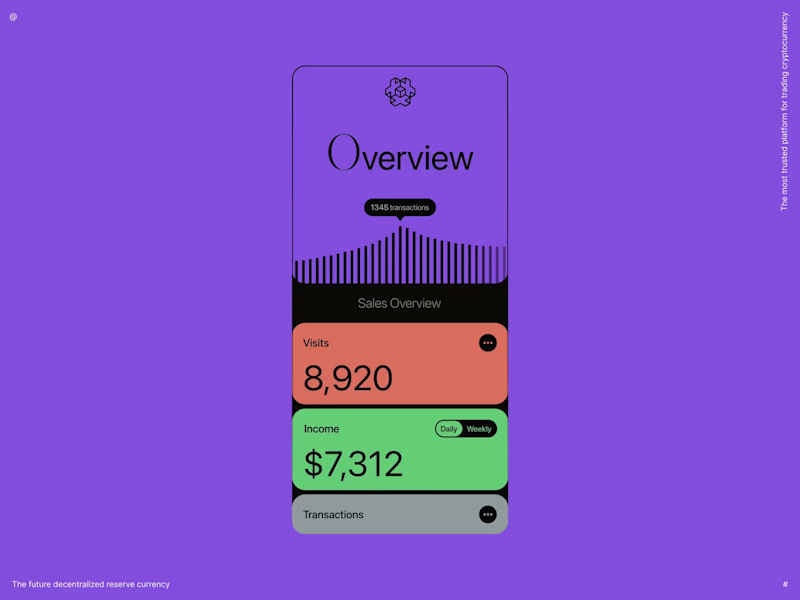
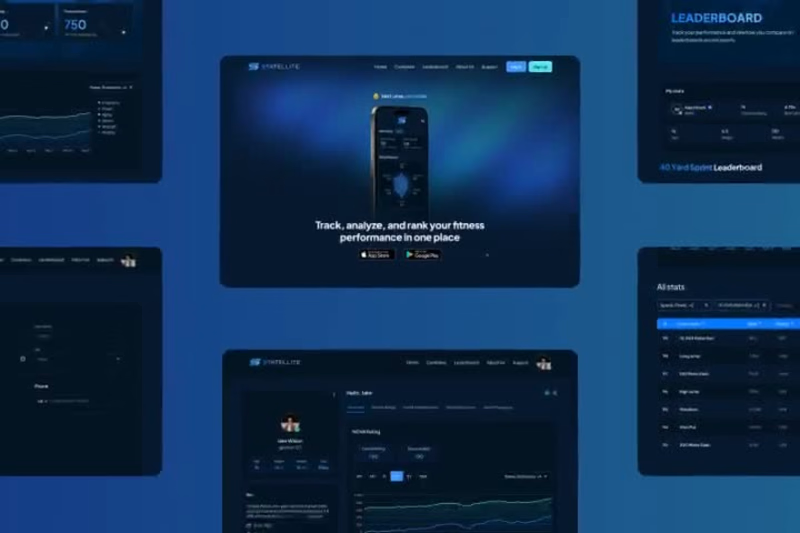
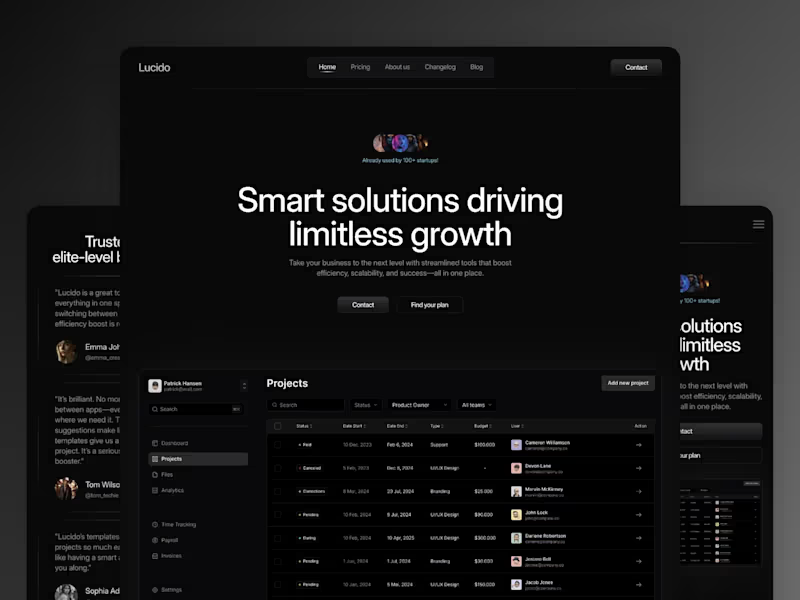
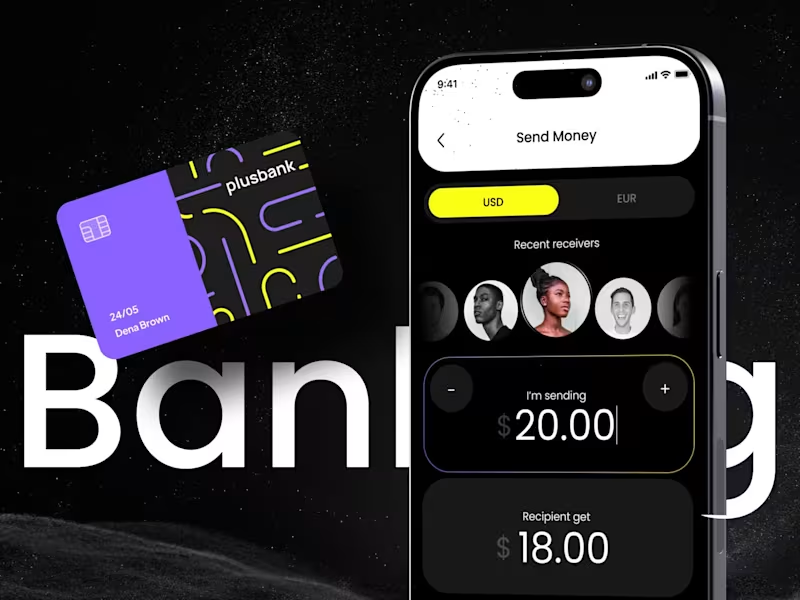
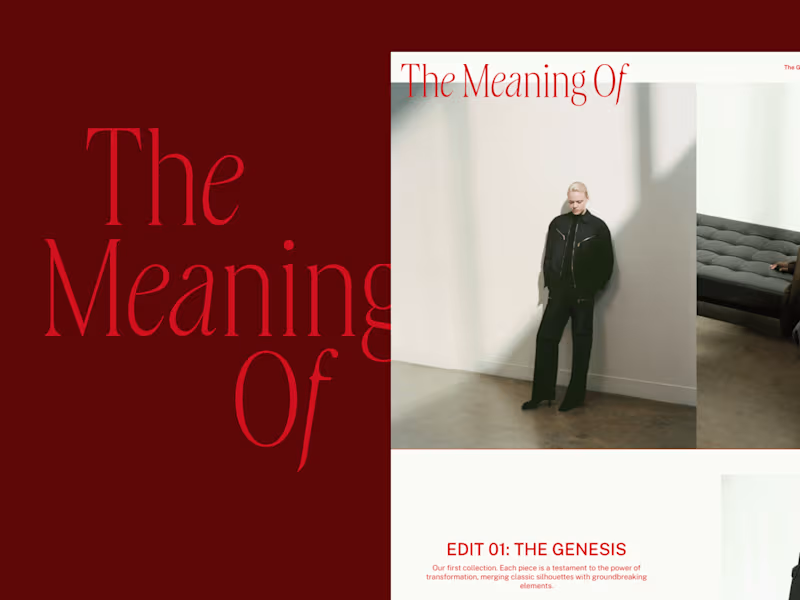
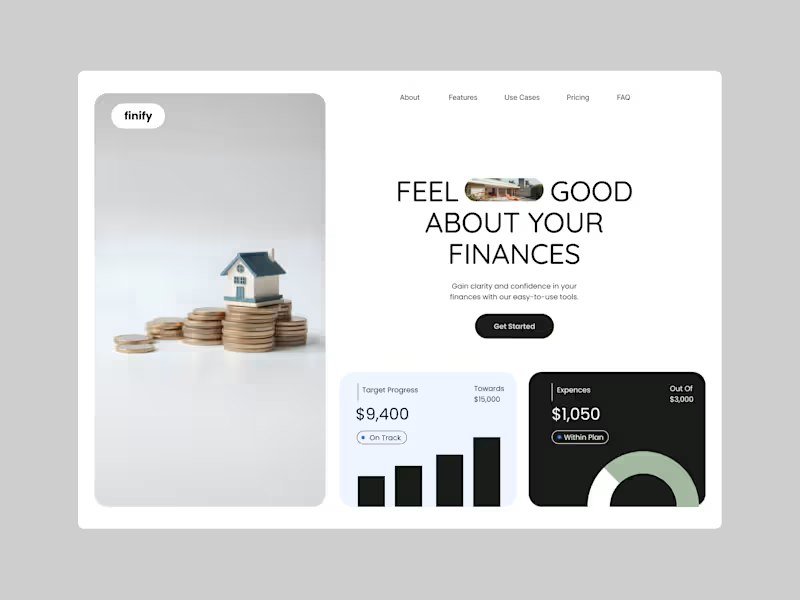
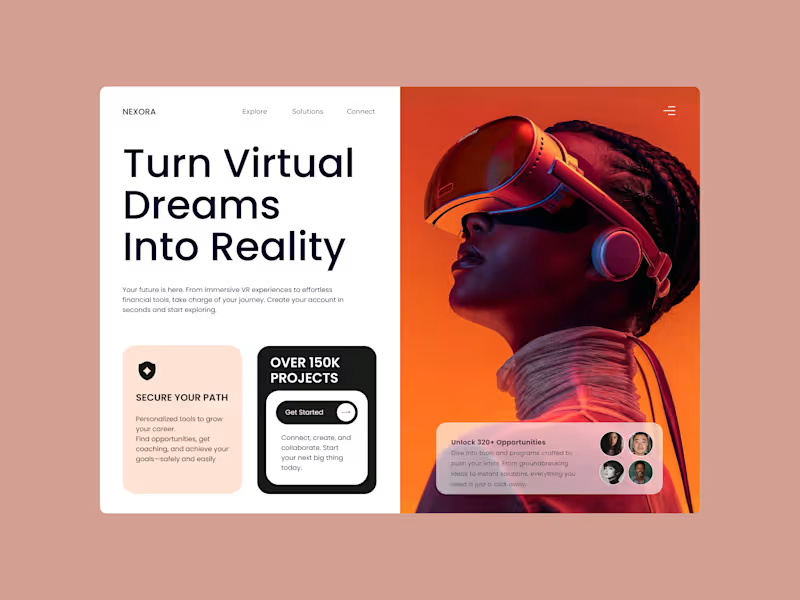
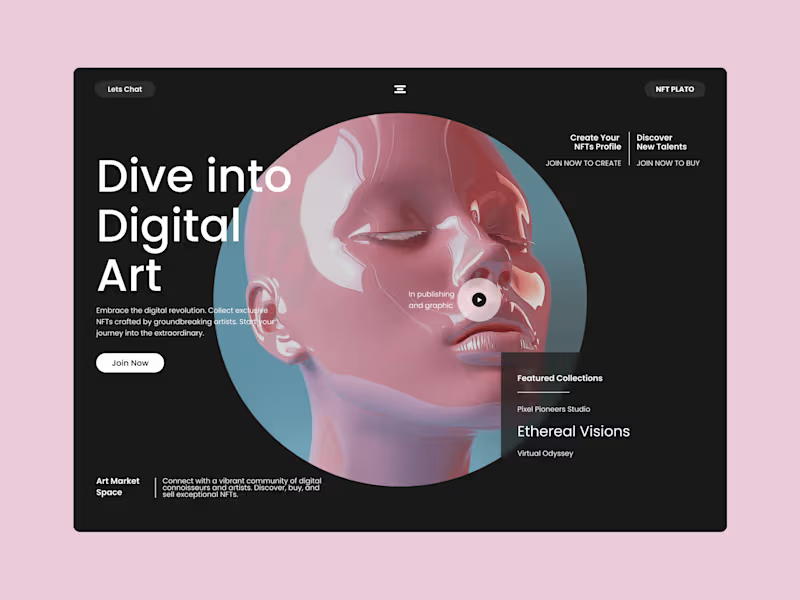
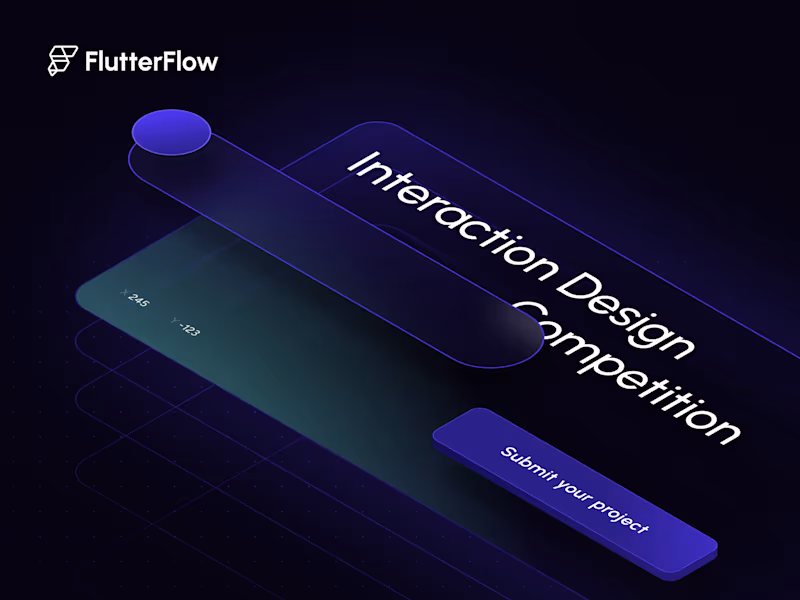
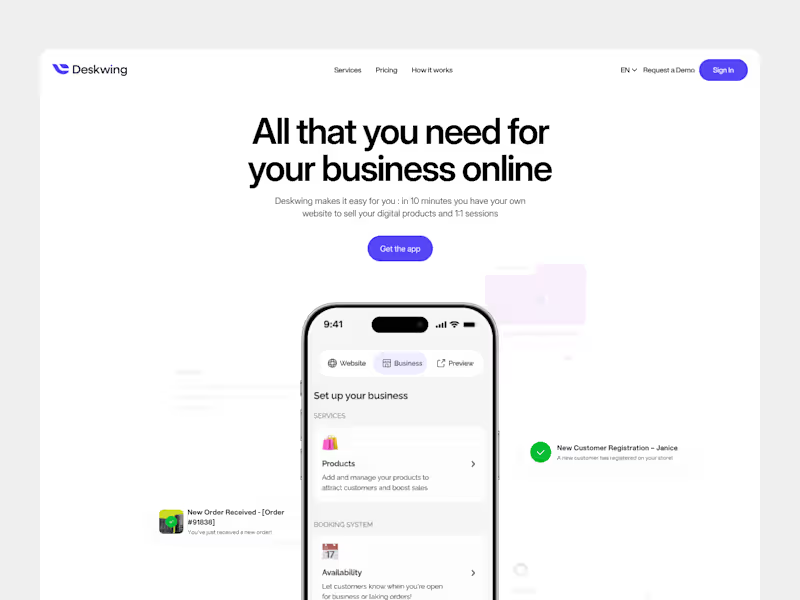
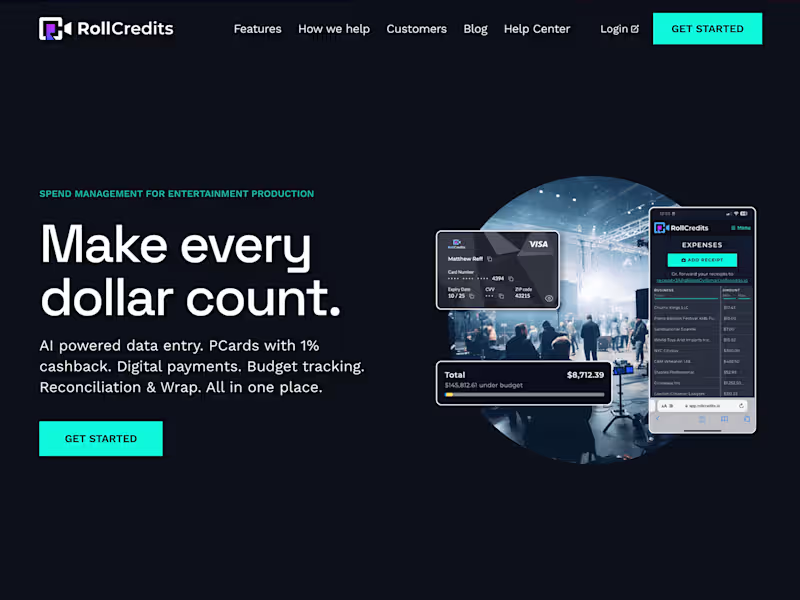
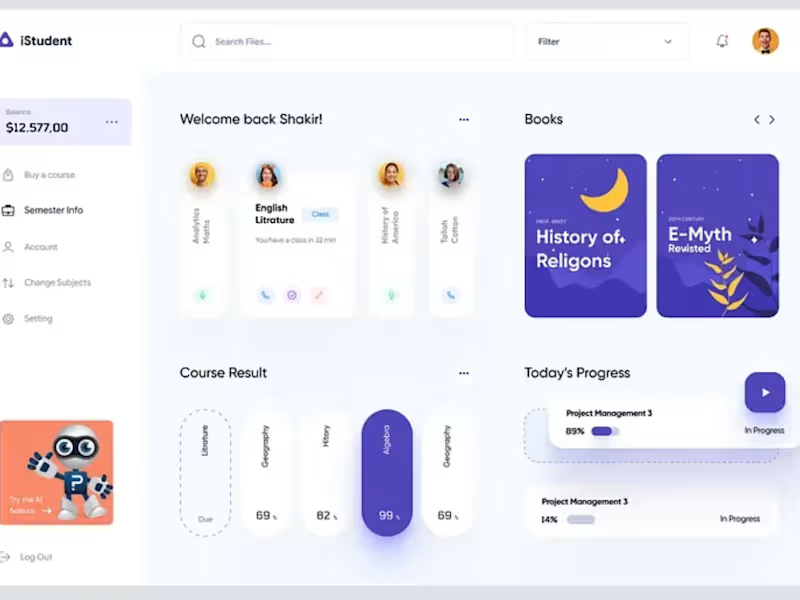
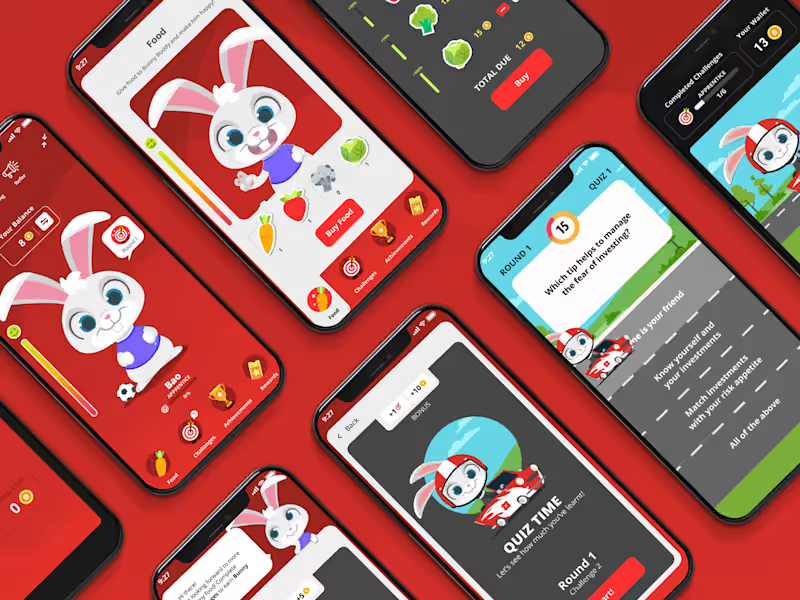
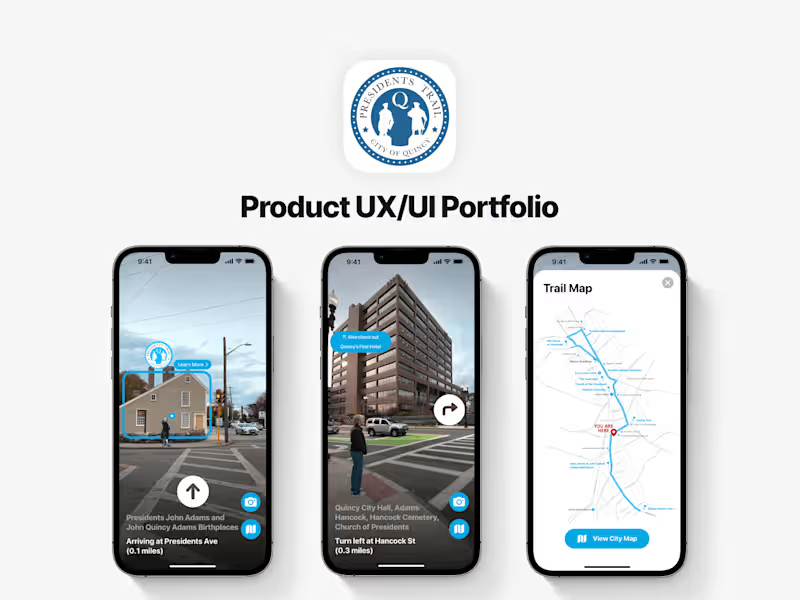
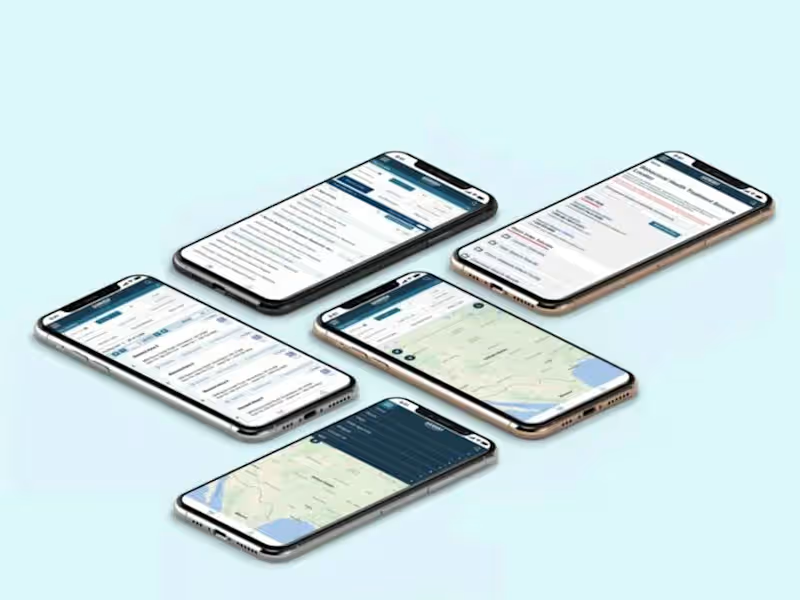
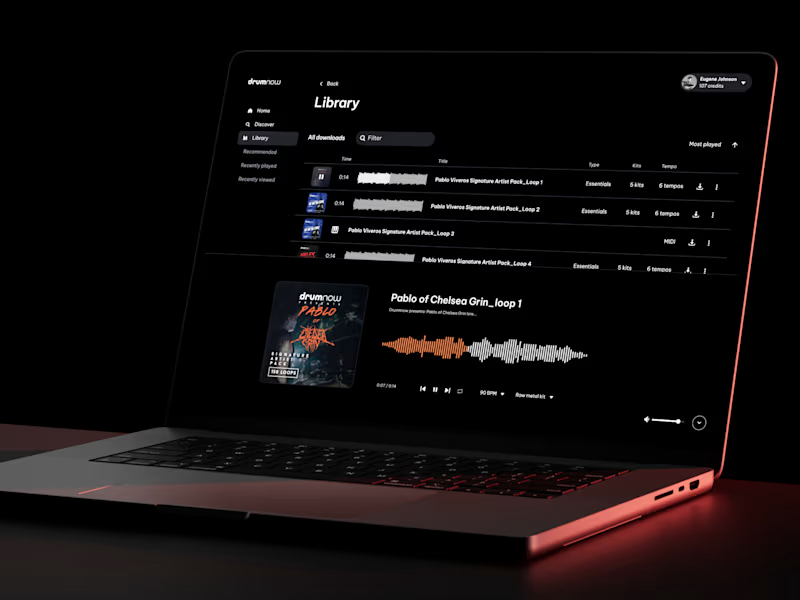
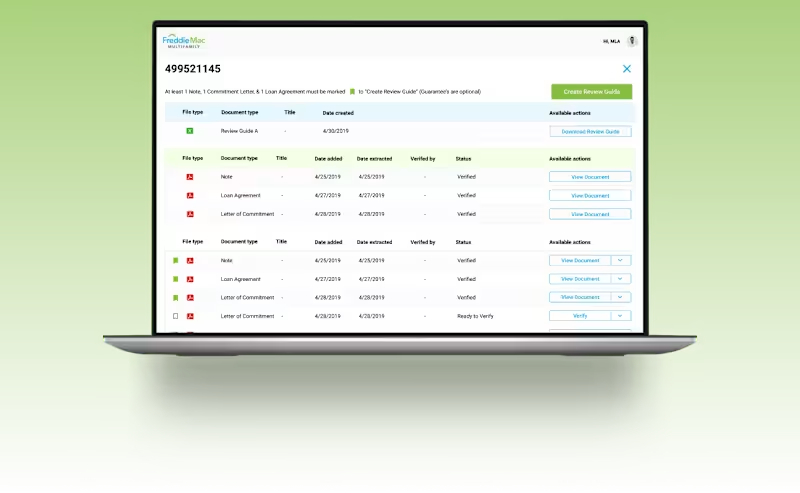
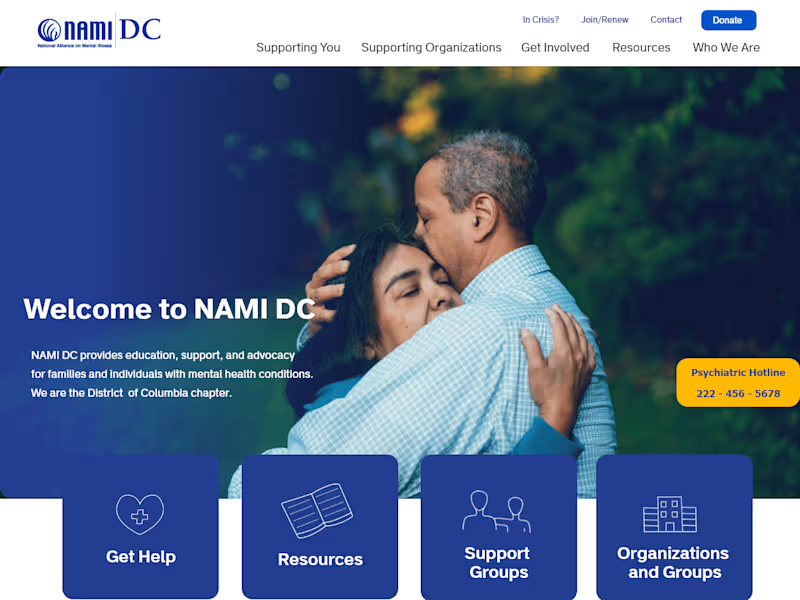
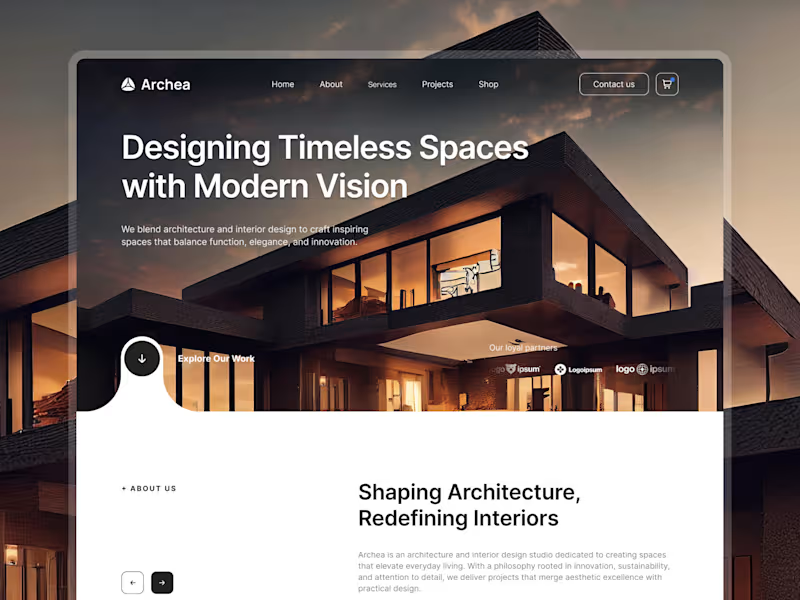
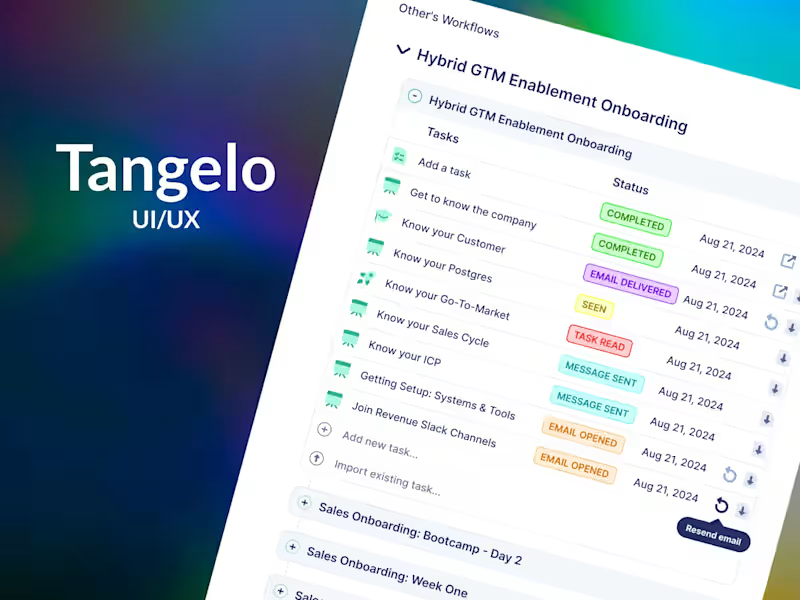
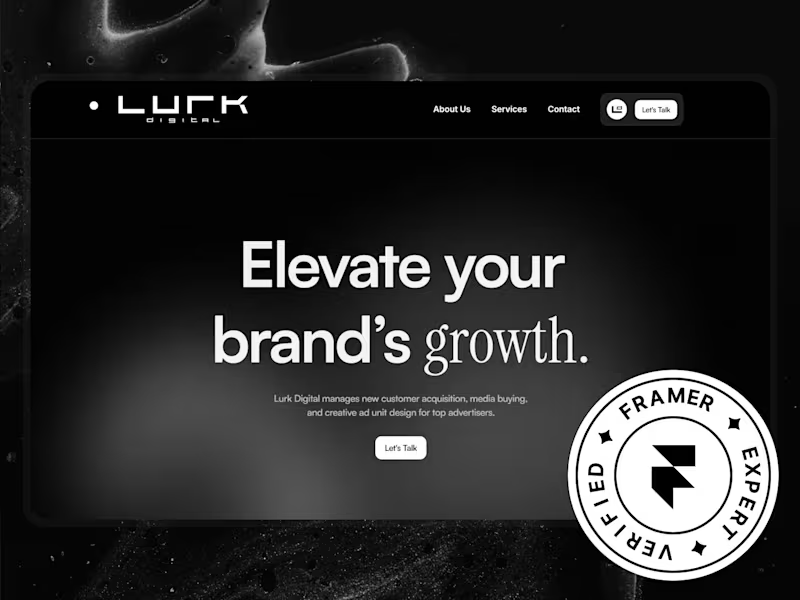
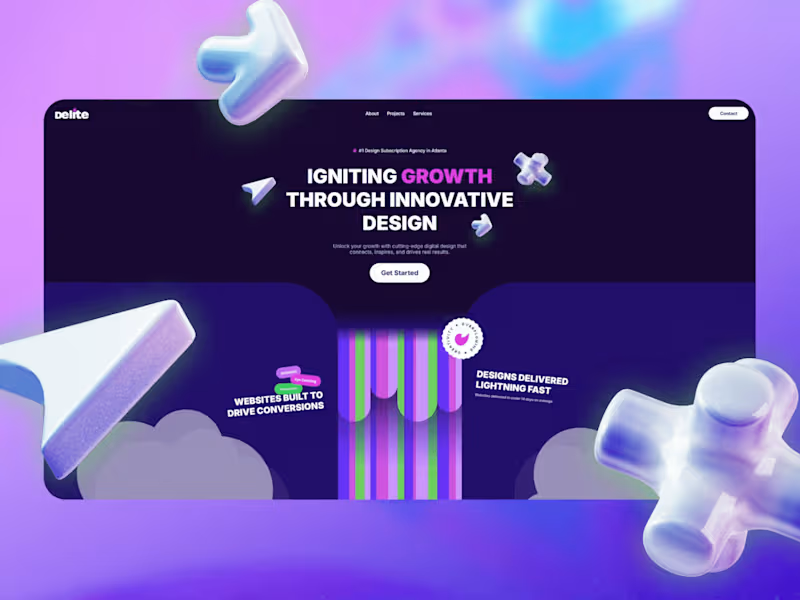
Look for a diverse range of projects in the designer's portfolio. This shows they can handle different styles and challenges. Make sure their work includes examples of both web and mobile interfaces, if that’s what you need. Check if their designs focus on user experience, not just attractiveness. Look for projects that show problem-solving skills. This will ensure they can create user-friendly designs.
How can I ensure the UI designer understands my project requirements?
Start by sharing a detailed project brief. Include goals, target audience, and any existing brand guidelines. Have a kickoff call to discuss these details and answer any questions. Make sure the designer can explain back the project requirements in their words. This helps confirm they understand your needs.
How should I determine the ideal timeline for a UI design project?
Discuss the project scope with the designer. Ask for their input on how long each part might take. Include time for revisions in your timeline. Factor in any dependencies or waiting times, like feedback from other team members. This will help create a realistic timeline that works for both you and the designer.
What deliverables should I expect from a freelance UI designer?
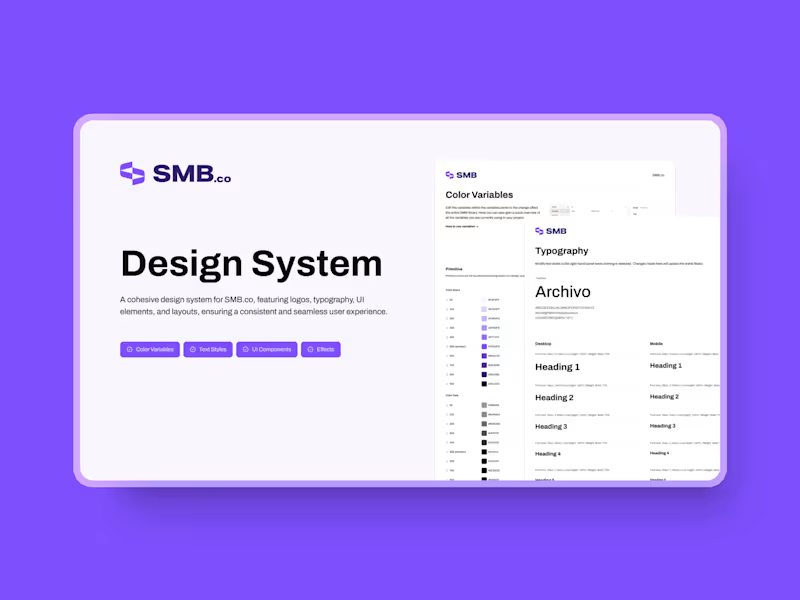
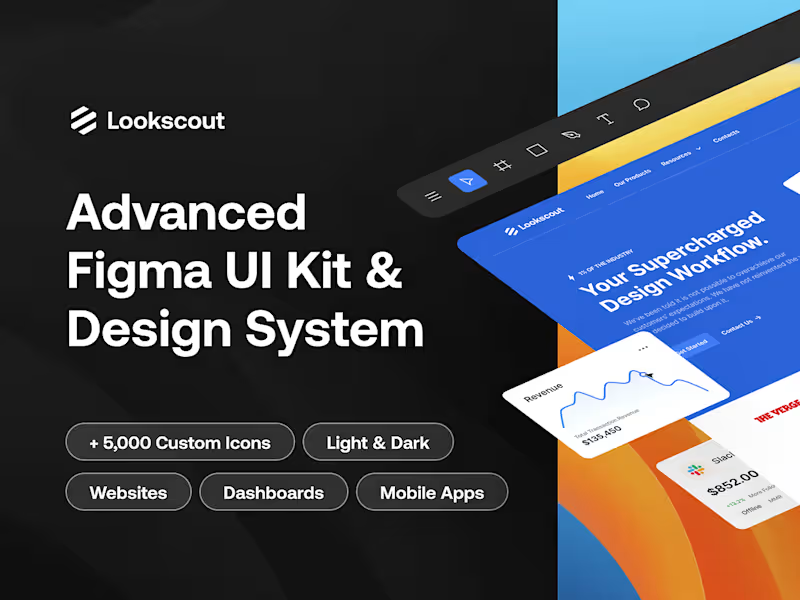
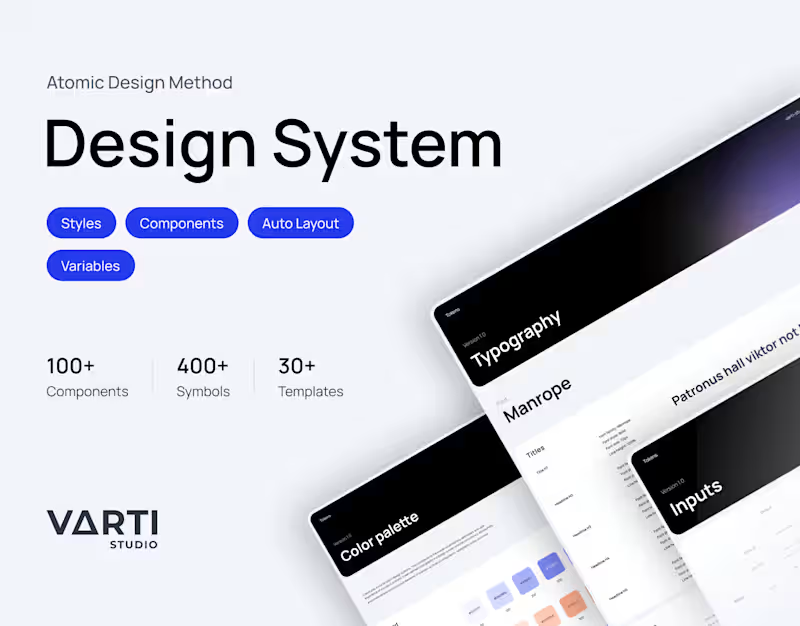
Expect to receive wireframes, design mockups, and finalized UI designs. These should be in a format that's useful for developers. Make sure the deliverables include style guides or design systems. These help maintain consistency in your product's design. Clear deliverables help keep the project on track and organized.
How can I effectively communicate feedback to a UI designer?
Use clear and specific language. Point out exactly what works and what doesn't. Annotate designs directly if possible. Focus on the problem, not the solution, to let the designer use their creativity. Respectful and constructive feedback helps build a positive working relationship.
What are the initial steps to start a project successfully with a UI designer?
Begin with a detailed project kickoff. Include a discussion of project goals and timelines. Agree on communication tools and frequency of updates. Provide all necessary materials like brand guidelines and user personas. Starting with clear expectations sets the stage for successful collaboration.
Why is user research important before starting UI design?
User research helps understand the target audience's needs and behaviors. It guides the design process and ensures the design is user-friendly. Share any existing research with the designer. If you don't have it, consider having the designer conduct some. This groundwork ensures the UI design meets user expectations.
What role do user personas play in UI design?
User personas represent your typical users. They guide the designer in creating relatable and effective interfaces. Share detailed personas with your designer. Include information like goals, needs, and behaviors. This helps the designer craft a UI that resonates with your audience.
How do project milestones help in a UI design project?
Milestones break the project into manageable phases. They help track progress and deadlines. Work with your designer to set clear milestones. Each achieved milestone should bring a review phase. This helps ensure the project stays on track and meets all goals.
What should be included in a UI design agreement?
Include project scope, timelines, and deliverables in the agreement. Make sure it covers intellectual property rights. Add confidentiality clauses if needed. Agree on the process for revisions and feedback. A clear agreement sets expectations and protects both parties.
Who is Contra for?
Contra is designed for both freelancers (referred to as "independents") and clients. Freelancers can showcase their work, connect with clients, and manage projects commission-free. Clients can discover and hire top freelance talent for their projects.
What is the vision of Contra?
Contra aims to revolutionize the world of work by providing an all-in-one platform that empowers freelancers and clients to connect and collaborate seamlessly, eliminating traditional barriers and commission fees.