



















What should I include in the project brief for a freelance logo designer?
A clear and detailed project brief helps designers understand what you need. Include your company name, the industry you're in, and your brand vision. Mention any preferred colors or styles. Explain your target audience and what message you want the logo to convey. This guide will help the designer create something that matches your needs.
How do I evaluate a freelance logo designer's portfolio?
Review the designer's past work to see if their style fits your brand. Look for logos similar to what you have in mind. Check how creative their designs are and if they have worked with brands like yours. Ensure their work looks professional and clean. Viewing their portfolio will help you decide if they can meet your design needs.
What is the importance of setting clear project timelines with a logo designer?
Setting a timeline ensures everyone knows what needs to be done and by when. It helps keep the project on track and avoids delays. Clear deadlines let the designer plan their work and deliver on time. Timelines are important for managing expectations and ensuring the project runs smoothly.
Why should I ask a freelance logo designer about their design process?
Understanding their design process helps you know what to expect. It shows how they plan to create your logo, from sketching to final delivery. A clear process indicates professionalism and efficiency. This knowledge will make you feel confident that the designer can produce high-quality work.
How can I ensure the freelance logo designer understands my brand?
Share detailed information about your brand values and mission. Provide examples of logos you like and explain why they appeal to you. Use mood boards or inspiration boards to visualize your ideas. Open communication helps the designer grasp your brand's essence and create a fitting logo.
What should I know about the file formats delivered by logo designers?
Different file formats serve different purposes. Ensure you get vector files for resizing without losing quality. Ask for common formats like PNG and JPEG for versatile use. Understanding these formats prepares you for using your logo in various settings, like websites and print materials.
Can I ask to see rough drafts or sketches from the logo designer?
Yes, seeing drafts helps you check if the design is heading in the right direction. Provide feedback on rough sketches to guide the designer. This process ensures the final logo matches your vision. Regular updates keep communication open and refine the logo design effectively.
Why is determining the scope of revisions important when working with a logo designer?
Agreeing on revisions prevents misunderstandings later. Decide how many changes you can request without extra cost. This helps manage your budget and ensures the design meets your expectations. Clear revision terms keep the process simple and focused on producing the best logo.
What should I prepare for the first meeting with a freelance logo designer?
Bring your project brief and any inspiration materials. Have a list of essential details to discuss, like timelines and deliverables. Decide on the basics of your business and what you want from the logo. Being prepared helps the designer understand your needs right from the start.
How do mood boards help in communicating ideas to a logo designer?
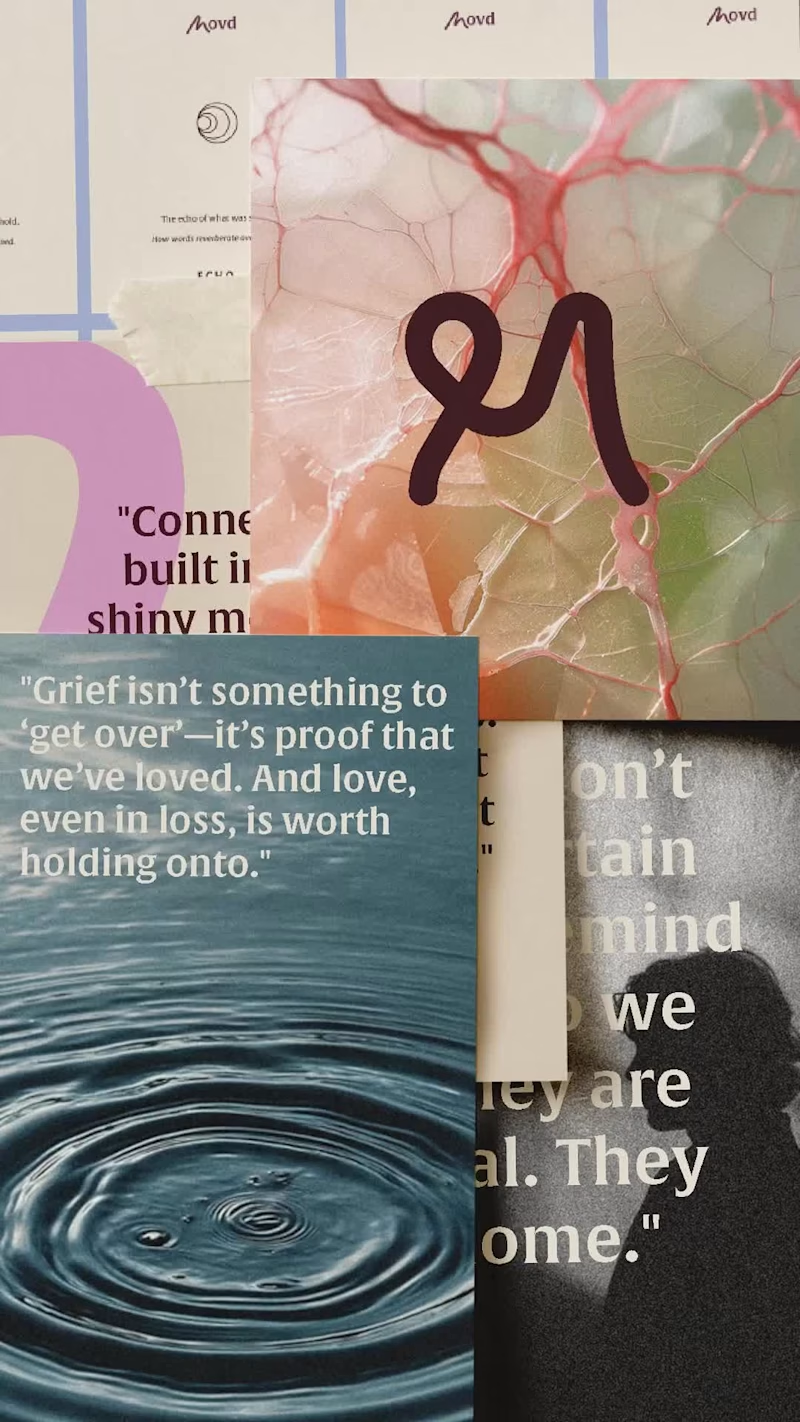
Mood boards are visual tools to express your brand aesthetic. They include colors, textures, and images that reflect your brand's personality. Sharing mood boards helps clarify your preferences. Designers use them to craft logos that align closely with your brand vision.
Who is Contra for?
Contra is designed for both freelancers (referred to as "independents") and clients. Freelancers can showcase their work, connect with clients, and manage projects commission-free. Clients can discover and hire top freelance talent for their projects.
What is the vision of Contra?
Contra aims to revolutionize the world of work by providing an all-in-one platform that empowers freelancers and clients to connect and collaborate seamlessly, eliminating traditional barriers and commission fees.