























What skills should I look for when hiring an editorial designer?
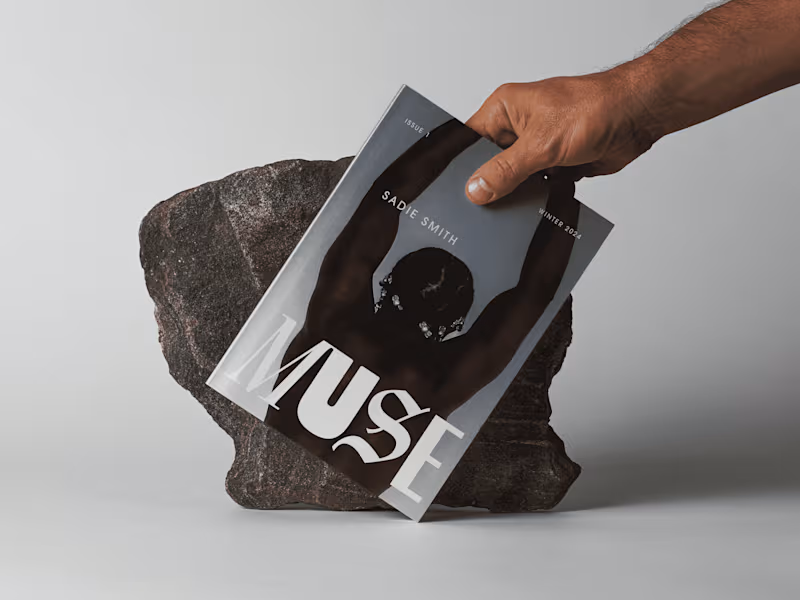
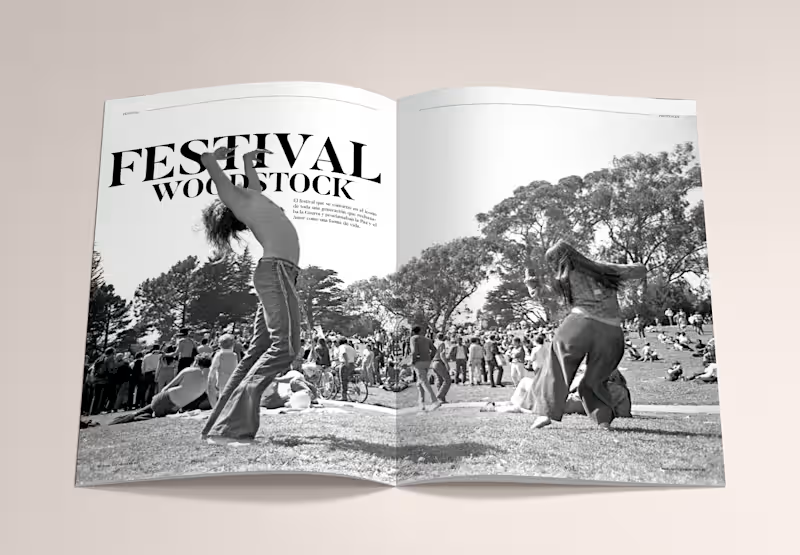
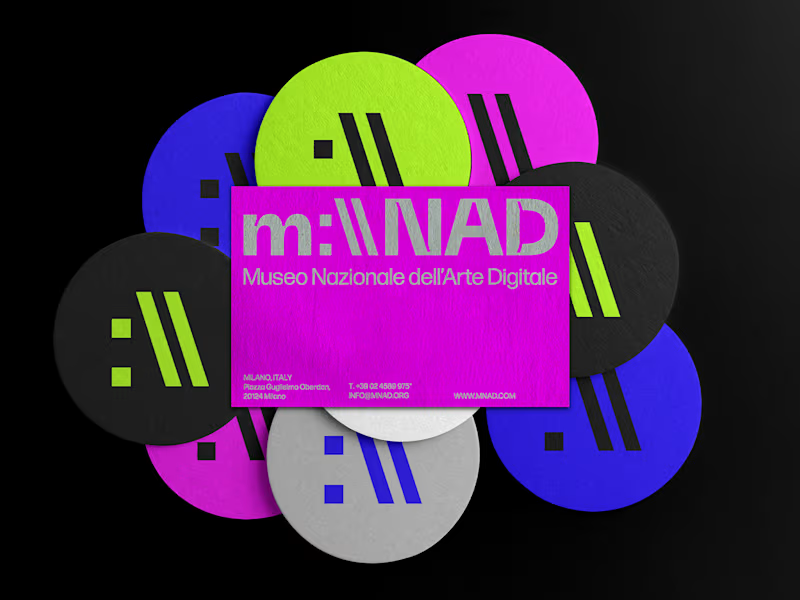
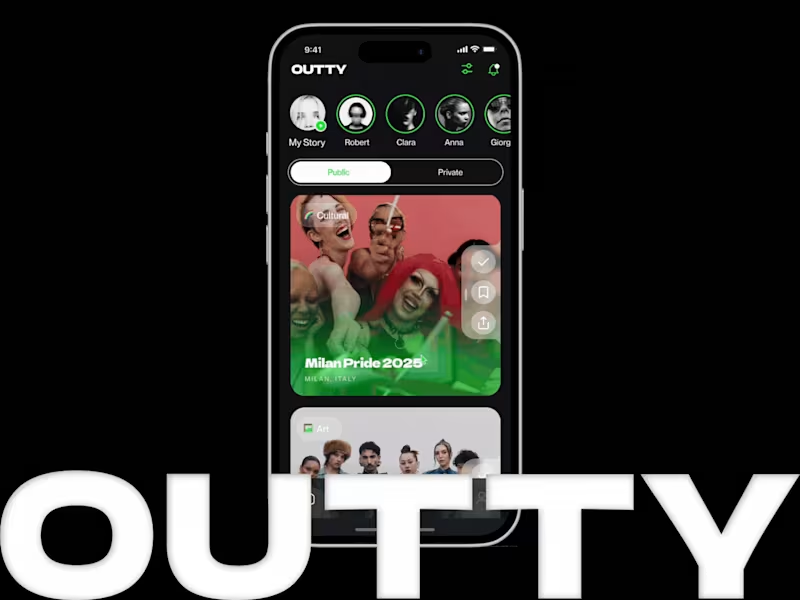
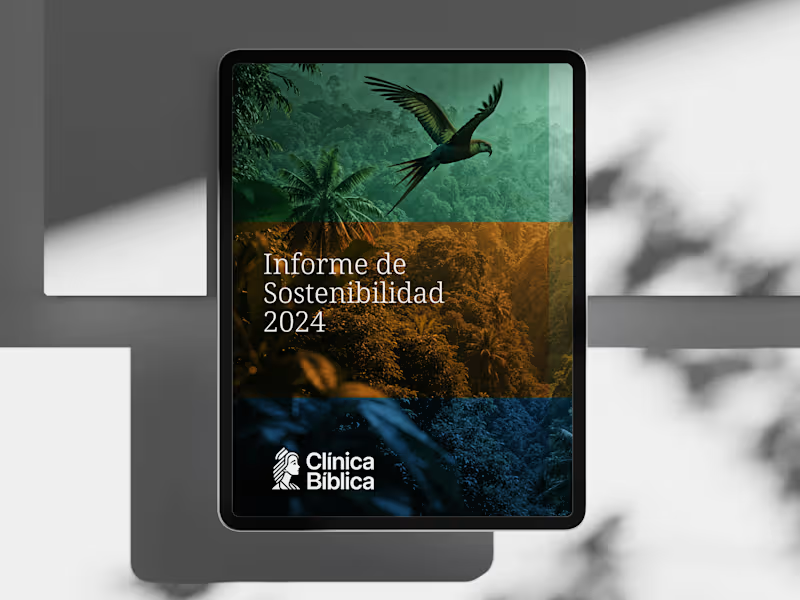
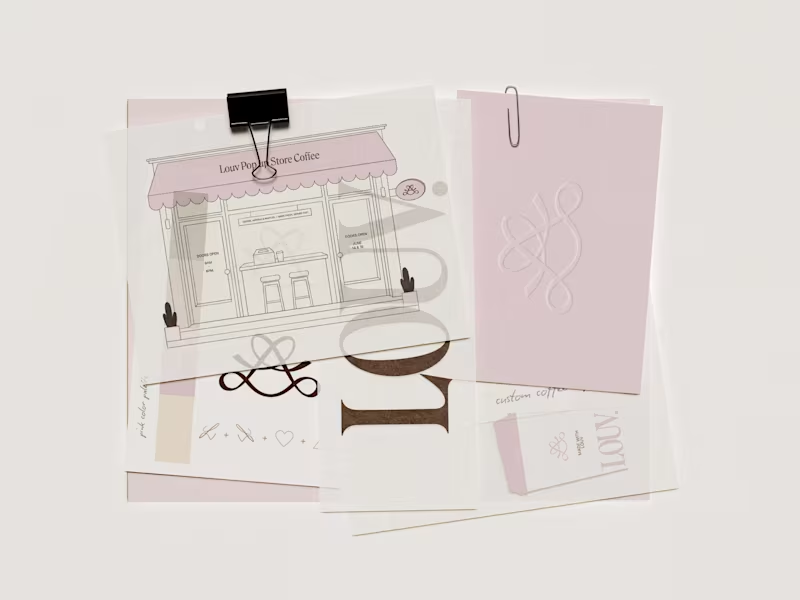
When hiring an editorial designer, look for someone who knows both graphic design and layout skills. They should be good at using design software like Adobe InDesign or similar tools. Check if they have experience in typography and visual storytelling. It's essential for them to understand your brand and can bring your content to life. A good portfolio can also show if they match your style.
How can I ensure the designer understands my project needs?
Start by giving a clear brief of your project. Include details like your target audience and the purpose of your publication. Share examples of designs you like and explain why they appeal to you. Schedule a meeting to discuss your ideas and listen to how the designer plans to execute them. This helps both you and the designer to stay on the same page.
What is the best way to agree on project deliverables with a designer?
Make a list of all the things you want your designer to deliver. Discuss each item and agree on what success looks like for the project. Set timelines for each deliverable so both of you know when they should be completed. Be open to the designer's suggestions as they might have ideas that can improve the project. A written agreement can help keep track of everything.
How should I communicate with the editorial designer during the project?
Decide on a communication tool that works best for both of you. It could be email, chat, or video calls. Set regular check-in times to discuss project updates and any questions or changes. Be clear and concise in your messages to avoid confusion. Good communication can help your project run smoothly.
What should be included in the design feedback I give?
Give specific feedback about what you like or don't like in the designs. Talk about colors, fonts, and layout elements in detail. If there is anything you don't understand, ask for clarification. Use positive language and offer solutions or examples to guide the changes. Feedback helps the designer improve the work.
How do I know if a designer's style matches my brand?
Compare the designer's previous work with your brand's style. Look at their use of colors, fonts, and images and see if it suits your vision. A designer familiar with your industry may understand your brand more easily. Ask them to do a small test design to see how well they meet your brand standards. This test can often show if they are the right fit.
When should I review drafts or initial designs with the editorial designer?
Set a timeline that includes specific milestones for reviewing drafts. It's important to see the initial designs early to give feedback. Agree on how many revisions you will need before the final version. Regular reviews help catch issues early and allow time for improvements. This keeps your project moving in the right direction.
What is the best way to document the project progress?
Keep track of completed tasks and deliverables in one place. Use project management tools to record updates and changes. Regularly update a shared document that captures feedback and decisions. Documenting your project helps both you and the designer stay organized. It is also useful if you need to reference any details later.
How can I ensure that my editorial designer sticks to the timeline?
Discuss and agree on a clear timeline before the project starts. Set aside time each week to review progress with the designer. Encourage the designer to inform you in advance if there are any delays. Flexibility is key if there are any valid reasons for falling behind. This way, both you and the designer can adjust plans as needed.
Who is Contra for?
Contra is designed for both freelancers (referred to as "independents") and clients. Freelancers can showcase their work, connect with clients, and manage projects commission-free. Clients can discover and hire top freelance talent for their projects.
What is the vision of Contra?
Contra aims to revolutionize the world of work by providing an all-in-one platform that empowers freelancers and clients to connect and collaborate seamlessly, eliminating traditional barriers and commission fees.