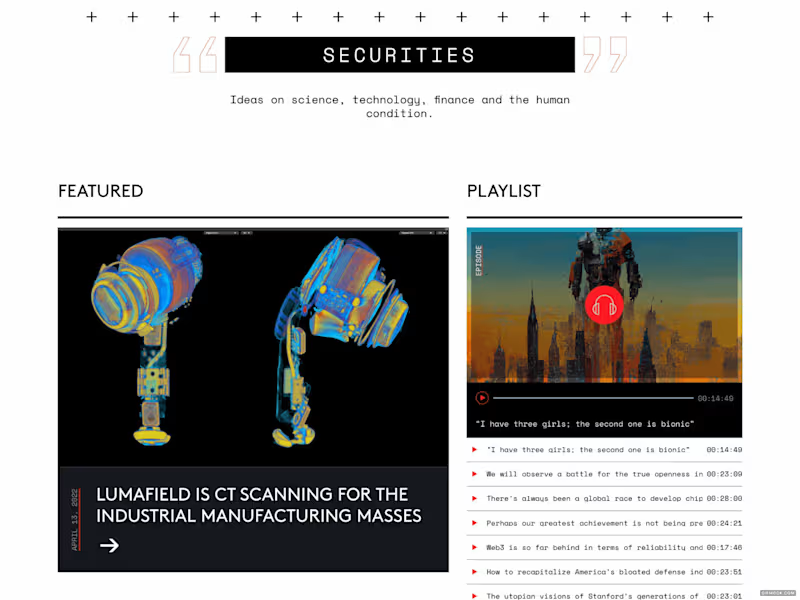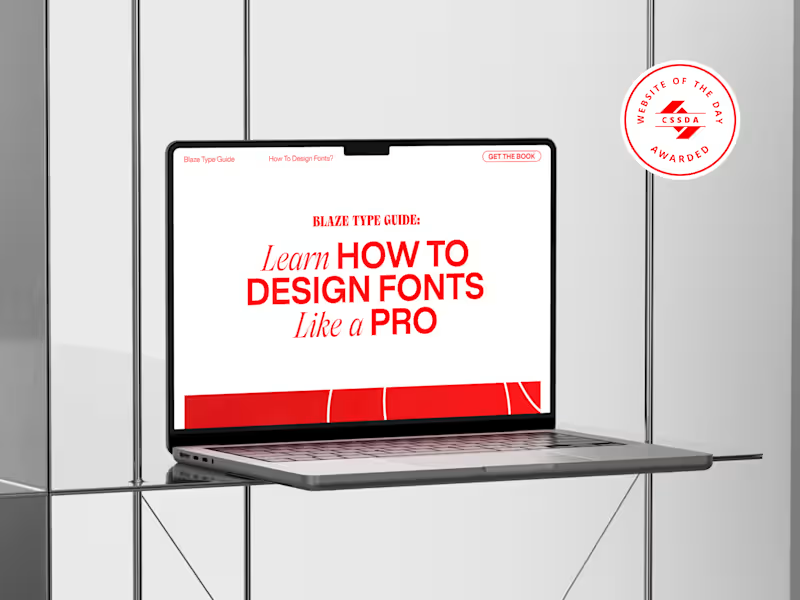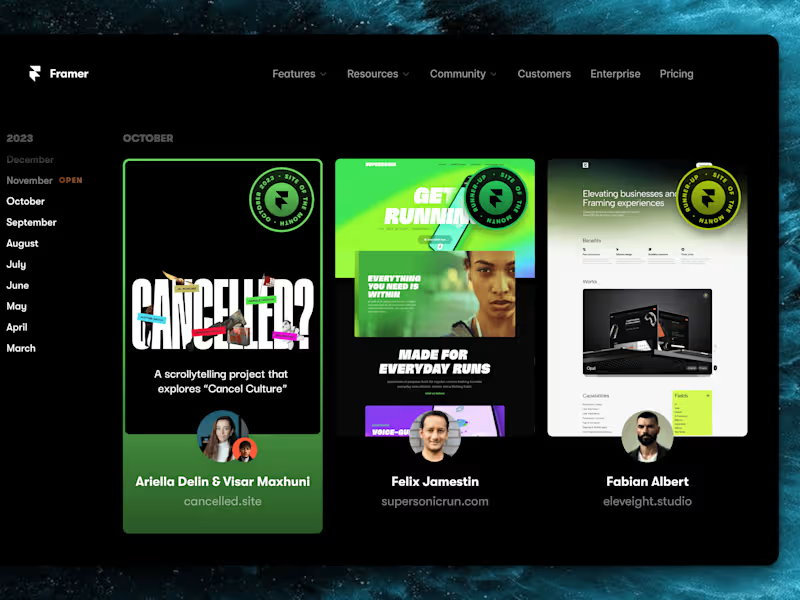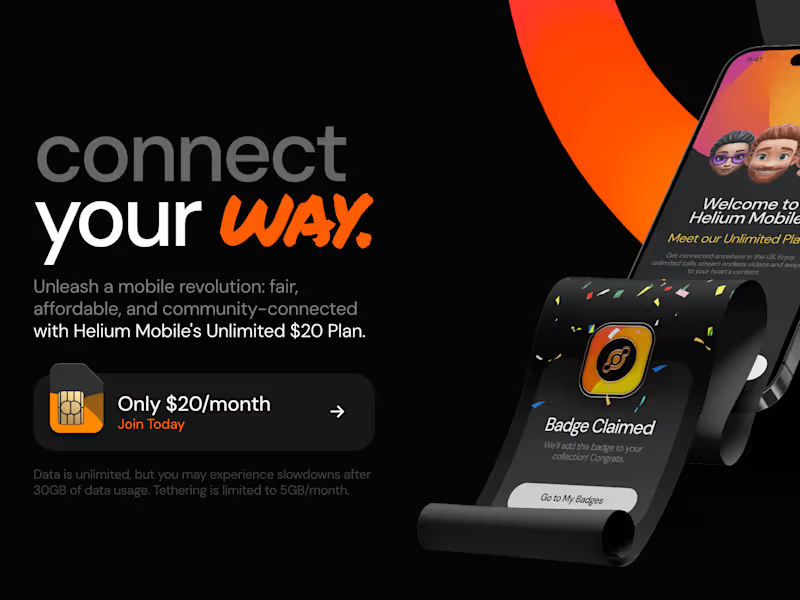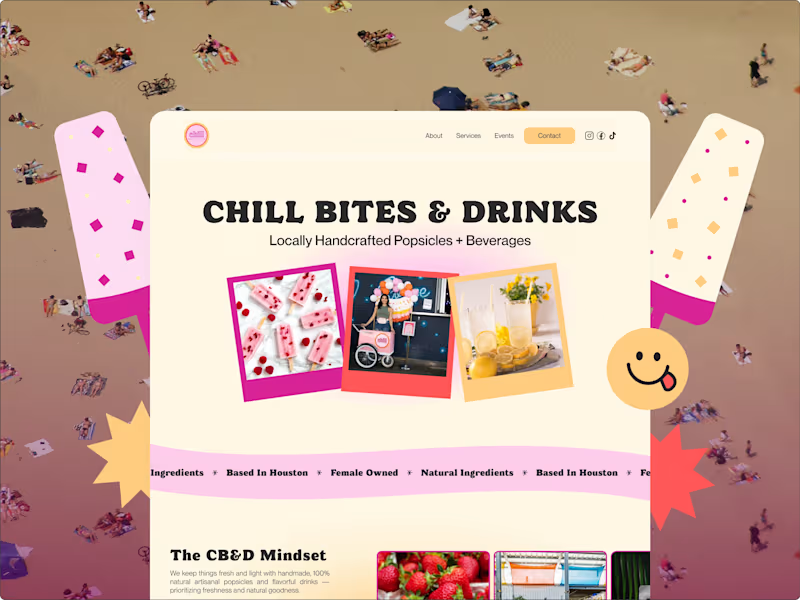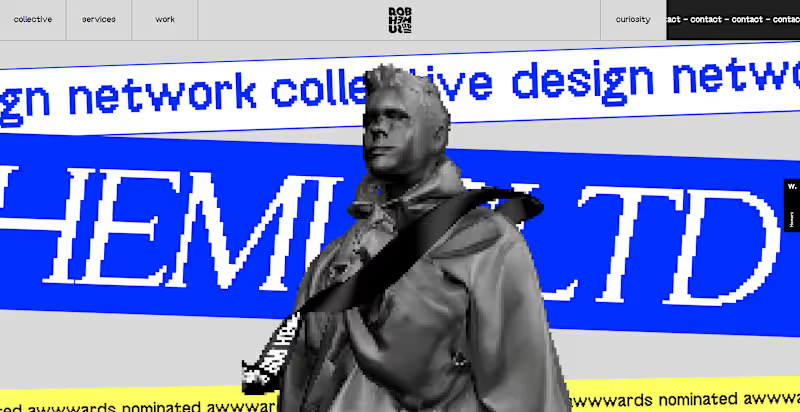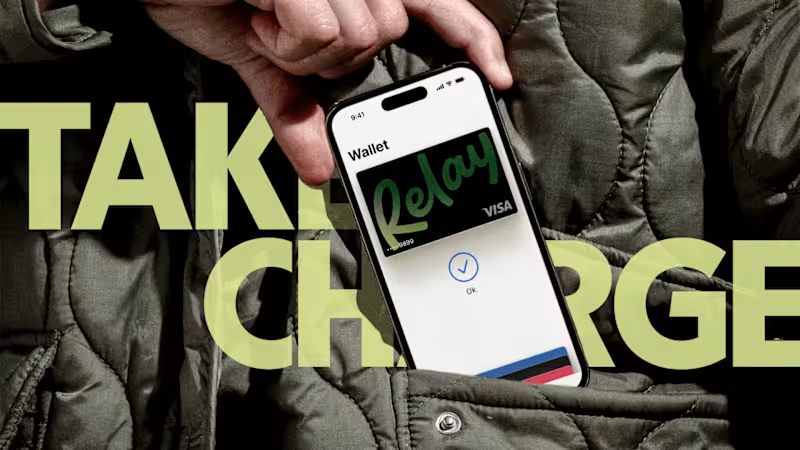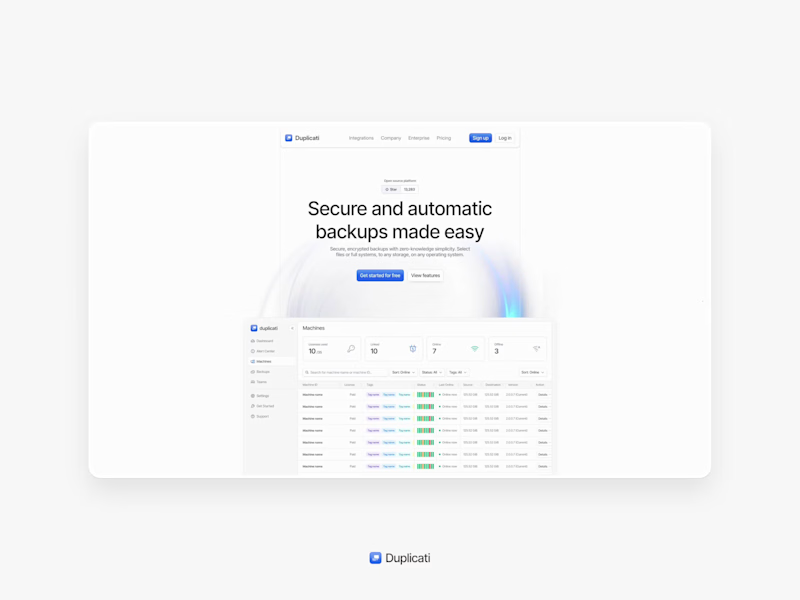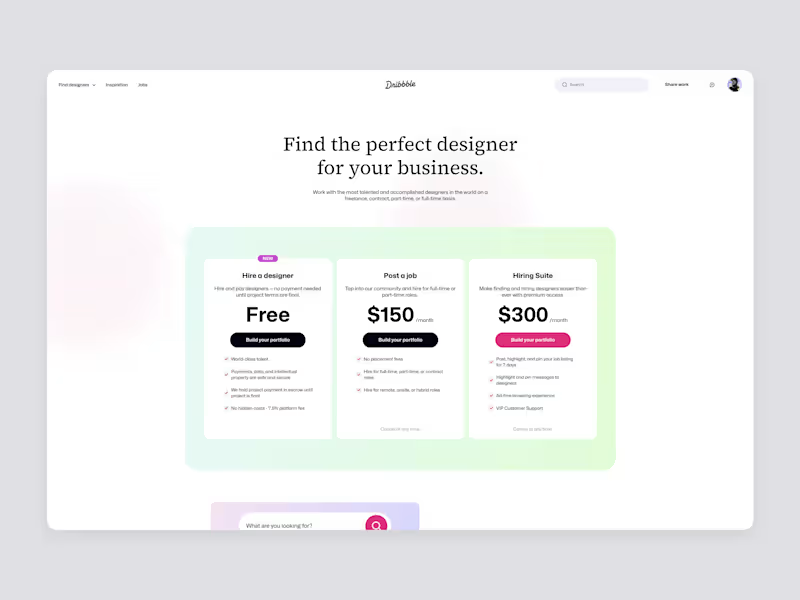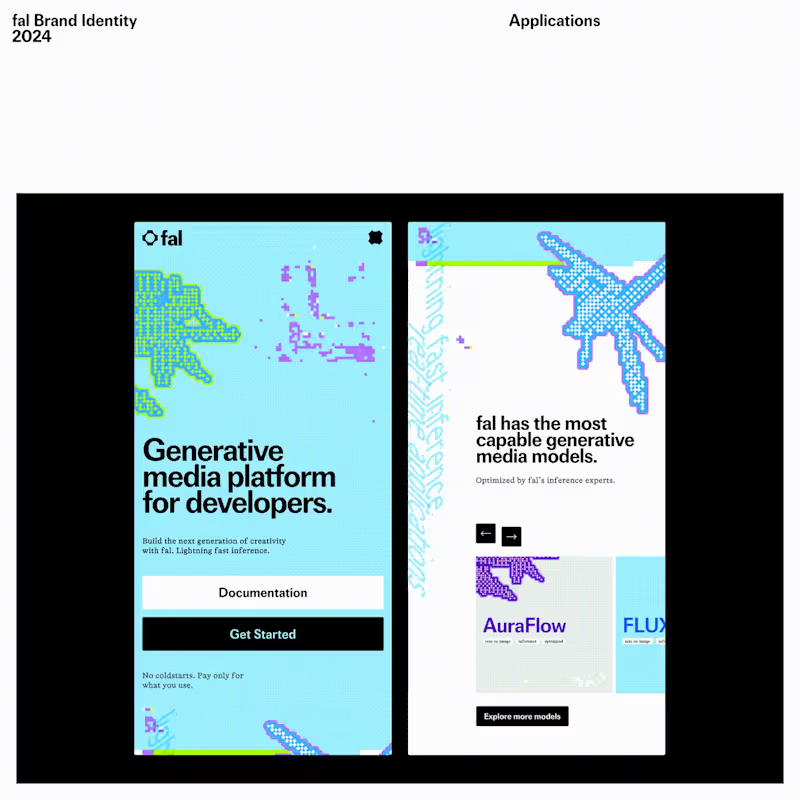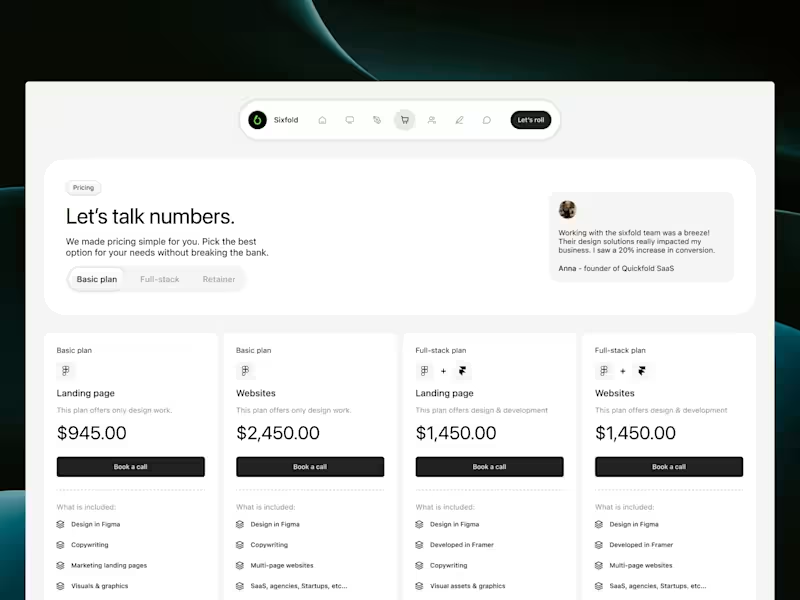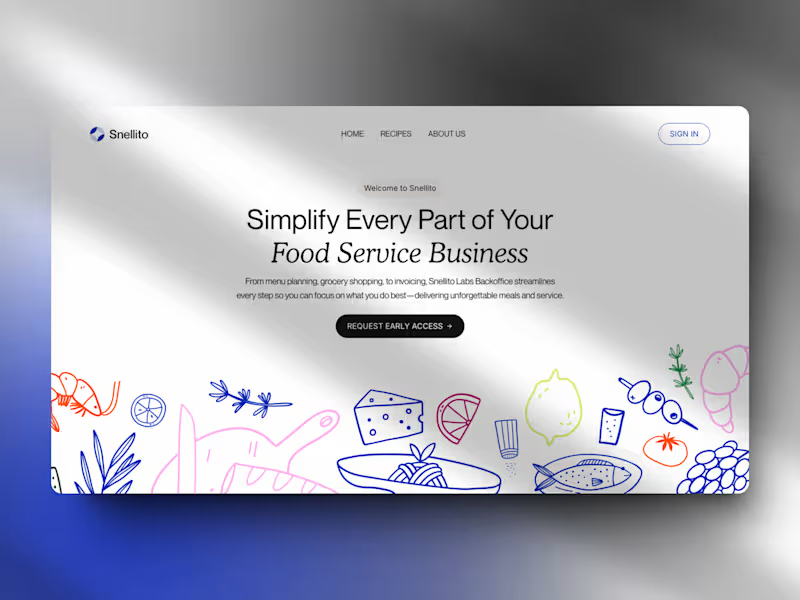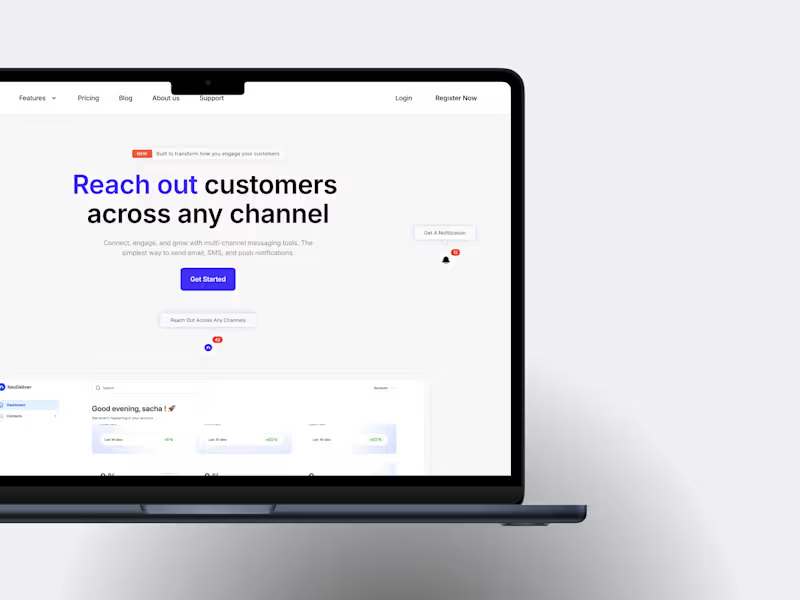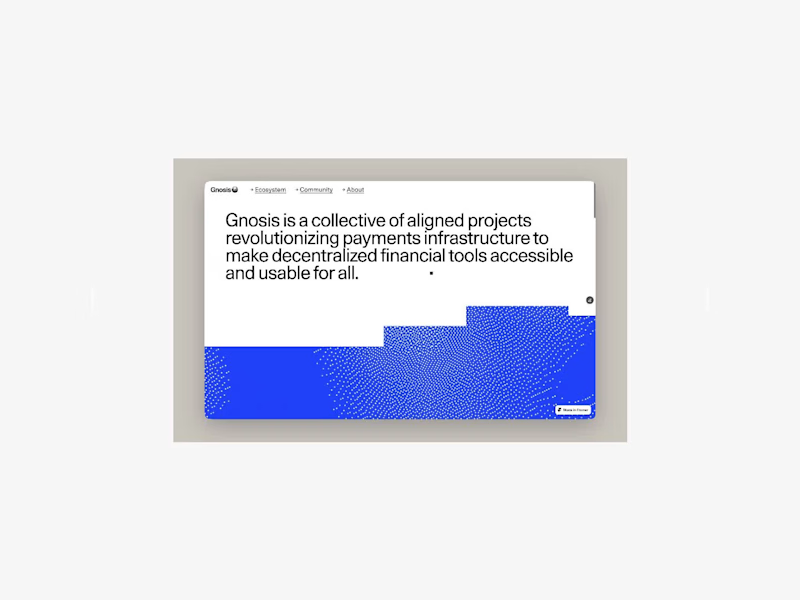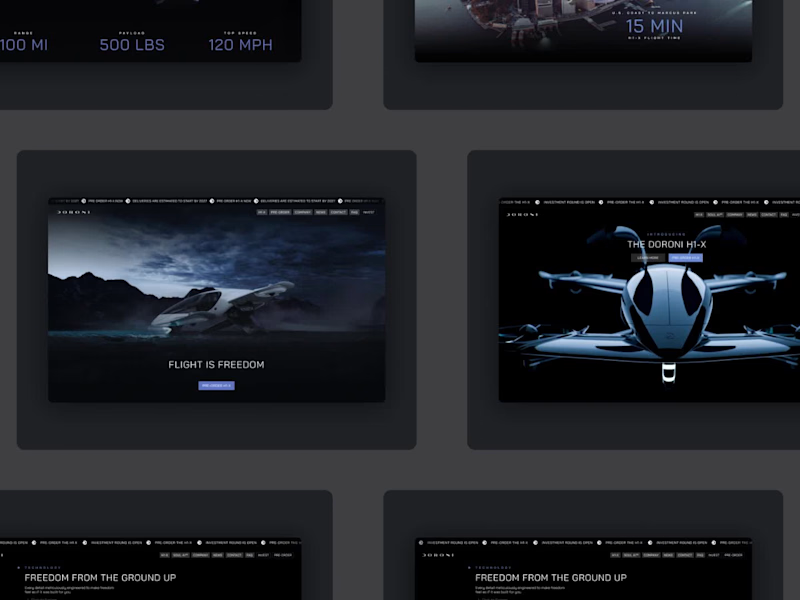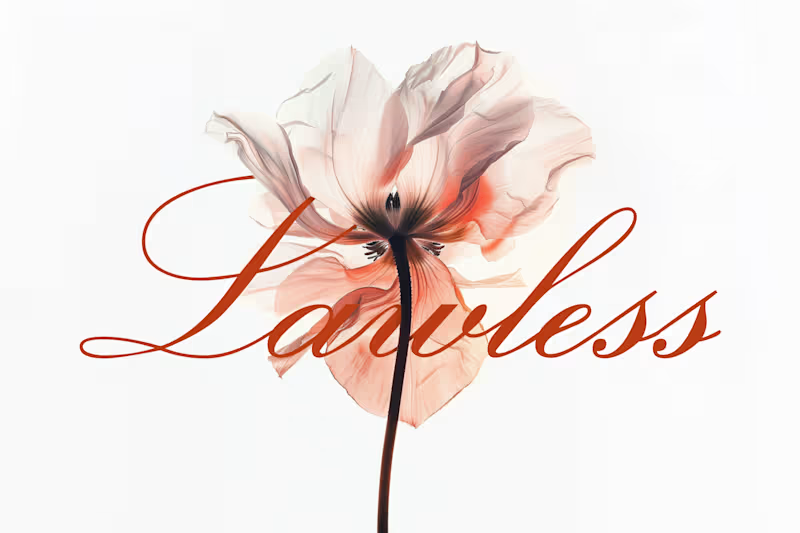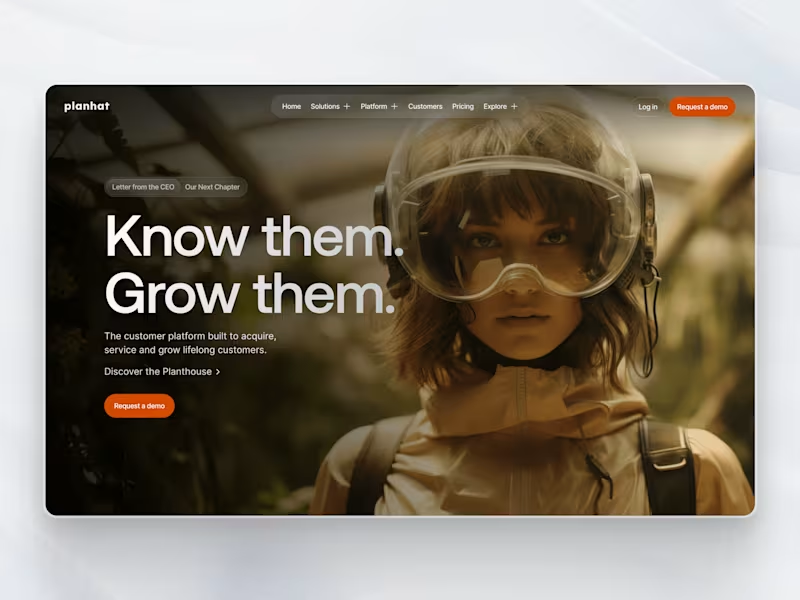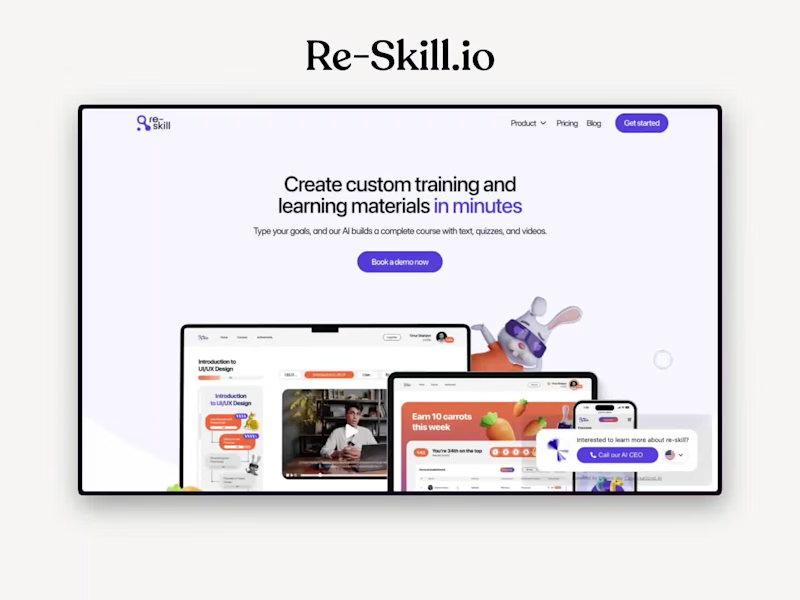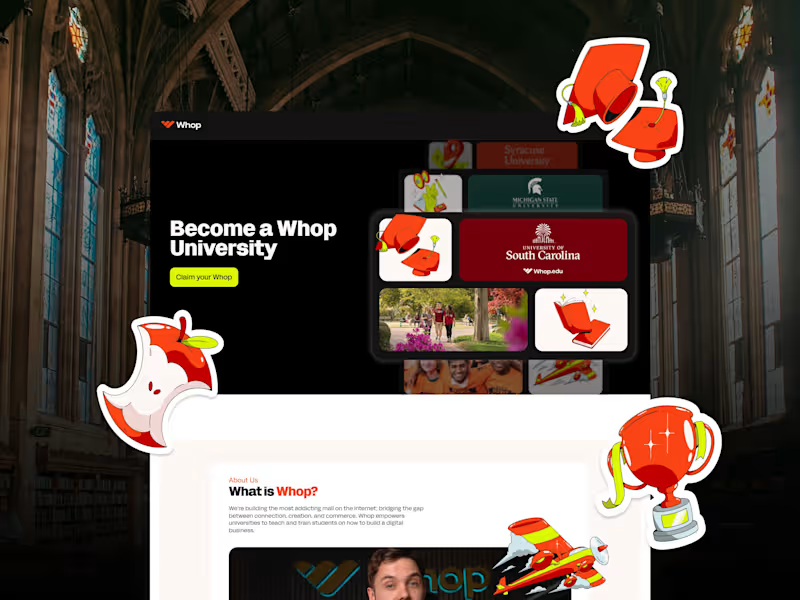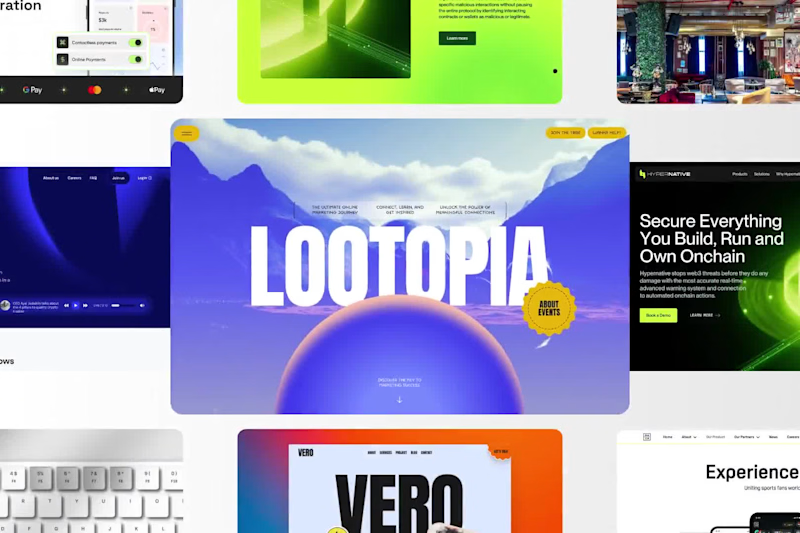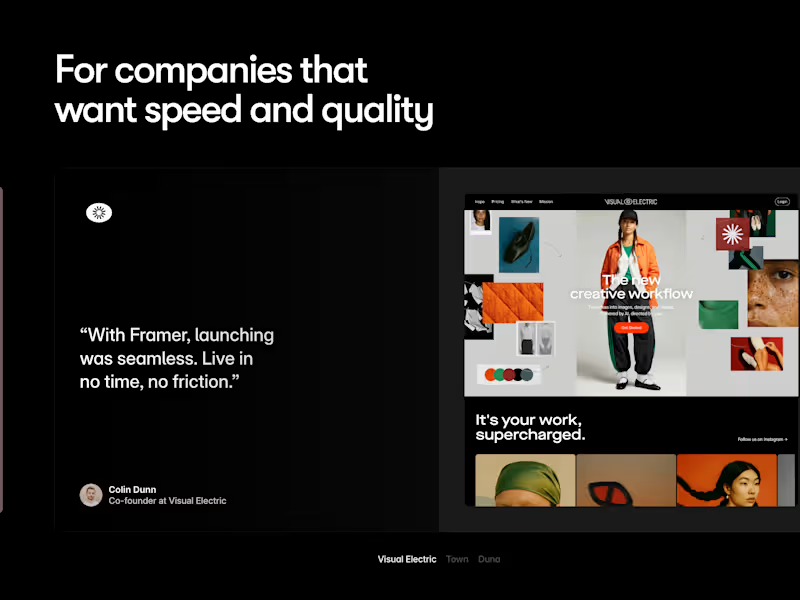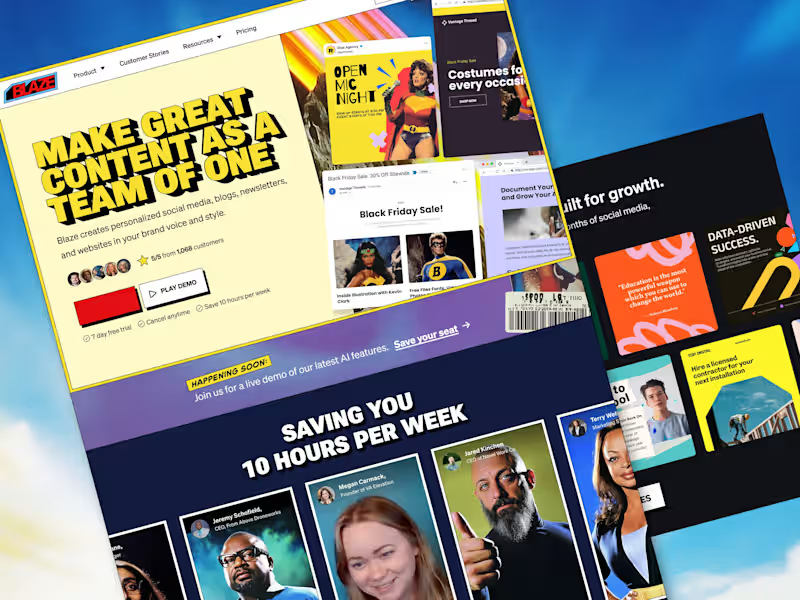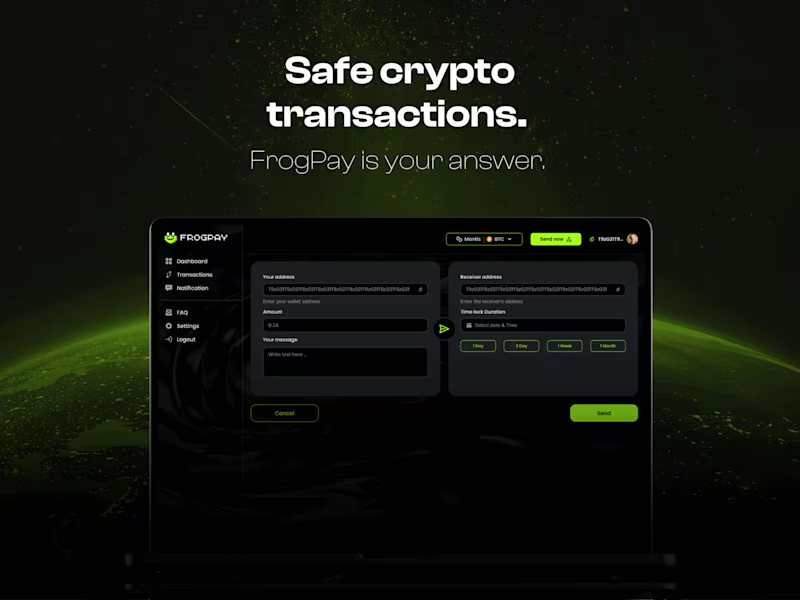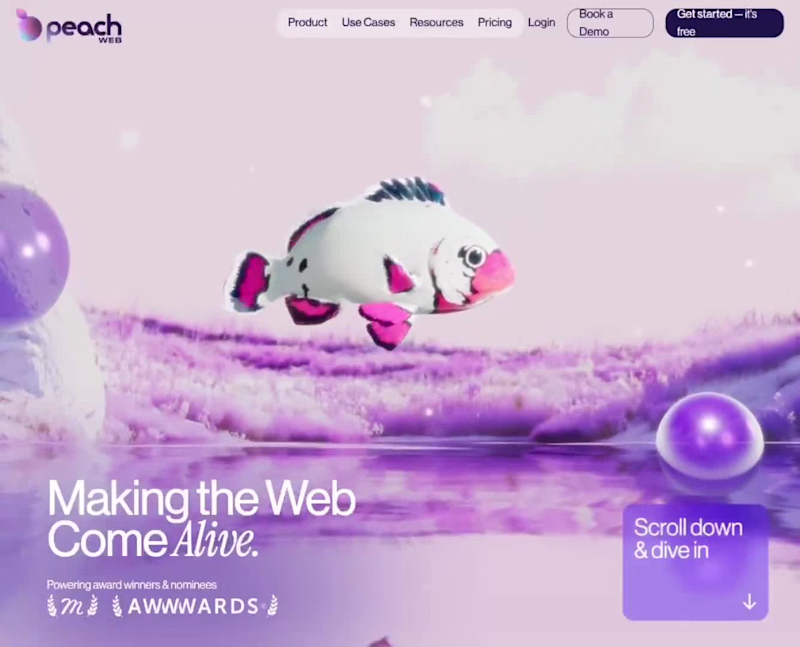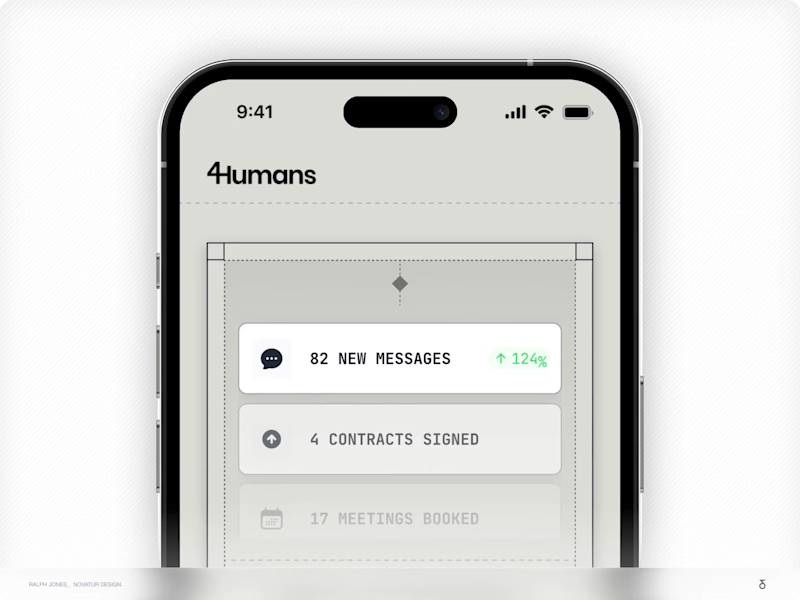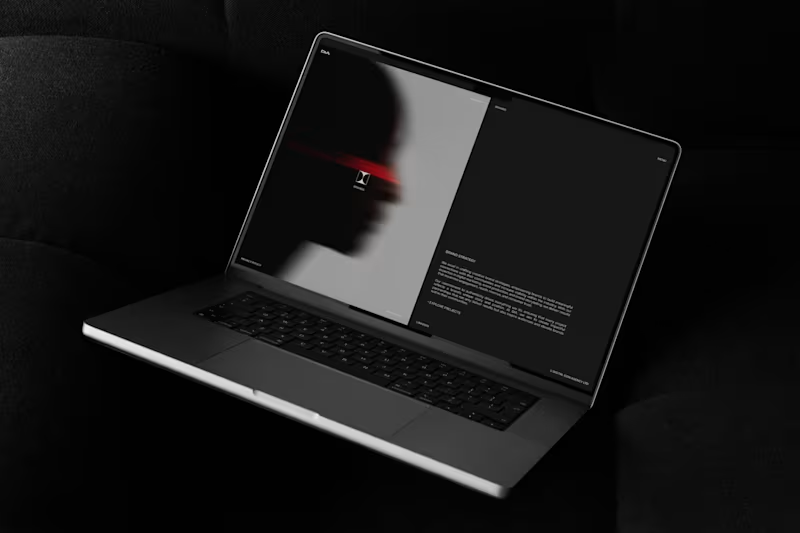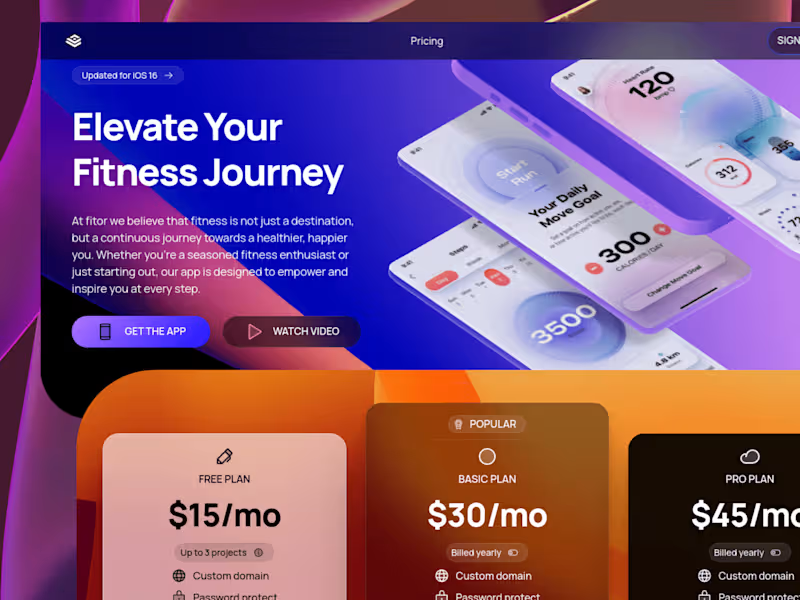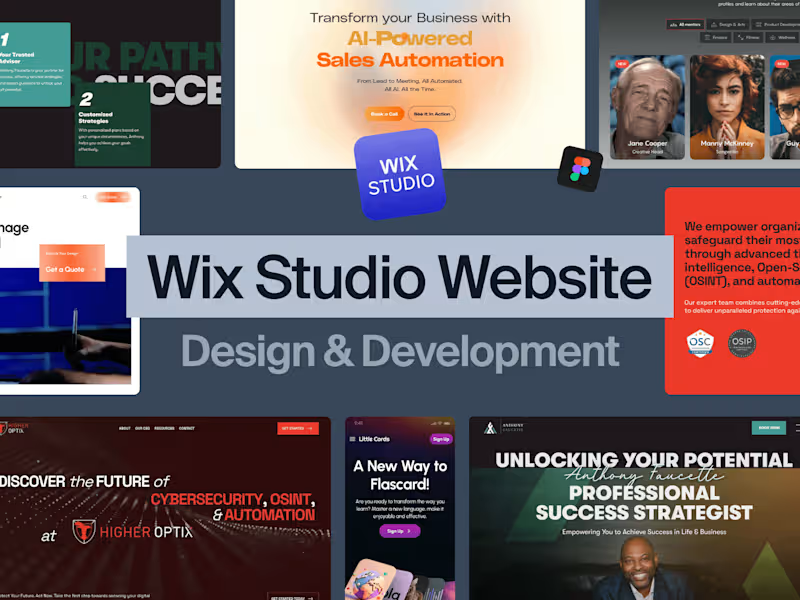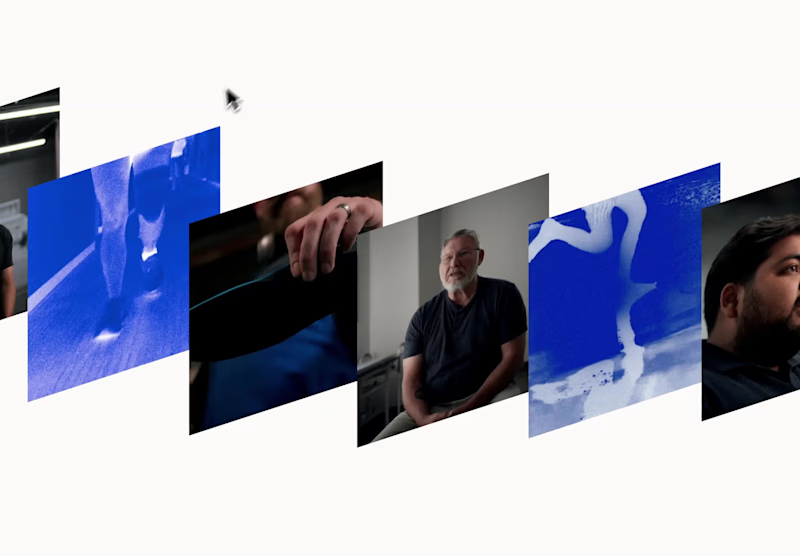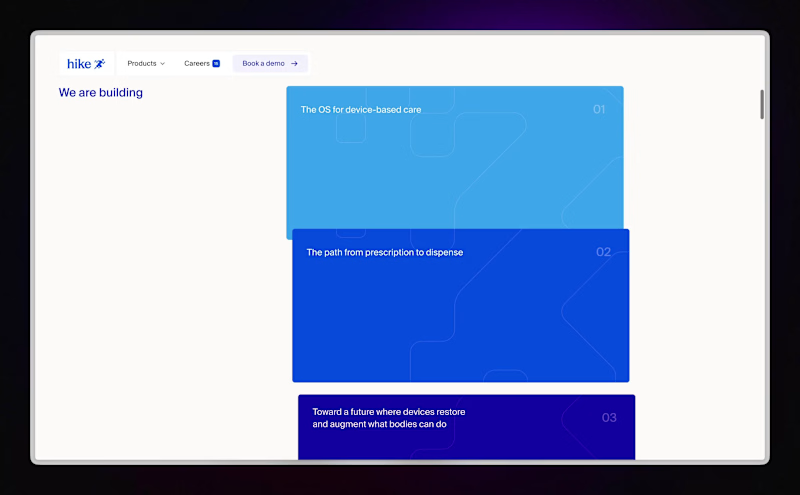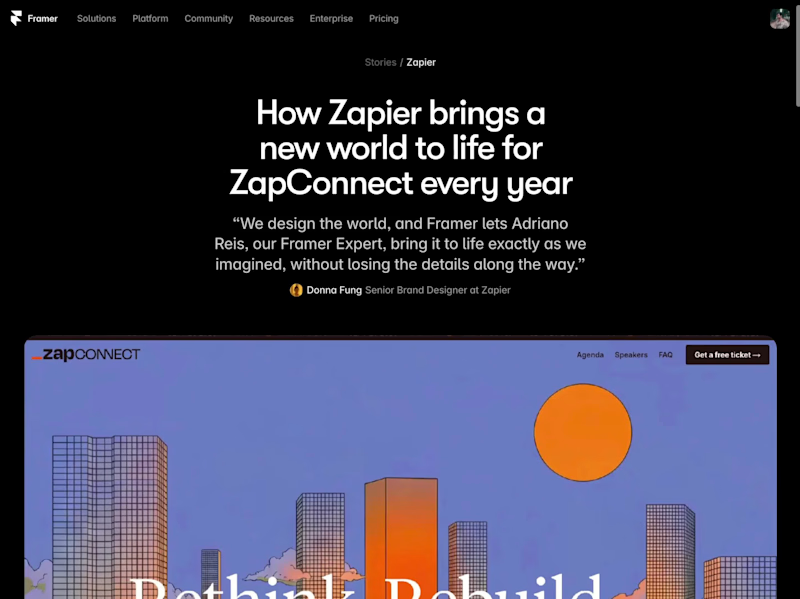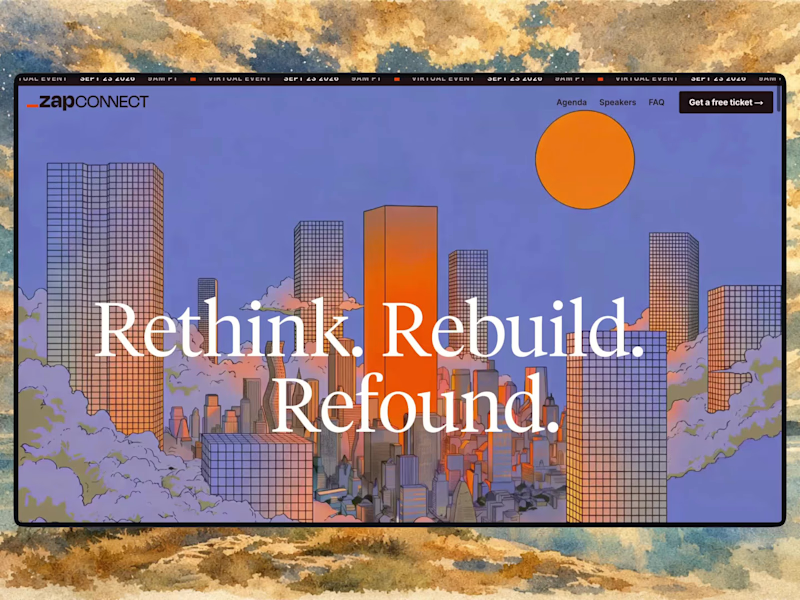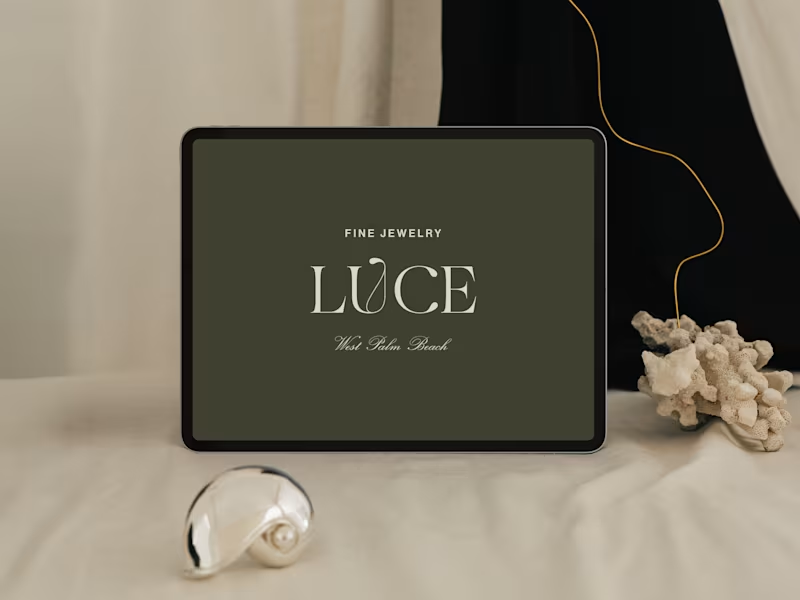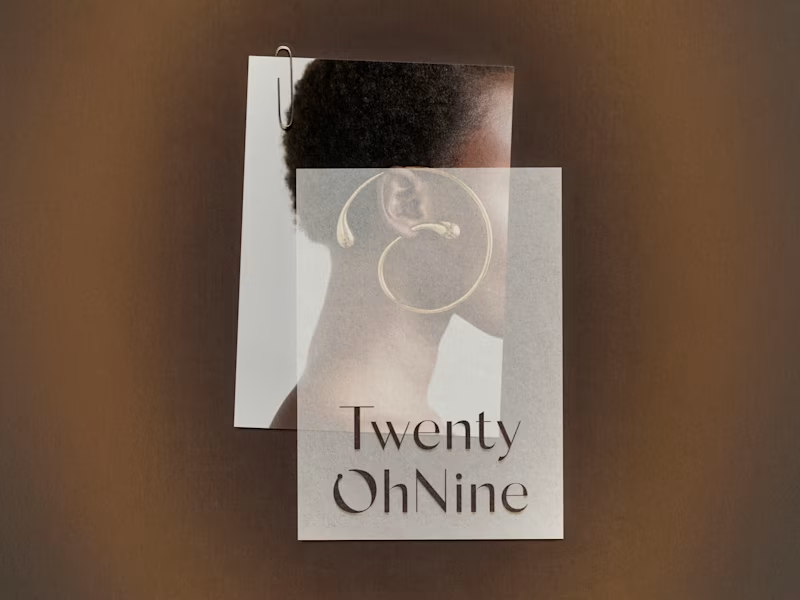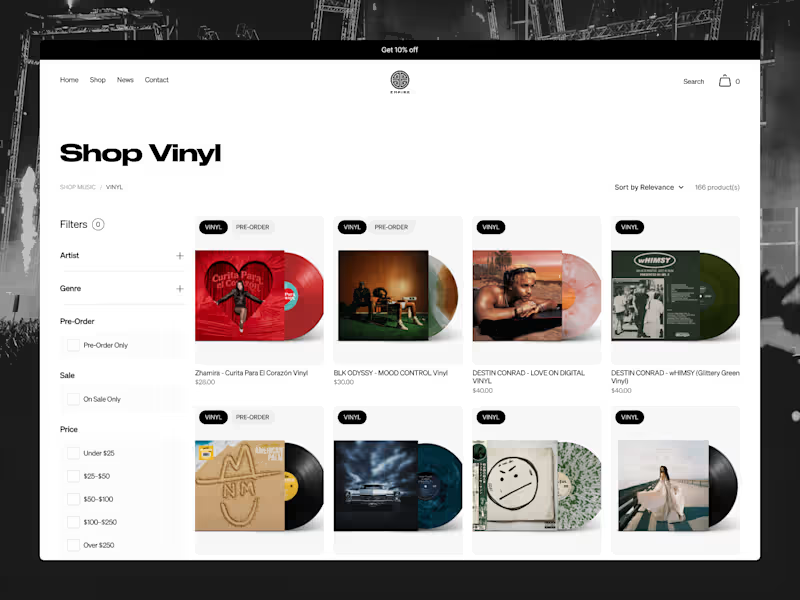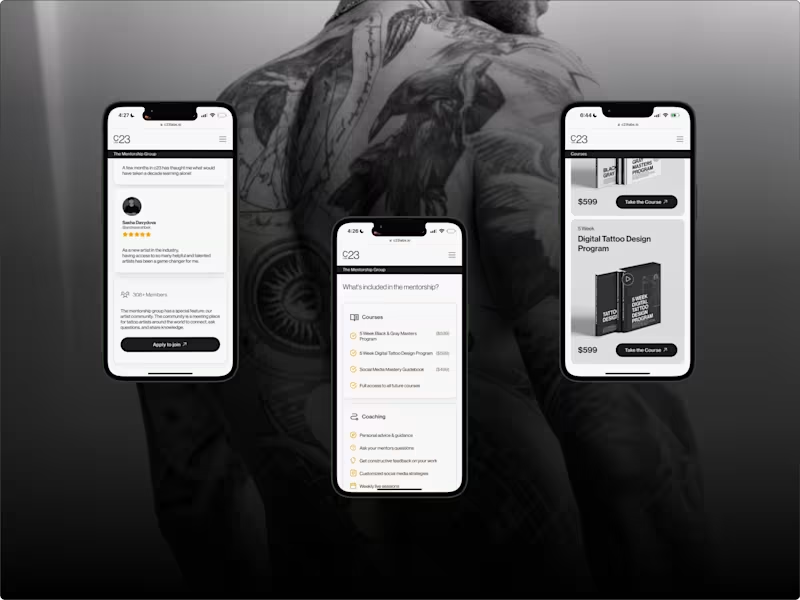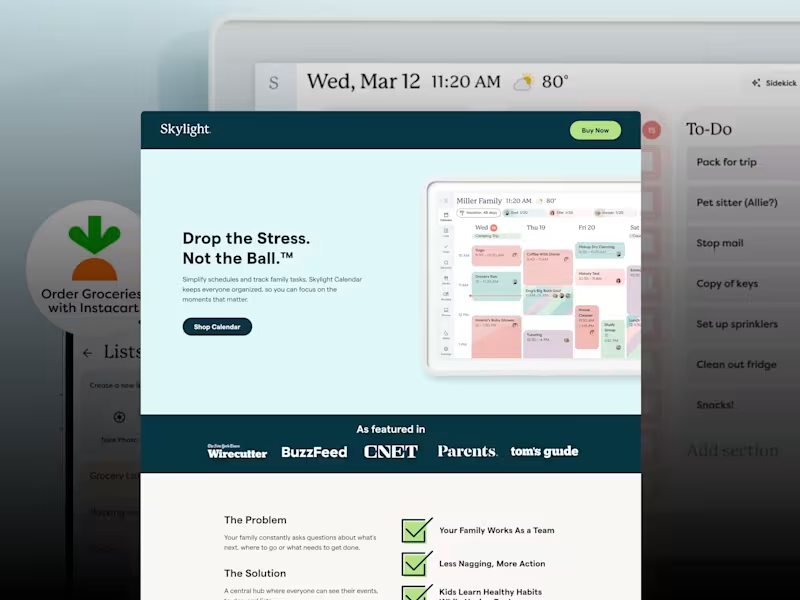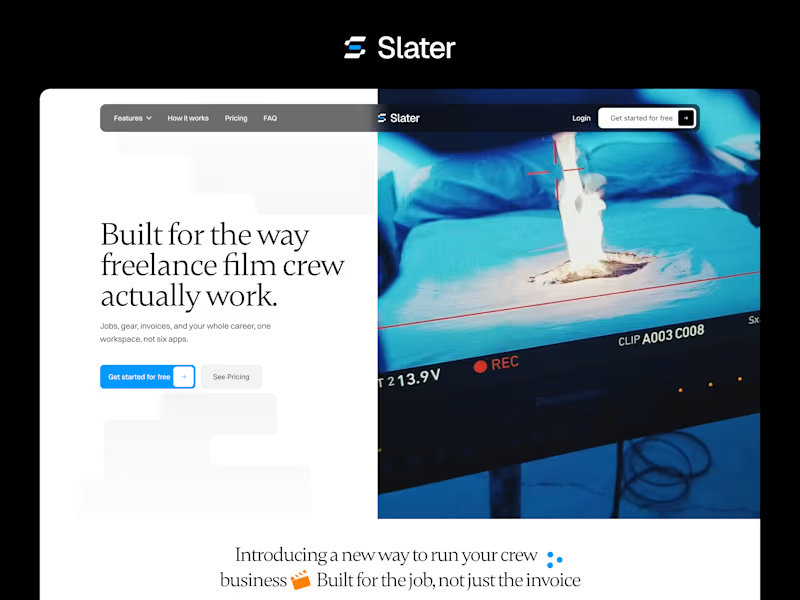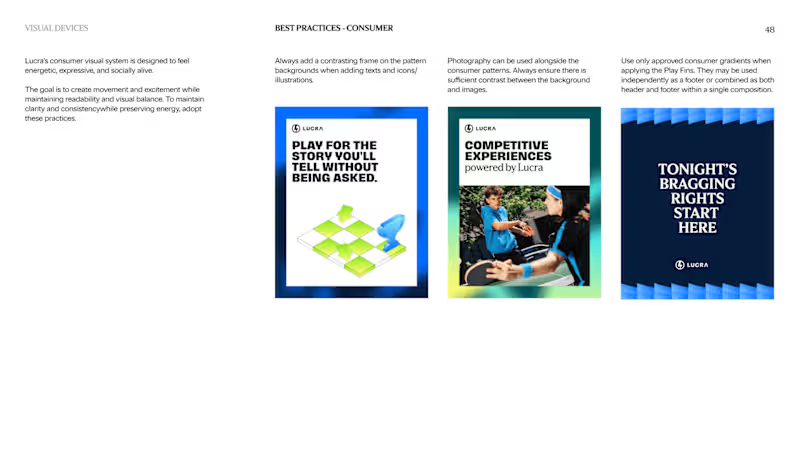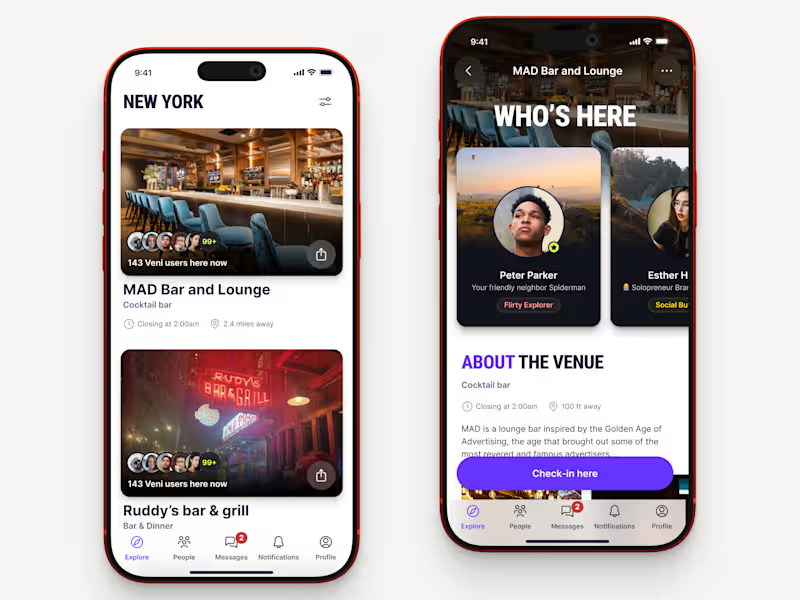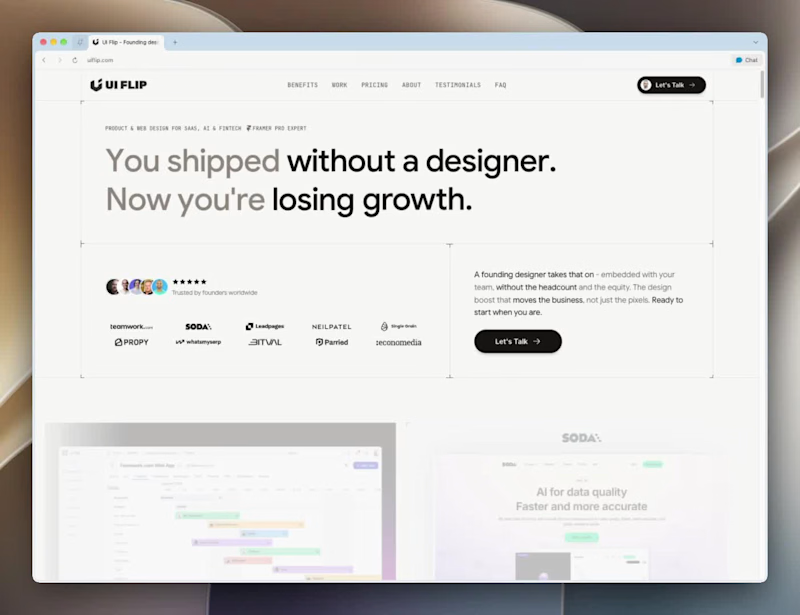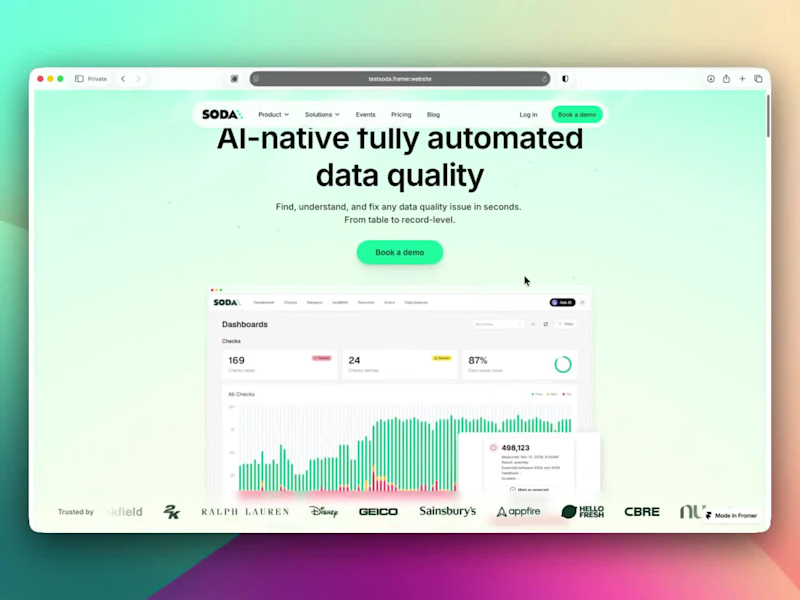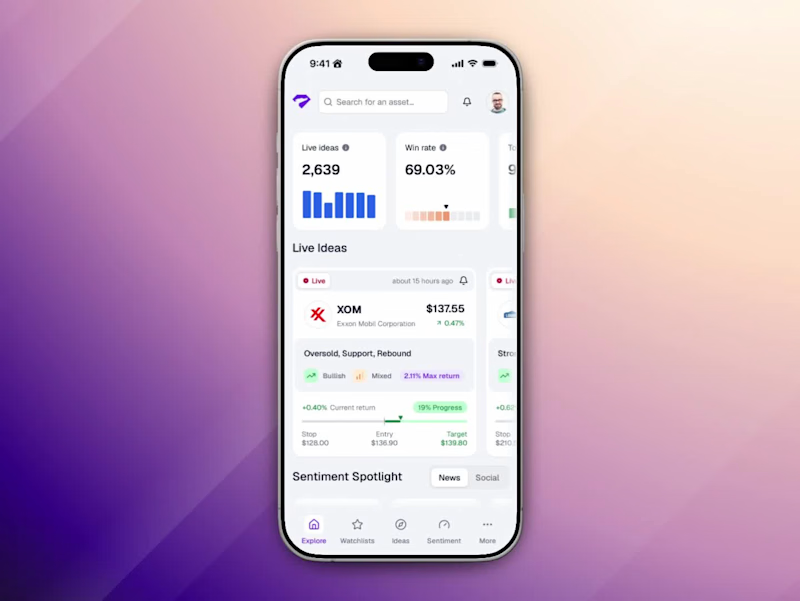























Have you seen the web designer's past work?
Looking at portfolios helps you know if their style matches what you need. Great portfolios show creativity and skill. Make sure they have worked on similar projects before.
Have you clearly defined the project goals and scope?
Before starting, decide what you want the website to do and include. Share these ideas with the designer. Proper planning helps both parties understand the vision.
Did you check if the web designer understands the latest web trends?
Web design trends change quickly, like fashions. Understanding new trends can make your website look fresh and modern. Make sure they know about mobile-friendly designs too.
Have you decided on a timeline for the project?
Talk with the designer about how long the project should take. Agree on deadlines for different parts. Clear timelines help track progress and keep things moving smoothly.
Have you discussed the types of deliverables you expect?
Be specific about what you want, like website pages or special features. Make a list with the designer. This avoids confusion and ensures you get what you need.
Are you considering how you'll provide feedback during the project?
Giving feedback helps the designer make the website just right. Plan how you'll share your thoughts and suggestions. Regular communication makes the collaboration better.
Have you decided on the communication channels?
Whether it’s email, video calls, or messages, pick the best way to talk with your designer. Good communication helps answer questions quickly. This helps the project go more smoothly.
Do you know what maintenance or updates the website might need?
Websites may need changes or fixes after they’re live. Discuss with the designer about future updates or help. Planning ahead keeps the site working well.
Have you thought about how the web designer will be onboarded?
Introduce them to your team or systems they'll need to use. Share any special tools or methods you prefer. Proper onboarding helps them understand your work environment.
Have you set up a payment plan for the web designer?
Decide on how and when to make payments for work done. Clear payment plans make sure everyone is on the same page. This builds trust between you and the designer.
Who is Contra for?
Contra is designed for both freelancers (referred to as "independents") and clients. Freelancers can showcase their work, connect with clients, and manage projects commission-free. Clients can discover and hire top freelance talent for their projects.
What is the vision of Contra?
Contra aims to revolutionize the world of work by providing an all-in-one platform that empowers freelancers and clients to connect and collaborate seamlessly, eliminating traditional barriers and commission fees.