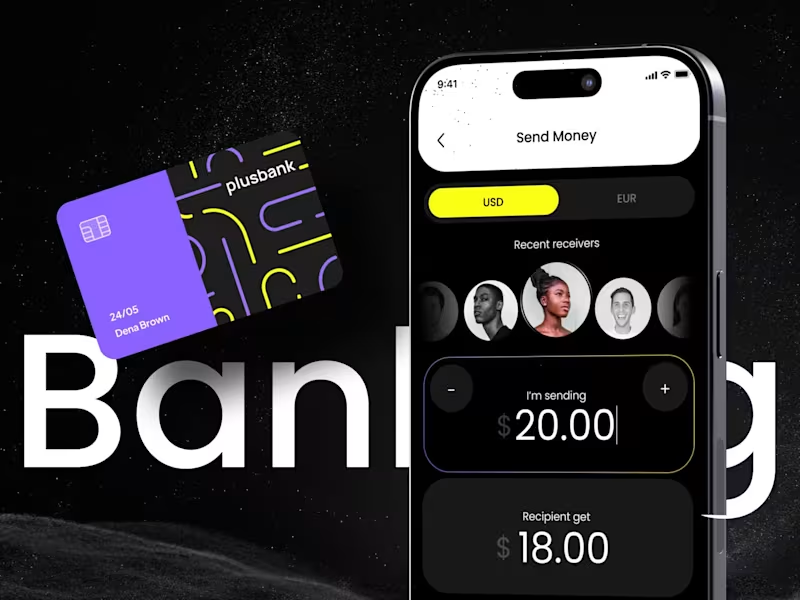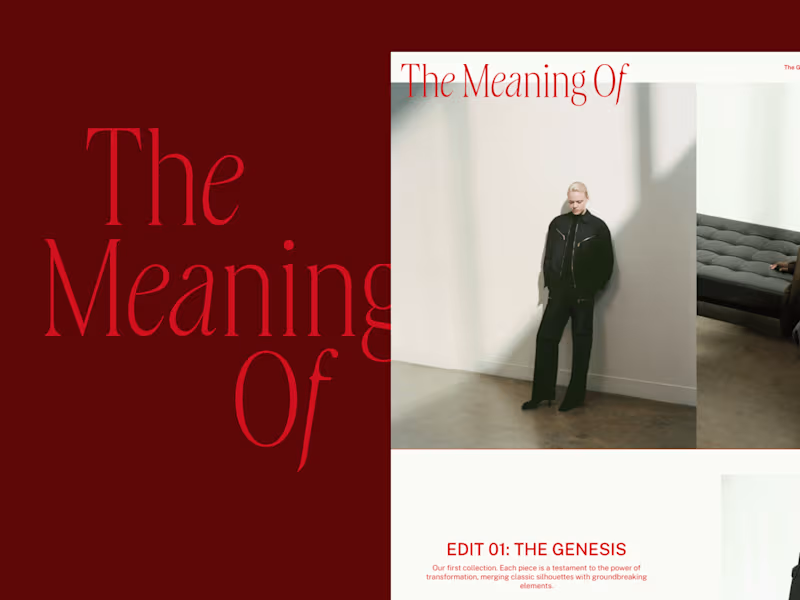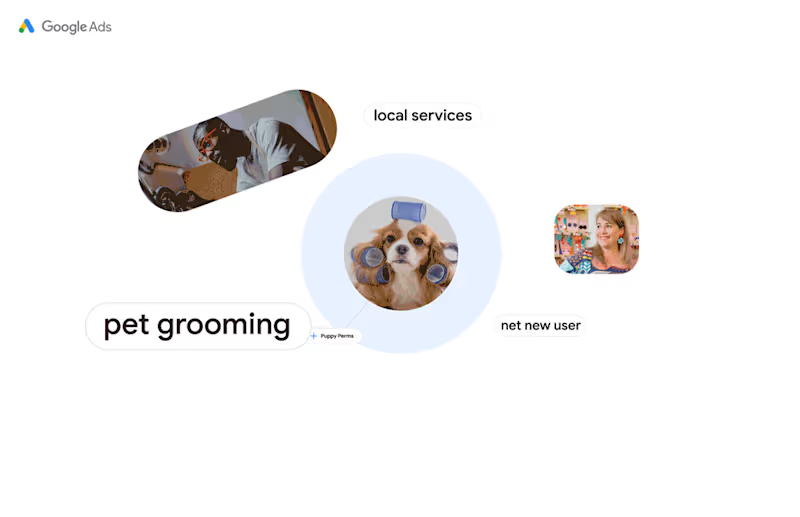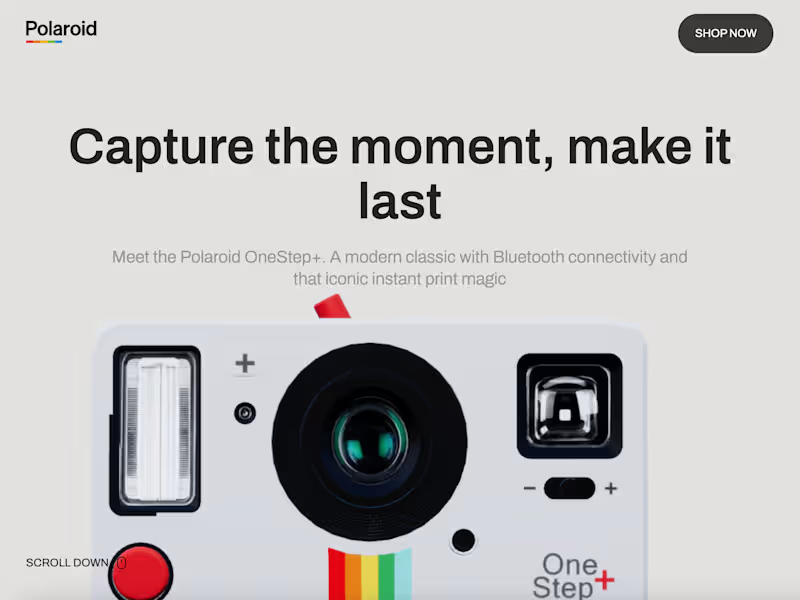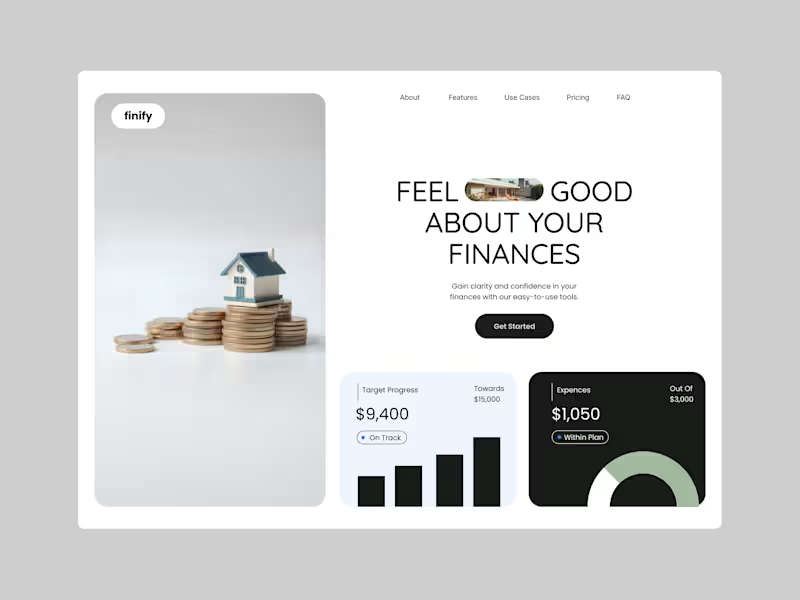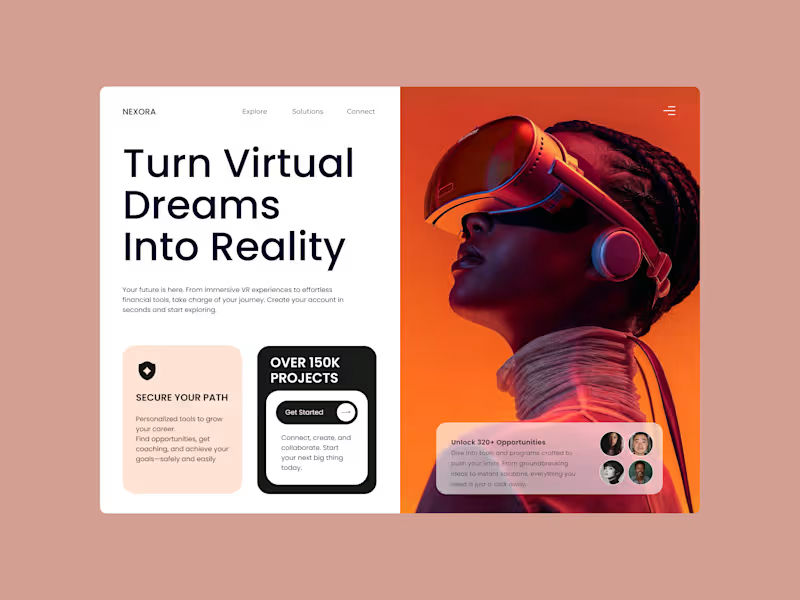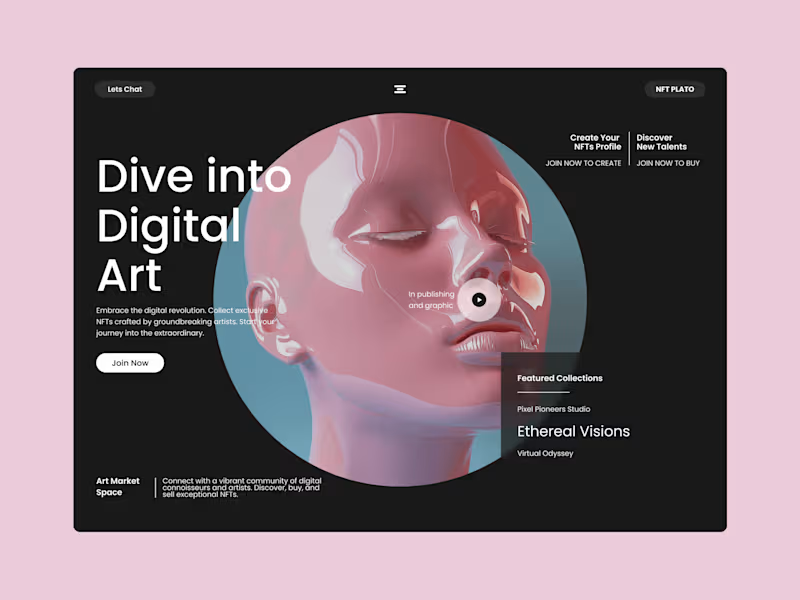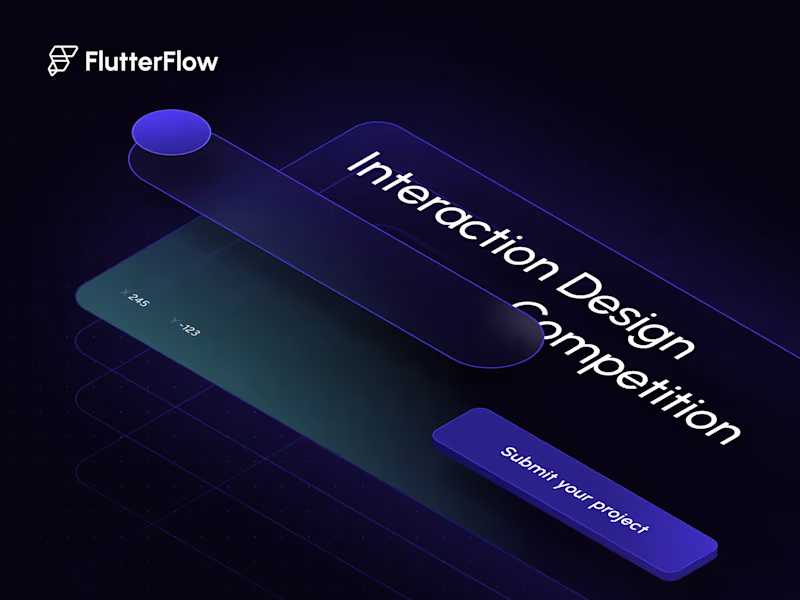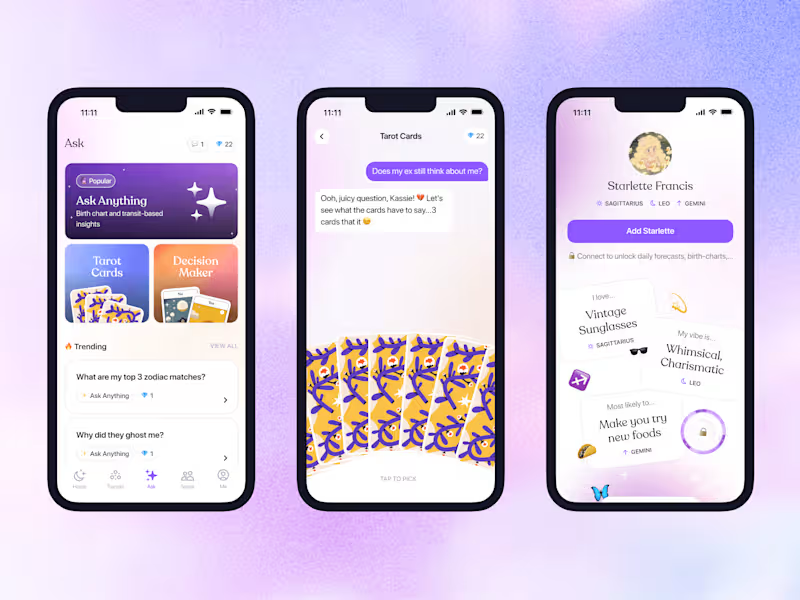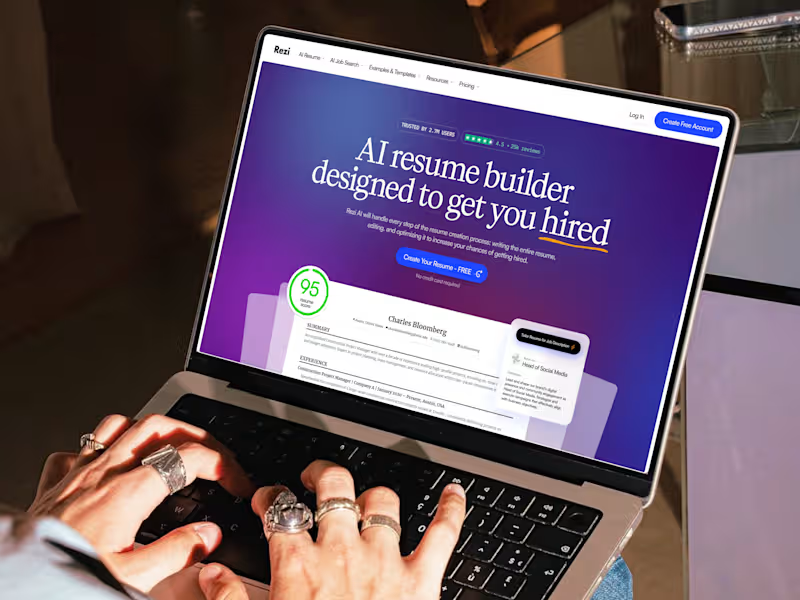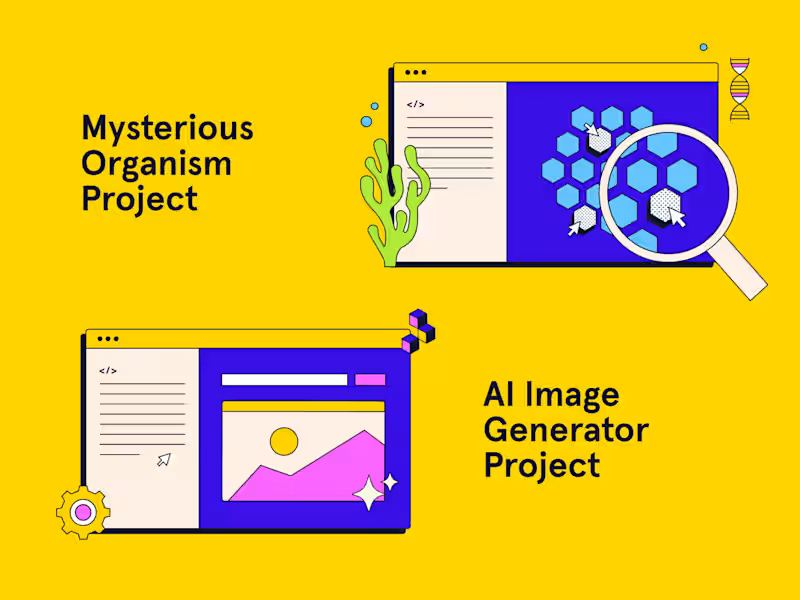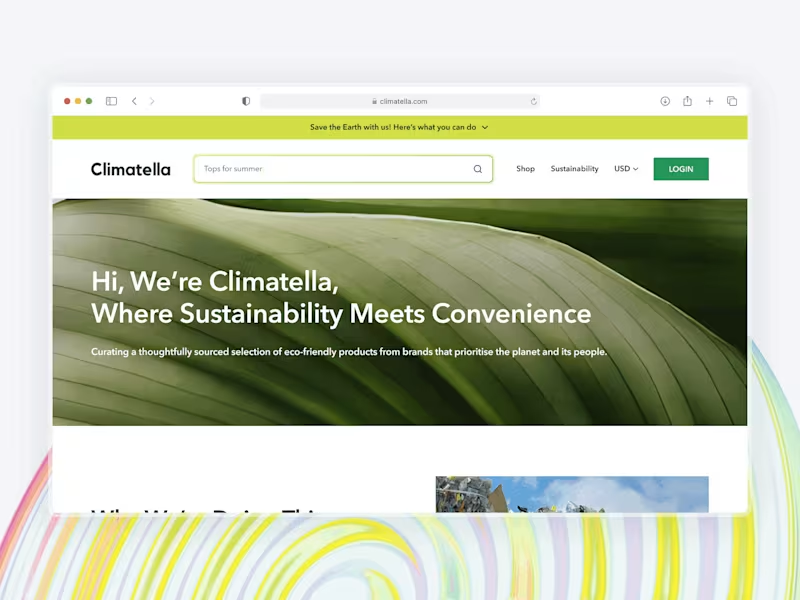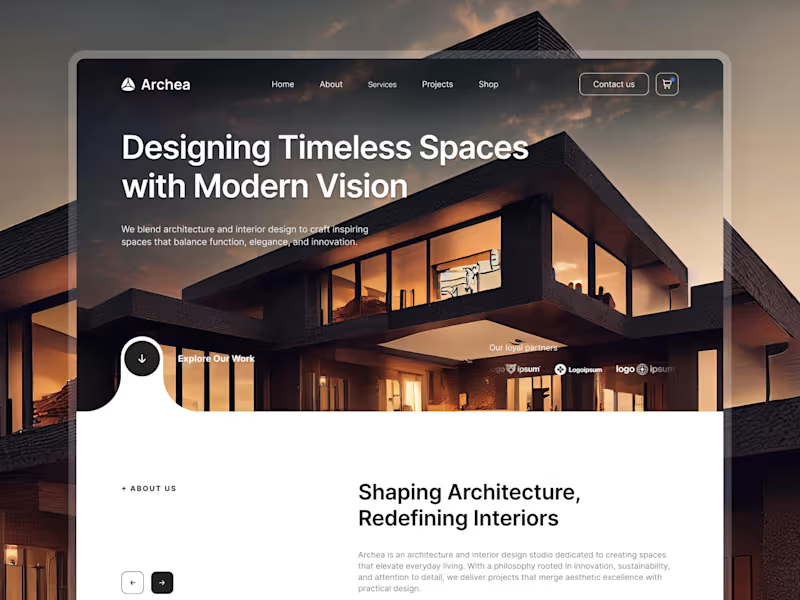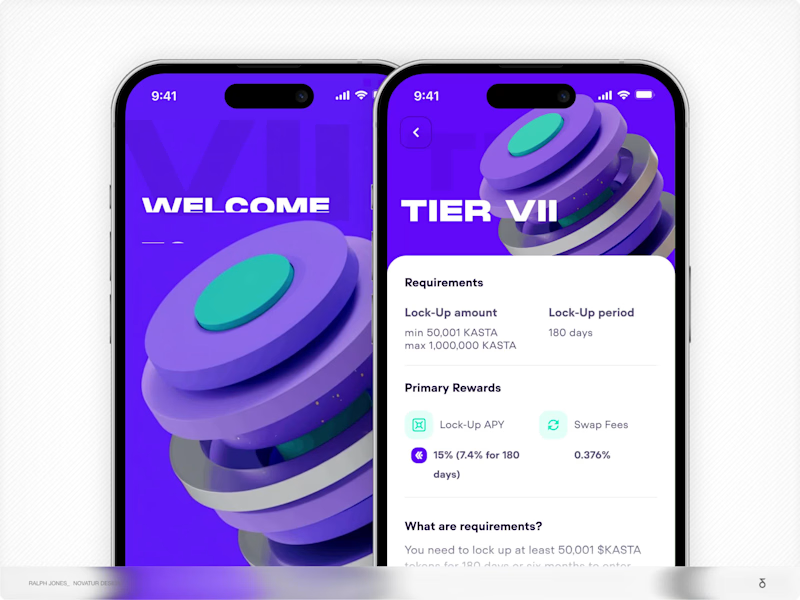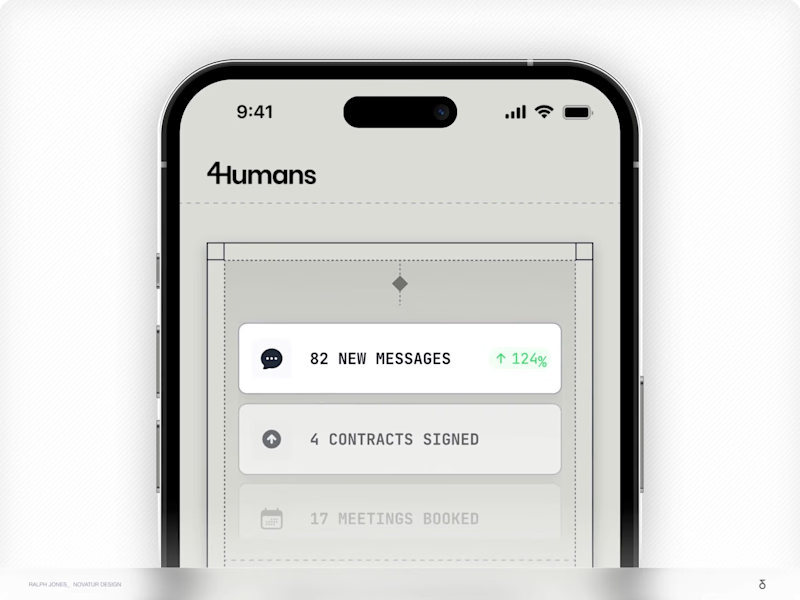



















What should I look for in a UI designer's portfolio?
Check their previous work to see if the style matches what you need. Look for key projects that show user-friendly designs. Make sure the UI designs focus on making the app or website easy to use. This will help when deciding if the designer’s skills fit your project needs. Review how they've solved problems with their designs.
How do I define clear project goals with a UI designer?
Write down what you want to achieve with your project. It could be to make an app easier for kids to use or create a fun website. Share these goals clearly with the designer. Good communication will help you both understand what success looks like. This will guide the design process and keep everyone on track.
How do I explain my brand to get better design results?
Give the designer a simple description of what your brand is about. Explain the feeling or experience you want users to have. This will help the designer create something that feels just right for your brand. Sharing your color schemes and favorite designs can give a better picture too. The clearer the image, the more aligned the designs will be.
What should a project timeline include when hiring a UI designer?
A project timeline should show when each part of the work will be done. Break it into smaller parts, like first sketches and final designs. This helps keep track of progress and stay on schedule. Make time for changes and feedback to improve the work. Having this timeline keeps the project organized for everyone.
How can I ensure effective communication with the UI designer?
Decide on how you will talk, maybe through emails or calls. Set times to talk regularly to check how things are going. Clear updates can keep everyone informed and help avoid misunderstandings. Ask them how they like to communicate too. Good communication helps keep the project smooth and builds a better team spirit.
How do I identify successful deliverables for the project?
Write down each item or design you need finished. Be clear about what you expect from each deliverable. Specify how each design should look or work. This helps the designer know exactly what to create. It also acts as a checklist to see if all parts of the project meet your needs.
What kind of feedback process should I use with a UI designer?
Start by making a list of what you like and what needs to change. Be specific but also encouraging with your feedback. Set times for review sessions to go over the designs. This gives a chance to discuss and refine ideas together. A good feedback loop helps produce better end results.
Why is it important to agree on the scope of work?
Defining the scope tells the designer what the project covers. It outlines tasks, goals, and timelines clearly. This prevents gaps in understanding and helps manage expectations. The scope also helps the designer plan their work efficiently. Both you and the designer will know exactly what to expect.
How do I assess a designer's understanding of user experience?
Review their ability to create designs that users find helpful. Check if they focus on making things easy to use and understand. Discuss any user experience strategies they’ve used before. This will show their thought process and attention to user needs. A skilled designer should always think about what’s best for the users.
How important are design trends in a UI project?
While trends can make designs look fresh, they're not everything. Ask the designer if they balance trendy designs with timeless principles. These should work together to create something that stays relevant. Too many trends can make a design look dated quickly. Your project should stay useful and appealing long after it's finished.
Who is Contra for?
Contra is designed for both freelancers (referred to as "independents") and clients. Freelancers can showcase their work, connect with clients, and manage projects commission-free. Clients can discover and hire top freelance talent for their projects.
What is the vision of Contra?
Contra aims to revolutionize the world of work by providing an all-in-one platform that empowers freelancers and clients to connect and collaborate seamlessly, eliminating traditional barriers and commission fees.