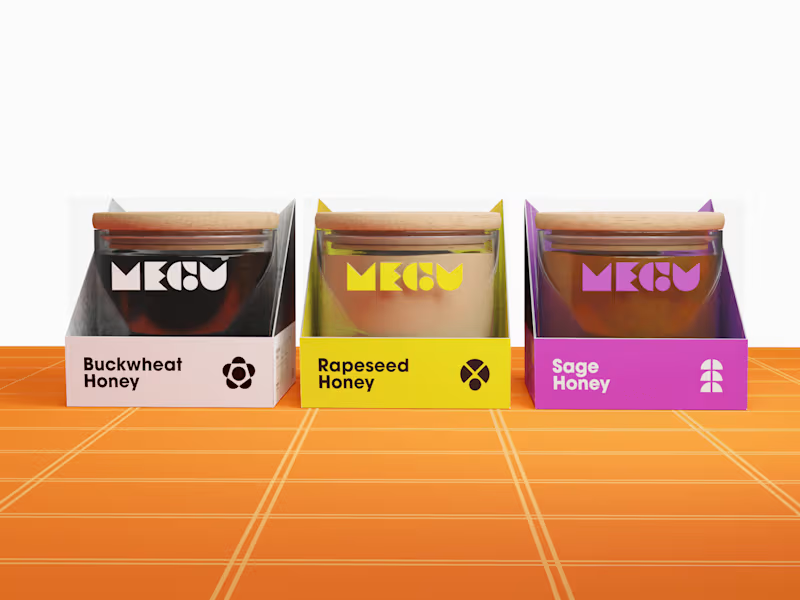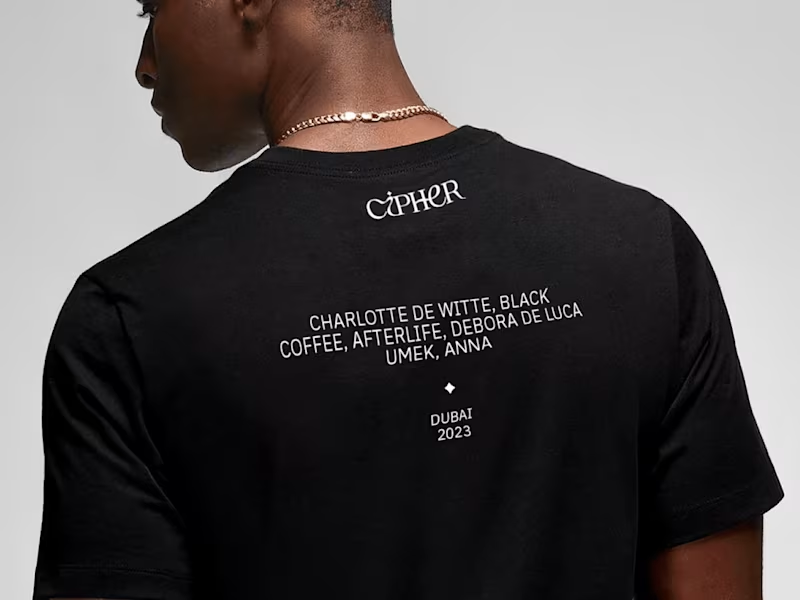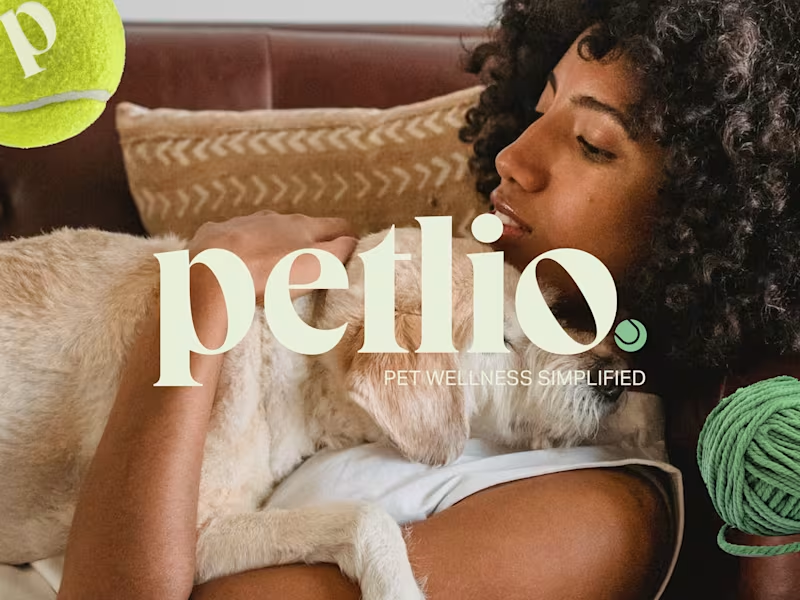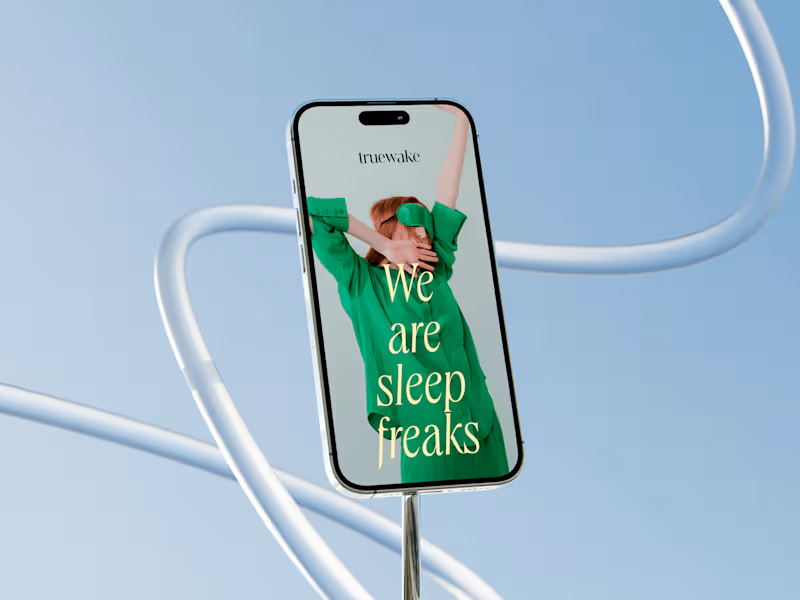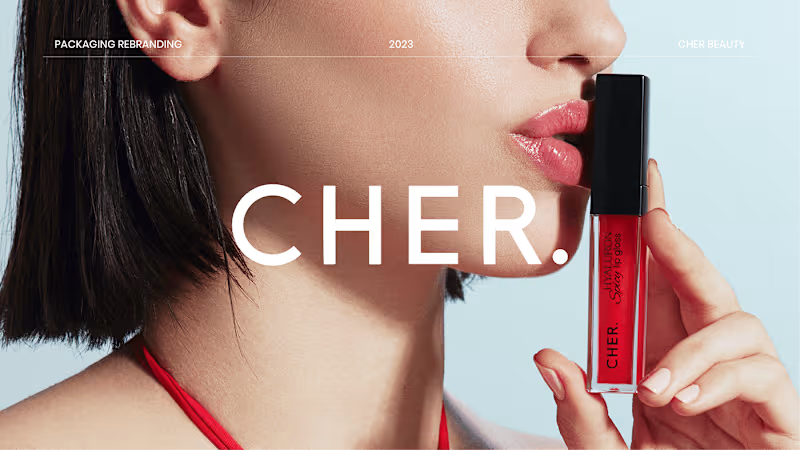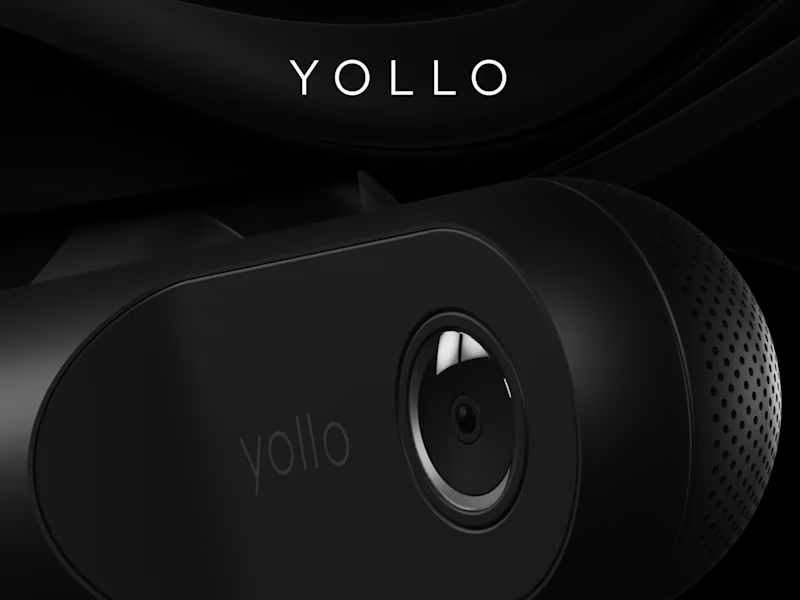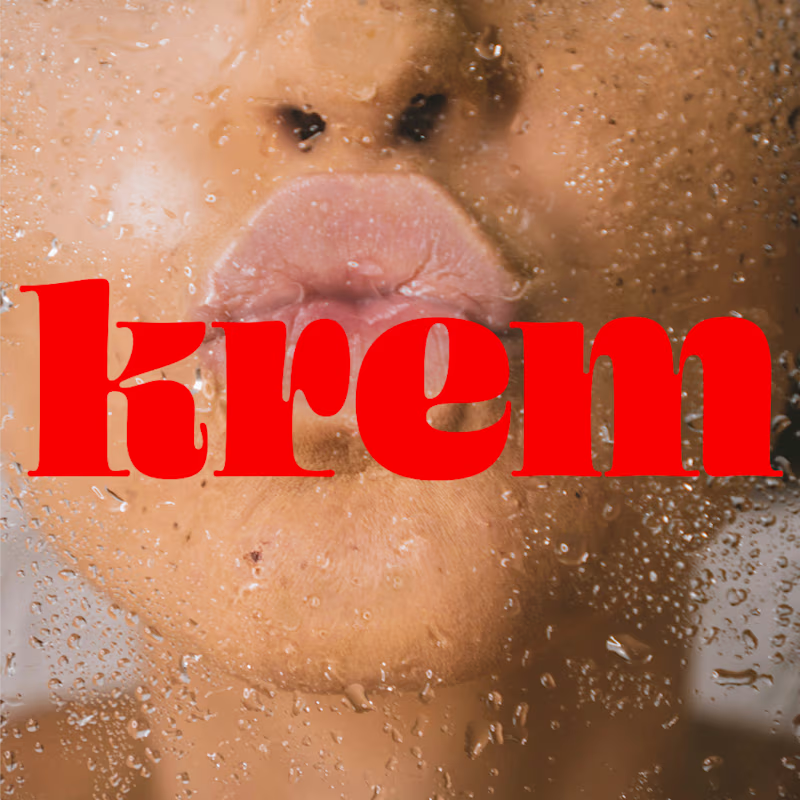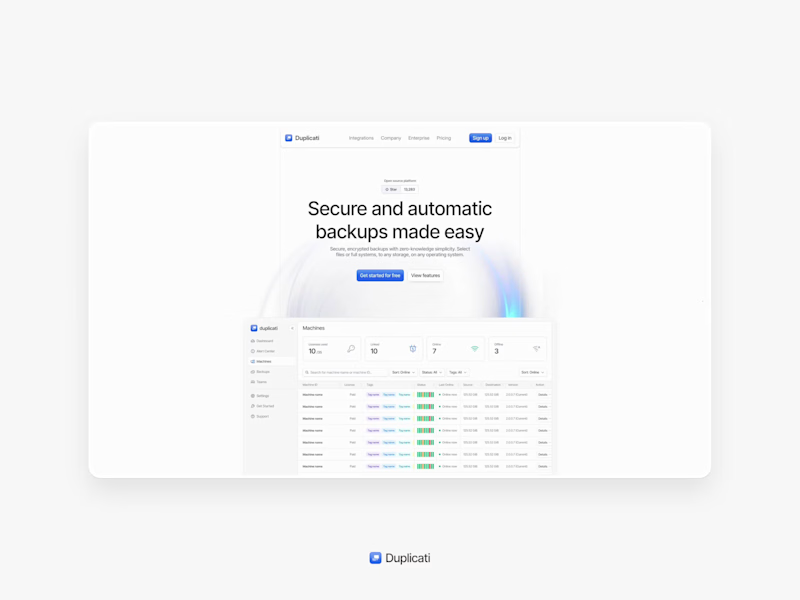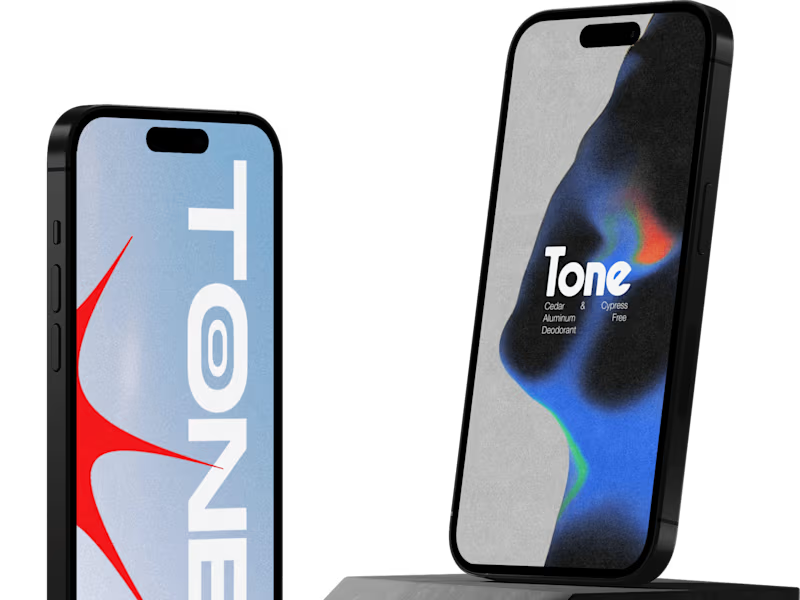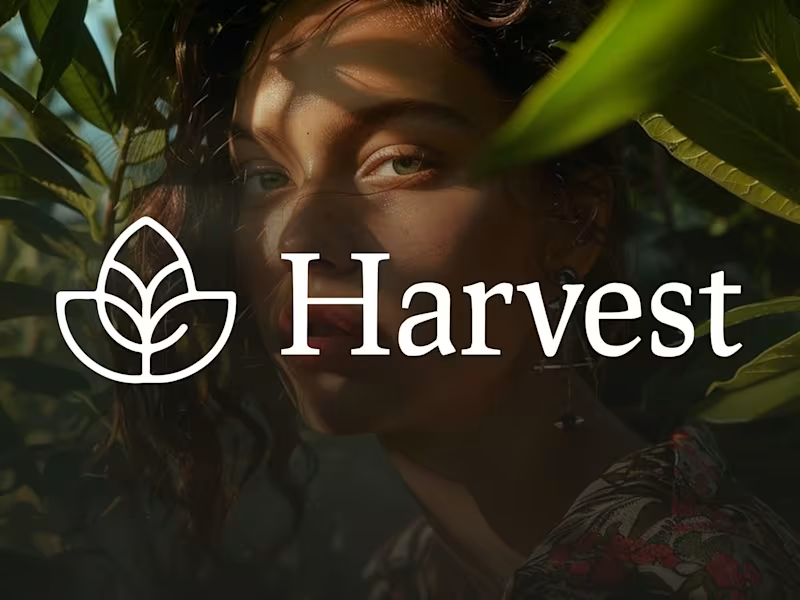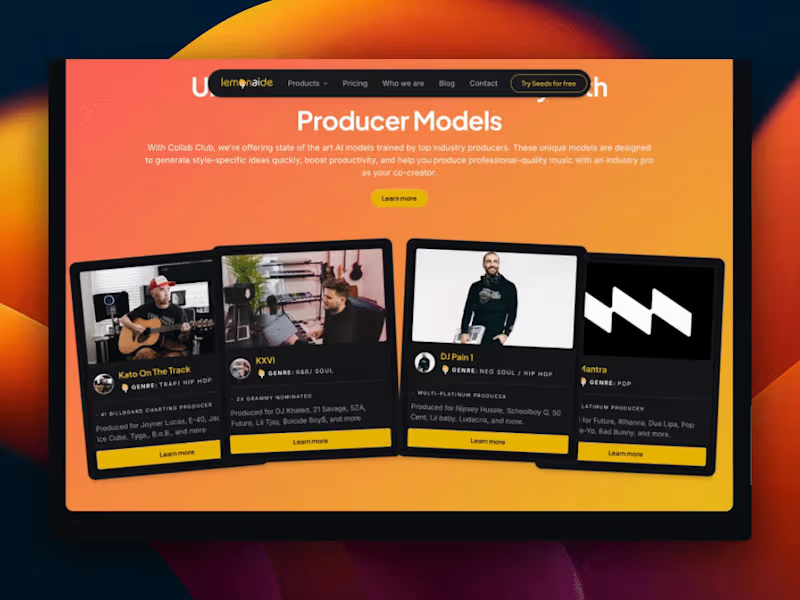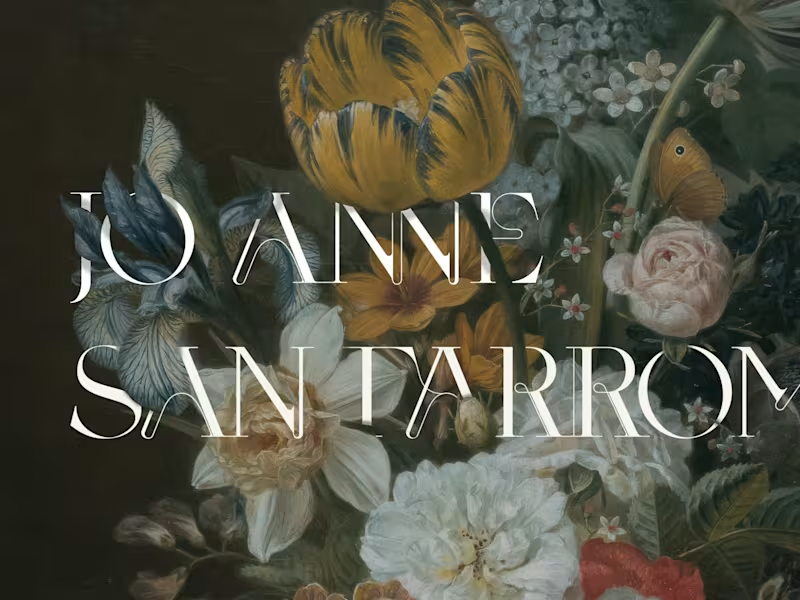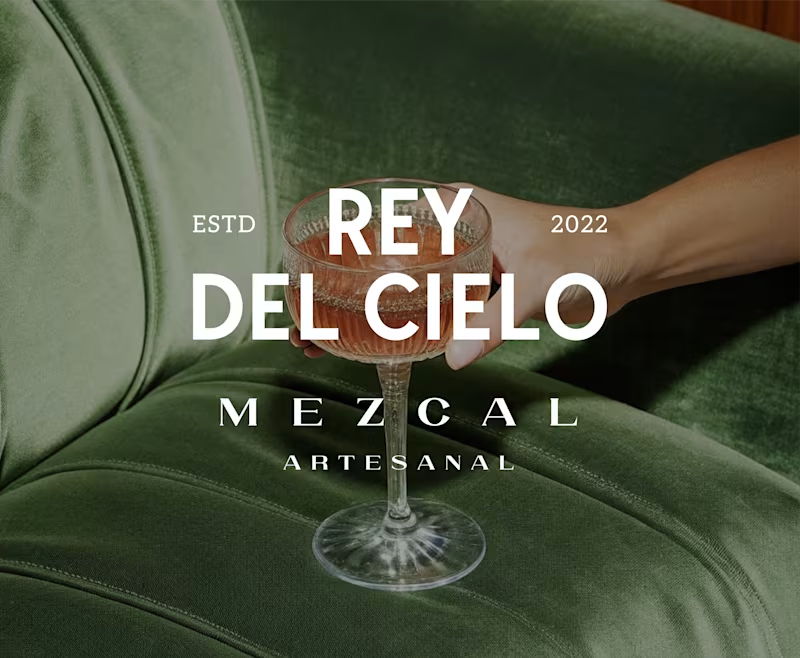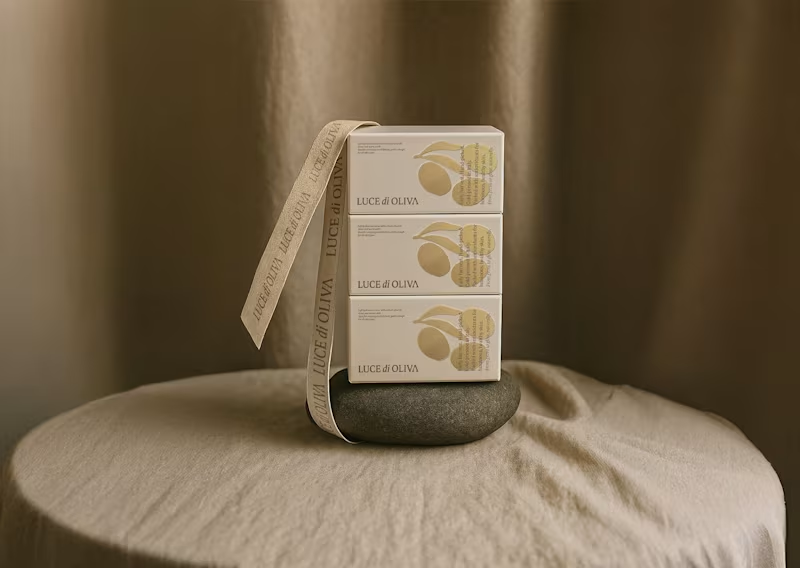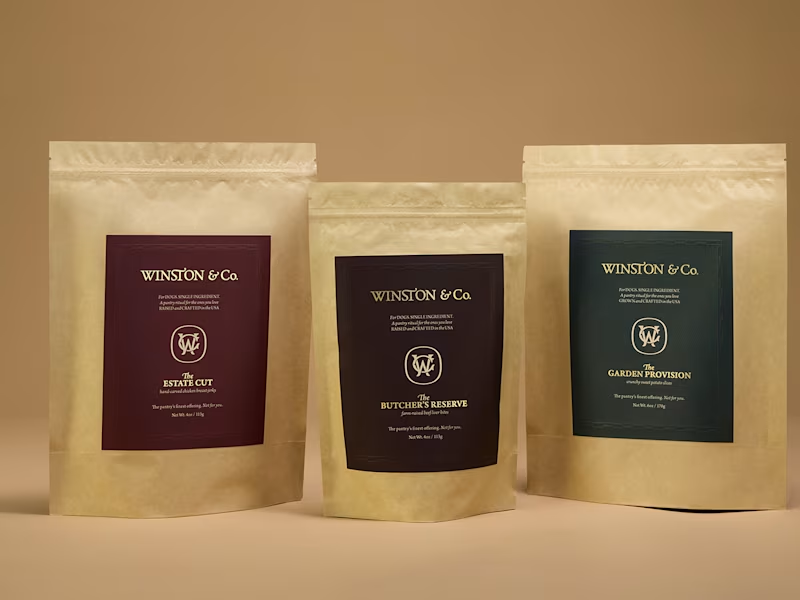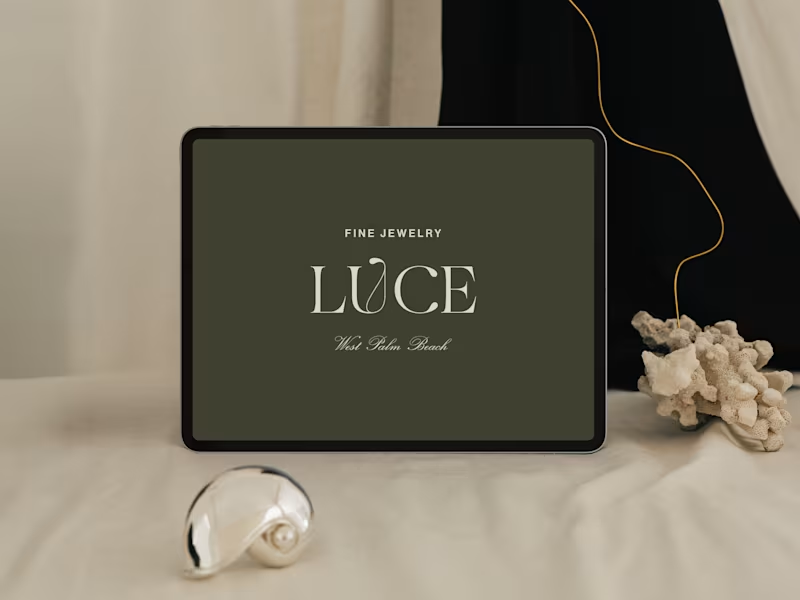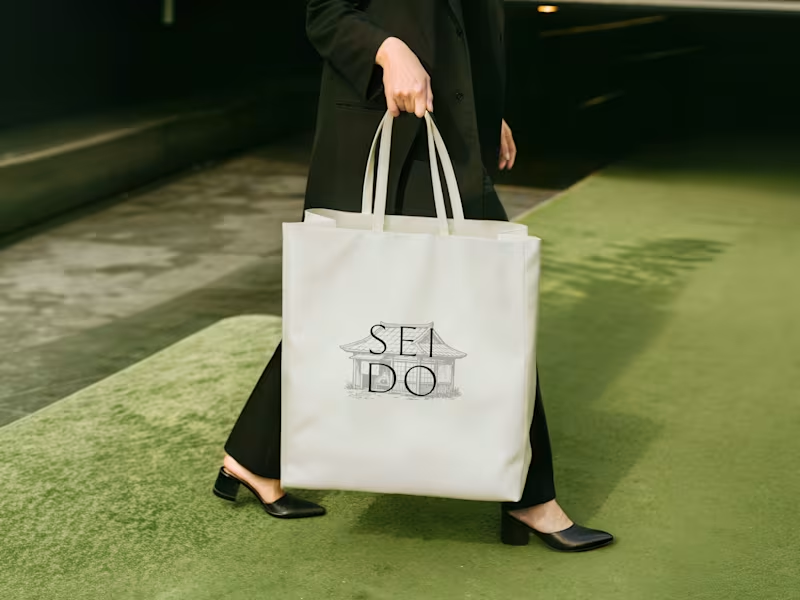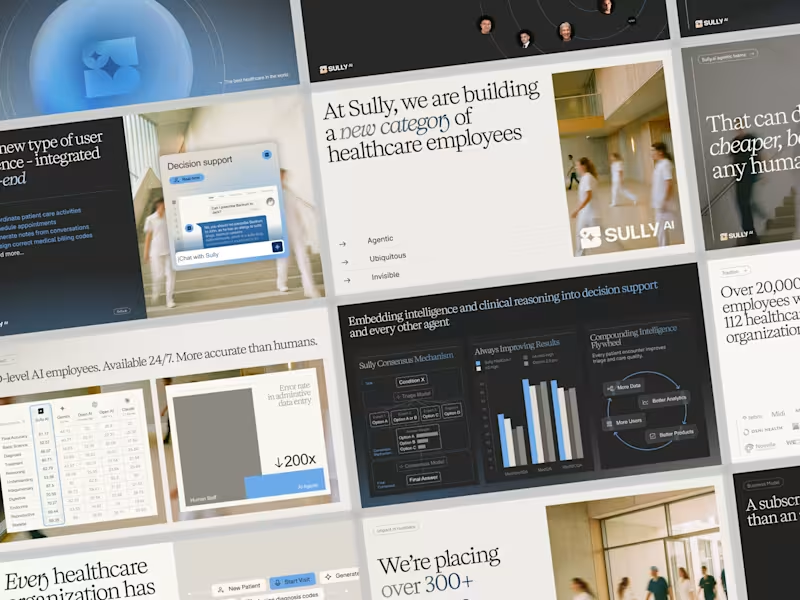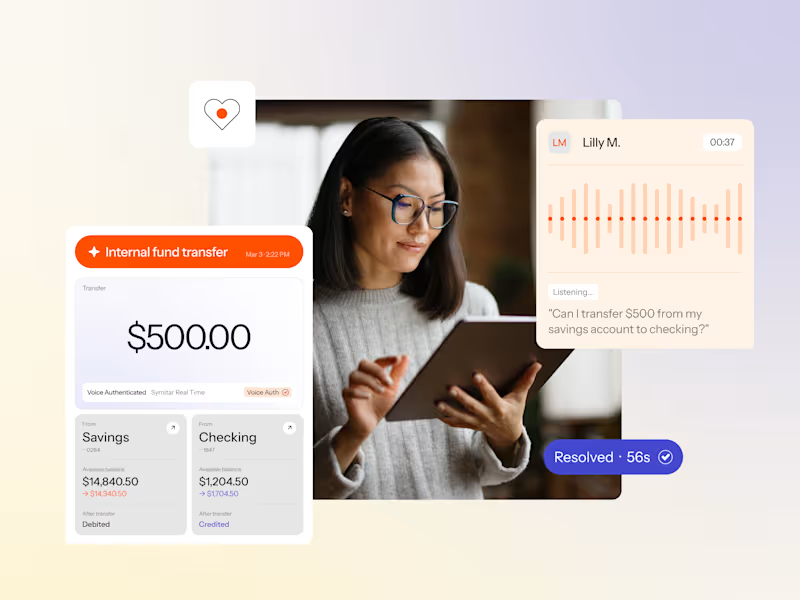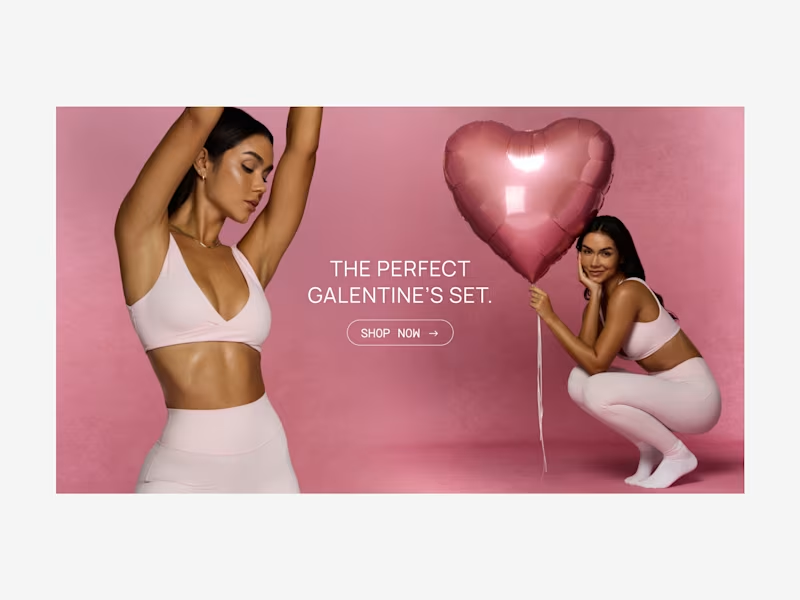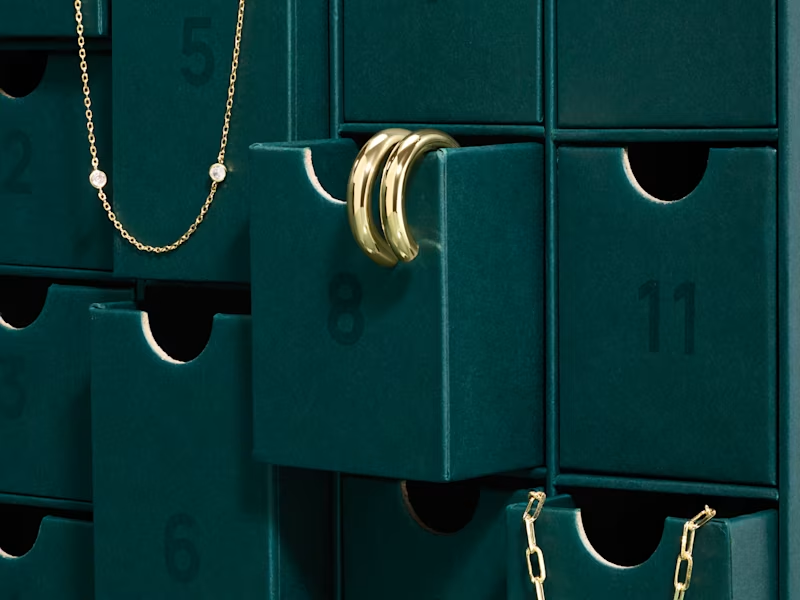























What style or approach do you want in your brand design?
Think about the message and feeling you want your brand to show. Do you want it to be fun, serious, modern, or classic? Knowing the style you want helps the designer create the perfect look for your brand.
How will you communicate your brand's goals to the designer?
Create a simple list or brief that explains what your brand stands for and its mission. Share this with your designer so they understand what makes your brand special. It's like giving them a map to follow while they work on your brand.
What are your project deadlines?
Think about when you need the design finished. Decide on a starting date and an end date to help keep things on track. It’s important to share these dates with the designer to make sure everyone is on the same page.
What deliverables do you need from the designer?
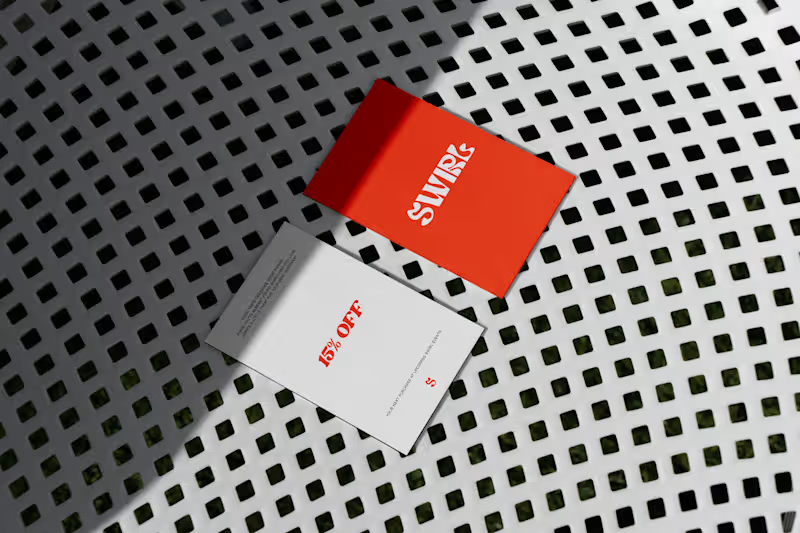
Decide if you need a logo, color palette, business cards, or other designs. Make a list of what you expect the designer to create. This helps make sure that the designer knows exactly what to deliver to you.
How will you review the designer's work?
Plan how often you will check the designs and give feedback. This could be at specific stages or when each part of the design is done. Knowing this helps catch any changes needed early and keeps the project moving smoothly.
What brand elements do you currently have?
Collect any existing materials such as logos, fonts, and colors you currently use. Share these with the designer to help them understand your brand's current look. This gives the designer a starting point to work from.
How will you handle design changes or updates?
Think about how you will ask for design tweaks or changes during the project. Having a plan helps avoid misunderstandings and ensures smooth collaboration. Clear communication about revisions makes the process easier.
What platform or tools will you use to communicate with the designer?
Choose a platform you will use to talk with the designer, like email or messaging apps. Make sure both you and the designer are comfortable using it. This keeps communication clear and organized.
How will you ensure that the designer understands your target audience?
Provide information about who your brand is for, like their age, interests, or needs. Share these details with the designer to help them create a design that appeals to your audience. It’s like aiming an arrow right at a bullseye.
What feedback process will you use to make the final decision on the design?
Decide who in your team will give the final approval for the design. Create a feedback round or approval checklist to help guide this process. This helps make sure that the final design meets all your brand’s needs and preferences.
Who is Contra for?
Contra is designed for both freelancers (referred to as "independents") and clients. Freelancers can showcase their work, connect with clients, and manage projects commission-free. Clients can discover and hire top freelance talent for their projects.
What is the vision of Contra?
Contra aims to revolutionize the world of work by providing an all-in-one platform that empowers freelancers and clients to connect and collaborate seamlessly, eliminating traditional barriers and commission fees.