


























How do I describe my web design project clearly?
It's important to be as detailed as you can. Include the purpose of your website, who will visit it, and any special features you want. This helps the designer see what you really need. Use examples if you have them; they can help paint a picture of your vision.
What should I consider when reviewing a freelancer's portfolio?
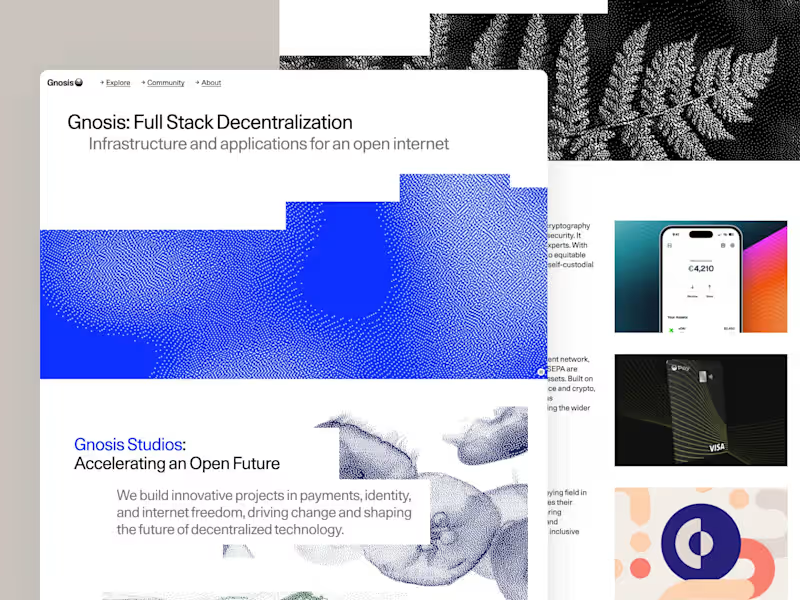
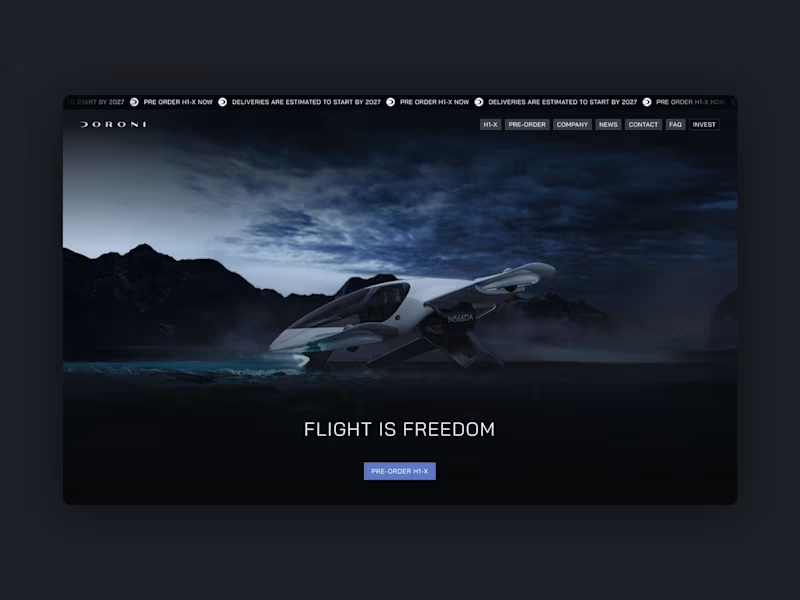
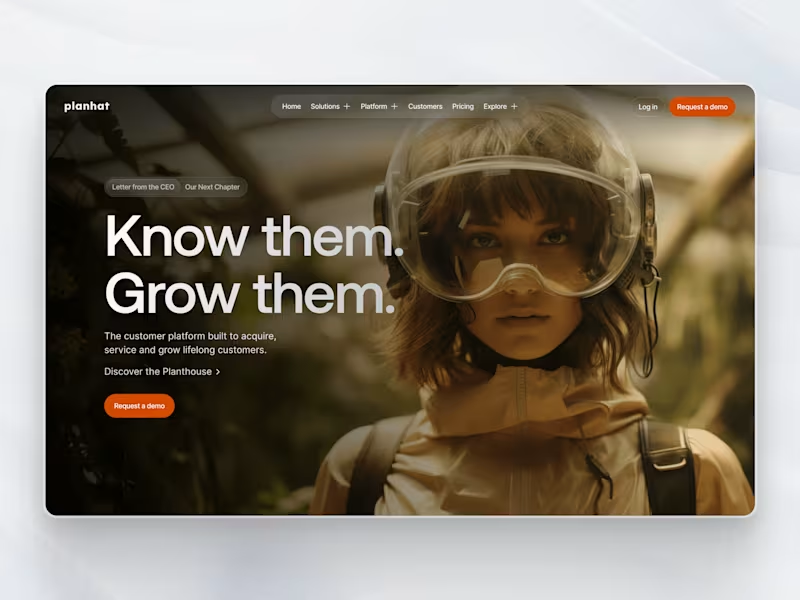
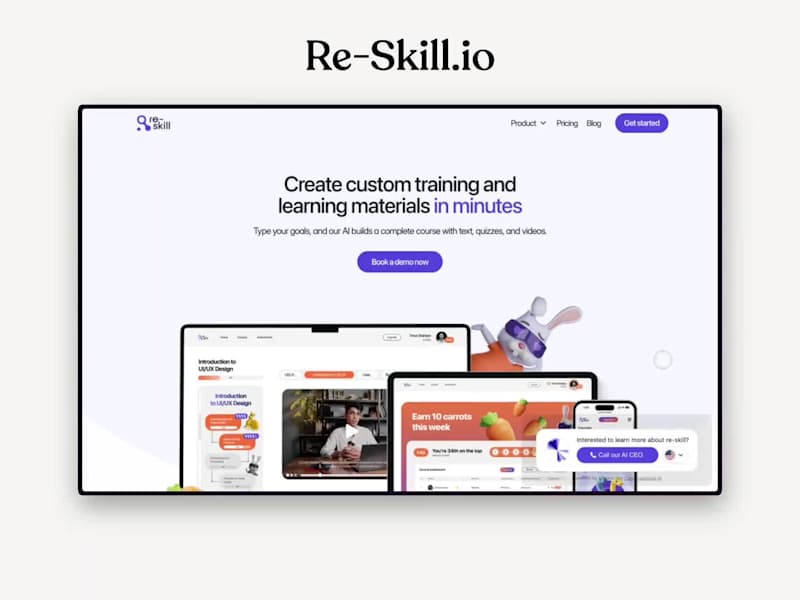
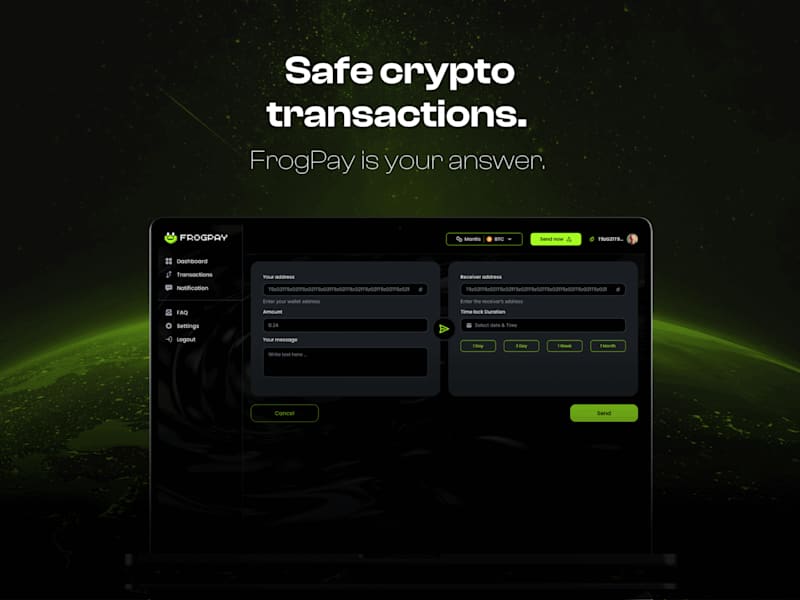
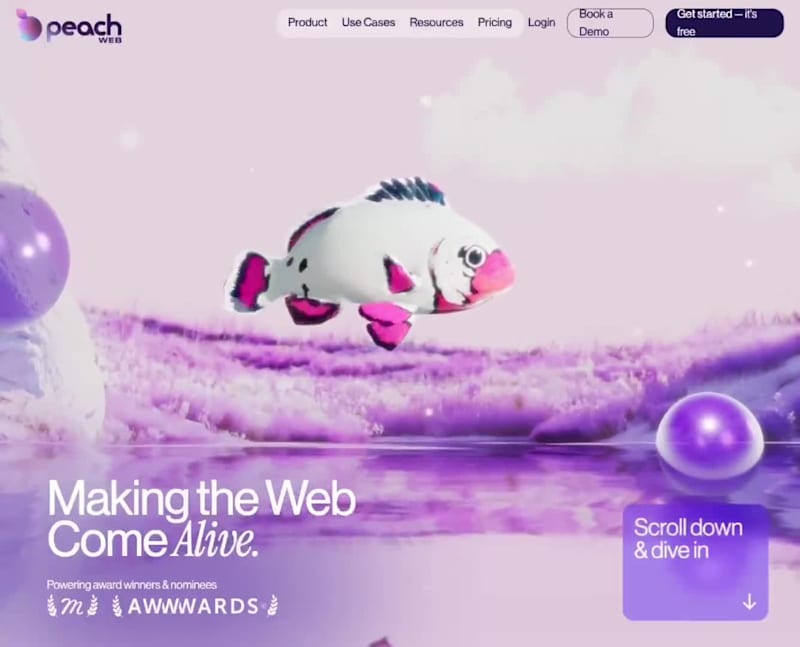
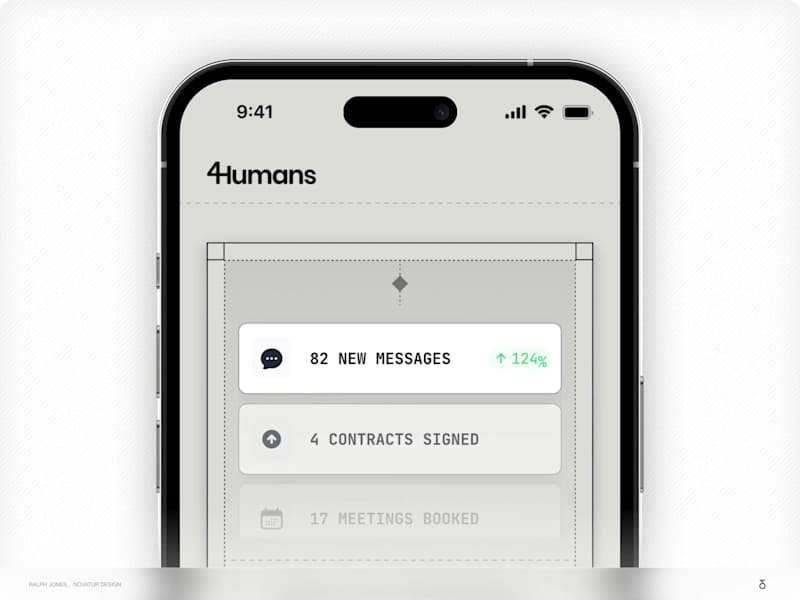
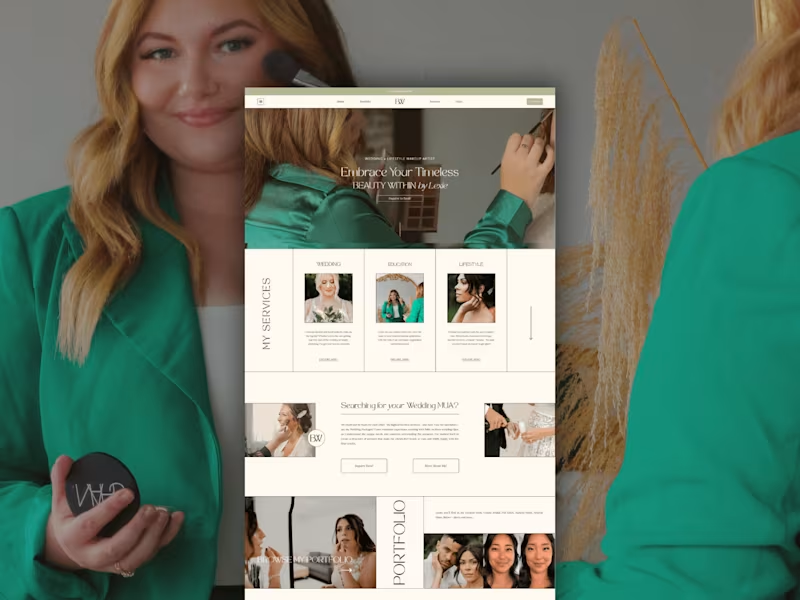
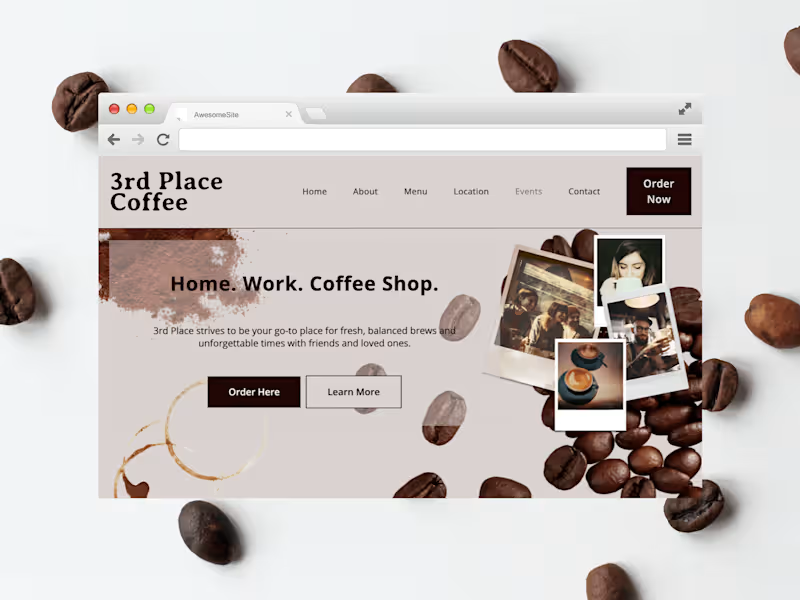
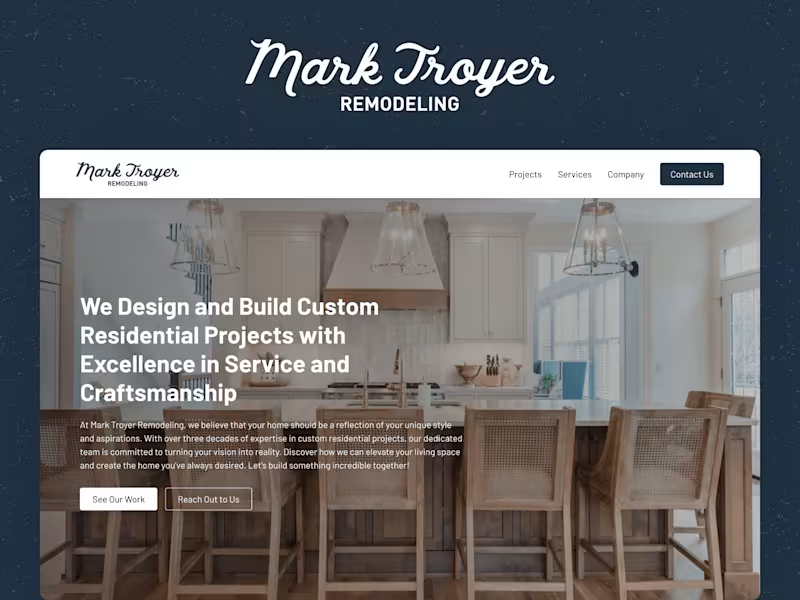
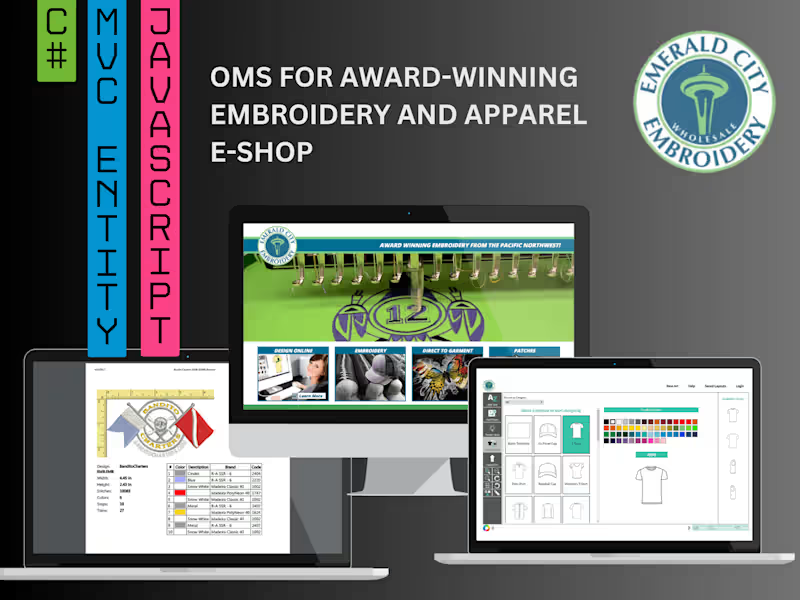
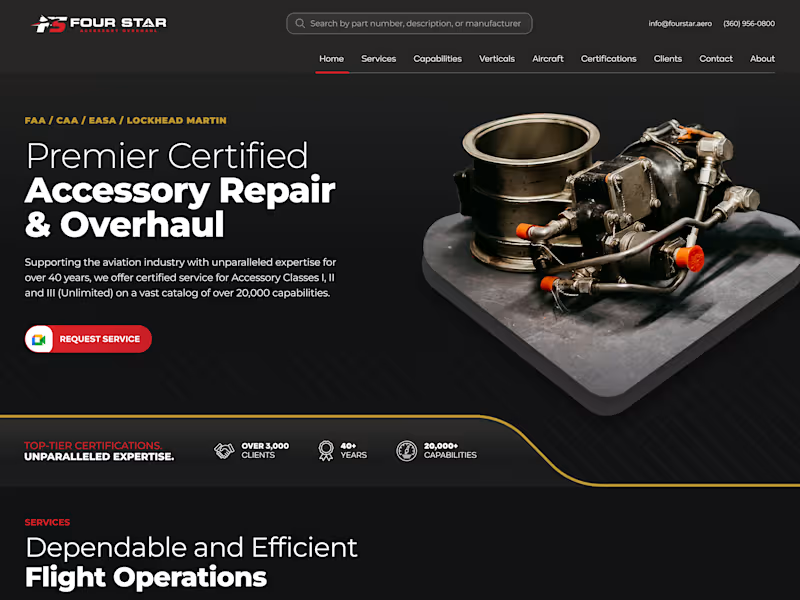
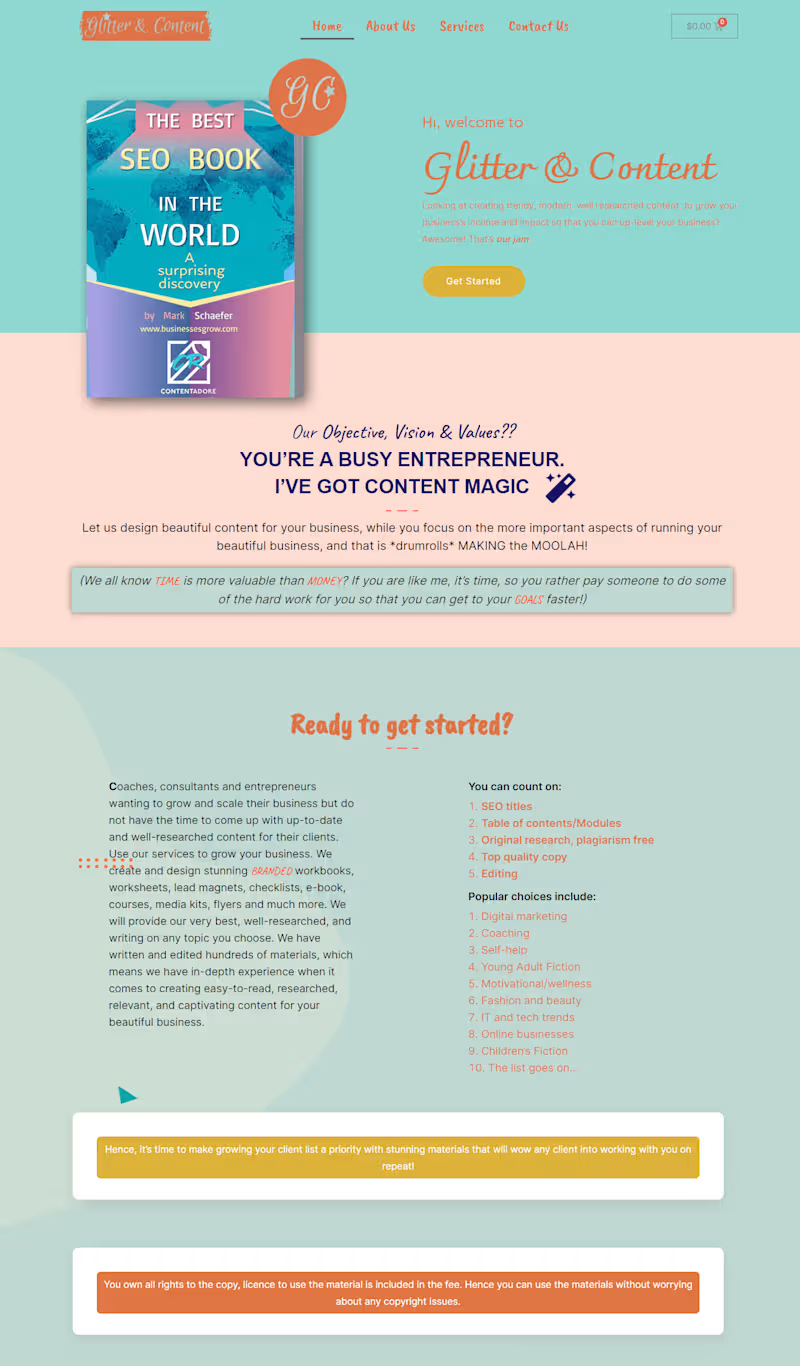
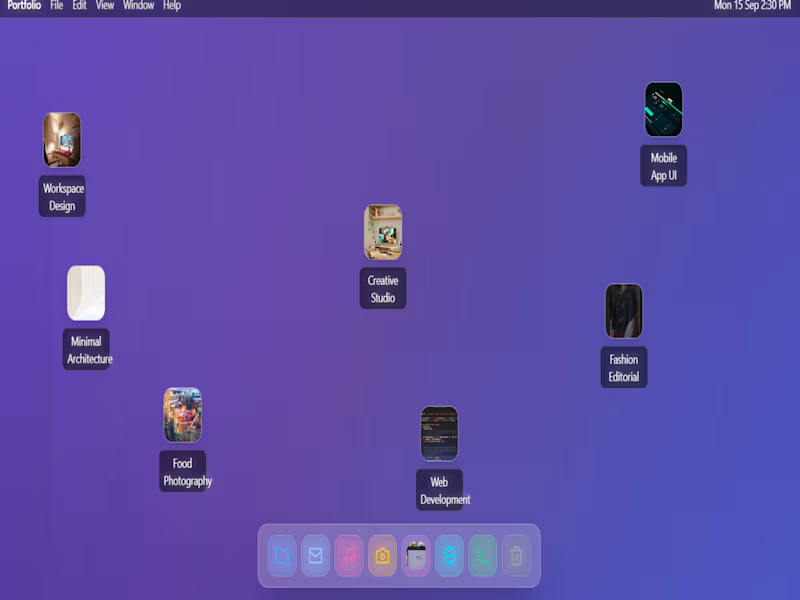
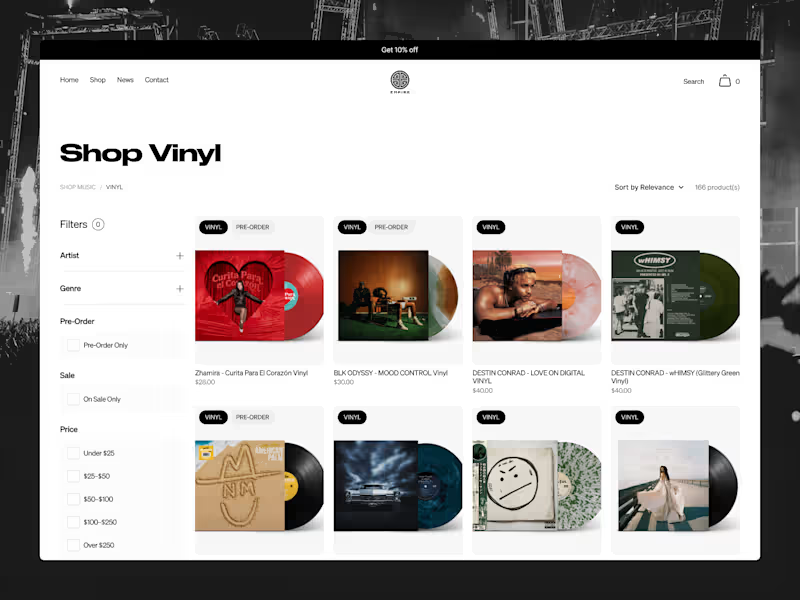
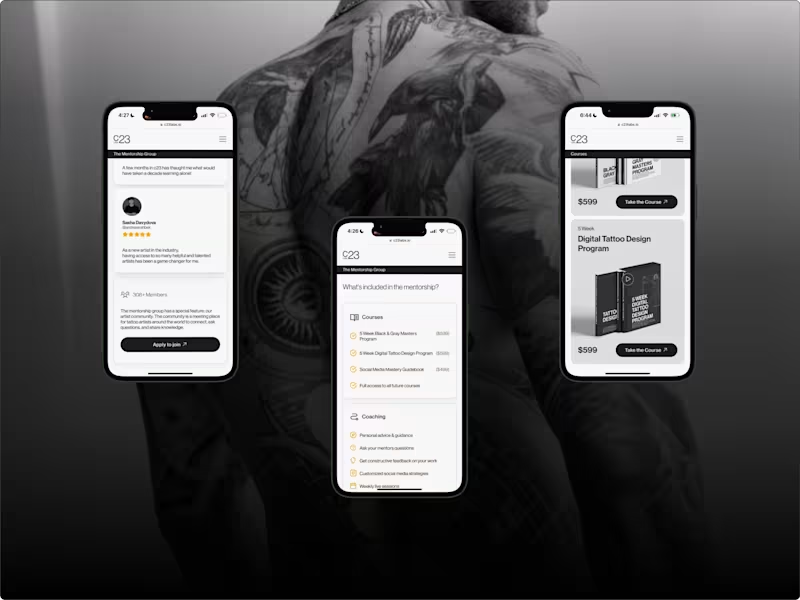
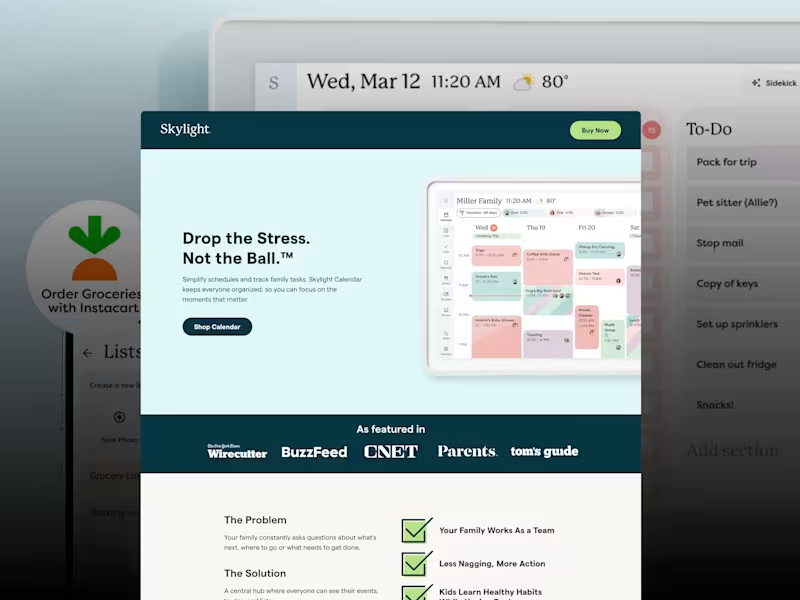
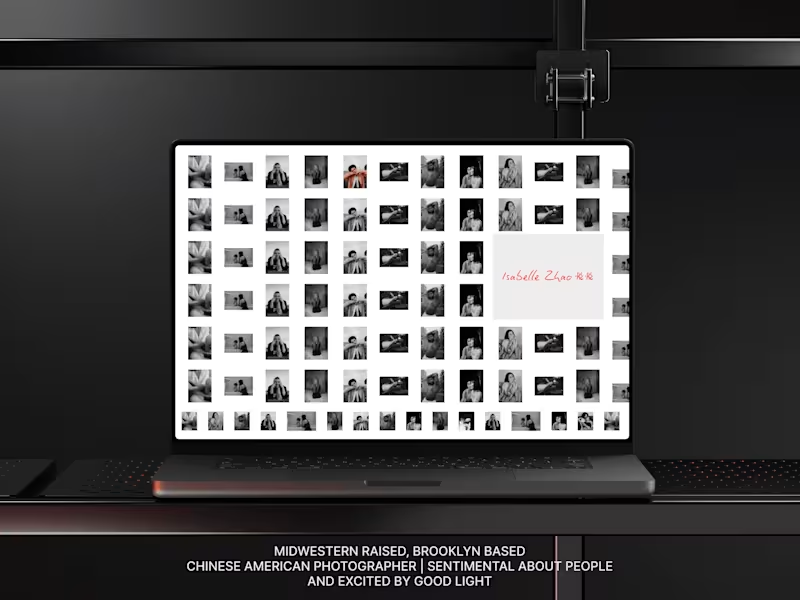
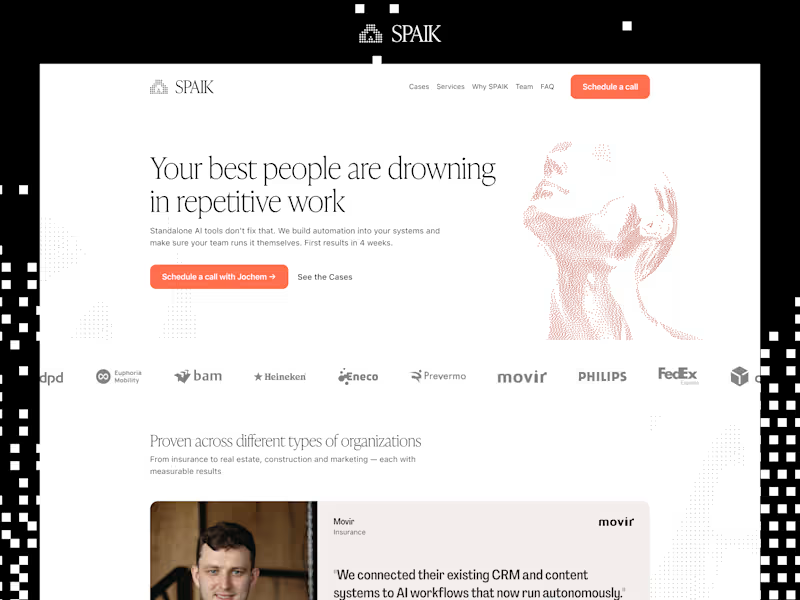
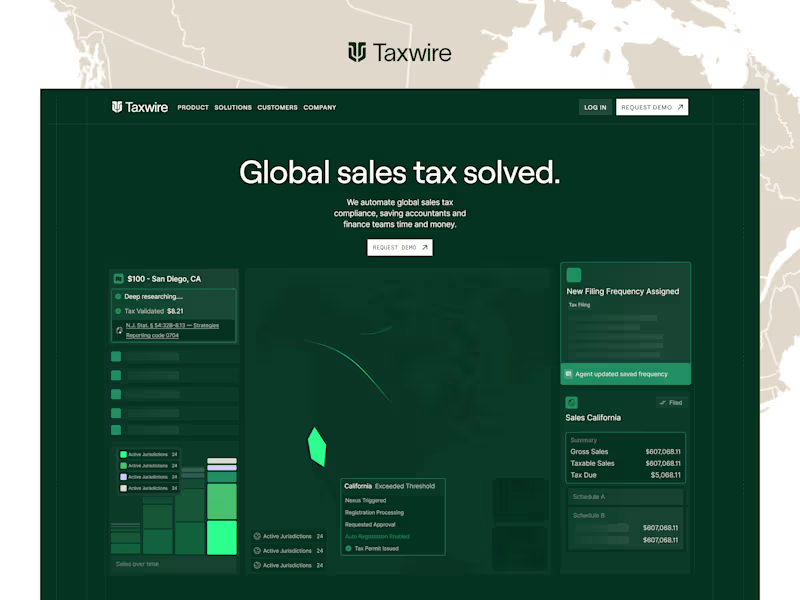
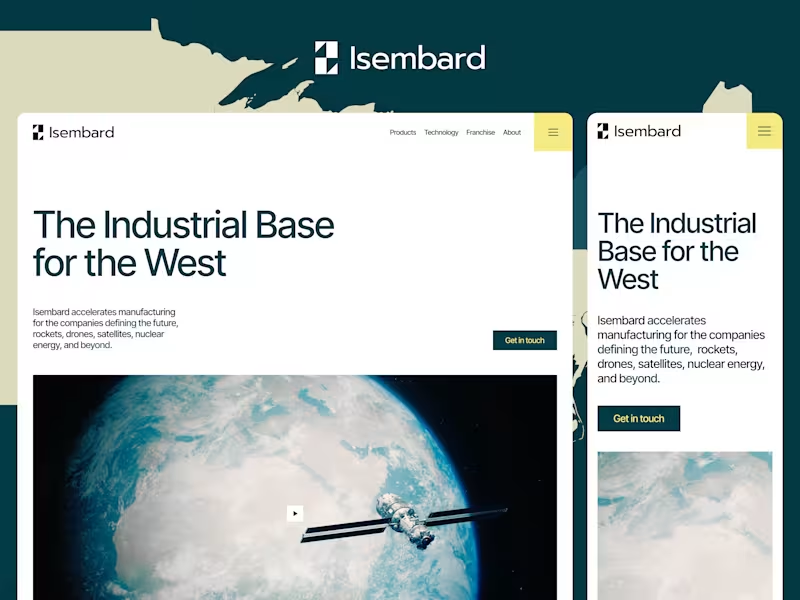
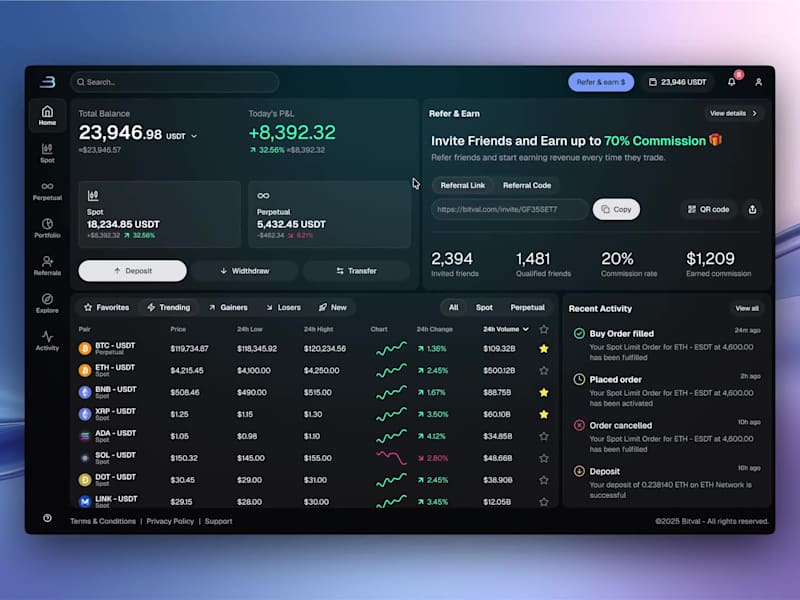
Look for work that shows similar styles or functions to what you want for your website. Notice how they handle creativity and functionality. Check if their past projects load quickly and look good on mobile devices. This tells you they understand important web design principles.
What is a realistic timeline for a web design project?
The timeline can depend on the project's complexity. Simple sites might take a few weeks, while complex ones could take months. It's crucial to discuss the timeline with your designer when starting. Having a clear deadline keeps everyone on track.
How do I ensure the web designer understands my brand?
Share your brand guidelines, like colors, logos, and tone. Talk about your audience and what makes your brand unique. Clear communication ensures your website truly represents your brand. The designer can create something that fits your brand style.
What deliverables should I expect from a web designer?
Common deliverables include the overall design layout, individual page designs, and any graphics or icons. You may also receive style guides and technical documents. Make sure you discuss and agree on these deliverables at the start.
How can I track progress on my web design project?
Set up regular check-ins with the designer. Weekly updates can keep you informed and allow you to provide feedback. Some designers use project management tools to share progress. Seeing regular updates helps you feel confident that the project is moving forward.
How do I agree on changes and revisions with a web designer?
Discuss how many rounds of revisions are included in your agreement. Make sure both sides are clear about how feedback is given and changes are made. This sets expectations and avoids confusion. Having written notes of each discussion helps keep things clear.
How do I prepare for the launch of my new website?
Double-check all the links, images, and content before going live. Consider a beta test where a few people visit the site to find any problems. Plan announcing the launch on your social media or via an email to your audience. This preparation helps ensure a smooth launch.
How do I make sure my website stays updated after it's completed?
Discuss future updates and maintenance with your designer. Websites need regular care, like software updates and adding new content. Consider setting up a maintenance plan. This keeps your site secure and fresh for visitors.
What should I do if I need additional features later on?
Think about future needs from the beginning. Mention any features you might consider adding later. A clear initial plan can leave room for growth. This ensures that your website can adapt to future business goals.
Who is Contra for?
Contra is designed for both freelancers (referred to as "independents") and clients. Freelancers can showcase their work, connect with clients, and manage projects commission-free. Clients can discover and hire top freelance talent for their projects.
What is the vision of Contra?
Contra aims to revolutionize the world of work by providing an all-in-one platform that empowers freelancers and clients to connect and collaborate seamlessly, eliminating traditional barriers and commission fees.