





















How should I define the scope of my web design project?
Start by thinking about what you want your website to do. Make a list of the features each webpage should have, like a contact form or a photo gallery. Also, decide on a timeframe when you'd like the project done. These details help the web designer understand your needs.
What type of design style should I look for in a web designer?
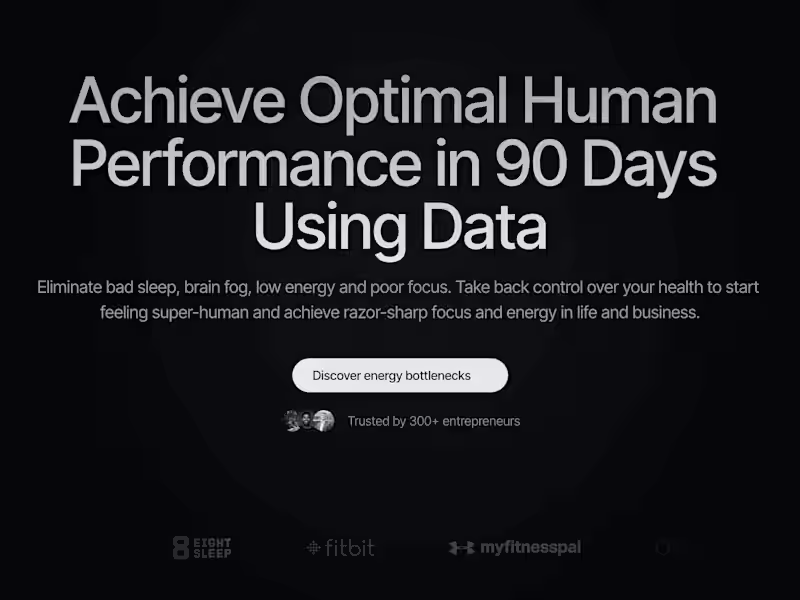
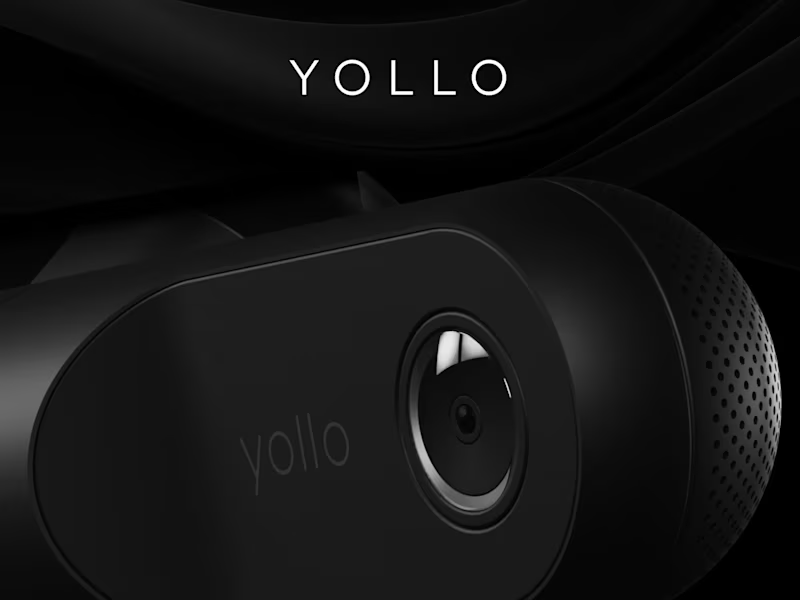
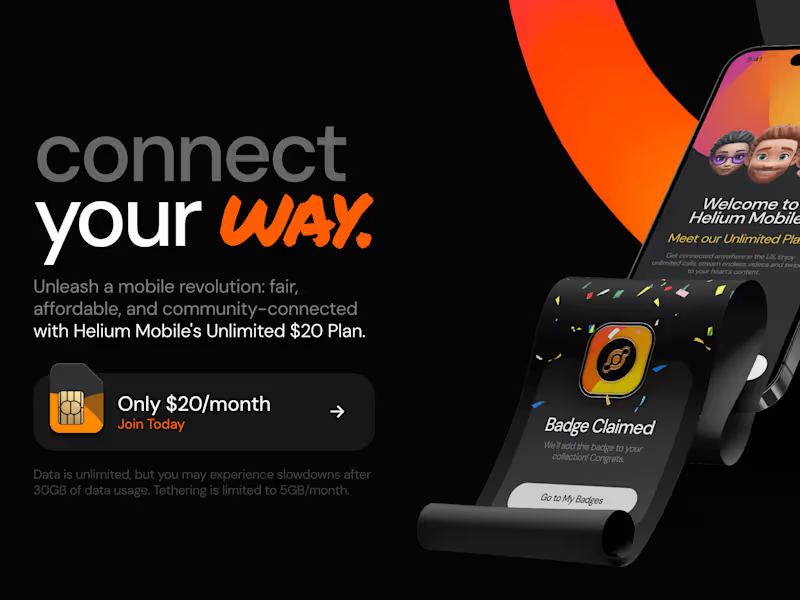
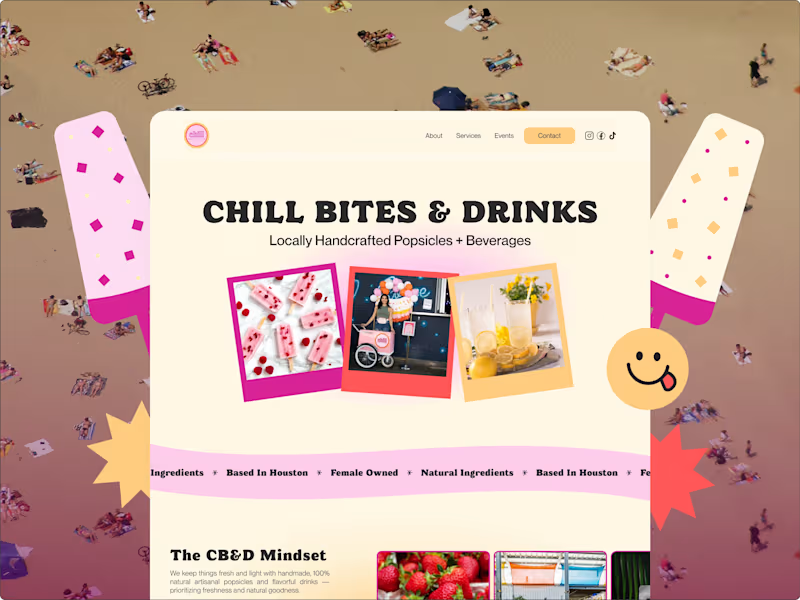
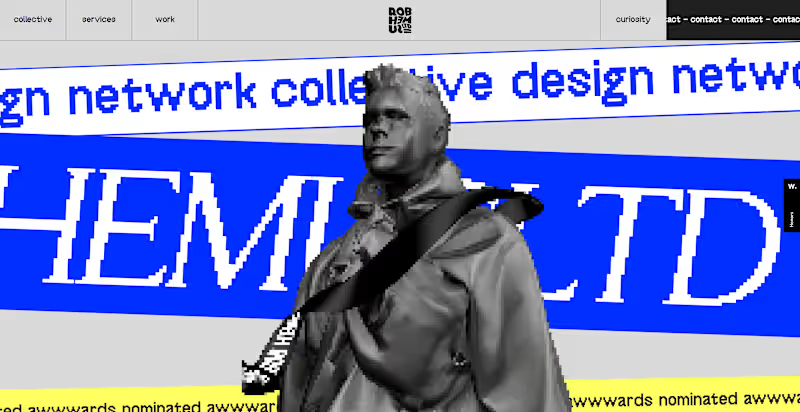
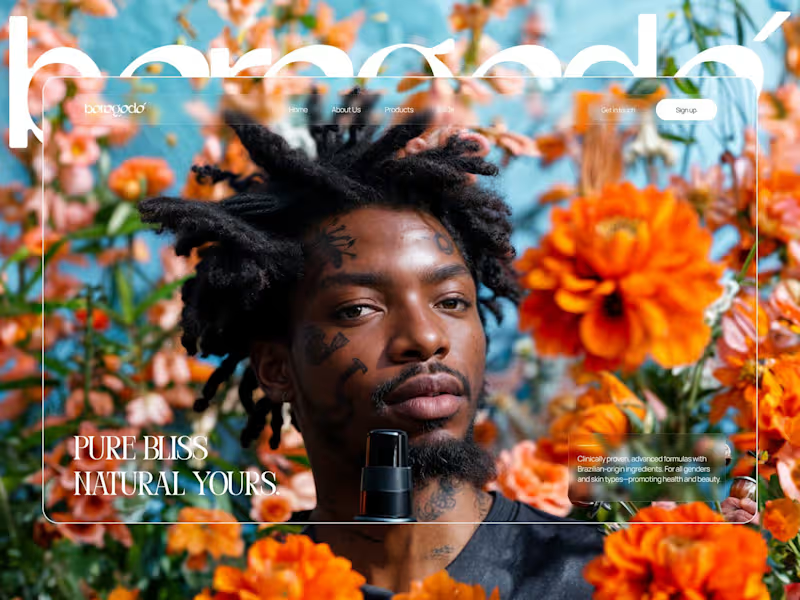
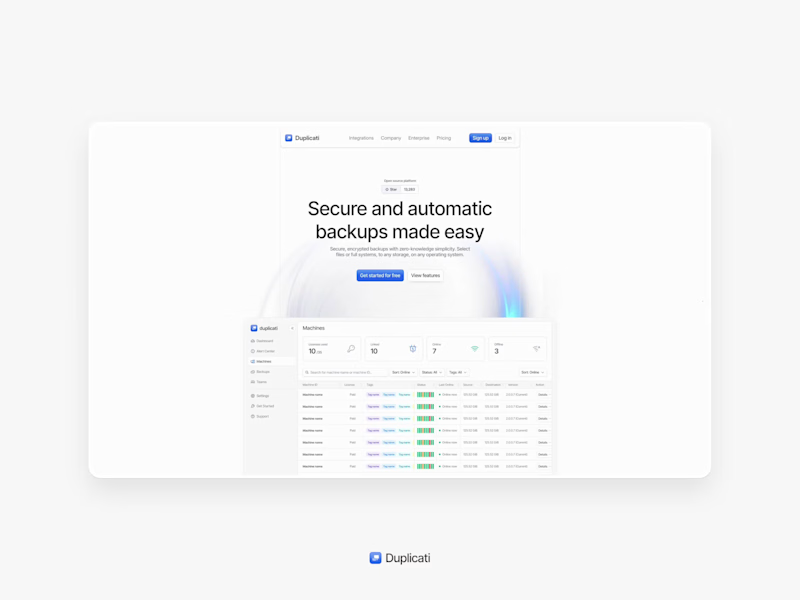
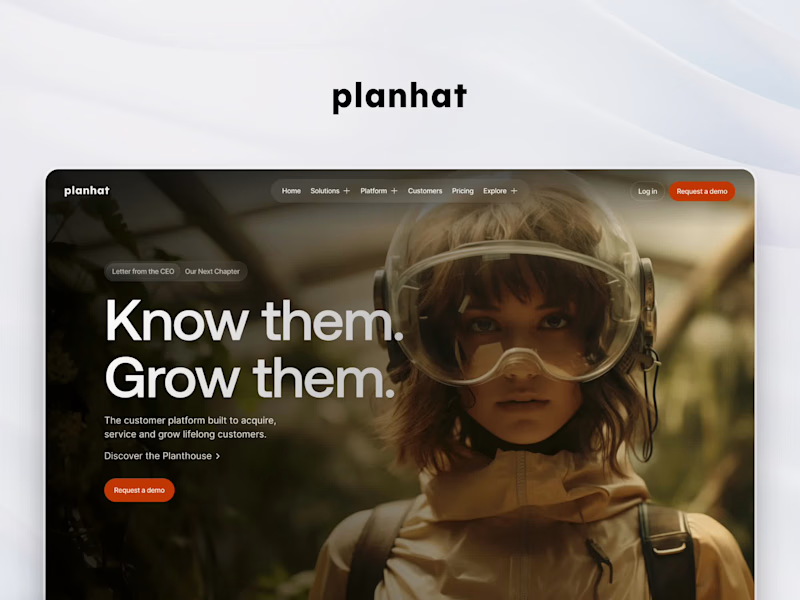
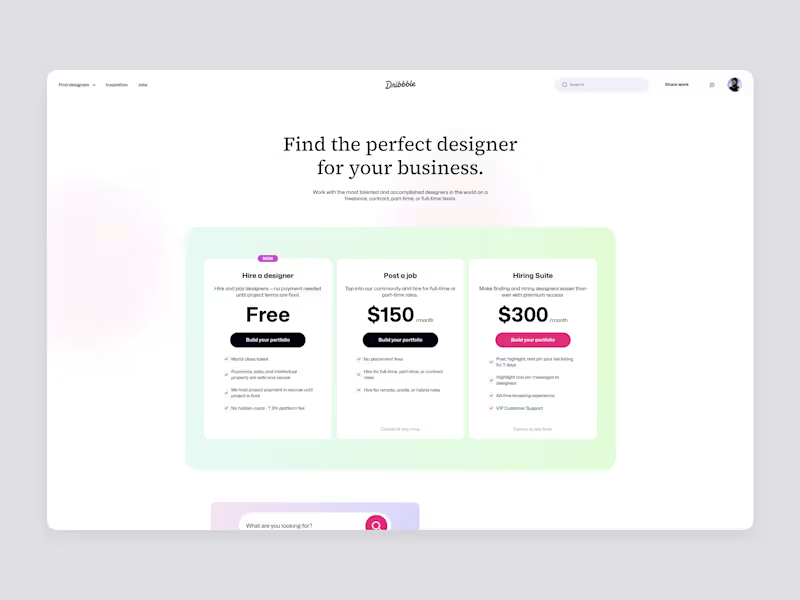
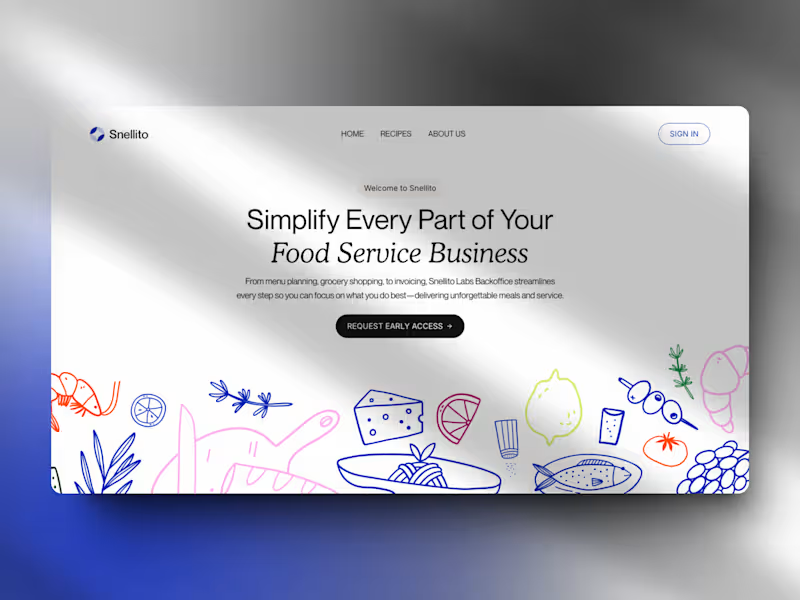
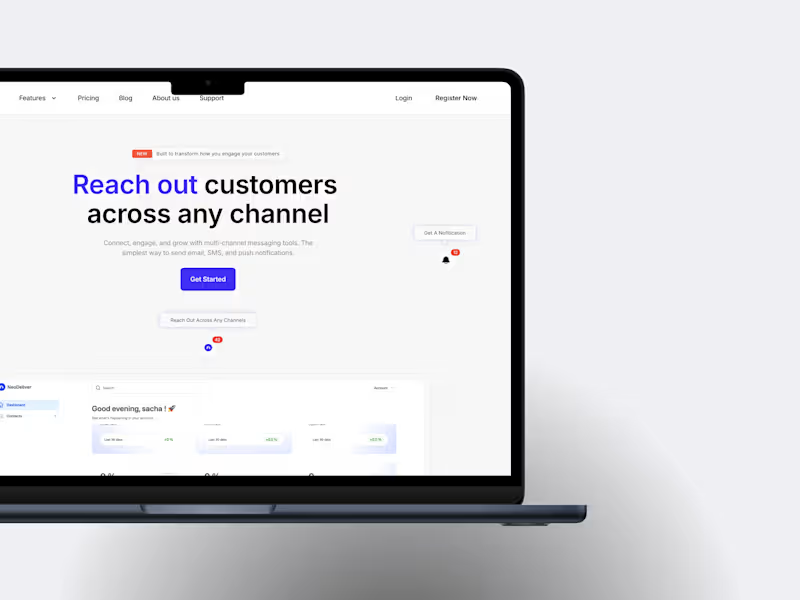
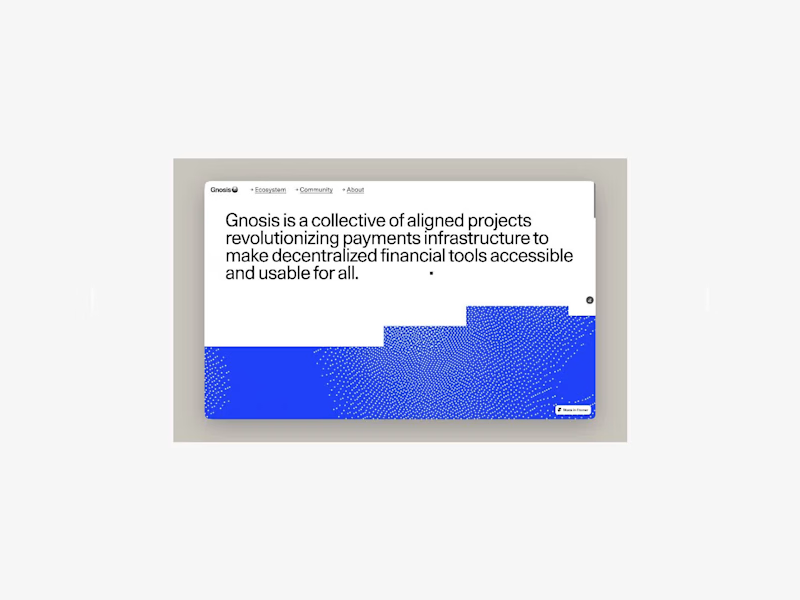
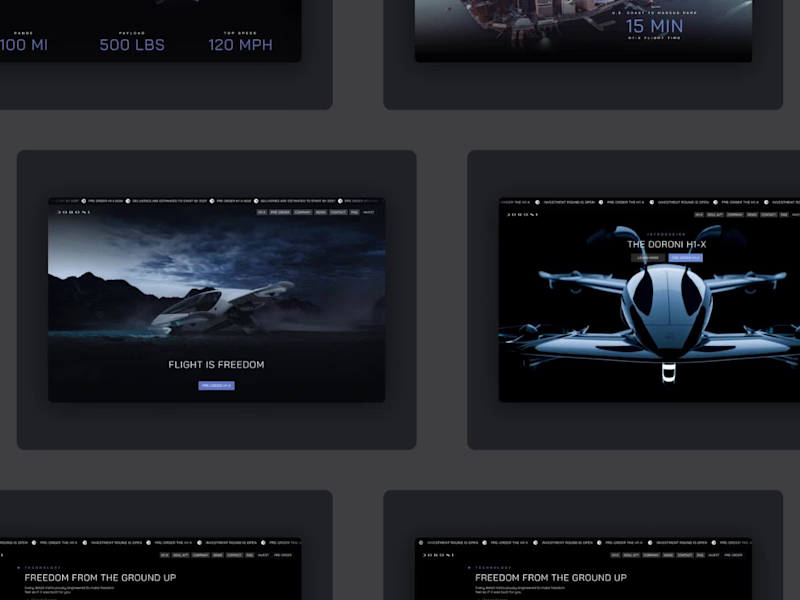
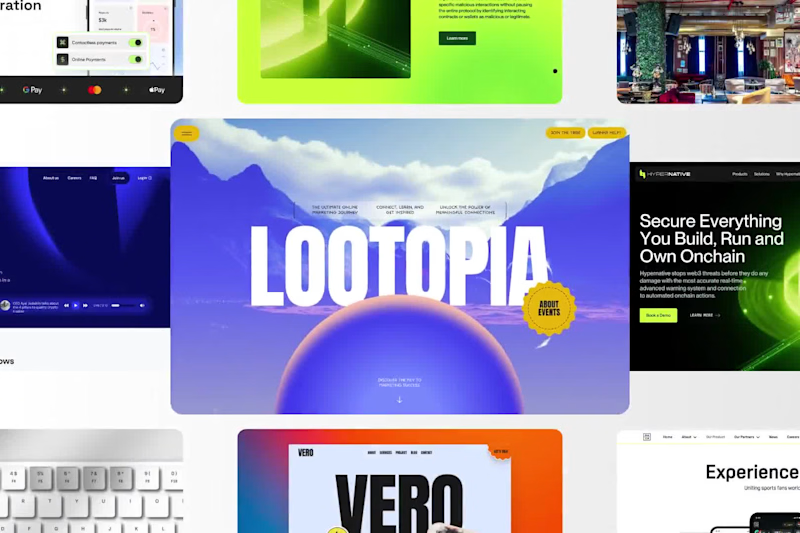
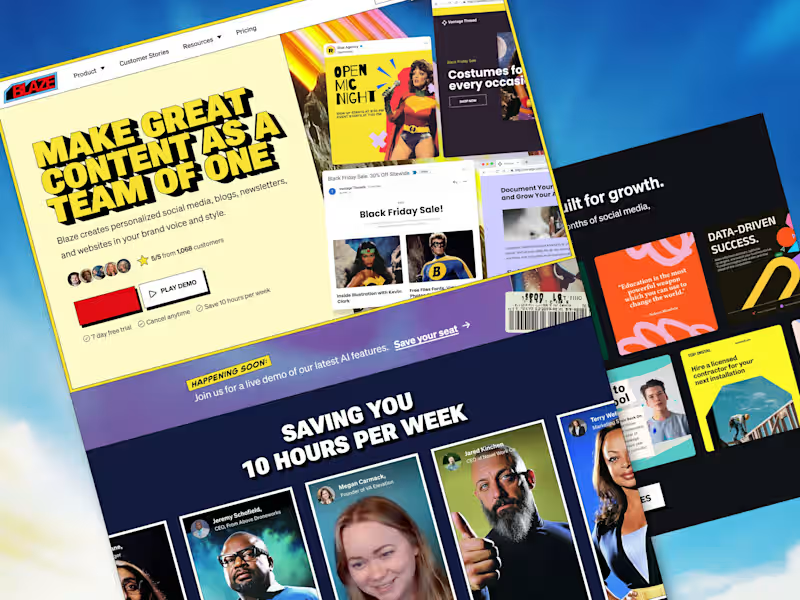
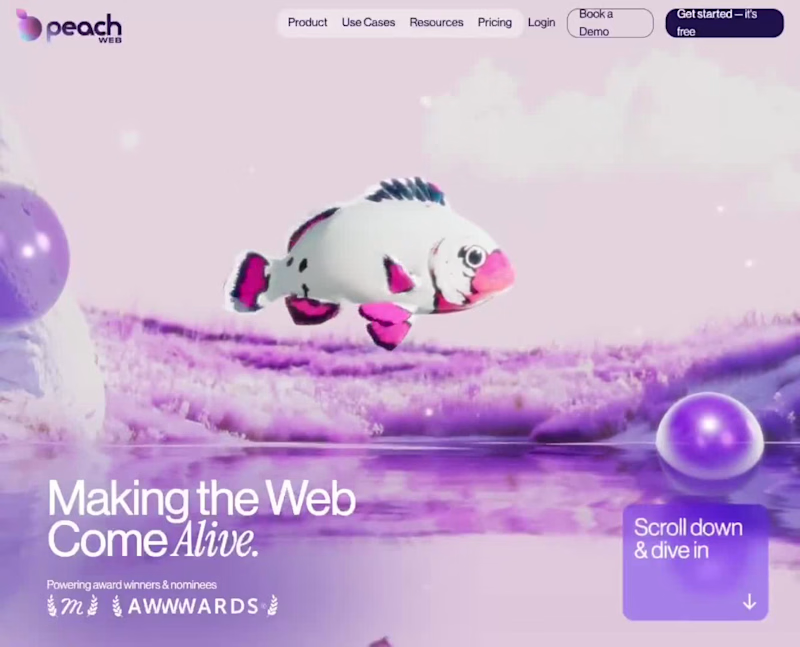
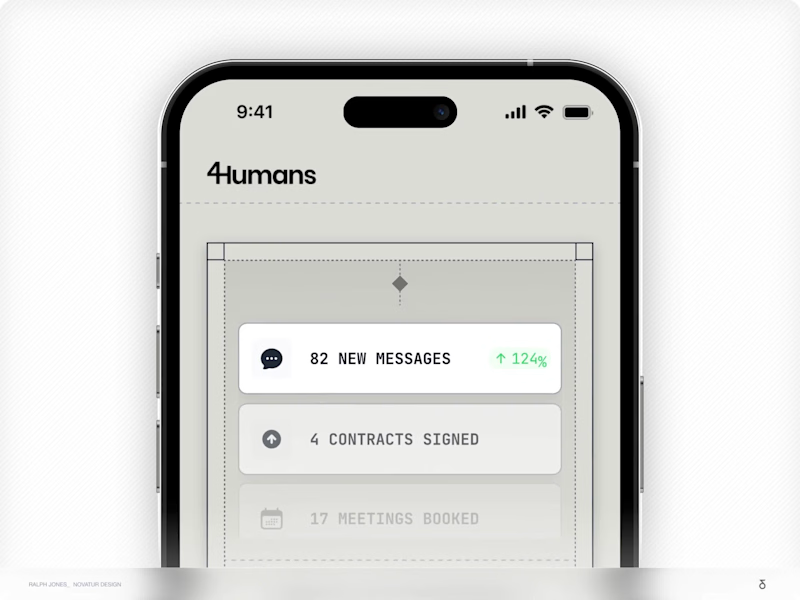
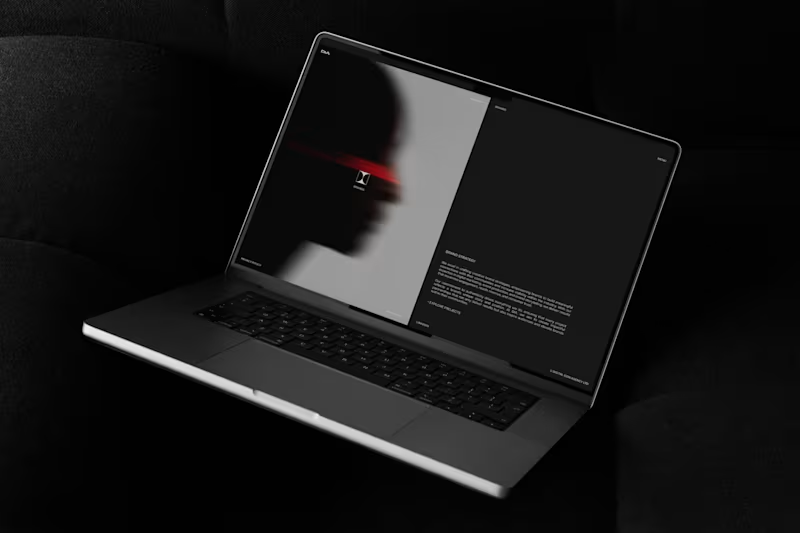
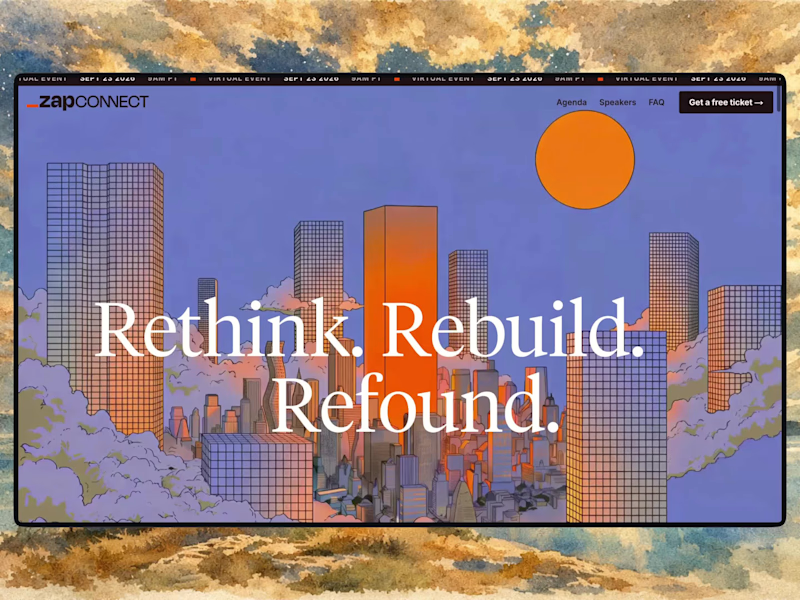
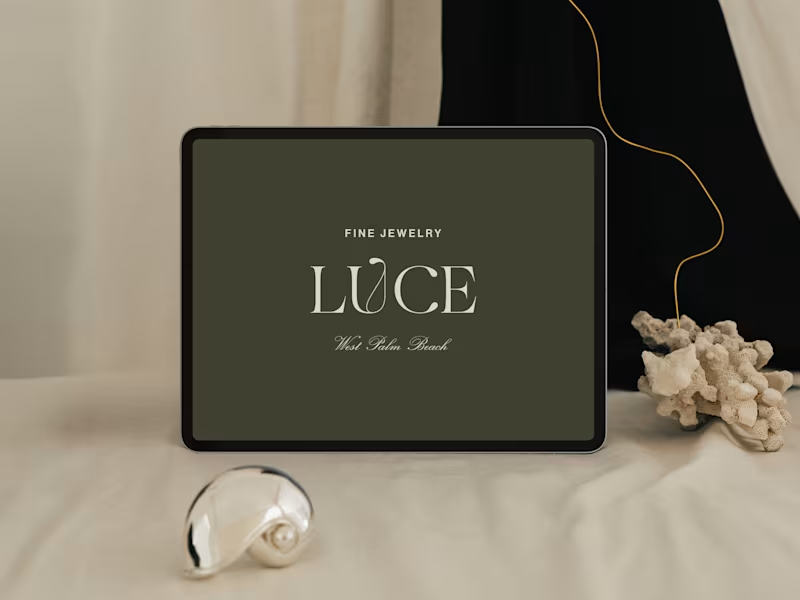
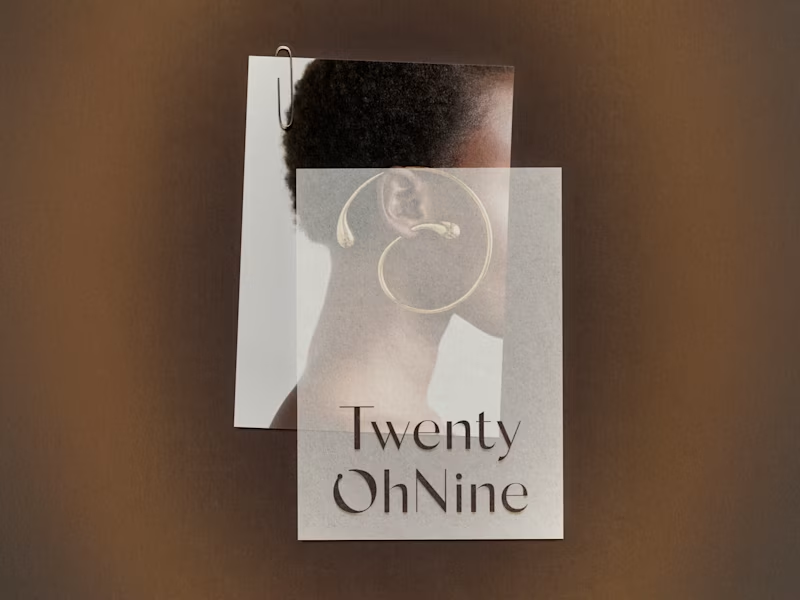
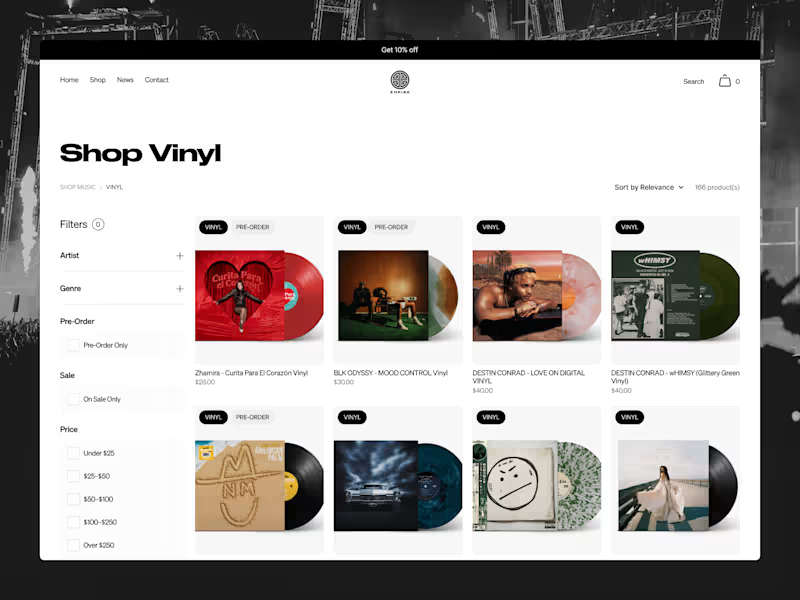
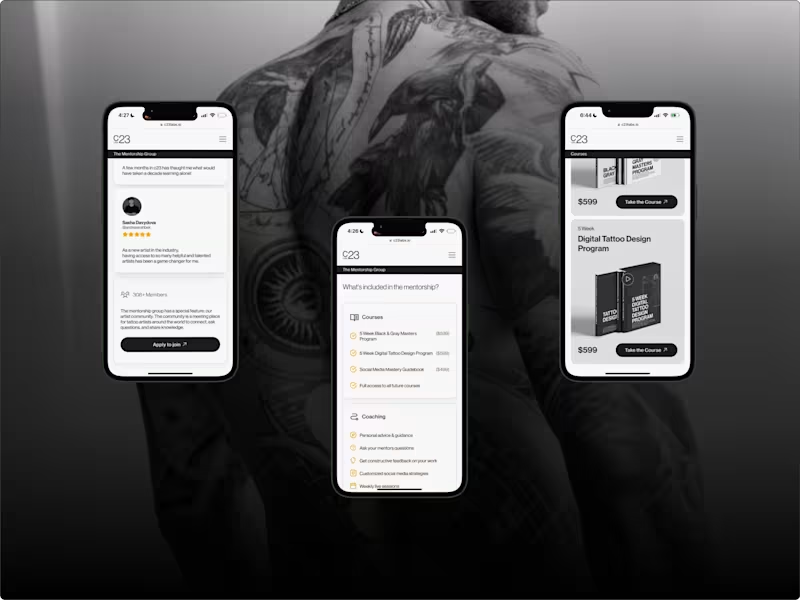
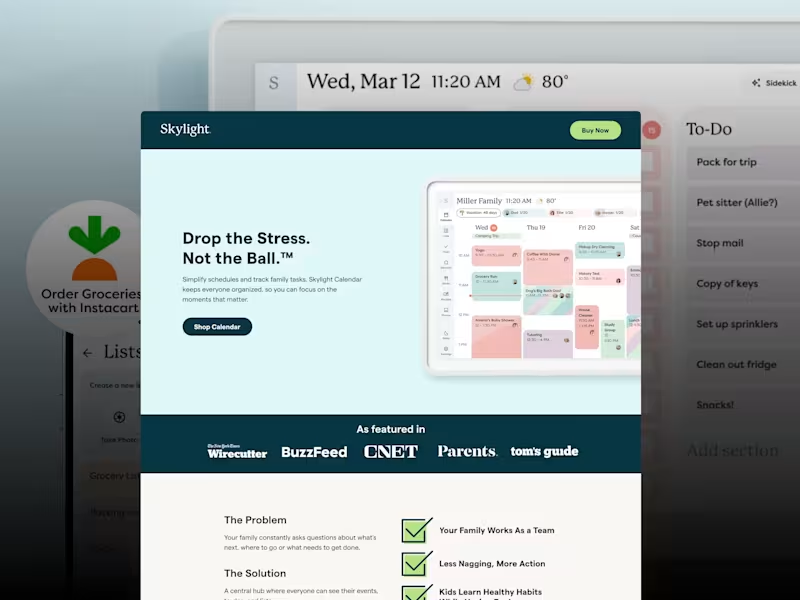
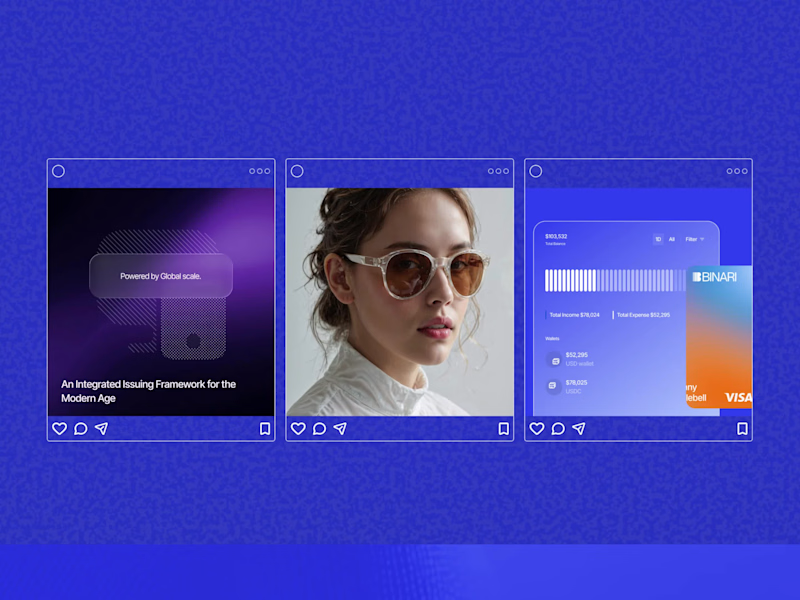
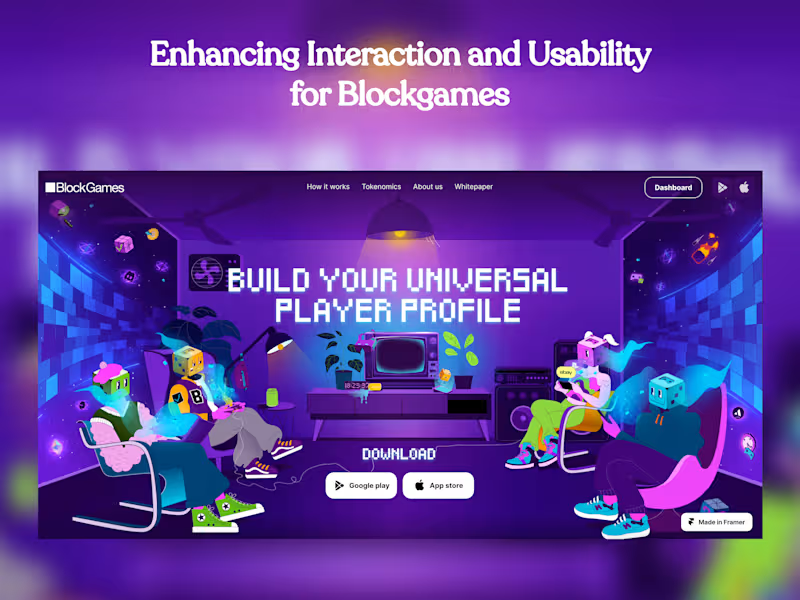
Consider the look and feel you want your website to have. Do you like bright and colorful or sleek and modern? Look at the designer's past work to see if they have a style that fits your vision. This will help ensure your website looks just like you imagined.
How important is it to see a web designer's portfolio?
A portfolio showcases the designer's previous work and skills. By reviewing it, you can see if their design style aligns with your vision. It's like checking someone's report card to see how well they did. A good portfolio means they can probably do your project well, too.
Why should I discuss the project timeline with the designer?
A clear timeline helps ensure everyone knows when things need to be done. Discussing this with the web designer helps them create a plan to meet your deadlines. It also keeps the project smooth and stress-free, like having a schedule for when to do your homework.
What should I include when describing my project deliverables?
Deliverables are the results you expect from the project, like a complete website with a home page, blog, and contact form. Be specific about what each deliverable should include. This helps the designer know exactly what to make for you, like a recipe gives a chef all the steps to cook a meal.
How can I check a freelance web designer's reliability?
Look for reviews or ratings from other clients who have hired them before. Happy reviews mean the designer is good at meeting client's needs. Also, check if they respond quickly to messages—this shows they are attentive and committed to their work.
What should I do to streamline communication with my web designer?
Set up regular check-ins or updates throughout the project. This keeps everyone informed about what’s happening next. Use simple tools like email or chat for quick questions to make sure you both stay on track. Good communication makes everything run smoothly.
Why is it important to agree on the design tools used?
Different designers use different tools to create websites. Make sure the tools they plan to use match with your needs, like if you want a website you can update yourself. This helps avoid any surprises and makes sure your project is done correctly and on time.
What should I discuss regarding post-launch support?
Decide if you might need help after the website is live. Some designers offer support for fixing bugs or updating content. It's like having a mechanic who's ready to help in case your car needs a tune-up. Planning this ensures you're not left without help if something goes wrong.
How do I ensure creative alignment with the designer?
Share examples of websites you like and explain why you like them. Discuss your brand's colors, fonts, and overall vibe. This helps the designer capture the essence of what you want, making the website truly yours.
Who is Contra for?
Contra is designed for both freelancers (referred to as "independents") and clients. Freelancers can showcase their work, connect with clients, and manage projects commission-free. Clients can discover and hire top freelance talent for their projects.
What is the vision of Contra?
Contra aims to revolutionize the world of work by providing an all-in-one platform that empowers freelancers and clients to connect and collaborate seamlessly, eliminating traditional barriers and commission fees.