





















What should I include in my web design project brief?
A project brief should have all the key details for a web designer. Start with a short description of your business and what you want your website to do. List the pages you need, like home, about, and contact. Tell them about your target audience and any special features you want. The clearer your brief, the better your designer will understand your needs.
How do I decide on the scope of my web design project?
Think about what you really need on your website. Start with the must-have features that will help your business. Make a list of all the content you want, like text and pictures. Decide on the main pages and any extra ones that might be nice to have. Your scope should be clear, so the designer knows what to work on.
What's the best way to evaluate a web designer's portfolio?
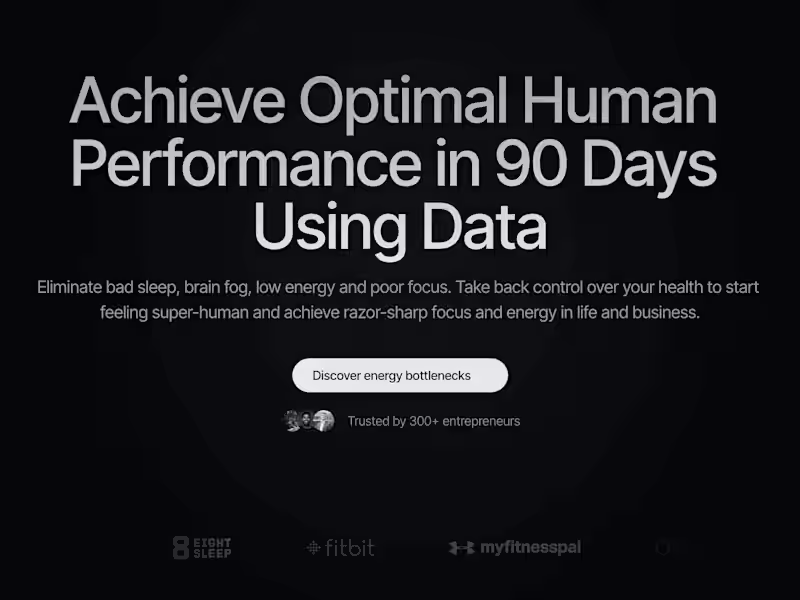
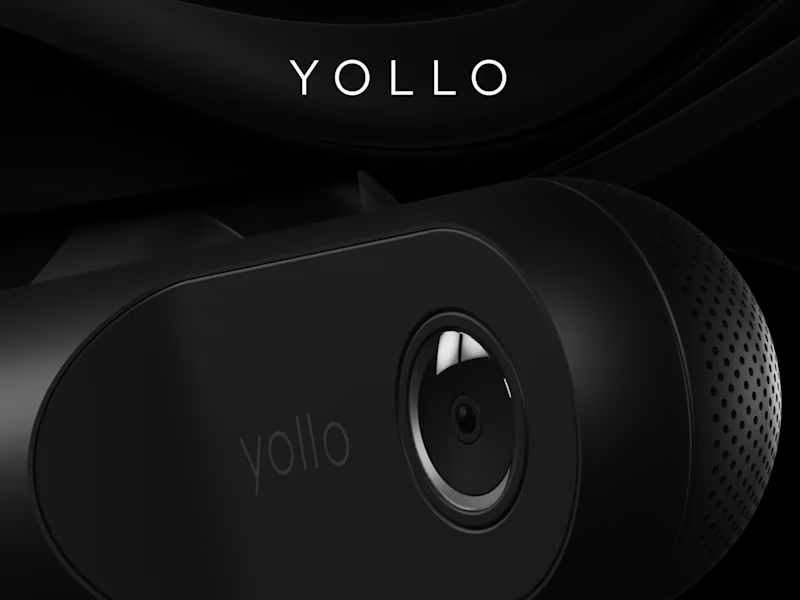
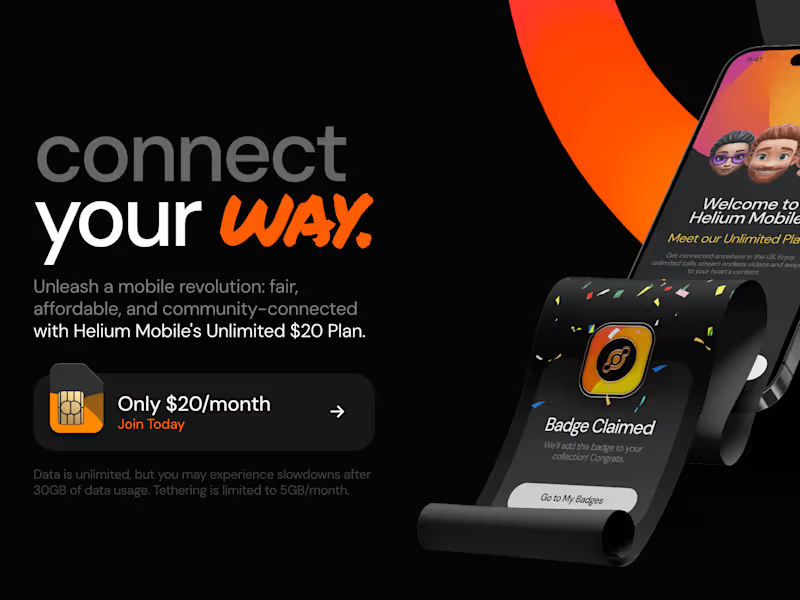
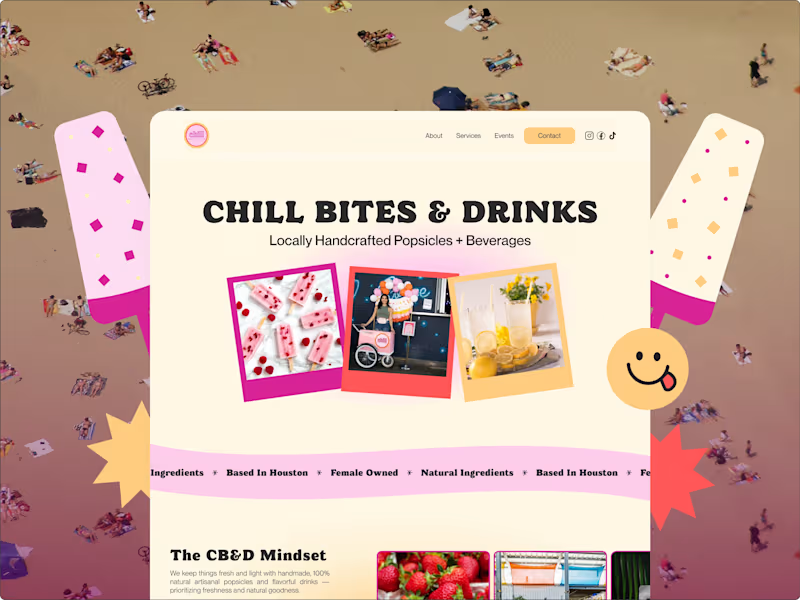
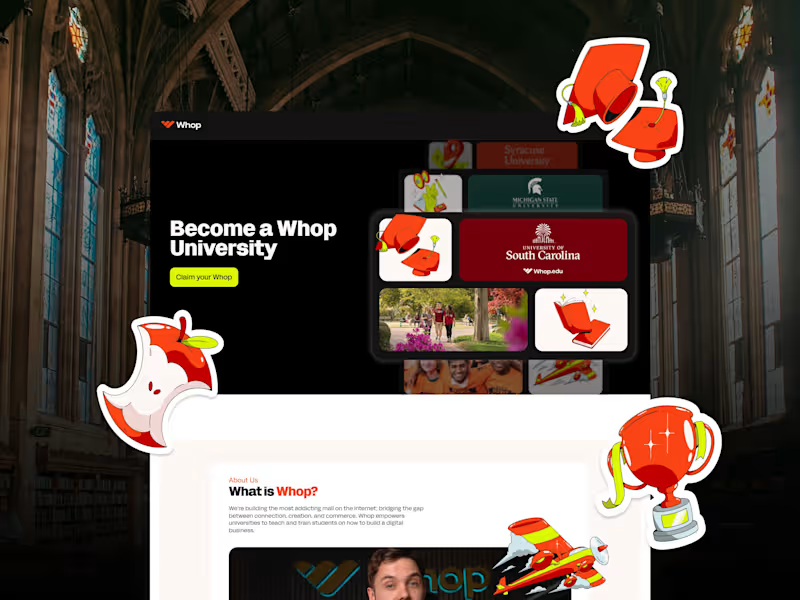
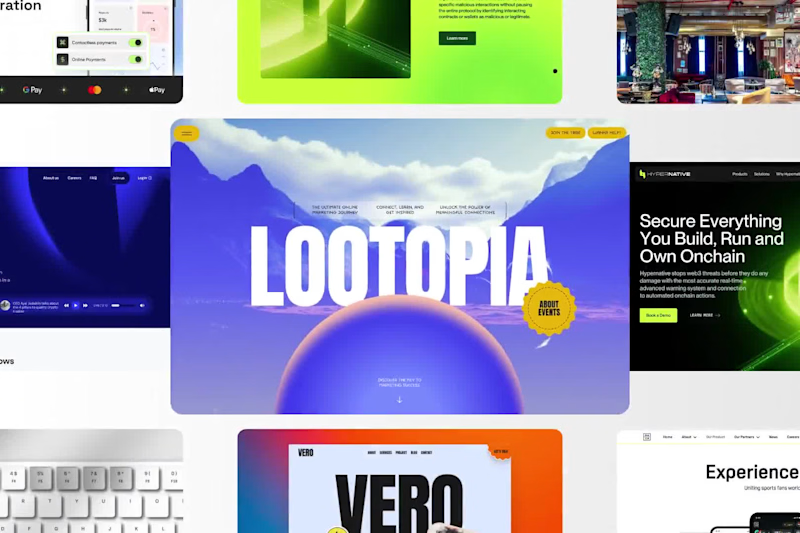
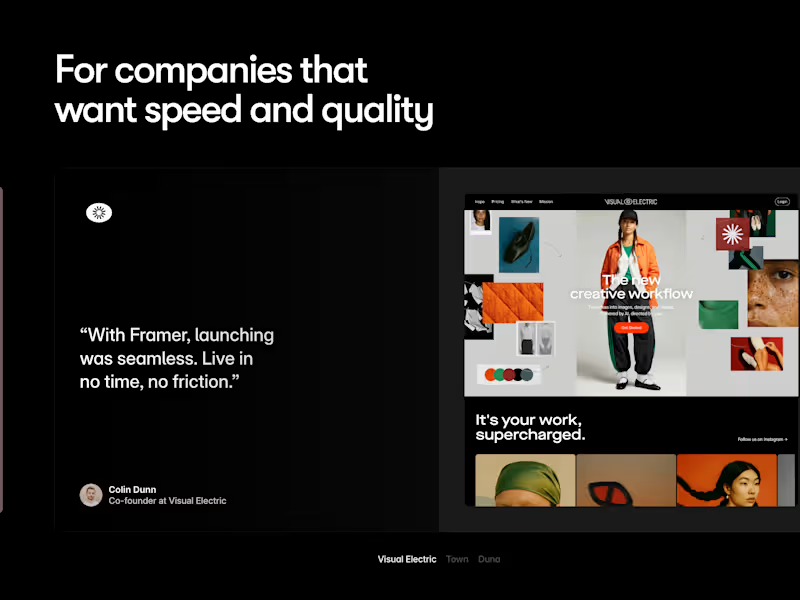
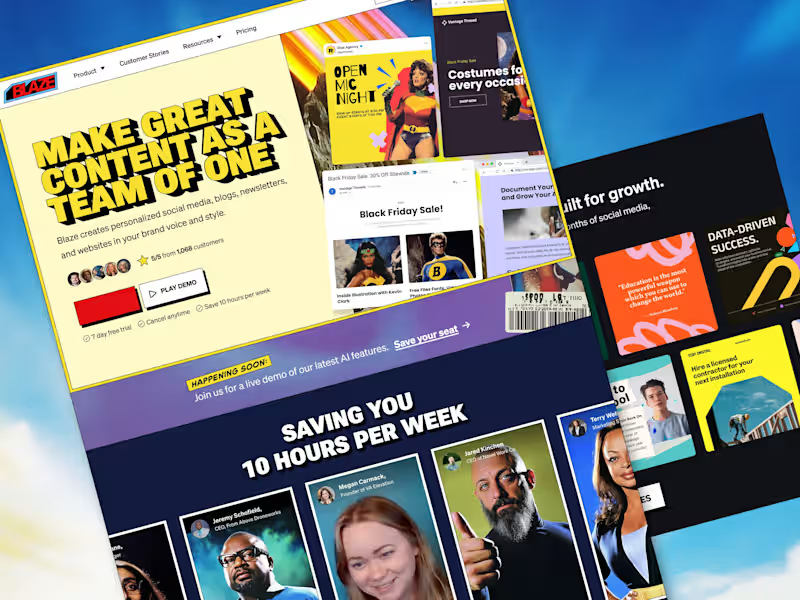
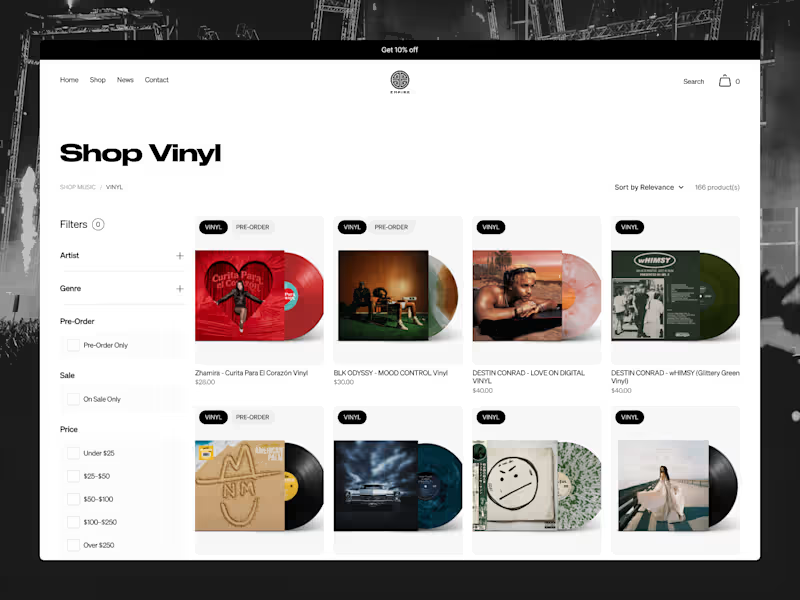
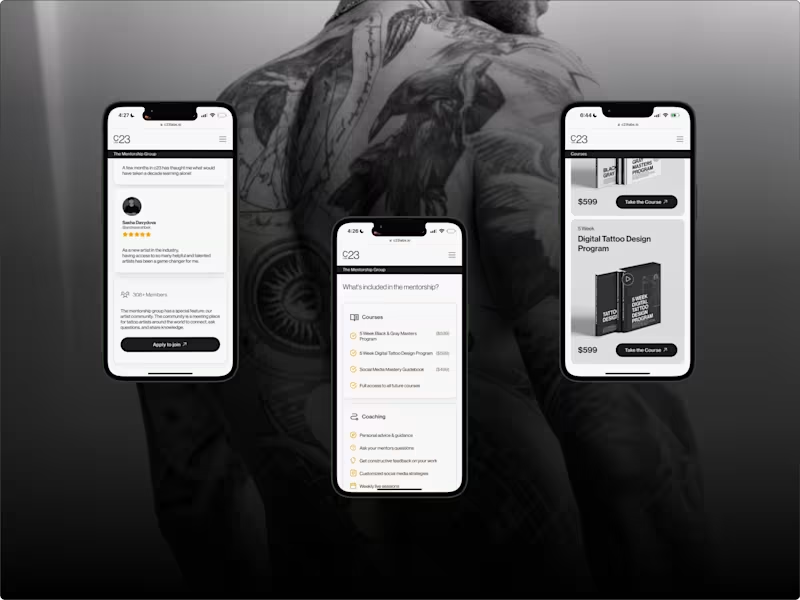
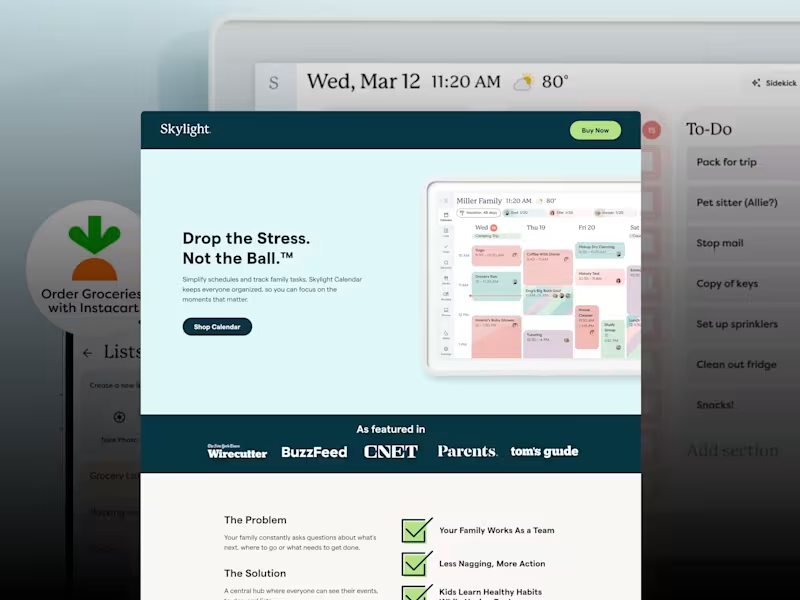
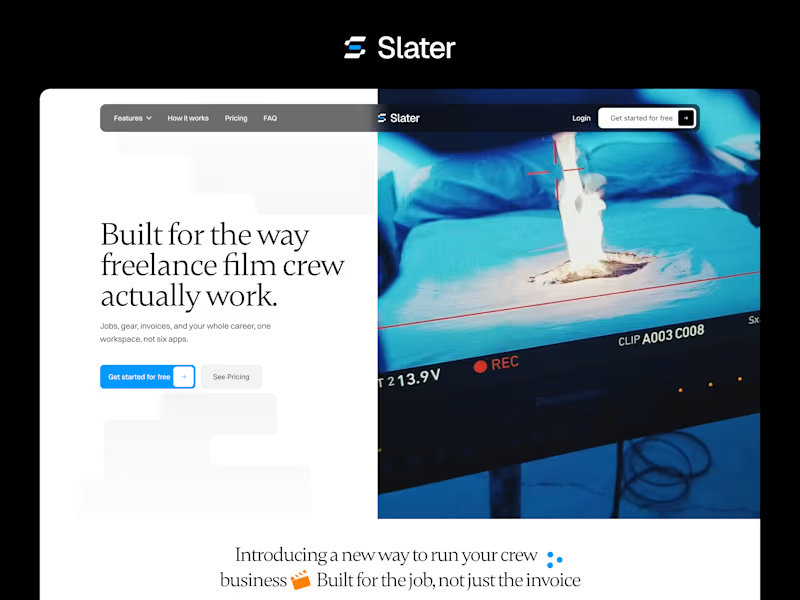
Look for a portfolio that matches your style and needs. Check if the websites are easy to navigate and look good on mobile devices. Pay attention to how creative and unique their designs are. See if they have experience in your industry or with similar projects. A strong portfolio shows they can bring your vision to life.
How can I ensure my project timeline aligns with the designer's availability?
Start by setting a clear deadline for your project. Ask the web designer about their current workload and availability. Be open to discussing the timeline and any flexibility you might have. Make sure your timeline fits with the designer's schedule. This helps in planning everything smoothly from start to finish.
What is the best way to agree on deliverables with a web designer?
List all the deliverables you expect, like mockups, different web pages, and revisions. Be specific about what you want to receive and when. Agree on a timeline for each step and when you should get updates. Clear deliverables ensure you and the designer have the same expectations. It keeps the project on track and successful.
How do I discuss periodic updates with a freelance web designer?
Talk about how often you want updates right from the start. Decide if you prefer weekly emails, video calls, or a shared document. Agree on milestones when bigger updates are needed. Regular check-ins make sure everyone is on the same page. This way, progress can be tracked easily.
What role do visual examples play in finding the right designer?
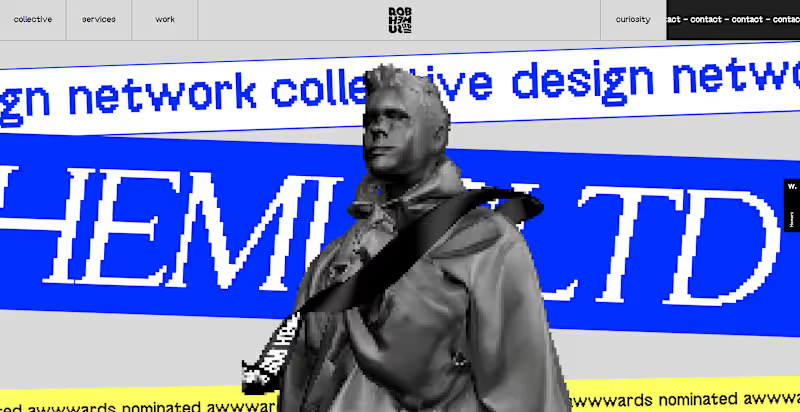
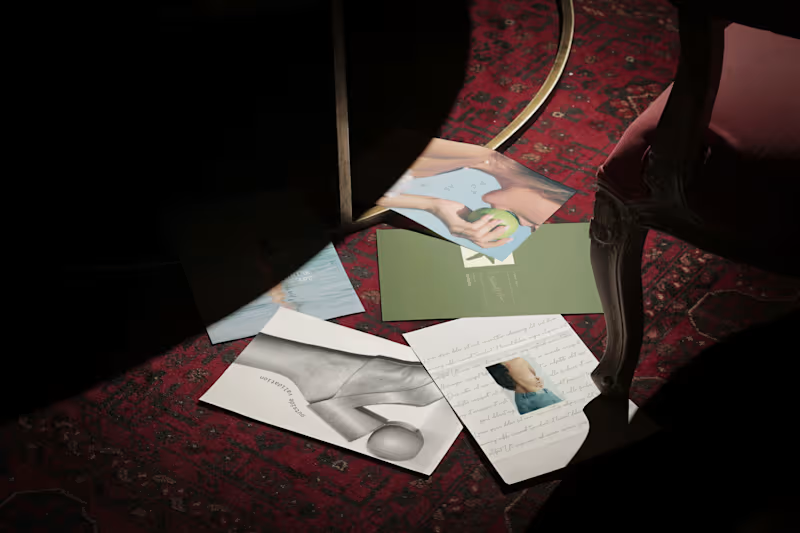
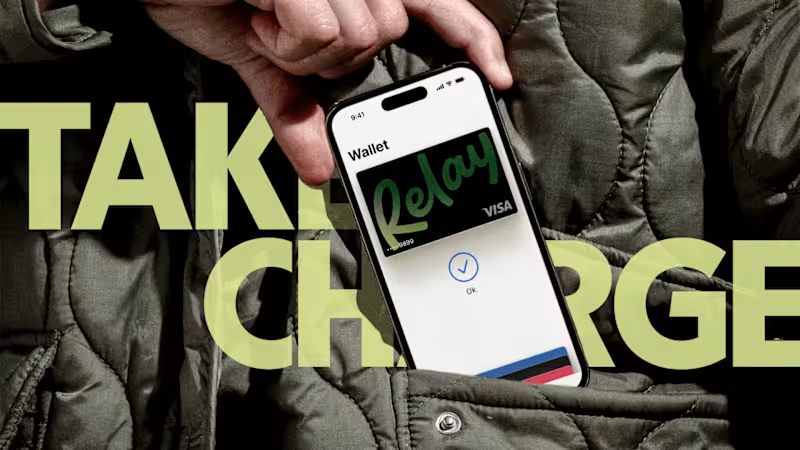
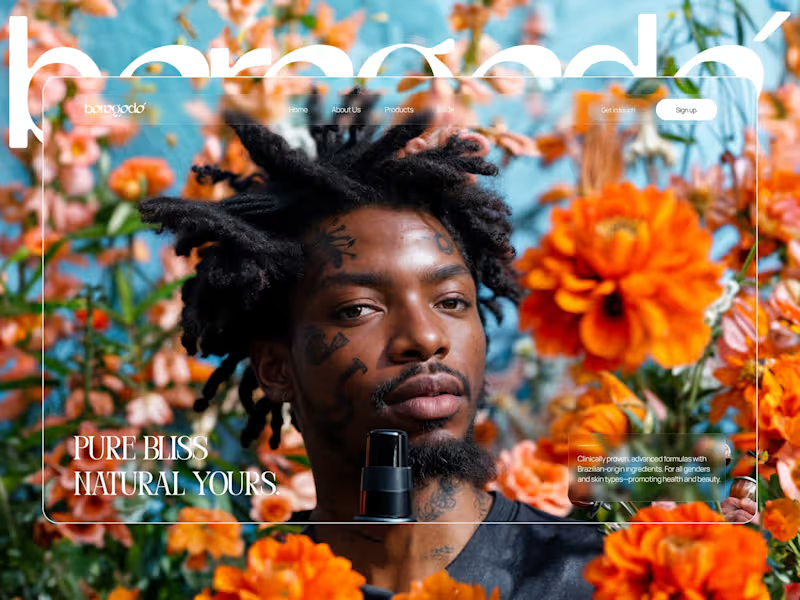
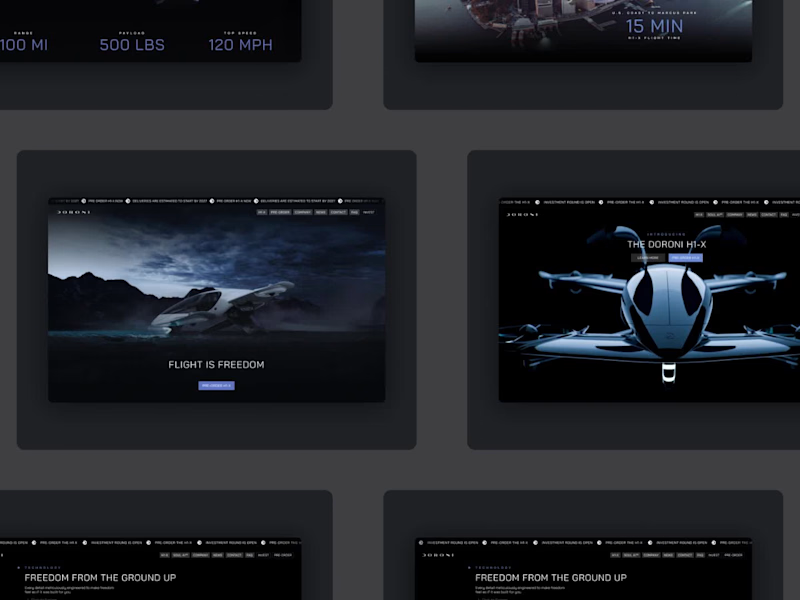
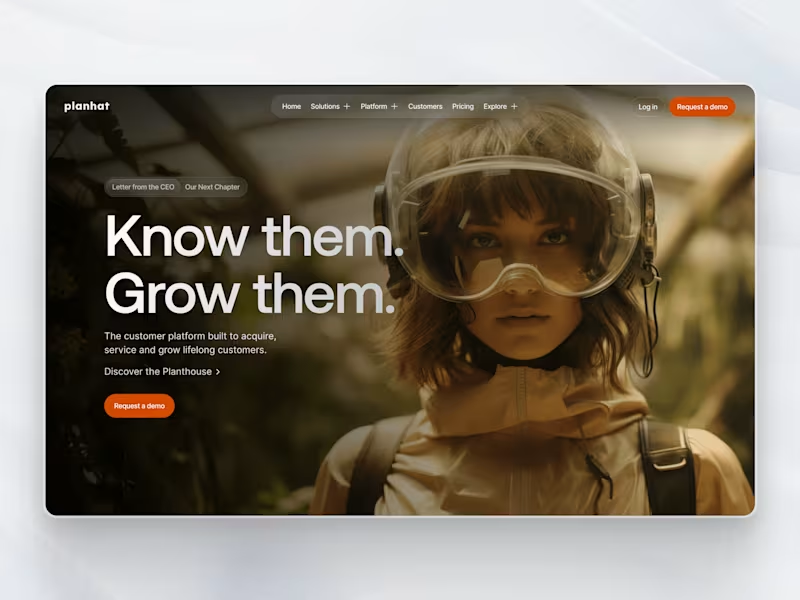
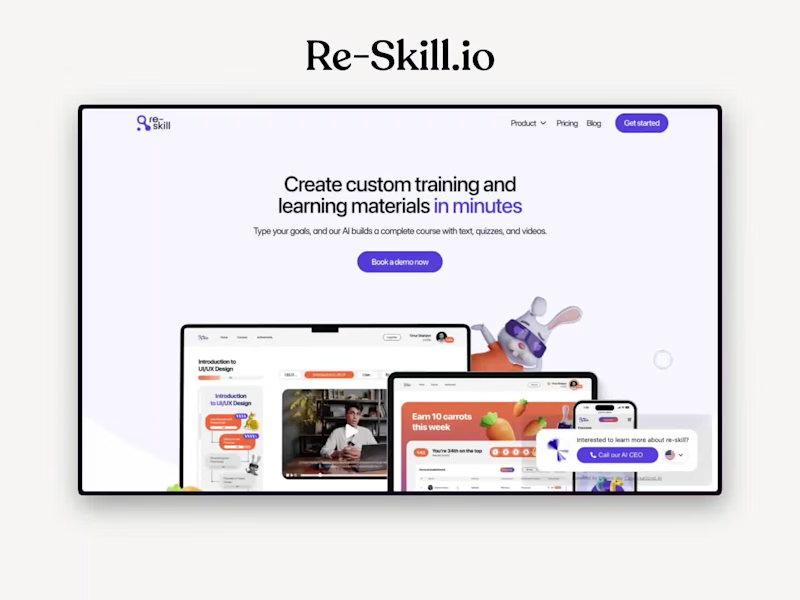
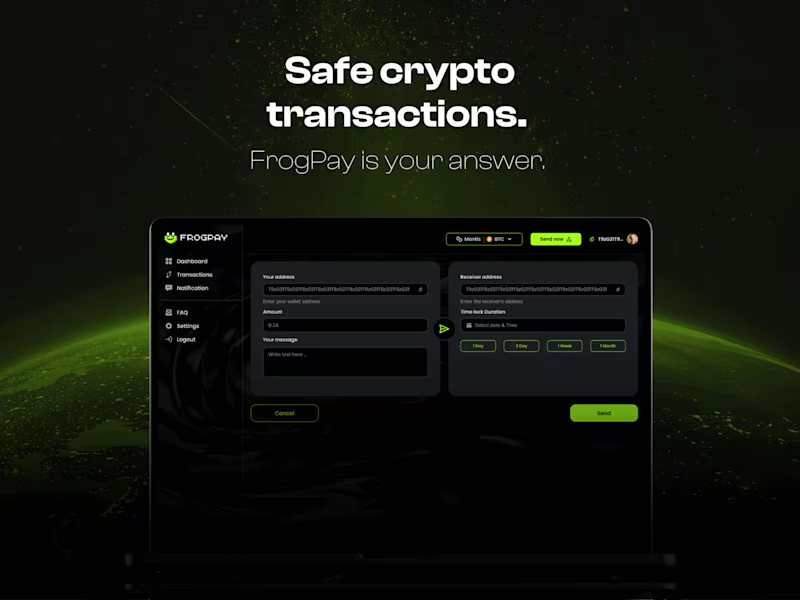
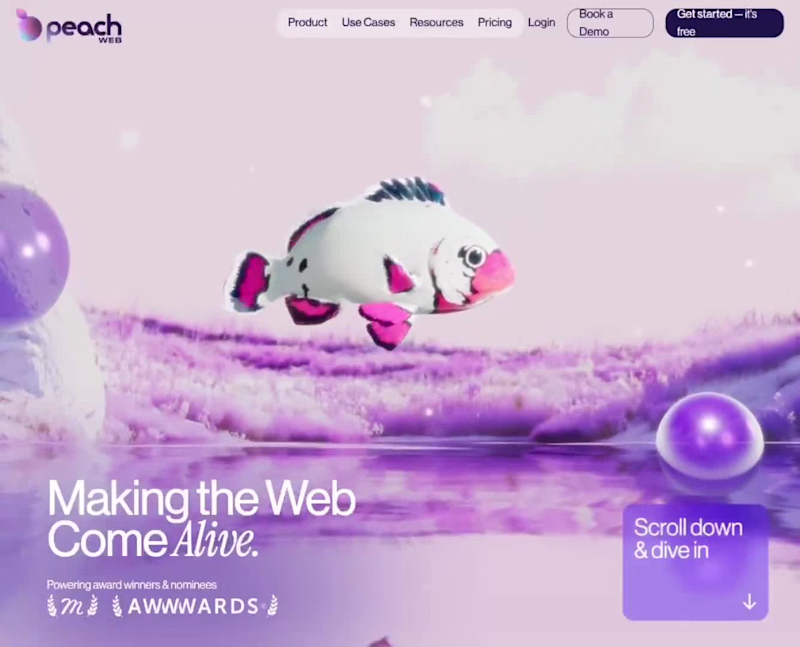
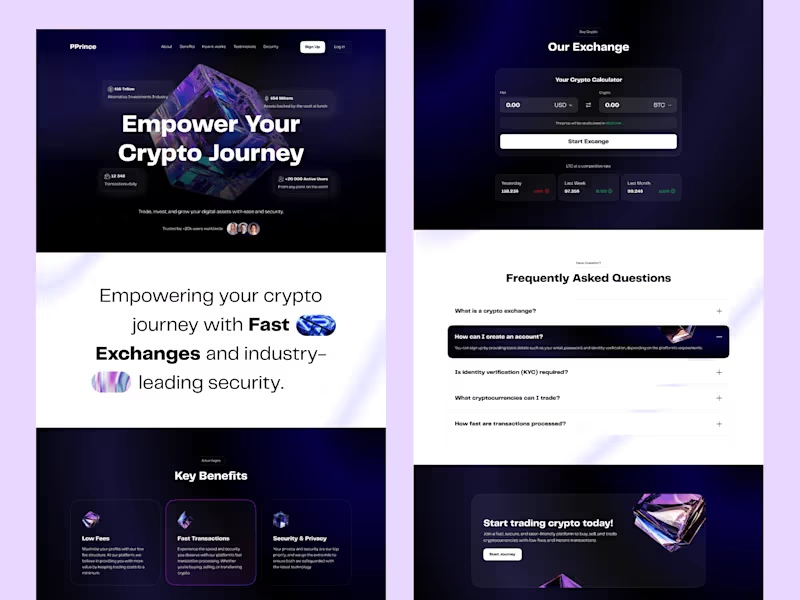
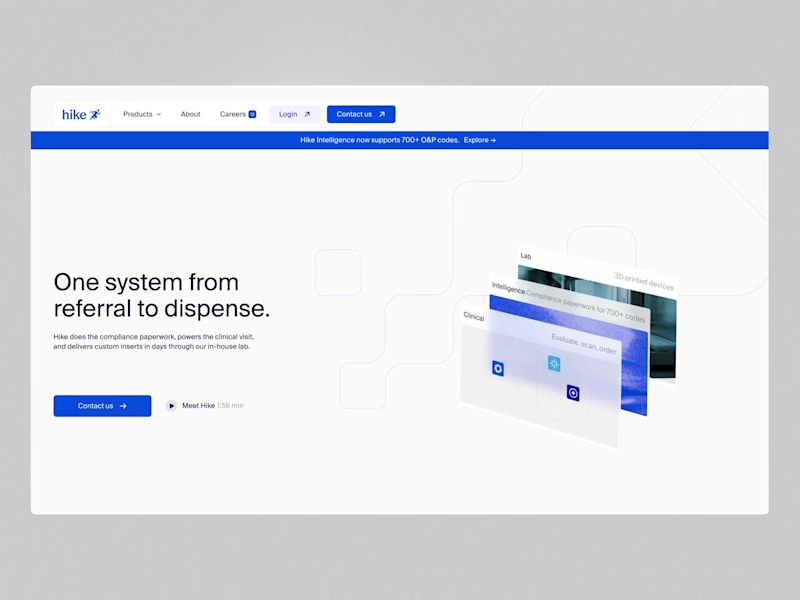
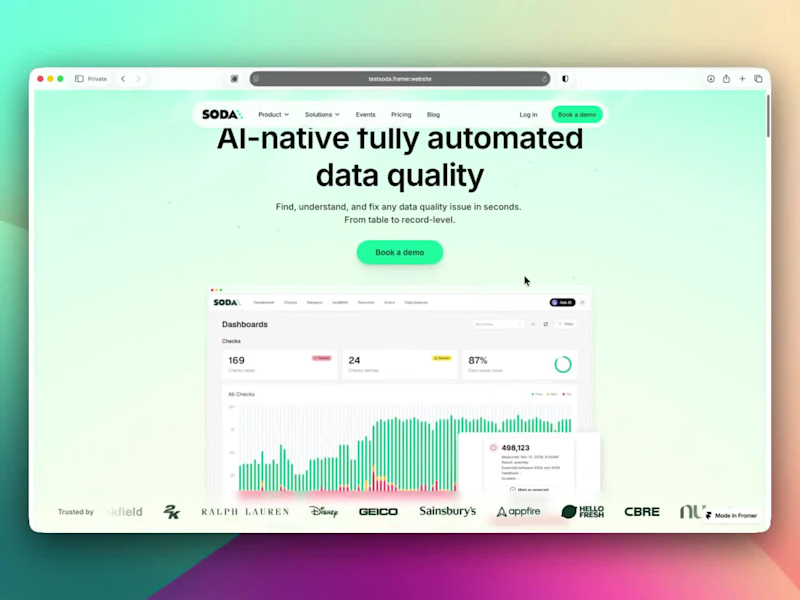
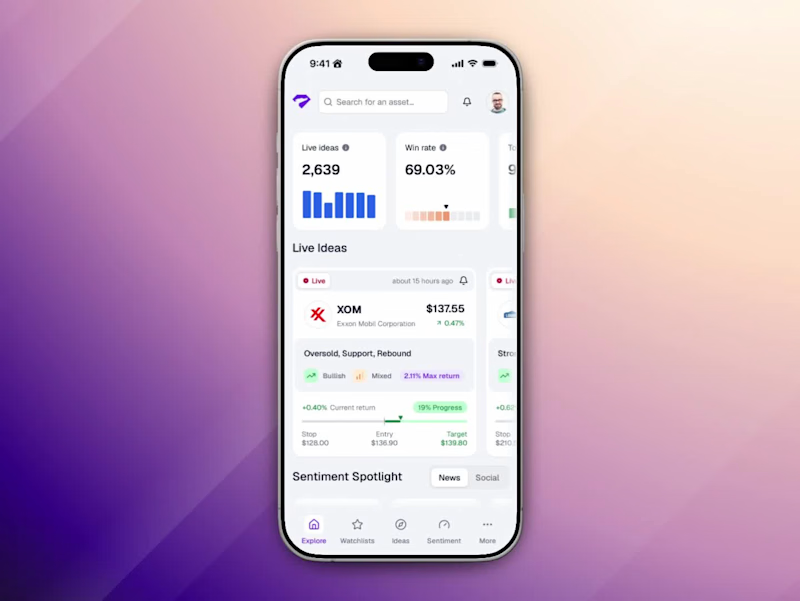
Visual examples help show what style you like for your website. Share websites you love and discuss what catches your eye about them. Ask the designer for examples of projects they think are similar. This helps the designer understand your vision better. It makes sure everyone shares the same design goals.
How can I set clear communication expectations with a web designer?
Decide on the best way to communicate, whether it's email, chat, or calls. Set a regular schedule for meetings or updates. Agree on response times for messages and questions. Clear communication keeps the project going smoothly. It helps the designer and you work well together.
How should I approach discussing technical requirements for my website?
List any tech tools or platforms you already use, like WordPress or Shopify. Talk about features you need, like contact forms or e-commerce. Ask the designer how they plan to meet these requirements. Make sure both of you understand the technical side of your project. This makes sure the website will work as you envision.
Who is Contra for?
Contra is designed for both freelancers (referred to as "independents") and clients. Freelancers can showcase their work, connect with clients, and manage projects commission-free. Clients can discover and hire top freelance talent for their projects.
What is the vision of Contra?
Contra aims to revolutionize the world of work by providing an all-in-one platform that empowers freelancers and clients to connect and collaborate seamlessly, eliminating traditional barriers and commission fees.