



















How can I clearly define the scope of my low-code/no-code project?
Begin with a simple description of what you want to achieve. Break the project into small parts to make it easier to understand. Include important things like timelines, goals, and any special requirements you might have.
What should I include in my project description to make it attractive to low-code/no-code developers?
List the main goals and the problem you want to solve. Explain the tools or platforms you prefer using. Mention any important deadlines or features that are needed.
How do I make sure the project's goals align with the developer's expertise?
Study their portfolio to see if their past work matches your goals. Talk about your expectations in detail. Ask if they have specific experience with tools like those you'll use.
What information should I give upfront to speed up onboarding?
Share your project's background and key objectives. Provide access to necessary tools or platforms. Be clear about any rules or ways of working that are important to you.
How can I set realistic deadlines for my low-code/no-code project?
Think about how complex your project is and how fast you need it done. Discuss timelines with the developer to see what they think is possible. Be flexible if updates are needed along the way.
What deliverables should I ask for in a low-code/no-code project?
Make a list of what you expect at the end of the project. These might include working prototypes or finished apps. Add a schedule of when certain parts should be ready.
How do I track progress once the project begins?
Set up regular meetings to talk about how things are going. Use tools to watch changes or updates to the project. Make sure communication happens often and is clear.
How can I ensure good communication during the project?
Agree on how you'll share updates and ask questions. Decide on tools and times that work for both of you. Being open helps stop small issues from turning into big ones.
What should I do to help avoid misunderstanding with my developer?
Explain your ideas using simple words and pictures if you can. Check their understanding by having them repeat key points back. Update your agreement if things change along the way.
Who is Contra for?
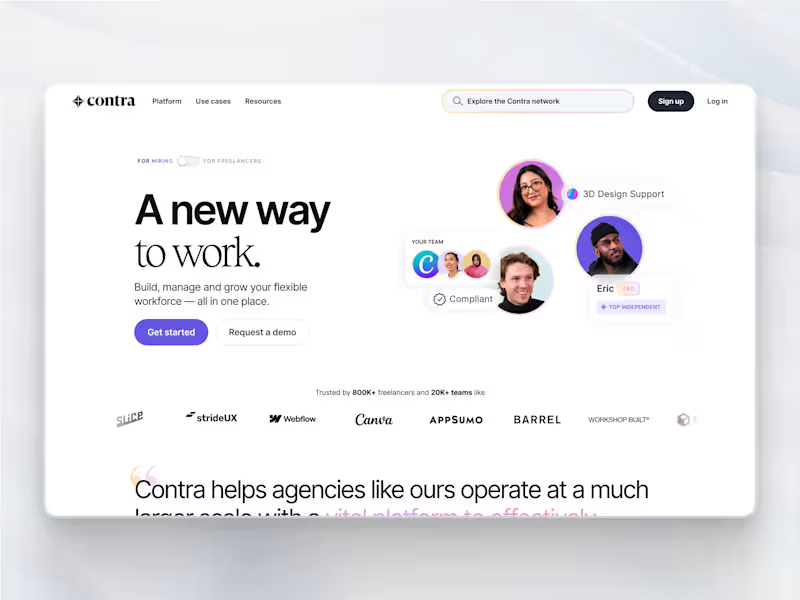
Contra is designed for both freelancers (referred to as "independents") and clients. Freelancers can showcase their work, connect with clients, and manage projects commission-free. Clients can discover and hire top freelance talent for their projects.
What is the vision of Contra?
Contra aims to revolutionize the world of work by providing an all-in-one platform that empowers freelancers and clients to connect and collaborate seamlessly, eliminating traditional barriers and commission fees.