























How can I ensure the prototyper has experience with my industry?
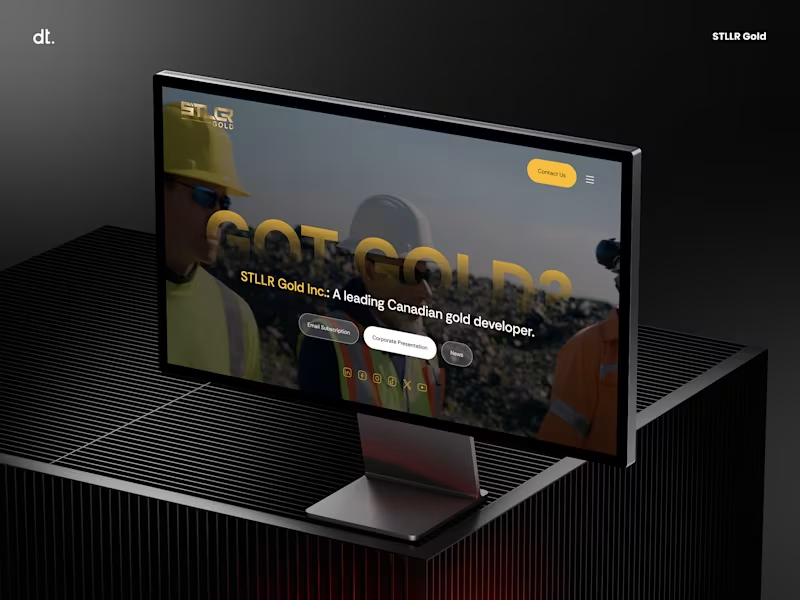
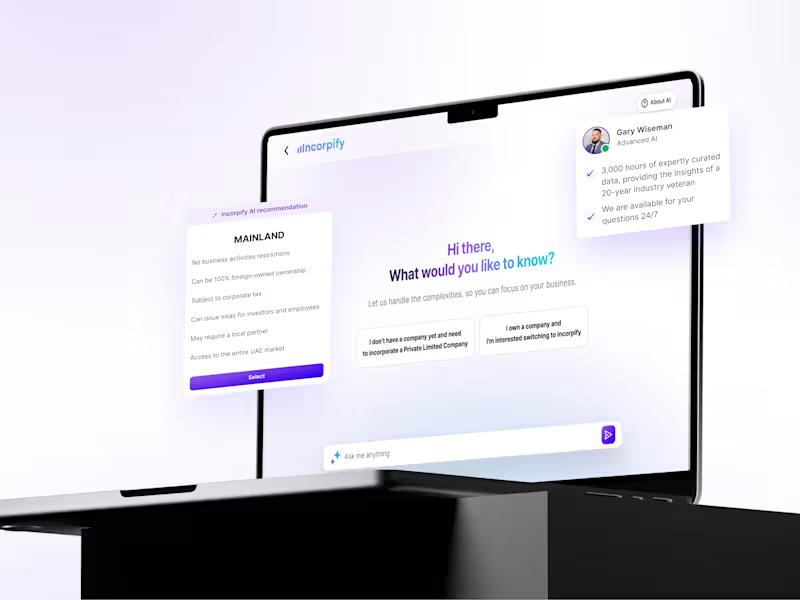
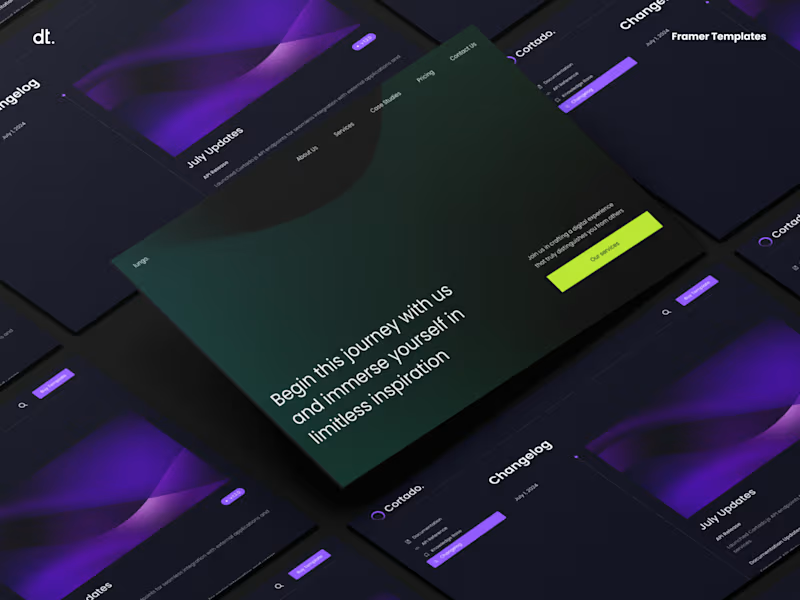
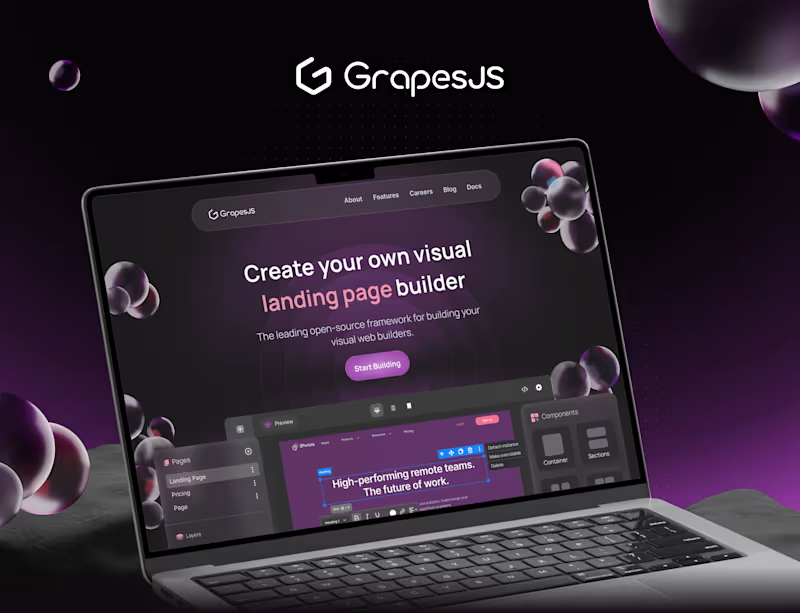
Check their portfolio for projects similar to yours. Look for any case studies or examples they have provided. Ask for testimonials from previous clients in your industry. Understanding your niche means they can provide solutions tailor-made for your needs.
What should I include in my project brief for a prototyper?
Be clear about your goals and what you hope to achieve with the prototype. Include any specific features or functions you need. Sharing a timeline and budget helps set expectations. The more detail you provide, the easier it will be for the prototyper to deliver what you need.
How do I assess a prototyper's creativity and problem-solving skills?
Review their previous work to see how they approached different design challenges. Ask about specific problems they solved in past projects. This will reveal their thought process and creativity. A diverse portfolio showcases their versatility and ability to adapt.
What timeline should I set for the prototyping process?
A realistic timeline considers the complexity of the project and the prototyper's availability. Discuss the duration of each stage, from design to testing. Flexibility may be needed for any changes or improvements. This helps ensure the project moves smoothly and meets deadlines.
How do I ensure a prototyper understands my user base?
Share any research or data about your users with them. Discuss who your end-users are and what they need. A good prototyper will ask questions and may suggest creating user personas. Understanding your audience is key to developing an effective prototype.
What should I expect in terms of prototype deliverables?
Expect to receive a basic model or version of your final product. It should include the main features and functions you're happy with. Clear communication ensures both you and the prototyper agree on what needs to be delivered. Regular updates during the process can keep you aligned.
Why is it important to discuss feedback loops with a prototyper?
Providing feedback helps improve the prototype. Establish a schedule for reviews and feedback early on. This interaction allows for adjustments and ensures the final product meets your expectations. Effective communication is a critical part of a successful project.
How much involvement should I have during the prototyping process?
Stay involved by checking in regularly with your prototyper. Be available to answer questions or provide input. Your involvement ensures the project aligns with your vision and requirements. Balance is key; give space for the prototyper's creativity, too.
What communication tools are helpful during the prototyping phase?
Use platforms that support easy collaboration, like shared documents or dedicated project management tools. Regular video or voice calls can clarify any complex issues. Instant messaging is also helpful for quick questions. Consistent communication helps keep the project on track.
Who is Contra for?
Contra is designed for both freelancers (referred to as "independents") and clients. Freelancers can showcase their work, connect with clients, and manage projects commission-free. Clients can discover and hire top freelance talent for their projects.
What is the vision of Contra?
Contra aims to revolutionize the world of work by providing an all-in-one platform that empowers freelancers and clients to connect and collaborate seamlessly, eliminating traditional barriers and commission fees.