















How do I define the scope of my project for a Framer developer?
Start by making a list of what you want the Framer developer to do for your project. Be clear about your project's goals. This helps the developer understand what you need and can plan their work better. Also, highlight any big features or important parts that must be included. A well-defined project scope leads to a successful outcome.
What should I look for in a Framer developer's portfolio?
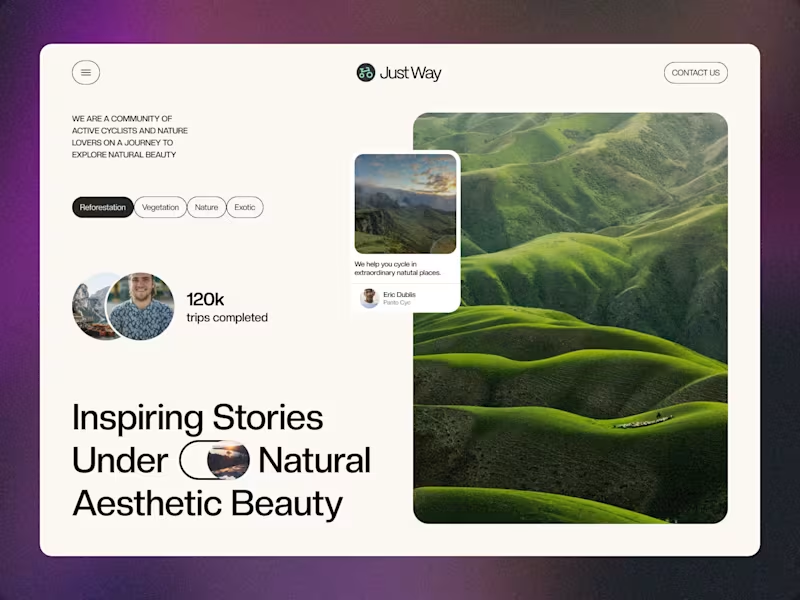
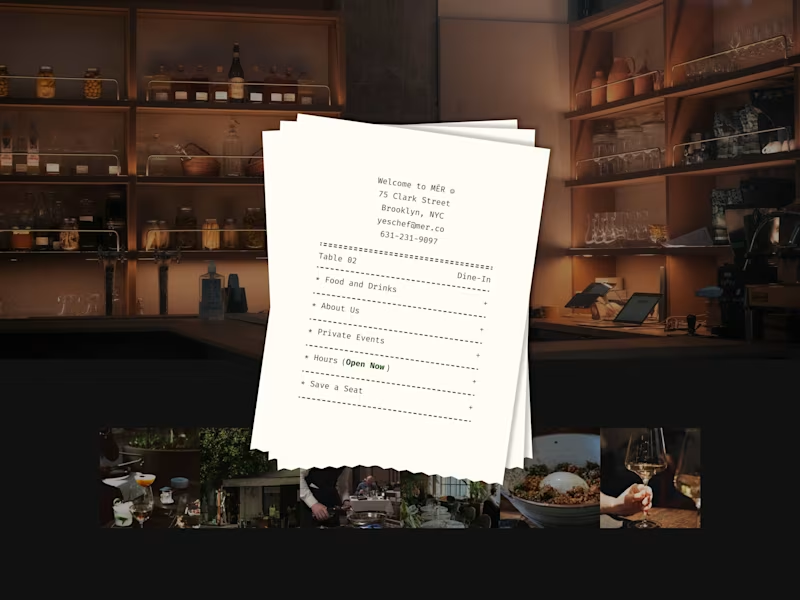
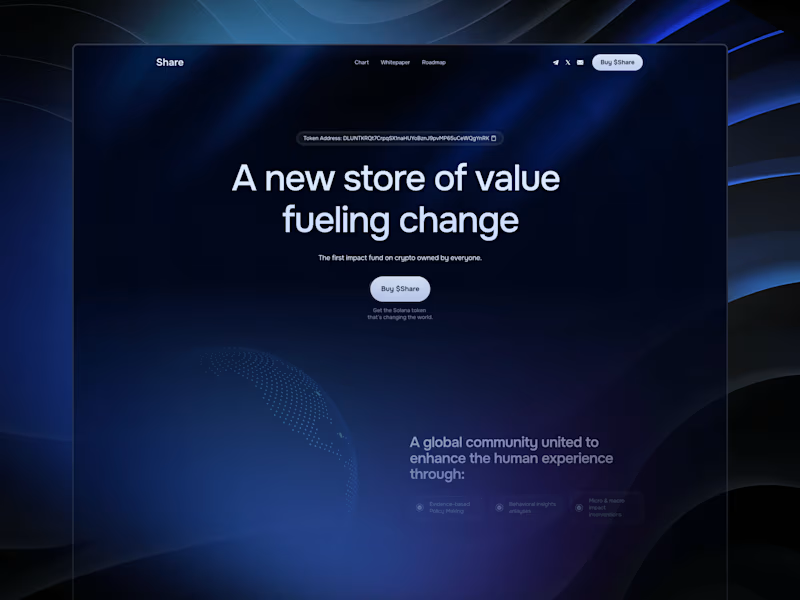
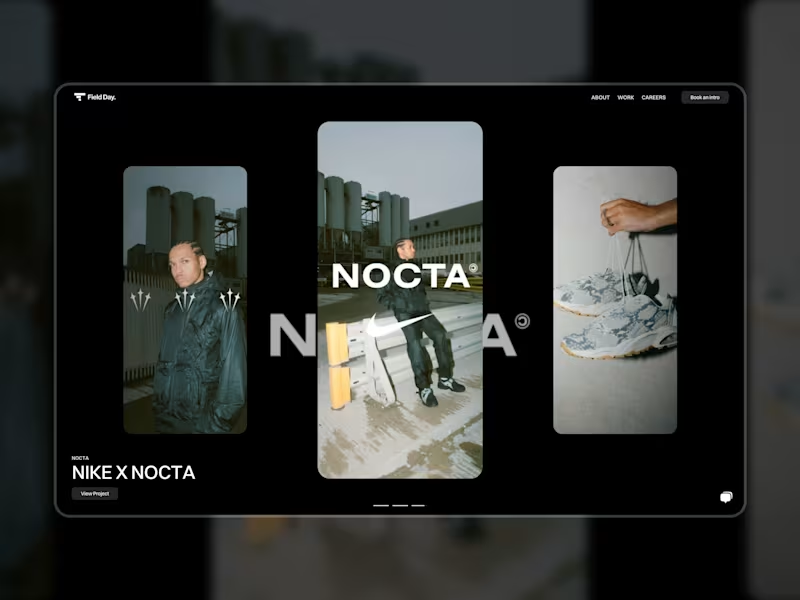
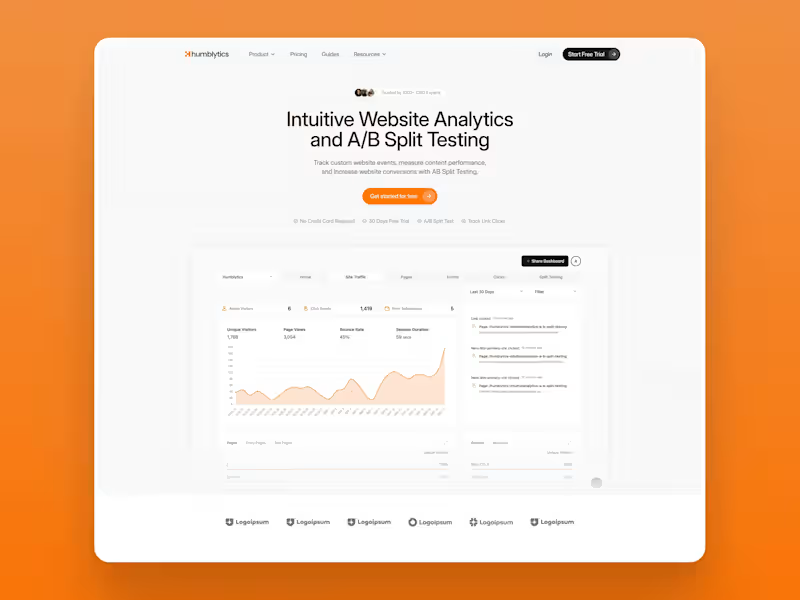
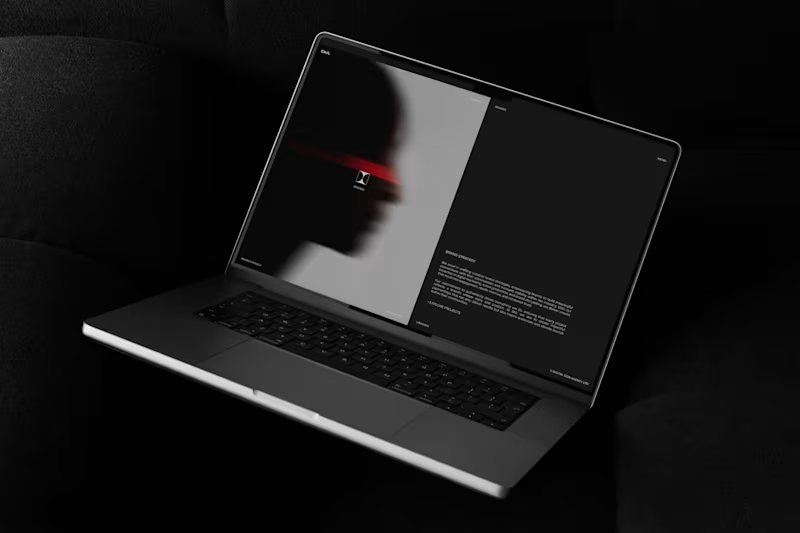
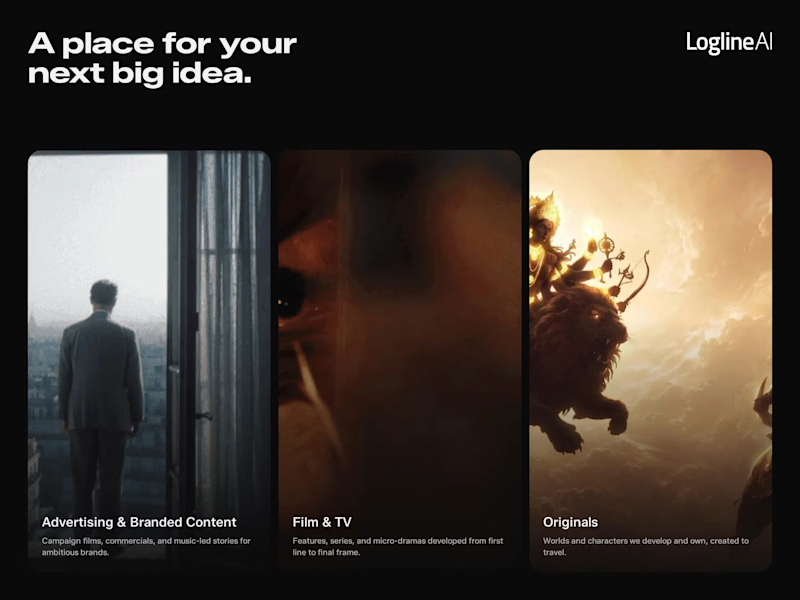
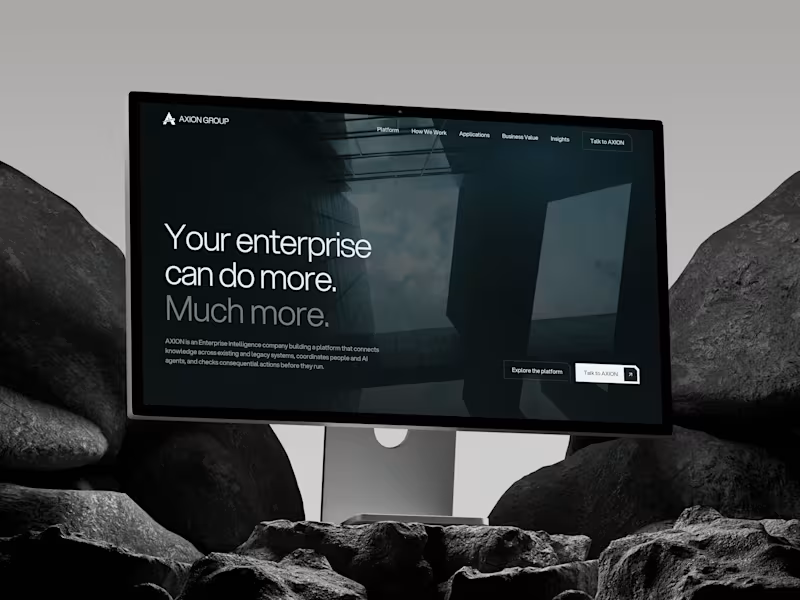
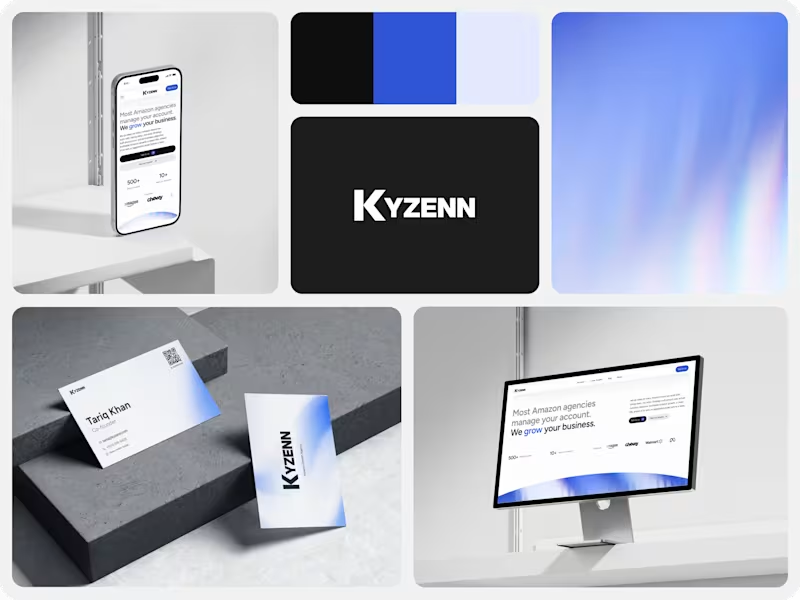
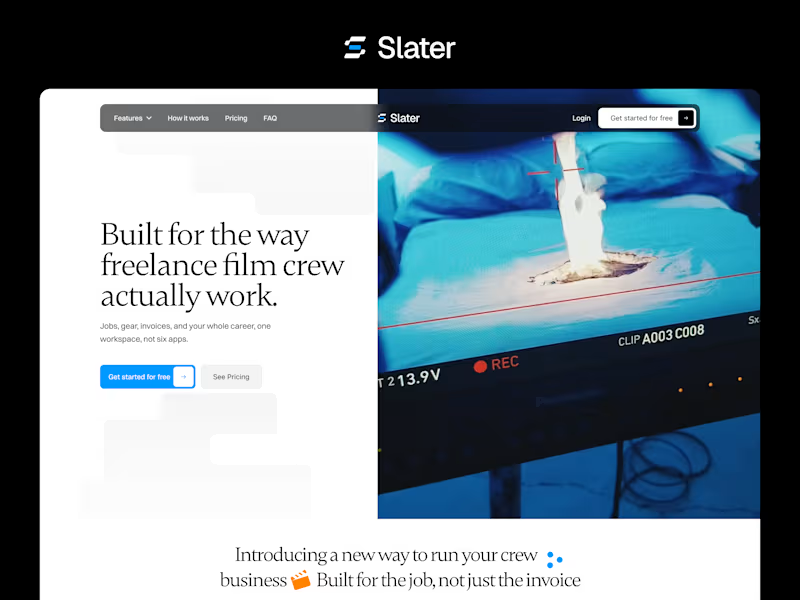
Check for projects that are similar to yours. This shows the developer has experience with what you need. Look at the style and creativity to see if it matches what you want. Pay attention to how they solve problems in their projects. A good portfolio showcases both skill and imagination.
How can I ensure the developer understands my project requirements?
Communicate clearly by writing down your ideas and expectations. Share detailed documents or sketches of what you envision. Ask the developer to explain back what you need to see if they get it right. Keep lines of communication open so you can make changes if needed. This helps both you and the developer start on the same page.
What timeline considerations should I have when starting a project with a Framer developer?
Discuss the project timeline with your developer early on. Consider how long each part of the project will take. Make sure to include some extra time in case things don’t go as planned. Being flexible with the timeline can help manage any unexpected delays. This way, you both know the project can be completed smoothly.
How can I set clear deliverables for the Framer developer?
List the specific tasks or features you expect from the developer. Set deadlines for when each part should be completed. Use simple language and visuals if needed to explain what you want. Agree on what 'finished' looks like for each deliverable. This helps avoid misunderstandings and ensures you're both on track.
What tools can I use to collaborate with a Framer developer?
Use collaboration tools that allow for easy communication and sharing of project files. Tools like Slack or Google Docs are good for chatting, while others like Trello can help manage tasks. Sharing mock-ups and feedback directly through Framer can also benefit the project. Picking the right tools keeps everything organized and everyone informed.
How important is it to review a Framer developer's past client feedback?
Reviewing past client feedback provides insights into the developer’s reliability and quality of work. Positive feedback suggests the developer met or exceeded expectations. Look for comments about their problem-solving skills and how they handle deadlines. Feedback from other clients can be reassuring and help you make an informed choice.
What is an effective way to start a working relationship with a Framer developer?
Begin by setting clear expectations and establishing open communication. Introduce yourself and your team, if relevant, to make the developer feel welcome. Schedule a kickoff meeting to discuss project details and answer any questions. This helps build trust and sets a positive tone for working together. Building a good relationship from the start leads to successful collaboration.
What role does project review and feedback play during the project?
Regular project reviews help ensure the project is on the right track. By providing feedback, you can make sure the developer is meeting your expectations. Constructive feedback allows for adjustments and improvements as you go. Wrap up each phase with feedback to help move smoothly to the next one. Continuous feedback keeps the project aligned with your goals.
Why is it important to agree on communication methods and frequency?
Agreeing on how and how often you'll communicate prevents misunderstandings. Decide if you prefer emails, phone calls, or video chats. Regular updates from the developer help you stay informed about the project progress. This regular exchange of information makes problem-solving easier and faster. Establishing a communication plan keeps everything running smoothly.
Who is Contra for?
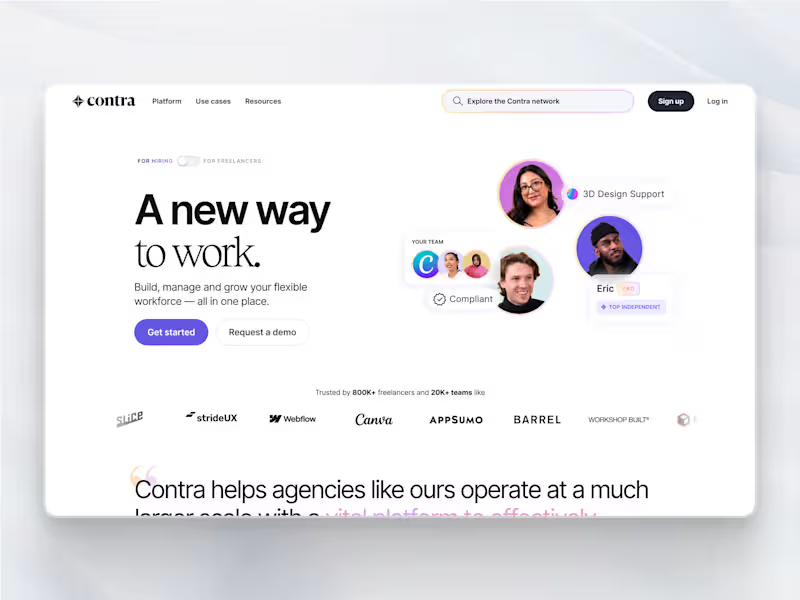
Contra is designed for both freelancers (referred to as "independents") and clients. Freelancers can showcase their work, connect with clients, and manage projects commission-free. Clients can discover and hire top freelance talent for their projects.
What is the vision of Contra?
Contra aims to revolutionize the world of work by providing an all-in-one platform that empowers freelancers and clients to connect and collaborate seamlessly, eliminating traditional barriers and commission fees.