














How should I describe my podcast editing needs to attract the right freelancer?
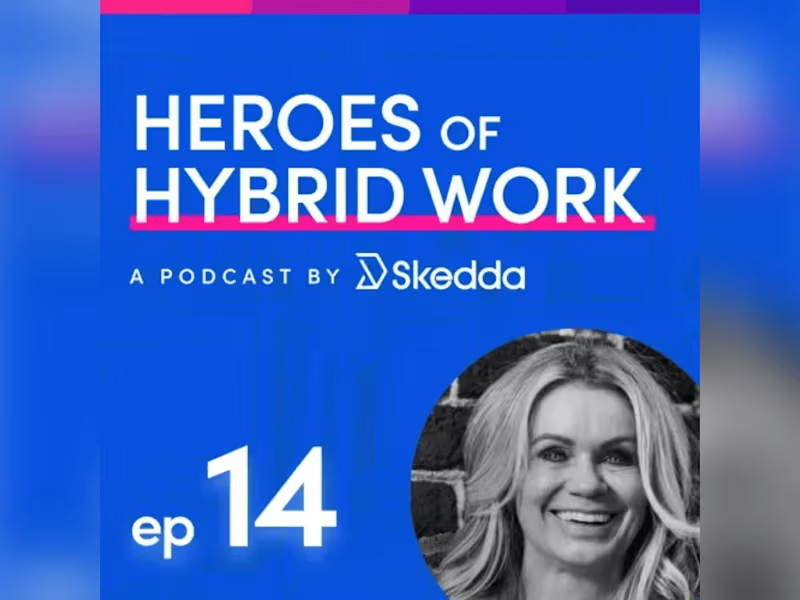
Start by explaining what your podcast is about. Share how long each episode is and how often you release them. Mention any specific editing style or tools you want them to use.
What should be included in a podcast editing contract?
Include details like the number of episodes, turnaround time, and any special editing requests. Specify who provides the music and sound effects. Also, agree on revision limits or extra charges.
How can I evaluate a podcast editor's past work?
Listen to examples of their previous podcast edits. Check for clear sound, smooth transitions, and well-balanced audio levels. See if their style matches what you want for your podcast.
How do I agree on a timeline with the podcast editor?
Discuss how quickly each episode should be edited. Plan for enough time for revisions. Make sure both of you agree on the timeline before starting.
How can I ensure smooth ongoing communication?
Decide on the best way to communicate, like email or messaging apps. Set regular check-in times to discuss progress. Make sure both of you are comfortable with the communication plan.
How can I define the overall goals of the podcast project?
Share what you want to achieve with your podcast. Talk about your target audience and key themes. Clarifying your goals helps the editor understand the bigger picture.
What should I include in the initial briefing to a podcast editor?
Provide details about your podcast’s tone and style. Mention any specific segments or interviews that need attention. Include any branding elements, like intros or outros, if needed.
How can I ensure the editor uses the right editing software?
Ask the editor which software they are experienced with. Mention any software you prefer for compatibility. Make sure they agree to use a tool that fits your needs.
What key skills should I look for in a podcast editor?
Look for experience in audio editing and mixing. Check their understanding of podcast formats and storytelling. Skills in noise reduction and balancing audio levels are also important.
Who is Contra for?
Contra is designed for both freelancers (referred to as "independents") and clients. Freelancers can showcase their work, connect with clients, and manage projects commission-free. Clients can discover and hire top freelance talent for their projects.
What is the vision of Contra?
Contra aims to revolutionize the world of work by providing an all-in-one platform that empowers freelancers and clients to connect and collaborate seamlessly, eliminating traditional barriers and commission fees.