

















What should I look for in a motion designer's portfolio?
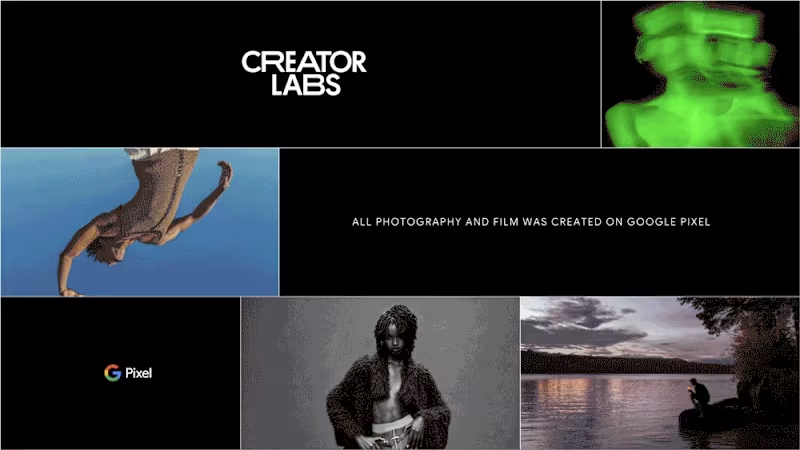
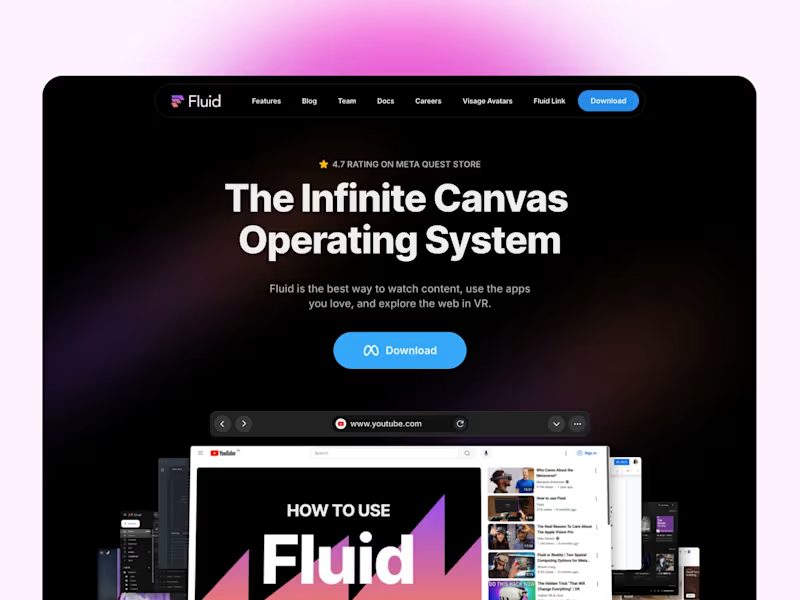
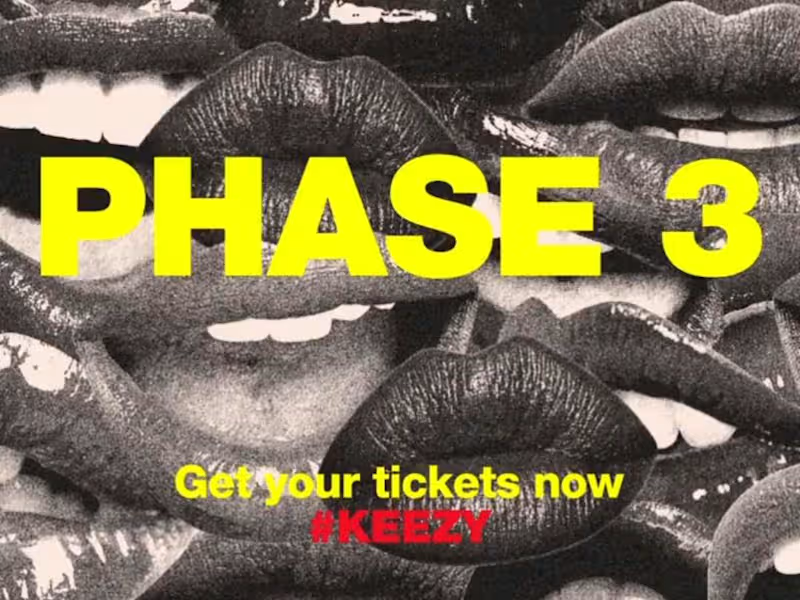
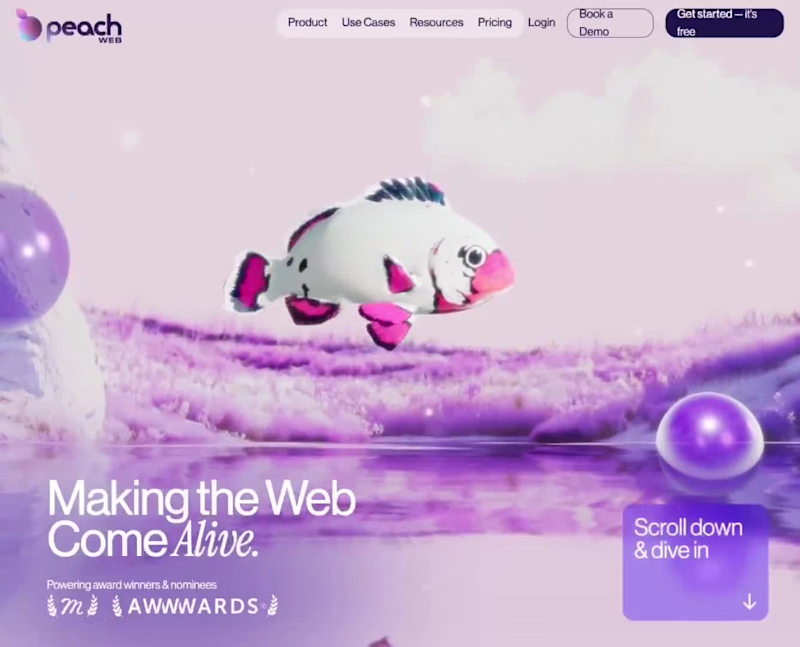
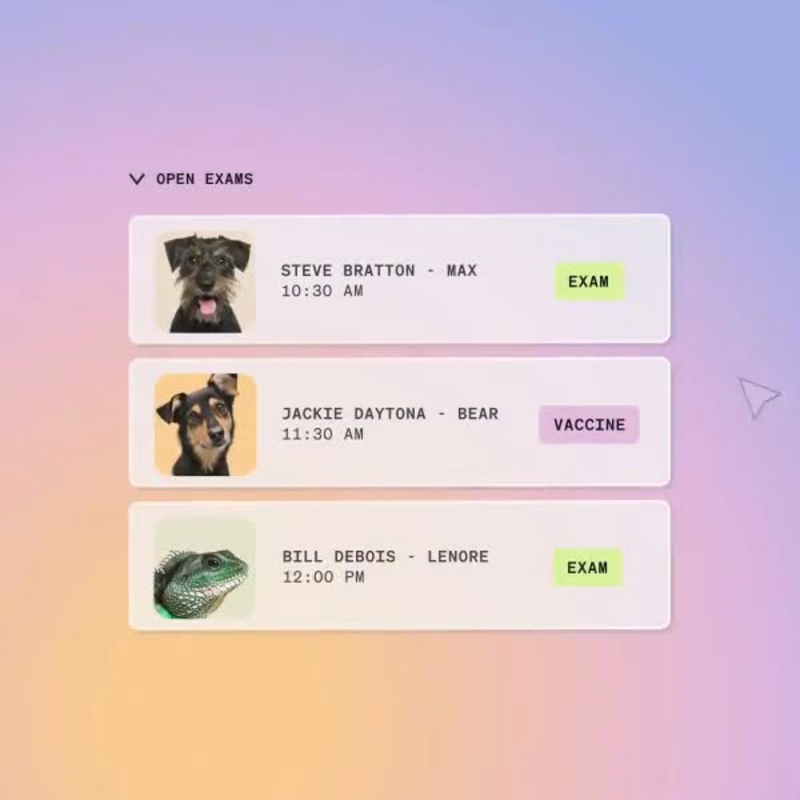
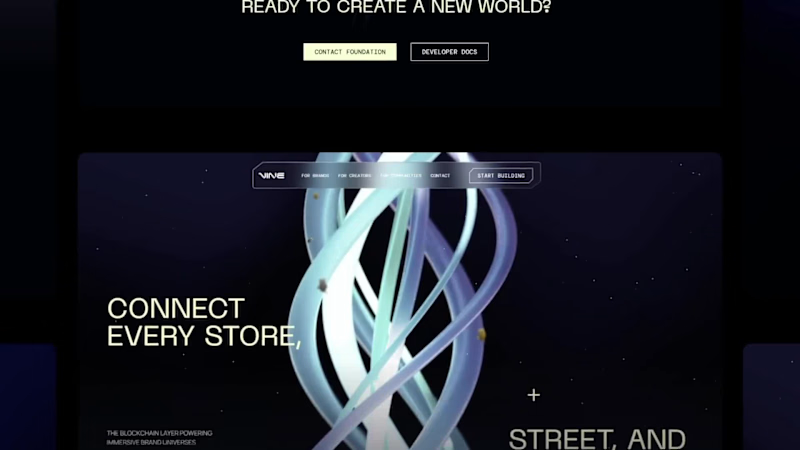
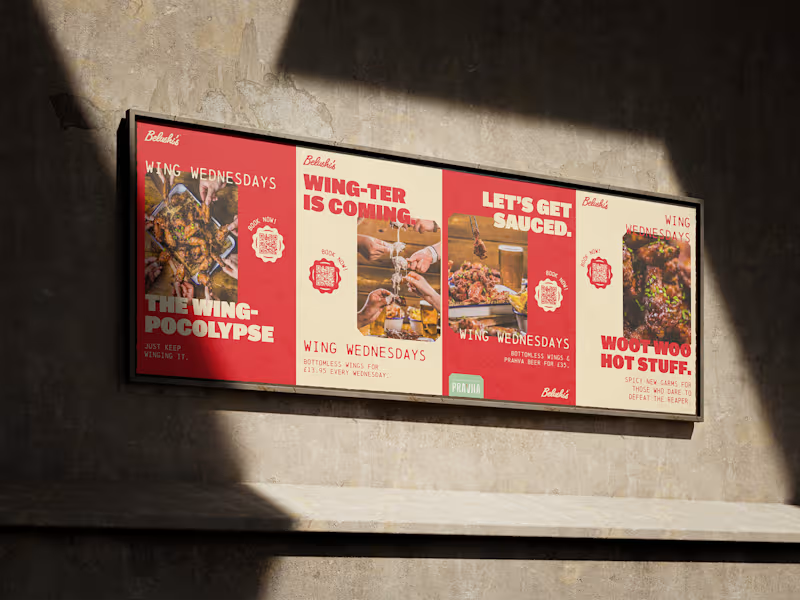
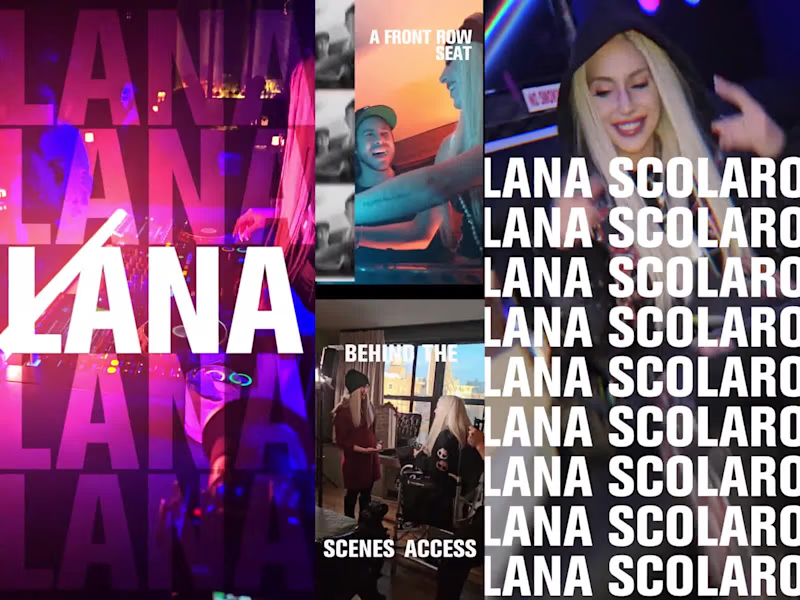
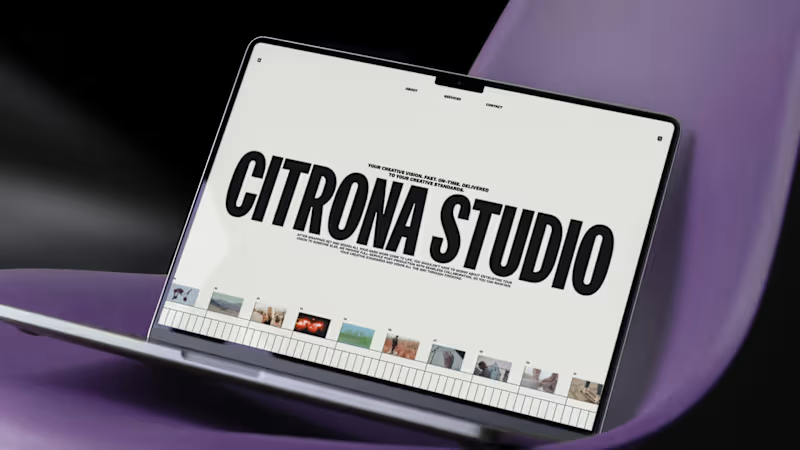
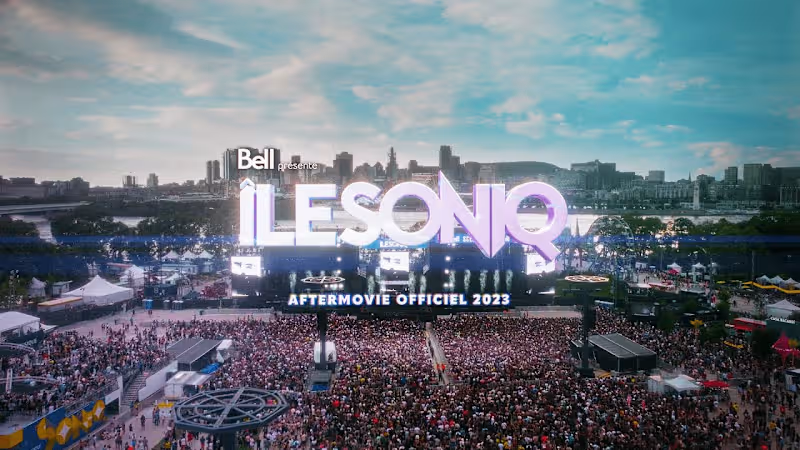
A motion designer's portfolio is like a window into their skills. Look for projects that show creativity and originality. Pay attention to the variety of styles and techniques they use. This can tell you what they are good at and what they can do for your project. A strong portfolio will help you see if they can meet your project's needs.
How do I define the goals of my project for a motion designer?
Start by clearly stating what you want the motion design to do. Is it for a new product launch or enhancing brand storytelling? Describe the message you want to convey and the audience you aim to reach. Having clear goals helps the designer create visuals that fit your vision. It also helps you both stay on the same page as the project progresses.
What information should I provide about my brand?
Share details about your brand's identity, like color schemes and logos. Explain the tone and personality your brand should reflect in its motion design. Providing examples and brand guidelines helps the designer create content that aligns with your brand's image. This ensures the final product feels consistent and on-brand.
How do I set clear timelines with a motion designer?
Discuss and agree on deadlines that are realistic for both parties. Break the project into smaller tasks with specific due dates if possible. This helps keep the project on track and ensures timely delivery. Having a well-structured timeline helps both you and the designer manage time effectively.
What should be included in a contract with a motion designer?
A contract should outline the project scope, deliverables, timelines, and payment terms. It should also clarify usage rights and any required revisions. Having these details in writing helps avoid misunderstandings. A clear contract sets expectations and provides a roadmap for the project.
How can I ensure the motion design fits my project needs?
Start with a detailed project brief that outlines your objectives and expectations. Include any specific visual styles or elements you want to see. Have regular check-ins with the designer to review progress and give feedback. This collaborative approach helps fine-tune the design to meet your vision.
Why is it important to understand a designer's work process?
Understanding their process helps you know what to expect at each stage of the project. It typically includes phases like ideation, storyboarding, and final production. Knowing their process helps you provide input at critical moments. This leads to a smoother workflow and a better final product.
How can I communicate my vision effectively to a motion designer?
Use visual references, sketches, or mood boards to share your ideas. Be clear about the emotions or messages you want the final piece to convey. Effective communication helps the designer understand and materialize your vision more accurately. Regular feedback sessions ensure the design aligns with your expectations.
What role does feedback play in motion design projects?
Feedback helps refine and align the project to suit your needs better. Share honest and constructive advice as the project progresses. Timely feedback keeps the project moving smoothly and avoids last-minute changes. This collaborative feedback loop results in a better-finished piece.
How do I determine if the motion design project was successful?
Evaluate if the final design meets your initial goals and objectives. Check if it effectively communicates your brand message and engages your audience. A successful project is one that delivers results and aligns with your expectations. Post-project reviews can provide insights for future collaborations.
Who is Contra for?
Contra is designed for both freelancers (referred to as "independents") and clients. Freelancers can showcase their work, connect with clients, and manage projects commission-free. Clients can discover and hire top freelance talent for their projects.
What is the vision of Contra?
Contra aims to revolutionize the world of work by providing an all-in-one platform that empowers freelancers and clients to connect and collaborate seamlessly, eliminating traditional barriers and commission fees.