


























What should I consider when defining the project's scope with a low-code/no-code developer?
Start by outlining your project's goals. Describe what the final product should do. Clearly communicate any specific features you need. This helps the developer know exactly what to build.
How can I ensure a low-code/no-code developer understands my project needs?
Share any sketches or examples to illustrate your idea. Talk about your target audience and how they will use the final product. A good developer will ask questions, so listen to their feedback to clarify any misunderstandings.
Why is it important to set clear deliverables with a low-code/no-code developer?
Clear deliverables help everyone know what's expected. It keeps the project on track and helps avoid confusion. You can break down tasks into smaller parts with timelines. This makes it easier to check progress and make changes if needed.
What should be included in a project timeline with a low-code/no-code developer?
A timeline should have the start and end dates. Include deadlines for key tasks or milestones. Make sure to leave room for testing and updates. This helps keep the project moving smoothly.
How do I choose the right communication tools for working with a low-code/no-code developer?
Pick tools that everyone is comfortable using. You might use email for formal updates and chat apps for quick questions. Regular video calls can help with more detailed discussions. Good communication helps avoid misunderstandings.
What should I ask a low-code/no-code developer to ensure they have relevant experience?
Request examples of their past work. See if they have experience with similar projects. Ask about any specific low-code/no-code platforms they are skilled in. This ensures they can handle your project.
Why is it important to discuss version control with a low-code/no-code developer?
Version control keeps track of changes made to your project. It helps prevent loss of important work. Both you and the developer can see the history of the project. This is helpful for making corrections or improvements.
How do we handle ownership and access rights in a low-code/no-code project?
Talk about who will own the product once it's done. Make sure you have access to the project files. Discuss any sharing permissions with the developer. This prevents confusion later.
What steps should I take after hiring a low-code/no-code developer for my project?
Set up a kick-off meeting to align on objectives. Review the project timeline and deliverables. Agree on regular check-in times to discuss progress. This sets the stage for a smooth collaboration.
Who is Contra for?
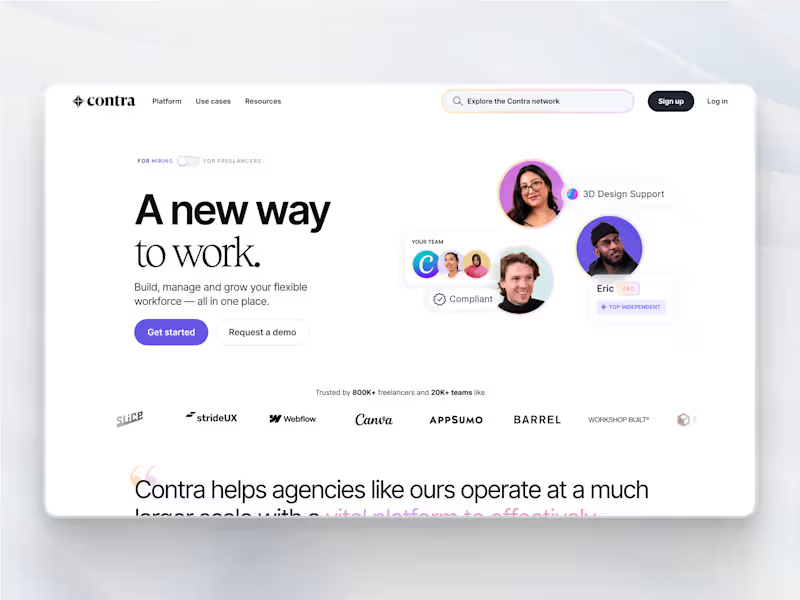
Contra is designed for both freelancers (referred to as "independents") and clients. Freelancers can showcase their work, connect with clients, and manage projects commission-free. Clients can discover and hire top freelance talent for their projects.
What is the vision of Contra?
Contra aims to revolutionize the world of work by providing an all-in-one platform that empowers freelancers and clients to connect and collaborate seamlessly, eliminating traditional barriers and commission fees.