
























What should I check in a developer's portfolio for a low-code/no-code project?
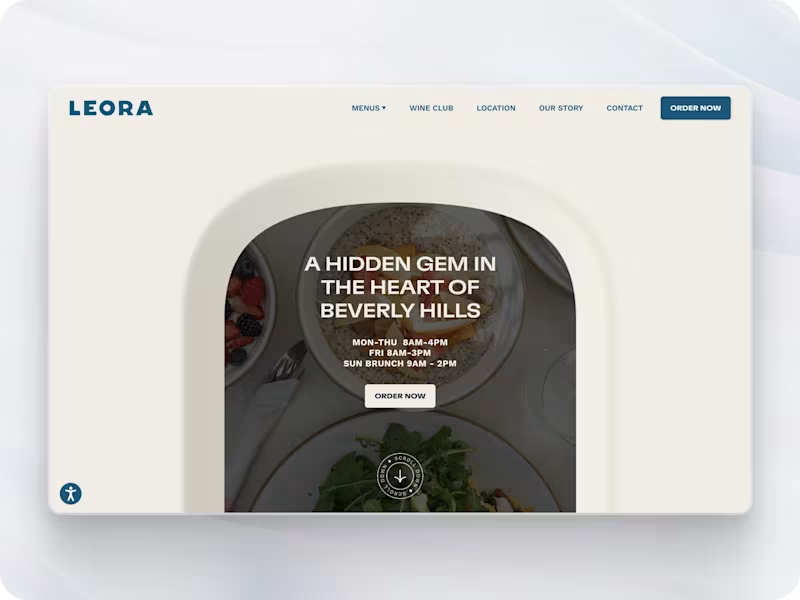
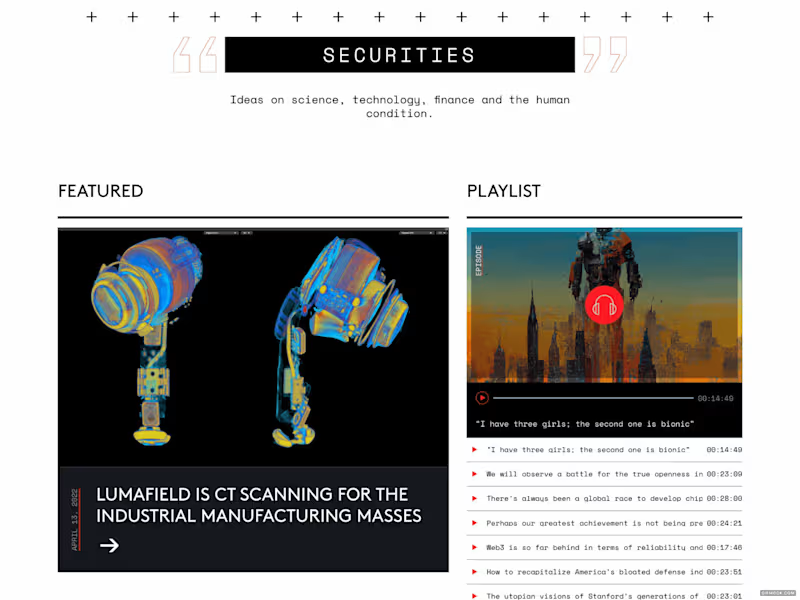
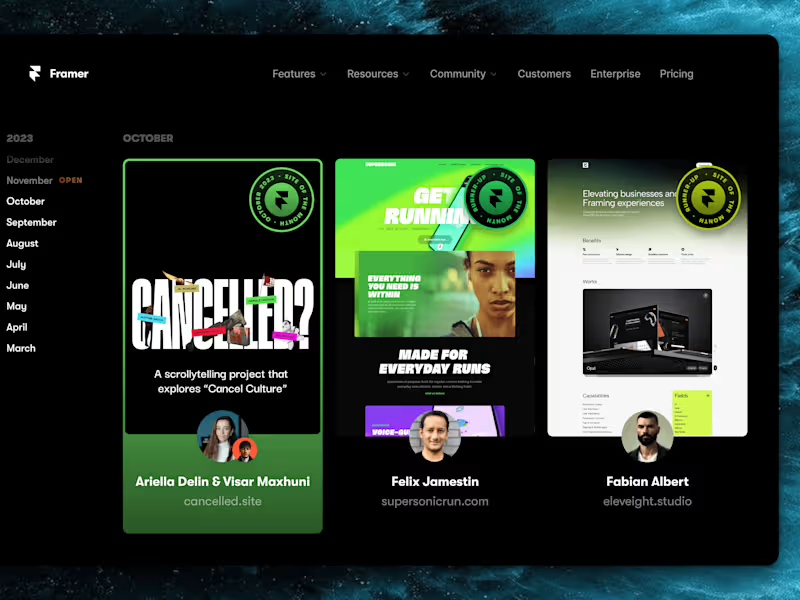
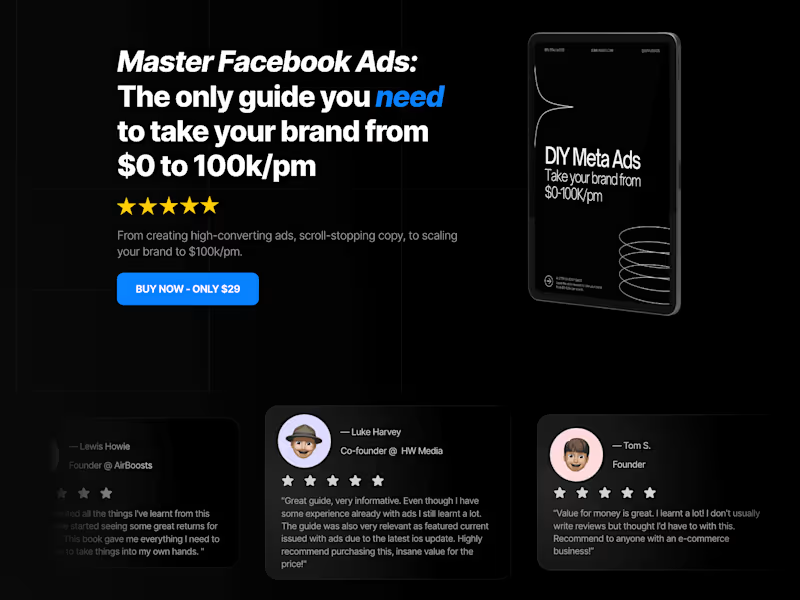
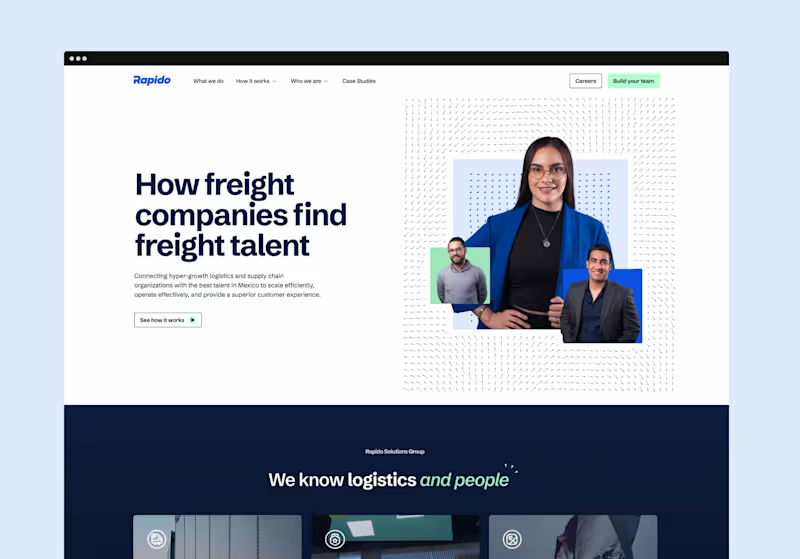
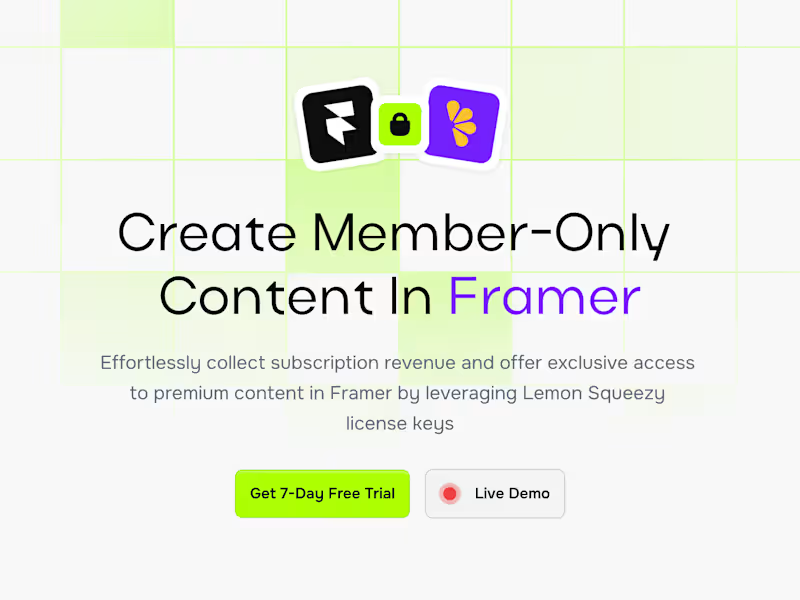
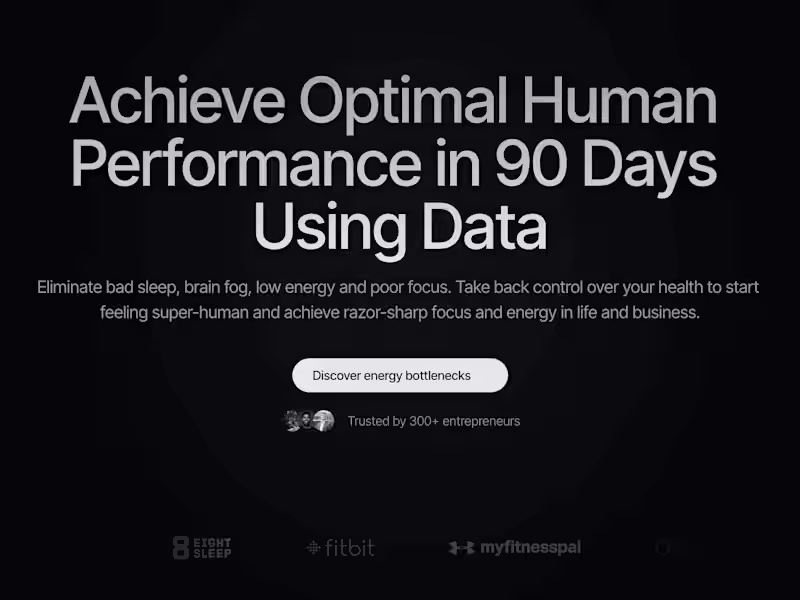
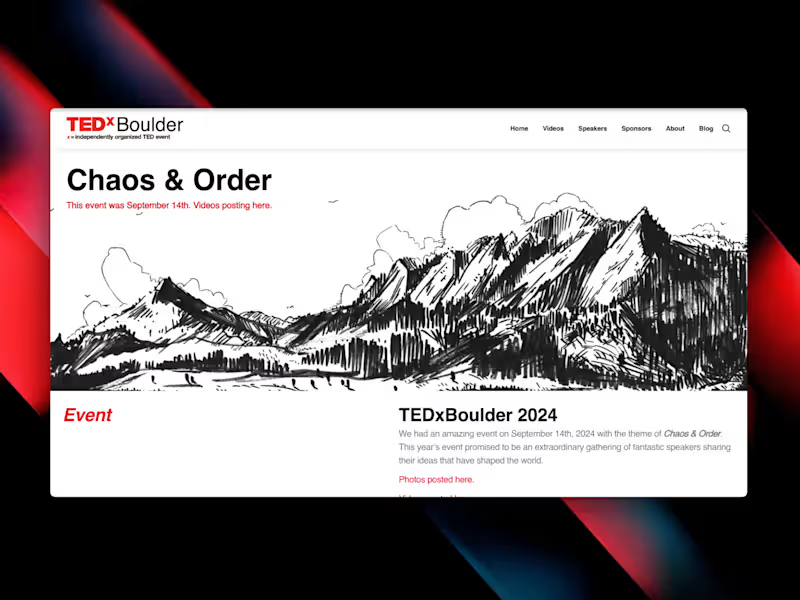
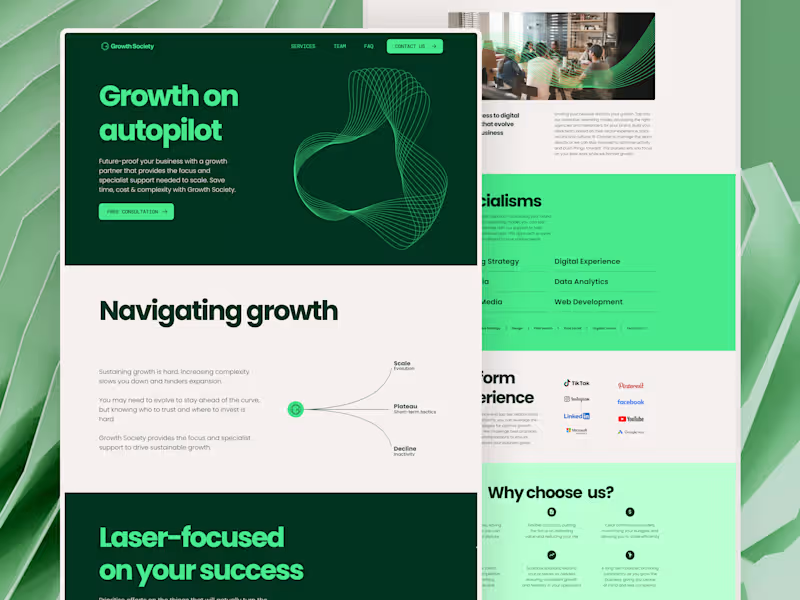
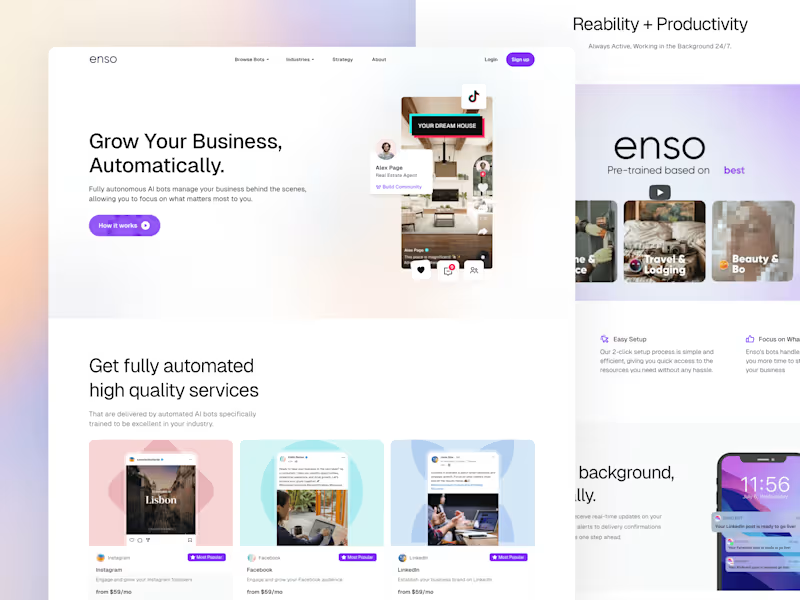
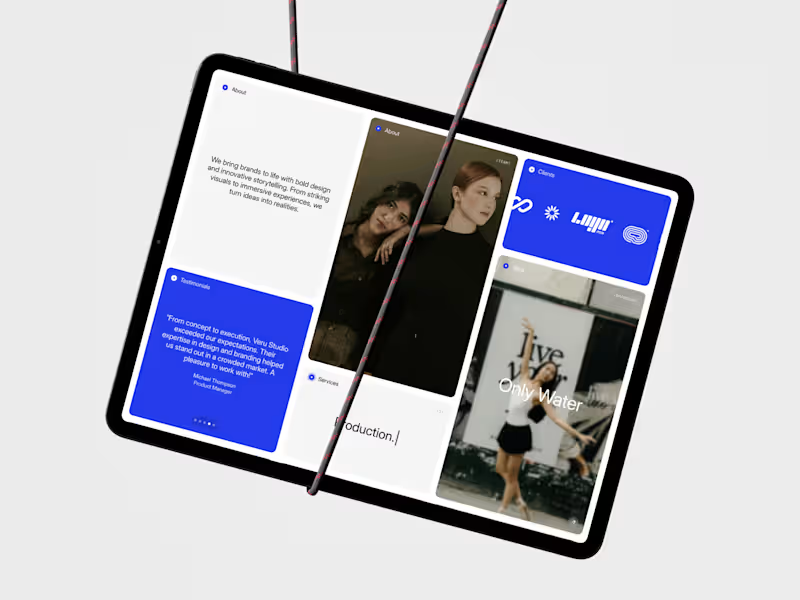
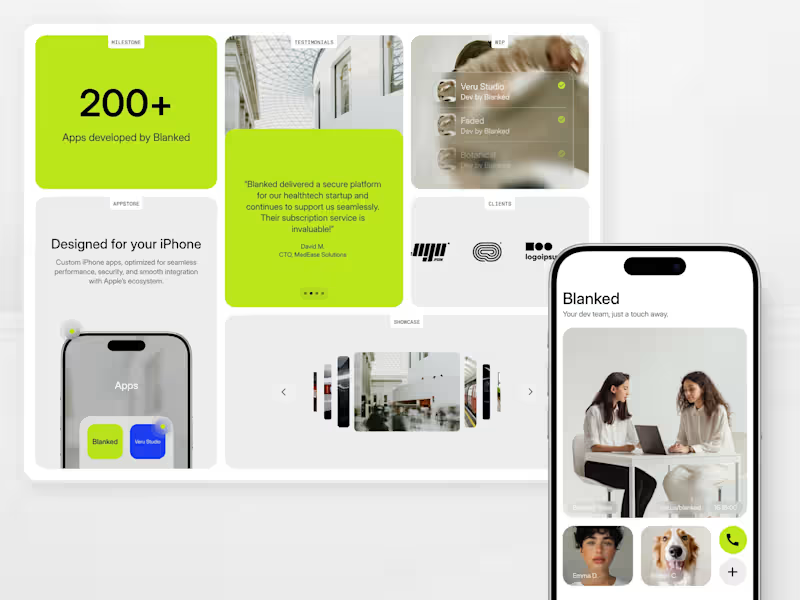
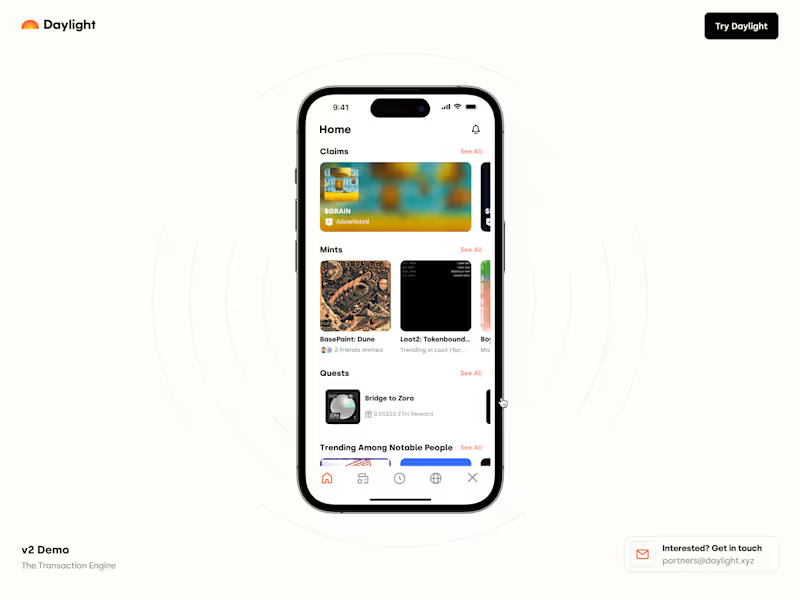
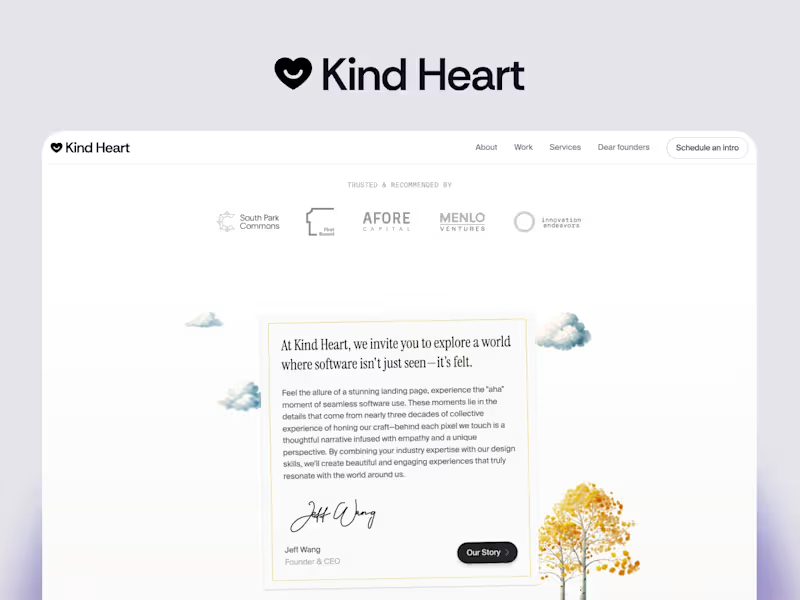
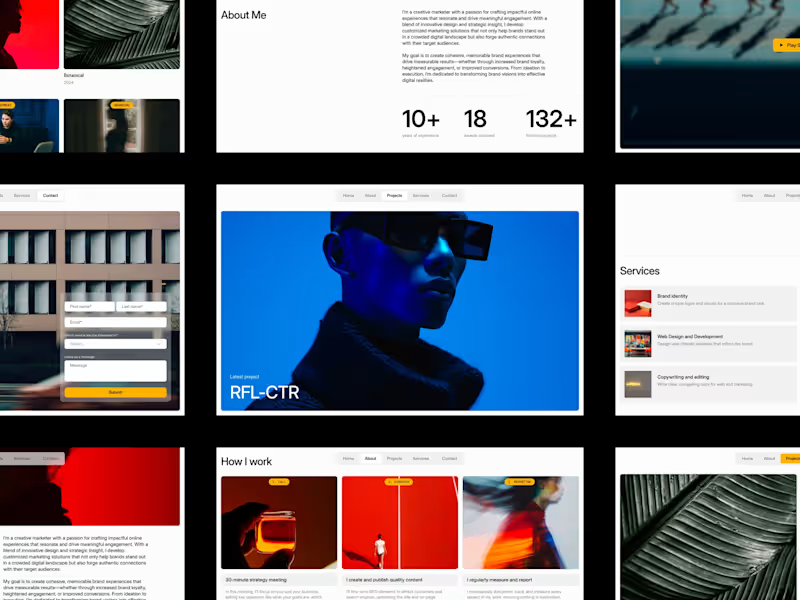
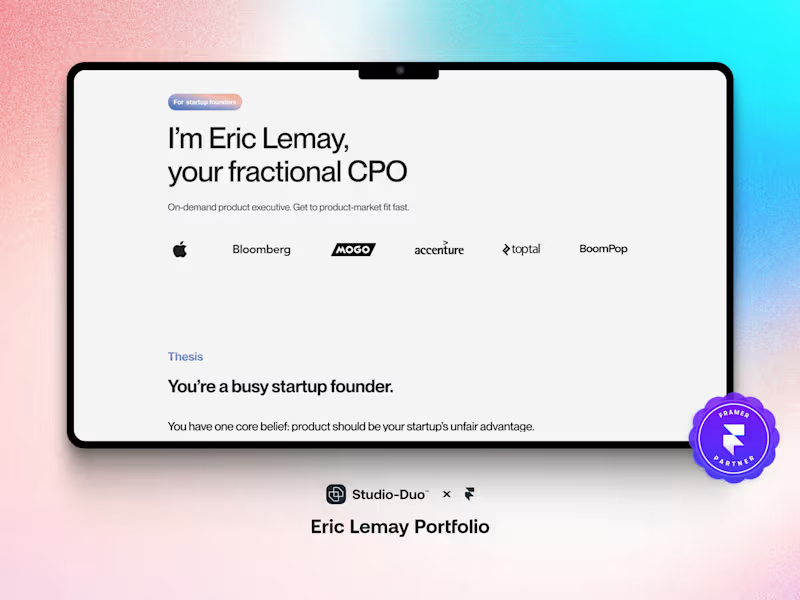
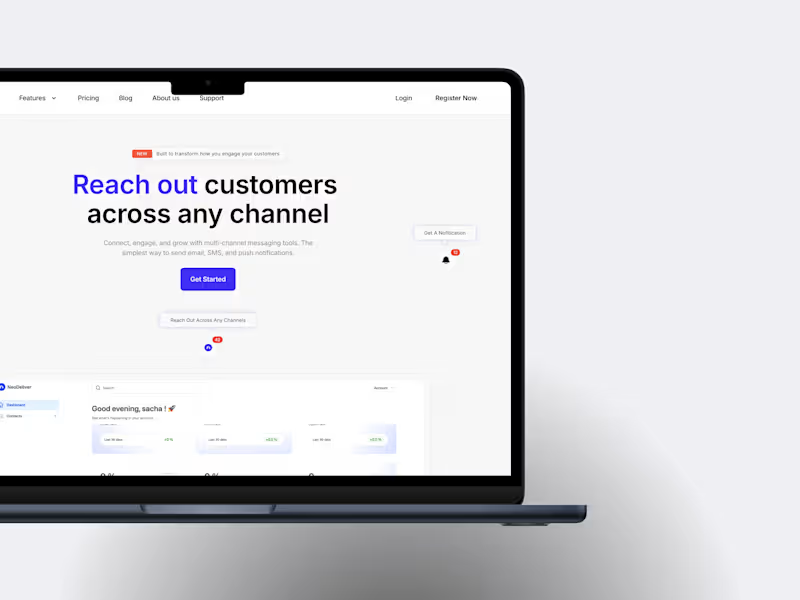
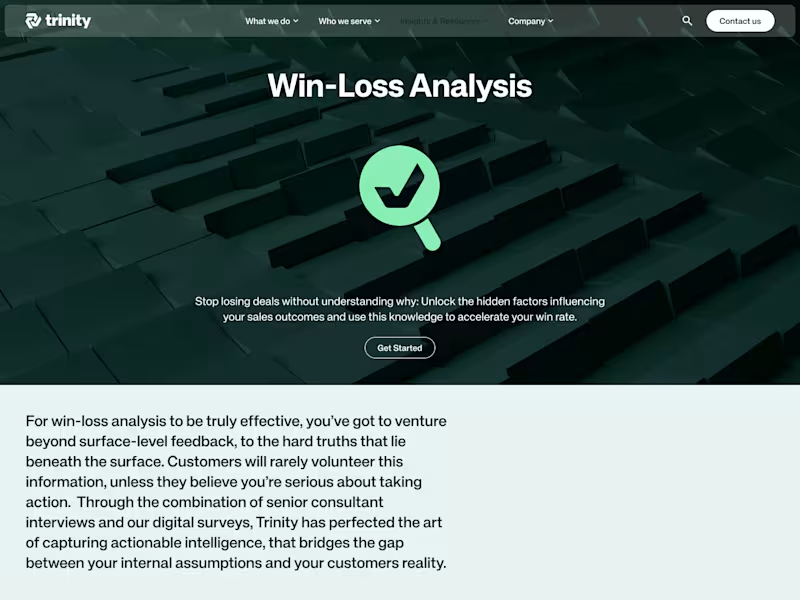
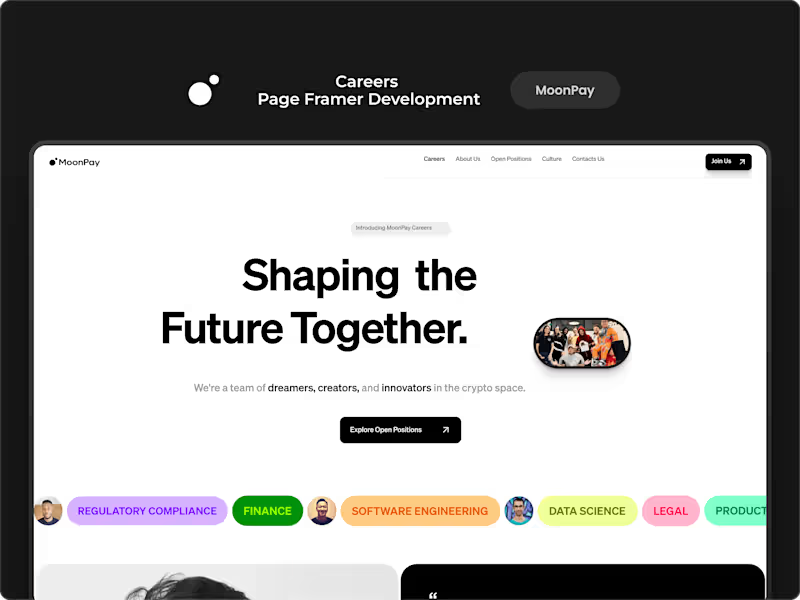
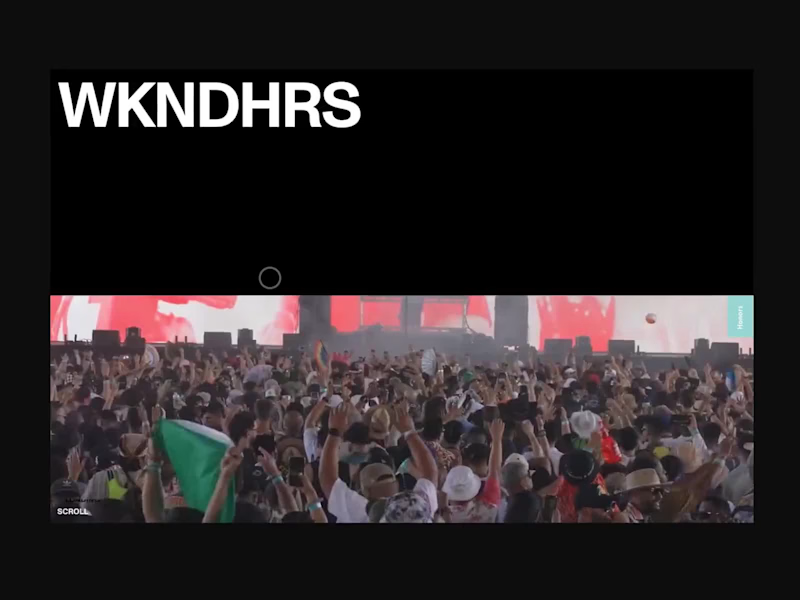
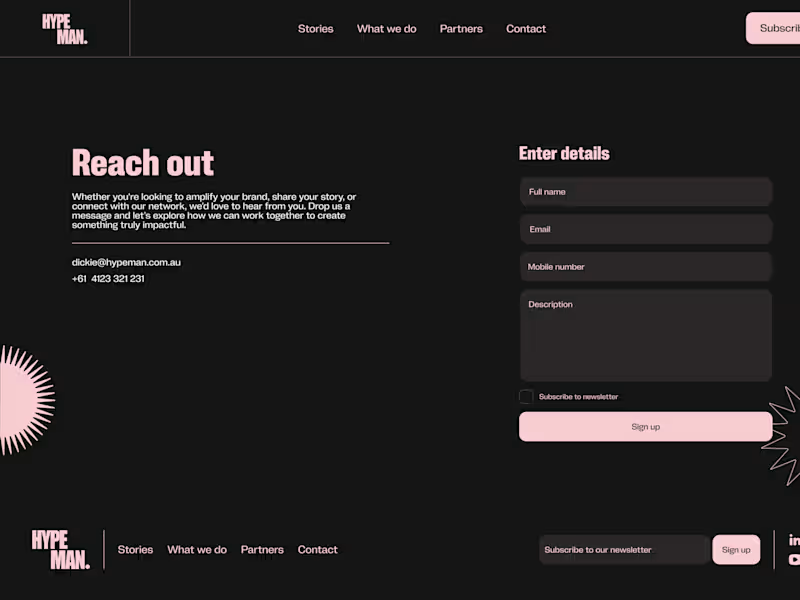
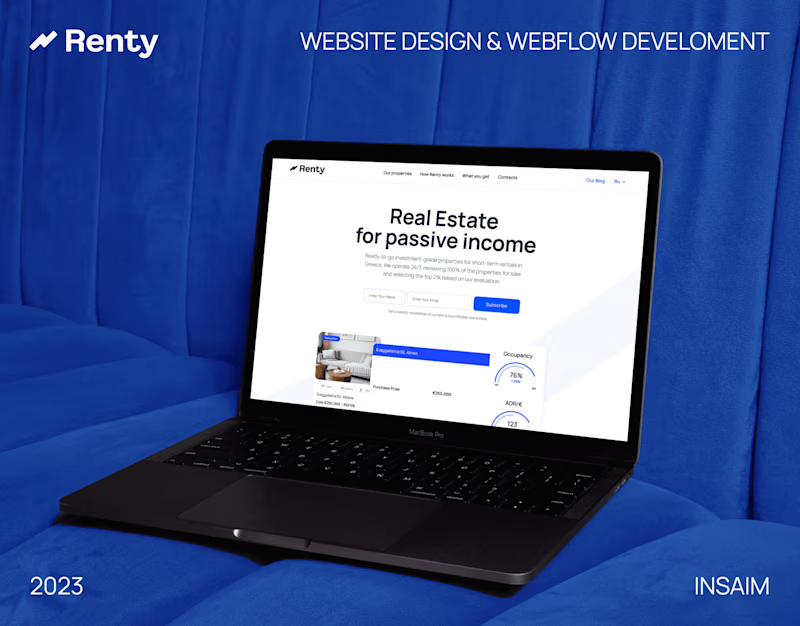
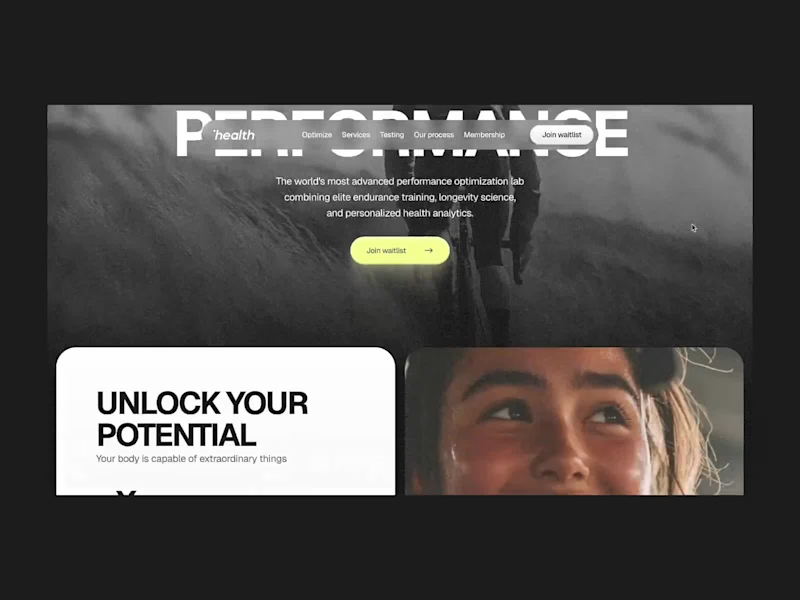
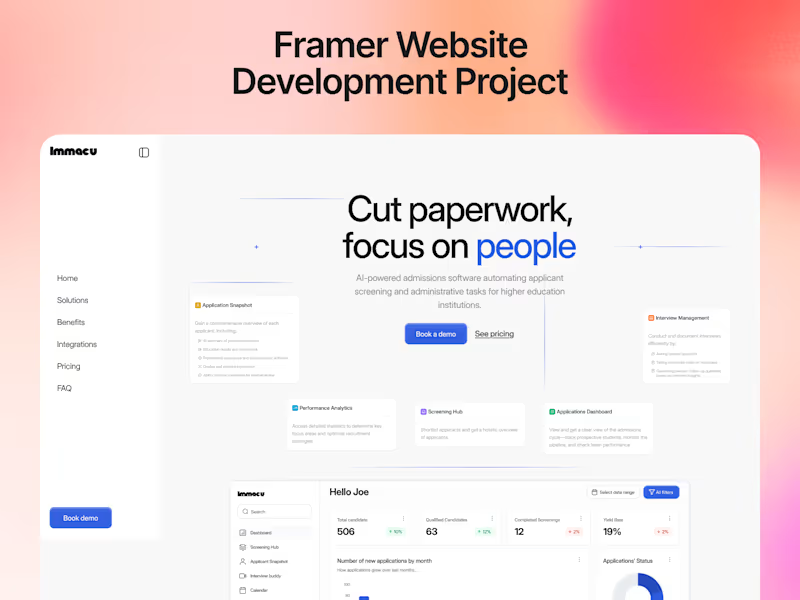
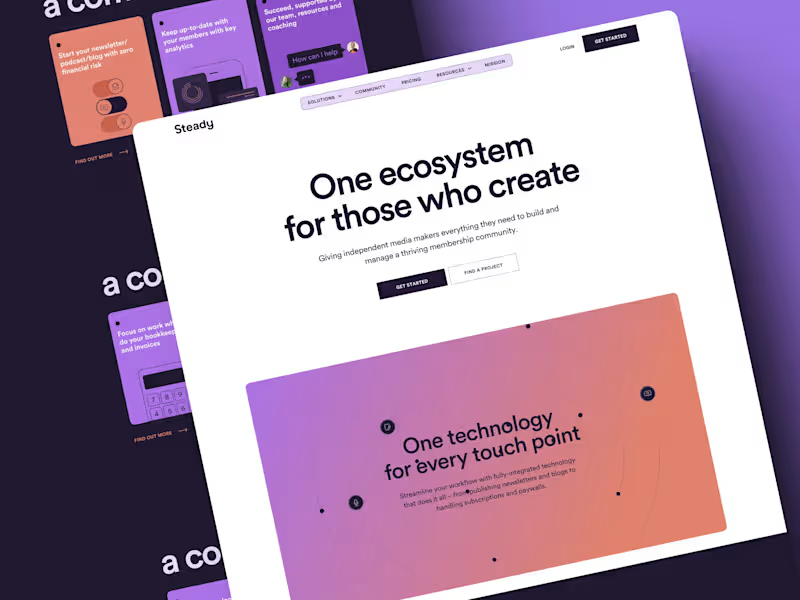
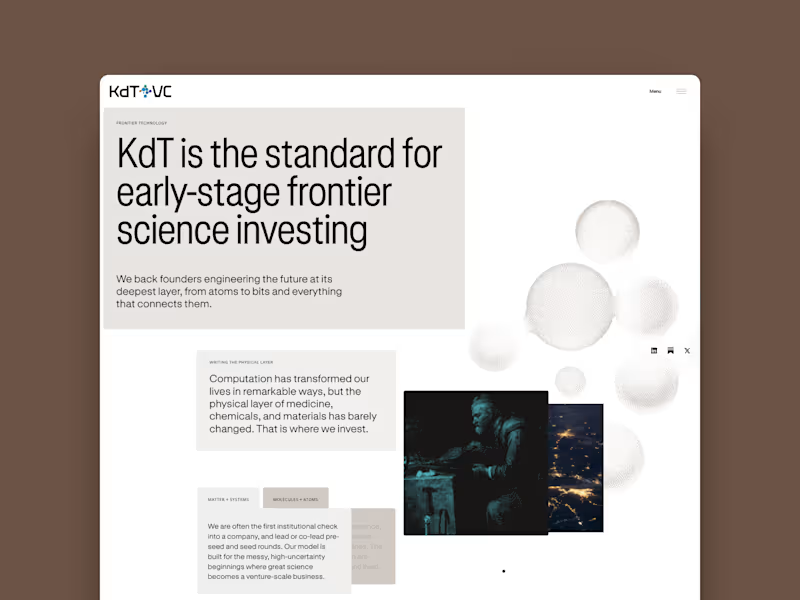
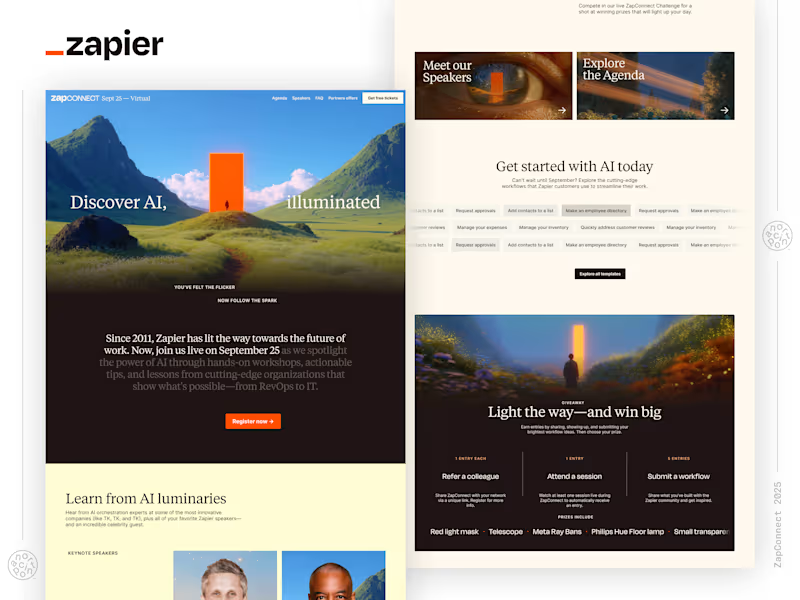
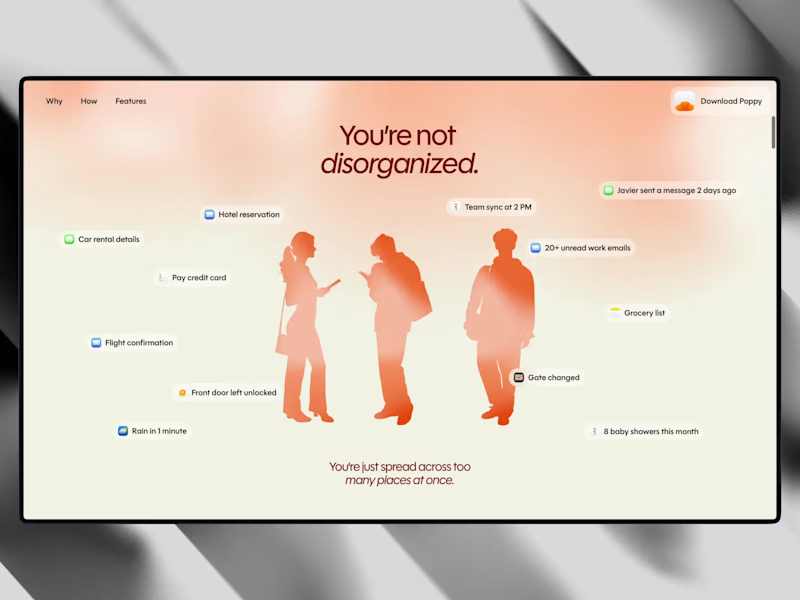
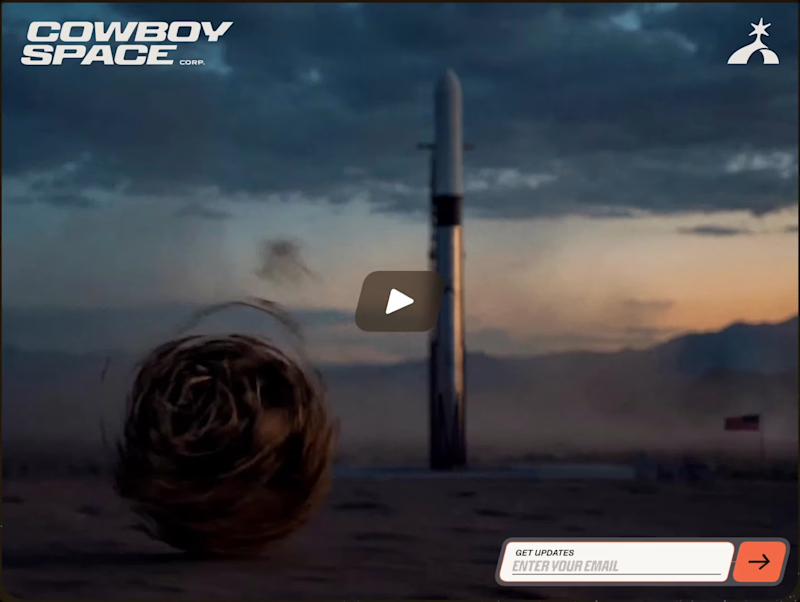
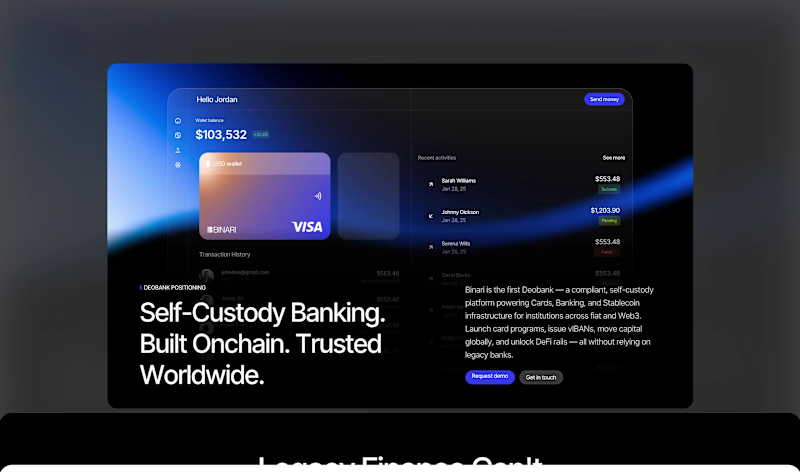
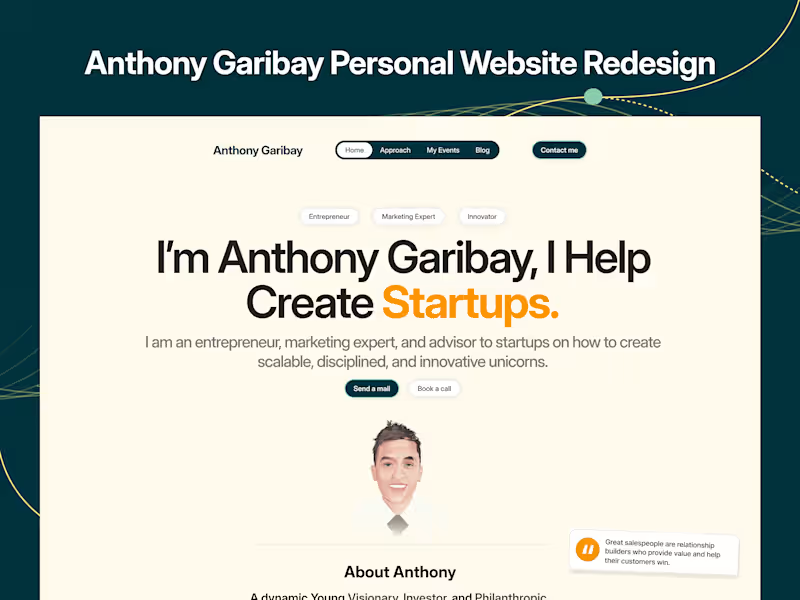
Look for past projects that match the scale and type of your project. See if they have built applications that seem robust and user-friendly. Check for customer reviews or case studies, as they can show how the developer has solved problems before.
How can I define project deliverables with a low-code/no-code developer?
Start by listing the key features and outcomes you need. Discuss these with your developer to ensure they are clear. This helps them understand what you want and makes sure you both agree on what 'done' looks like.
What technical skills should I ensure my developer has?
Ensure they know the specific low-code/no-code platforms you plan to use. They should have a good grasp of general app logic and design principles. Check if they can customize the solutions beyond standard templates.
How do I set clear project timelines?
Break the project into smaller parts and set deadlines for each. Make sure your developer agrees to these timelines. This helps keep everything on track and lets you know when to expect progress.
What kind of communication frequency should be established?
Decide how often you want updates, like weekly meetings or daily emails. Clear communication helps you stay informed on project progress. Make sure your developer is comfortable with this schedule.
How do I ensure the developer understands my business needs?
Explain the purpose and goals of your project in simple terms. Share any important information about your business or users. Ensure the developer asks questions if anything is unclear.
What steps should I follow for successful project kick-off with a developer?
Start with a kick-off meeting to review the project scope and deliverables. Provide your developer with all necessary resources and access. Clarify any details to prevent misunderstandings later.
How do I evaluate if a developer's low-code/no-code solution is scalable?
Ask about the platform's capabilities for handling more users or features. Check if the developer has experience with scaling projects. This helps ensure your app can grow as your needs change.
How do I prioritize features with a low-code/no-code developer?
List out all potential features and rank them by necessity. Discuss this list with the developer to see what's possible in your timeframe. This helps make sure the most important features are built first.
Who is Contra for?
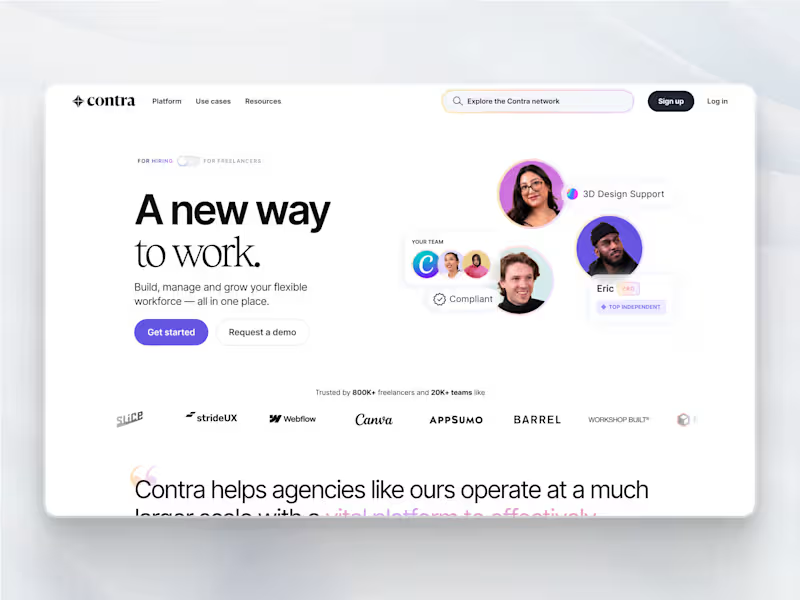
Contra is designed for both freelancers (referred to as "independents") and clients. Freelancers can showcase their work, connect with clients, and manage projects commission-free. Clients can discover and hire top freelance talent for their projects.
What is the vision of Contra?
Contra aims to revolutionize the world of work by providing an all-in-one platform that empowers freelancers and clients to connect and collaborate seamlessly, eliminating traditional barriers and commission fees.