


























What skills should I look for in a low-code/no-code developer?
Look for developers who know popular low-code/no-code platforms like Bubble, OutSystems, or Airtable. They should have problem-solving skills and an eye for design. Make sure they understand how to build apps without much code. They should also be good at explaining what they're doing in simple words.
How do I define my project's goals for a low-code/no-code developer?
Start by writing a clear list of what you want. Think about the main features and how the app should look and feel. Share examples of other projects you like. It's important to know how your project will help reach your goals.
What questions should I ask to understand a developer's experience?
Ask about apps they've built with low-code/no-code. Check if they have any online examples or case studies. Find out how much they've worked with low-code/no-code platforms. Experience can help make your project smoother and faster.
How can I make sure the developer understands my needs?
Have a meeting to talk about your ideas and ask them to repeat it back to you. Listen to how they plan to solve your needs. Check if they suggest things you haven't thought of. This helps make sure you're both on the same page.
How can I set clear project timelines with a low-code/no-code developer?
Start by saying when you need the project done. Break the work into steps like design, build, and test. Ask the developer how long each step will take. Agree on a schedule with check-ins to keep on track.
How do I test a developer's skills before starting the project?
You can ask for a small test project or task. See if they can build a simple app feature or fix a small bug. This helps make sure they can do the job well. Look at how they solve problems and their attention to detail.
What communication tools should I use while working with a developer?
Use messaging apps like Slack or emails to keep in touch. Choose tools like Trello or Asana to track project progress. Discuss and agree on how often you will have meetings or updates. Clear communication keeps the project moving smoothly.
What should I agree upon regarding feedback and revisions?
Talk about how feedback will work from the start. Decide how many changes are okay without extra cost. Set clear rules for how time is set aside for revisions. Agreeing on these makes sure changes don't delay the project.
How can I evaluate a developer's finished work?
Check if the app does what it should and works well. Test the app with some real users and ask for their thoughts. Look at design and make sure everything looks good. Share what you find with the developer to understand their work better.
Who is Contra for?
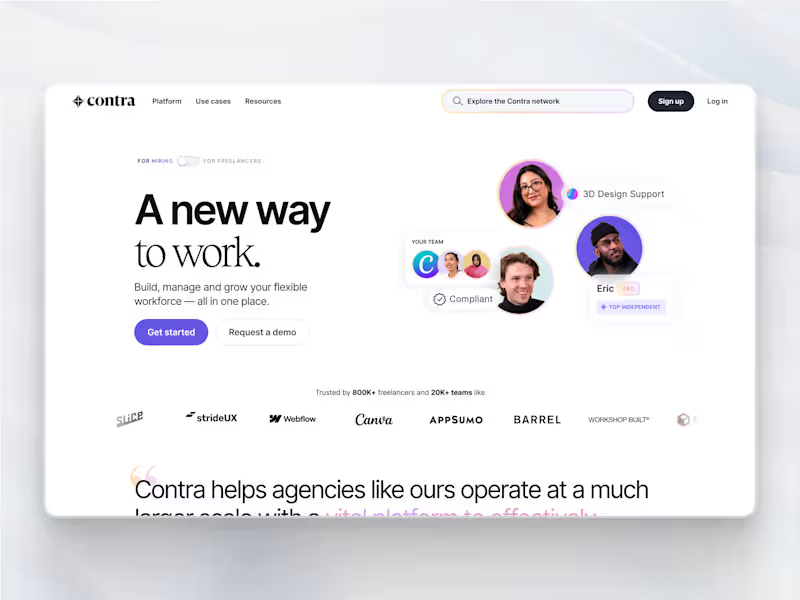
Contra is designed for both freelancers (referred to as "independents") and clients. Freelancers can showcase their work, connect with clients, and manage projects commission-free. Clients can discover and hire top freelance talent for their projects.
What is the vision of Contra?
Contra aims to revolutionize the world of work by providing an all-in-one platform that empowers freelancers and clients to connect and collaborate seamlessly, eliminating traditional barriers and commission fees.