























What should I include in my project brief to hire a low-code/no-code developer?
Make sure your project brief is clear. Describe your goals. Mention the specific tools or platforms you want to use. Explain the project timeline and any important deadlines. A good brief helps freelancers understand if they can help you.
How can I assess a freelancer’s experience with low-code/no-code platforms?
Look at their past projects. Check if they have used platforms like Bubble or Webflow before. You can also ask about their skills. Experience with similar projects is a big plus. Check if they have good reviews from past clients.
What details should I finalize before starting with a freelance low-code/no-code developer?
Decide on the timeline and deliverables. Set clear milestones for the project. Agree on any specific tools or methods to be used. Communication plans are important too. This helps everyone stay on the same page.
How do I ensure a smooth onboarding process for a freelance low-code/no-code developer?
Prepare all necessary materials they need. This can include branding guidelines and initial designs. Introduce them to any team members they will work with. A warm welcome can help them feel part of the team. Clear guidance leads to better results.
What should my timeline include when planning to hire a low-code/no-code developer?
Include a start date in your timeline. Add milestones to check progress. List important deadlines to meet your goals. Make sure the timeline is realistic and allows for testing. A well-thought-out timeline helps avoid surprises.
How do I establish effective communication with a low-code/no-code developer?
Choose a communication tool everyone is comfortable with. Schedule regular check-ins to discuss progress. Be available to answer any questions they may have. Open communication helps solve any problems quickly. It leads to better collaboration and results.
What kinds of deliverables should I expect from a freelance low-code/no-code developer?
Expect working prototypes or apps. Documentation on how it works is also important. Ask for any custom integrations to be clear and functional. Test the final product thoroughly. Good deliverables meet all the requirements you have set.
How can I track the progress of a low-code/no-code project?
Use project management tools to track tasks. Set milestones and deadlines. Regular updates from the freelancer can also help. Reviewing progress ensures everything is on track. Monitoring helps identify and solve any issues early.
Who is Contra for?
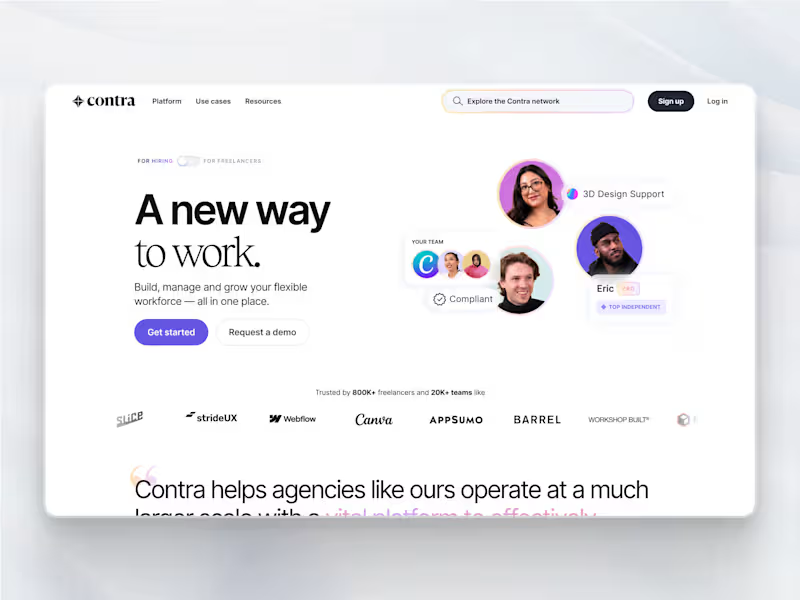
Contra is designed for both freelancers (referred to as "independents") and clients. Freelancers can showcase their work, connect with clients, and manage projects commission-free. Clients can discover and hire top freelance talent for their projects.
What is the vision of Contra?
Contra aims to revolutionize the world of work by providing an all-in-one platform that empowers freelancers and clients to connect and collaborate seamlessly, eliminating traditional barriers and commission fees.