


























What is the best way to outline the project goals for an infographic design?
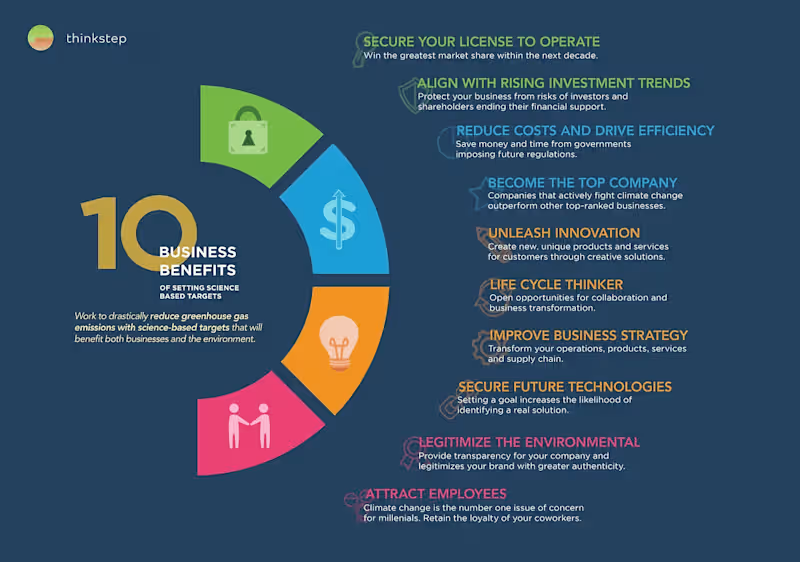
When hiring a freelance infographic designer, it's important to clearly outline your project goals. Start by explaining the main message or data you want to communicate through the infographic. Share any brand guidelines, color schemes, or specific styles you like. Discuss the purpose of the infographic, whether it's for social media, a presentation, or a report. By giving this information, you help set clear goals and expectations for the designer.
How should I communicate timeline expectations to the infographic designer?
To set a timeline, first decide on your own deadlines for the project. Communicate these dates to the designer early on. Ask if they have any other commitments that might affect your timeline. Make sure there's enough time for revisions and feedback. Having clear deadlines helps keep the project on track and ensures everyone knows when things are due.
What details should I include when describing the target audience for the infographic?
Tell the designer about who will see the infographic. Are they kids, adults, or professionals? What do you want them to learn from it? Share any specific preferences or cultural references they might have. Understanding the audience helps the designer create an infographic that truly resonates with the viewers.
How can I ensure the infographic aligns with my brand's visual style?
Provide the designer with your brand's style guides, like color schemes, fonts, and logos. Share examples of previous infographics or marketing materials that you liked. Explain the overall tone you wish to convey, whether it's fun, serious, or professional. This information helps the designer create a cohesive and branded piece of work.
What specifics should I include about the data or information for the infographic?
Gather and organize all the data you want to be included. Make sure the information is accurate and up-to-date. It can be statistics, timelines, or brief explanations. Share any key points that must stand out. By providing clear data, you allow the designer to represent it effectively and accurately.
How should I discuss the format and size requirements for the infographic?
When talking with your designer, be clear about where the infographic will be used. Is it for online purposes, print, or both? Specify the dimensions or any file formats you might need. This helps the designer create an infographic suitable for all intended uses.
Why is it important to agree on the number of revisions before starting the project?
Agreeing on revision limits helps manage time and expectations. It ensures that both you and the designer know how many changes are allowed. It helps avoid endless edits that can delay the project. Set a reasonable number that lets you refine the infographic without overworking the designer.
How should I approach discussing the project milestones?
Break the project into smaller tasks and set completion dates for each. This makes it easier to track progress. Discuss these milestones with your designer to get their input. Agreeing on milestones helps everyone stay organized and ensures that the project moves forward smoothly.
What factors should I consider for collaboration tools and platforms?
Talk to the designer about what tools they prefer for communication and file sharing. Popular choices might include email, chat apps, or cloud storage services. The goal is to choose tools that both sides find easy to use. Good tools make collaboration smoother and more efficient, helping keep the project on track.
Who is Contra for?
Contra is designed for both freelancers (referred to as "independents") and clients. Freelancers can showcase their work, connect with clients, and manage projects commission-free. Clients can discover and hire top freelance talent for their projects.
What is the vision of Contra?
Contra aims to revolutionize the world of work by providing an all-in-one platform that empowers freelancers and clients to connect and collaborate seamlessly, eliminating traditional barriers and commission fees.