


















What skills should I look for when hiring a low-code/no-code developer?
When looking for a low-code/no-code developer, check if they know how to use popular tools like Bubble or Airtable. They should also have a good understanding of how to design simple apps and websites. Look for someone who can communicate their ideas clearly and explain how they build things.
How can I clearly define what I need from the project?
Start by writing down what you want your app or website to do. Think about the tasks it should perform and the problems it should solve. Share this with the developer and ask them to give feedback.
How do I evaluate a developer's past experience?
Ask to see examples of their previous work, like apps or websites they’ve made. Look for projects similar to what you need. If they don't have examples, see if they can quickly explain their work in a way that makes sense.
What should I include in the project timeline?
Think about when you want your project to be finished. Break it into smaller steps or milestones, like design, testing, and final delivery. Share this timeline with the developer to ensure they can meet it.
Why is it important to discuss project deliverables?
Talking about deliverables helps everyone understand what the final product will be. It ensures both you and the developer agree on what needs to be done. It also makes it easier to see if the project is on track.
How can I ensure good communication with the developer?
Decide together on the best ways and times to talk, like through emails or video calls. Regular updates are important, so plan when these will happen. Good communication helps avoid misunderstandings.
How do I determine the technology or tools needed for the project?
Based on your project’s needs, discuss with the developer which tools are best. They might suggest low-code/no-code platforms that match your requirements. This choice affects how your project will be built and maintained.
What should I consider when reviewing a proposal from a developer?
Look at how well they understand your project and if they have a clear plan of action. Check if the proposal includes a timeline, deliverables, and their approach. A detailed proposal shows they are serious about your project.
How do I ensure the project meets my quality standards?
Decide on what good quality looks like for your project. Talk about testing and feedback steps to check if everything works as it should. Agree on changes if some parts don’t meet your standards during these checks.
What is the best way to start the project once I've chosen a developer?
Begin by having a kickoff meeting to review goals and timelines. Make sure both you and the developer have the same understanding. This helps set a clear starting point and makes the beginning of the project smooth.
Who is Contra for?
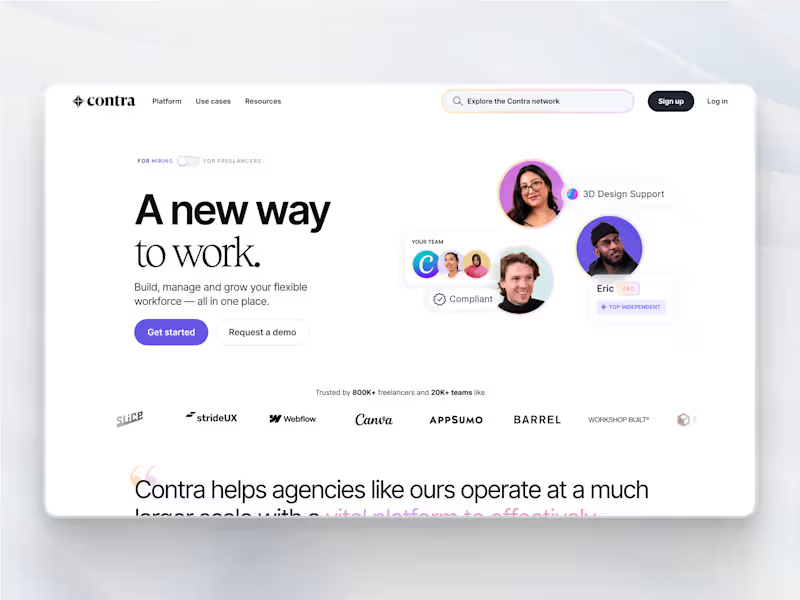
Contra is designed for both freelancers (referred to as "independents") and clients. Freelancers can showcase their work, connect with clients, and manage projects commission-free. Clients can discover and hire top freelance talent for their projects.
What is the vision of Contra?
Contra aims to revolutionize the world of work by providing an all-in-one platform that empowers freelancers and clients to connect and collaborate seamlessly, eliminating traditional barriers and commission fees.
People also hire








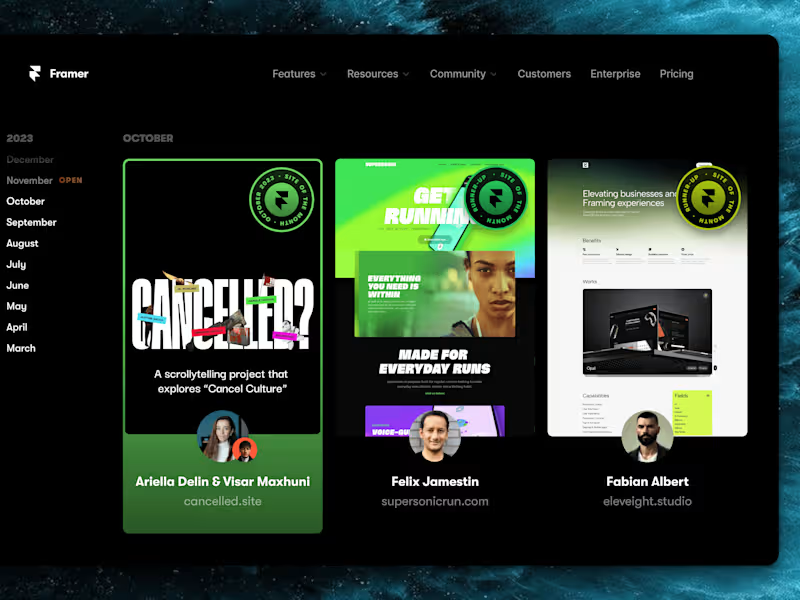
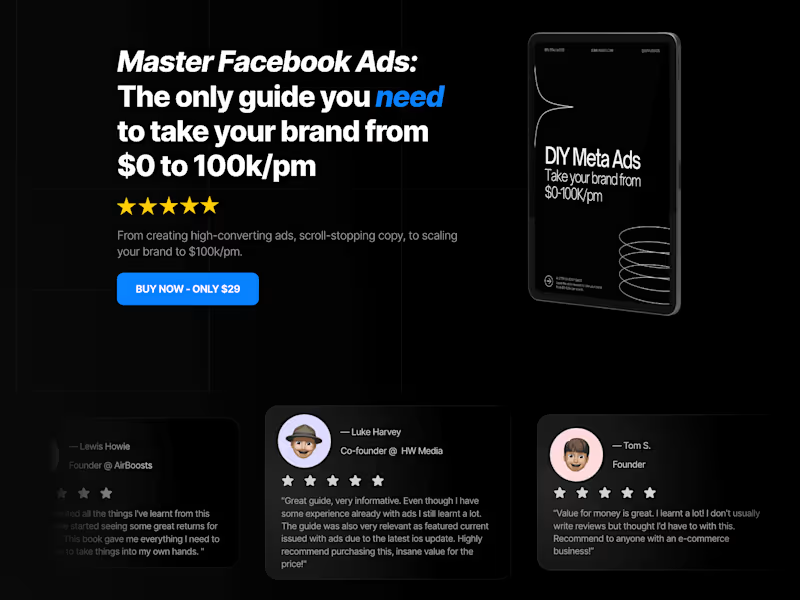
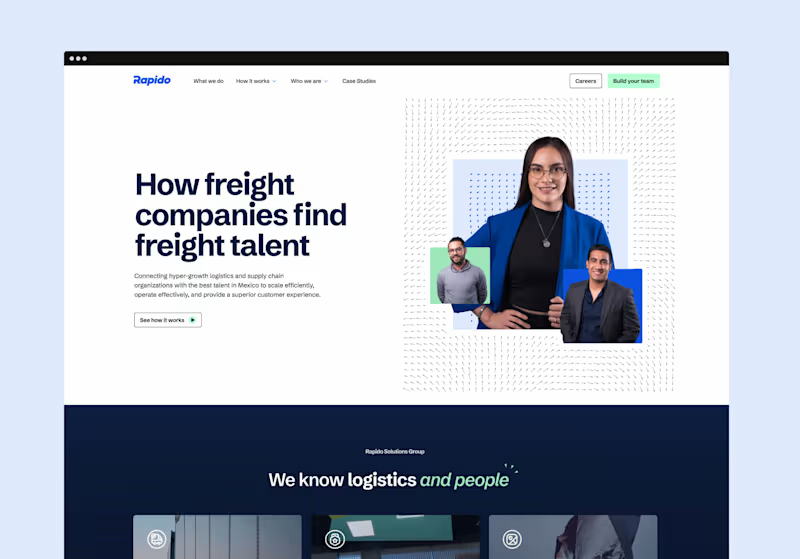
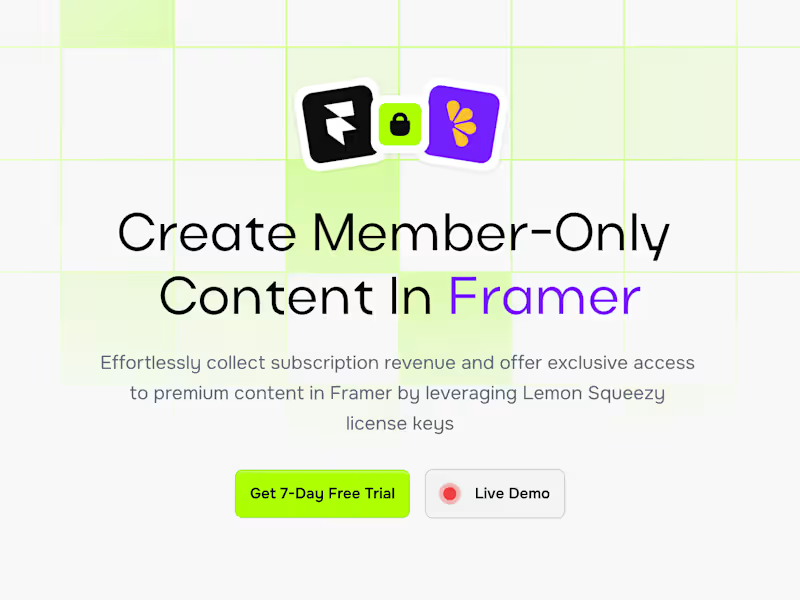
Explore Task Management projects by Low-Code/No-Code Developers on Contra

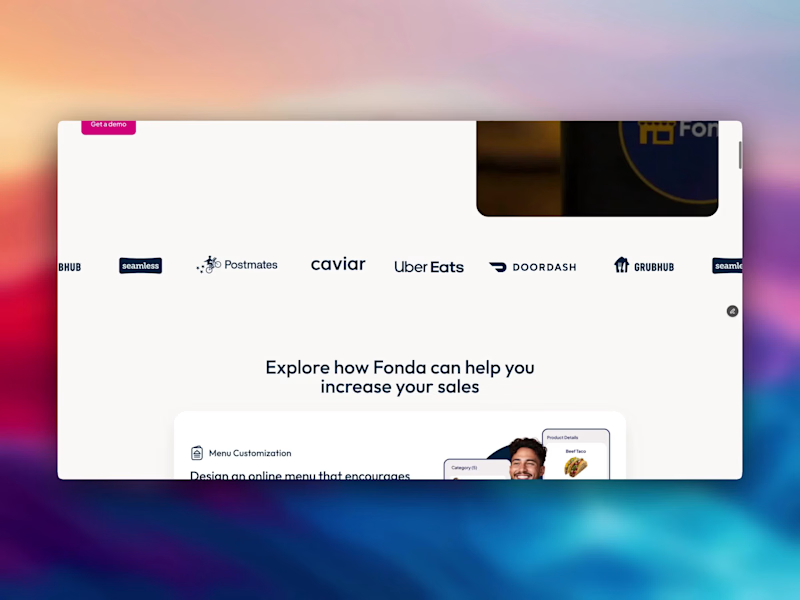
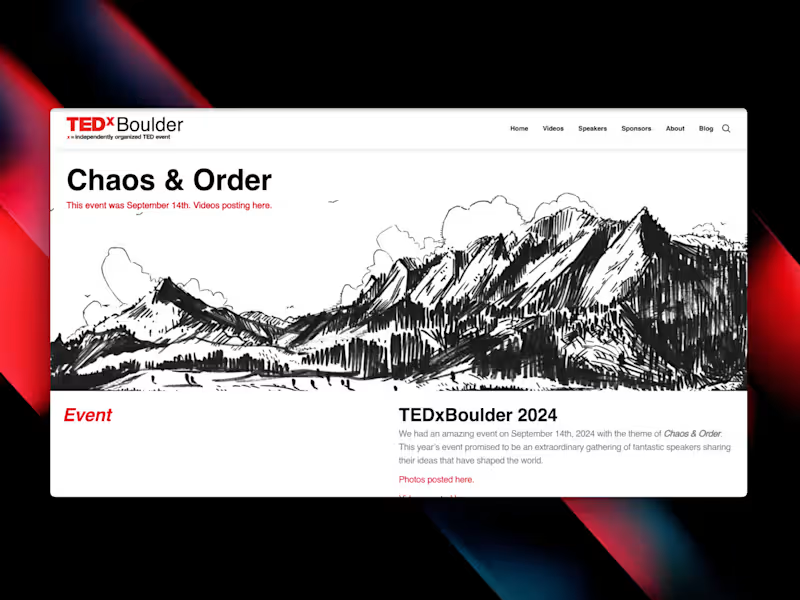
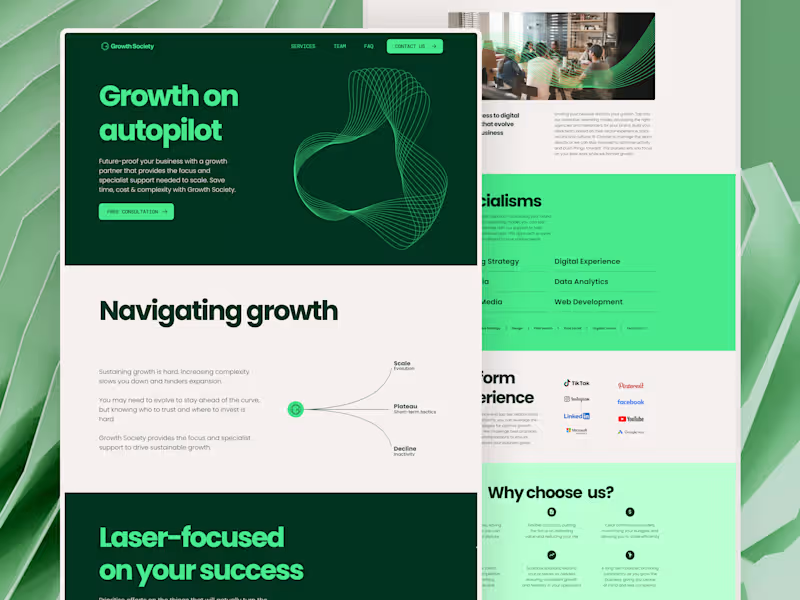
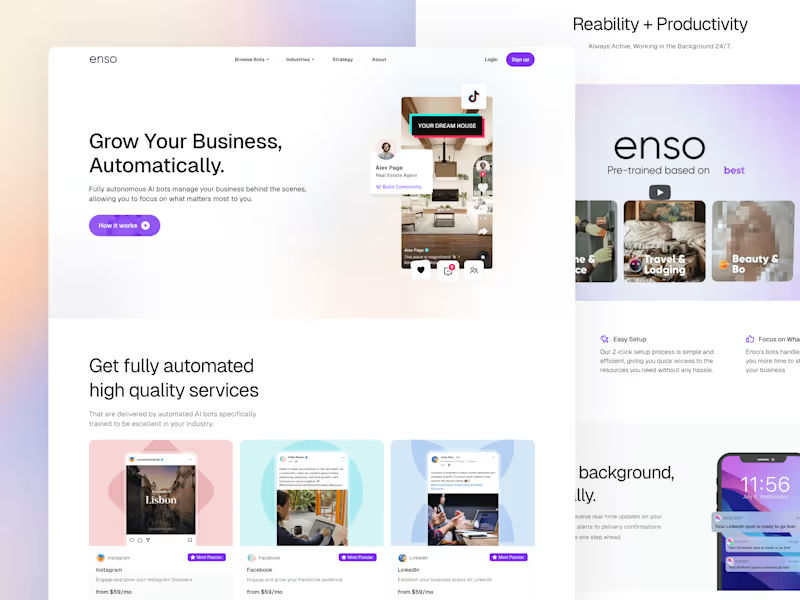
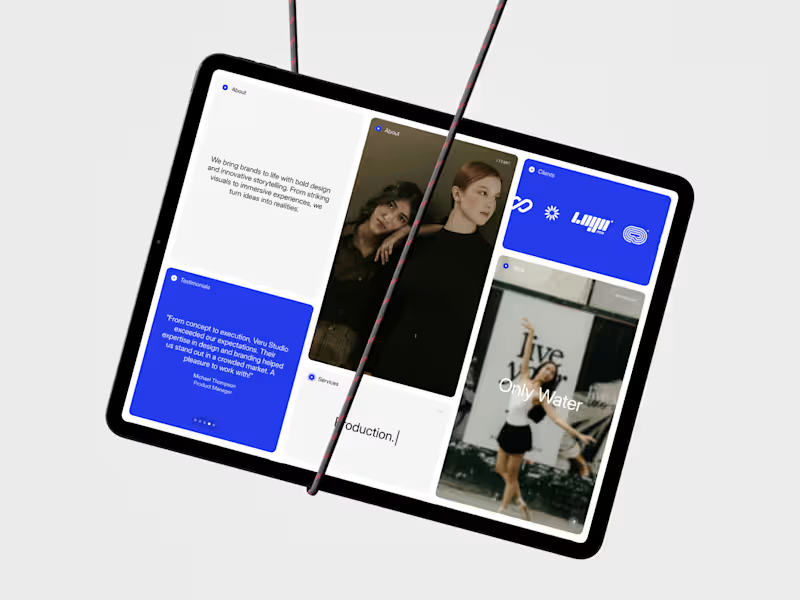
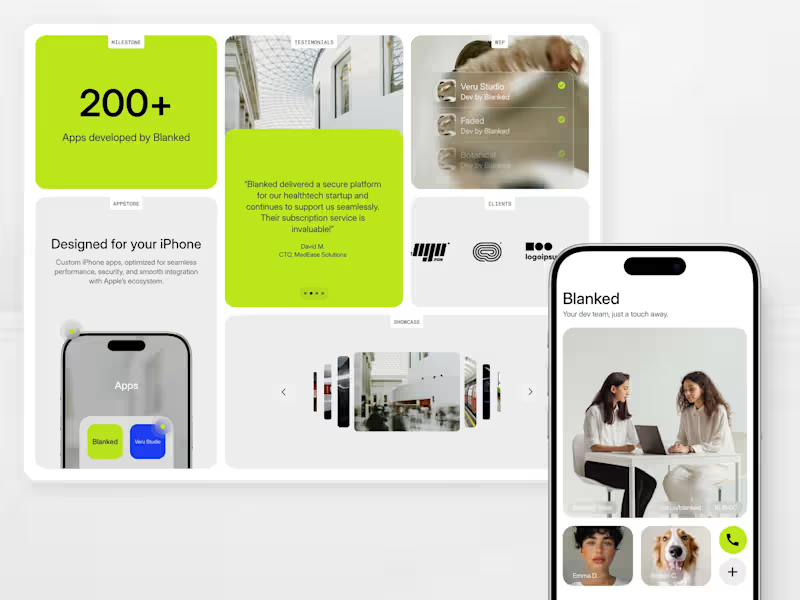
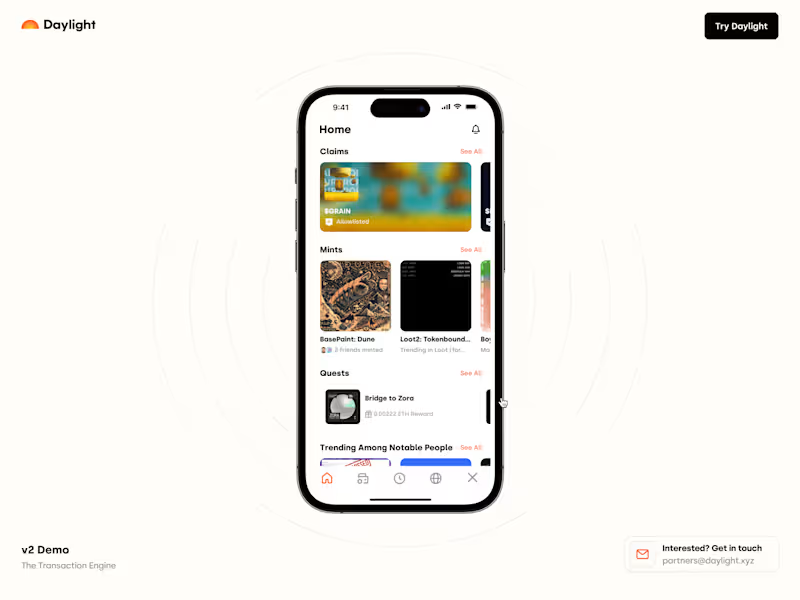
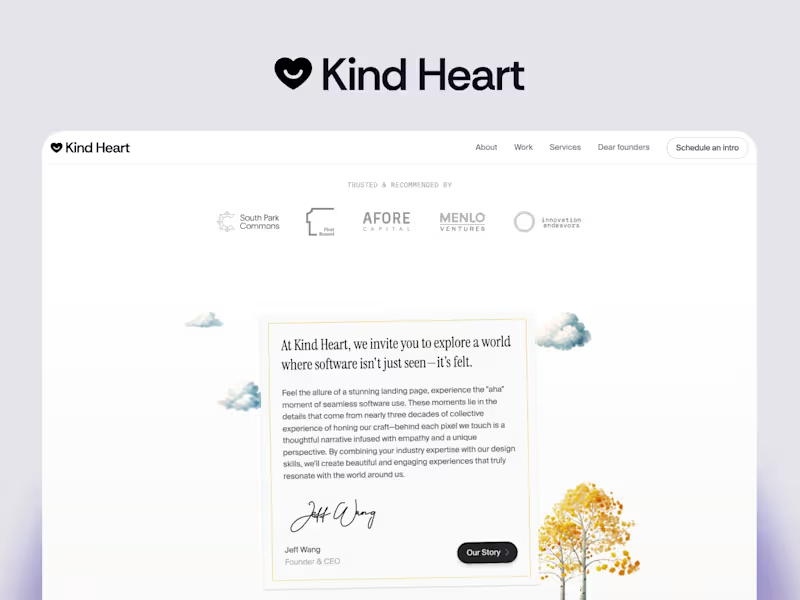
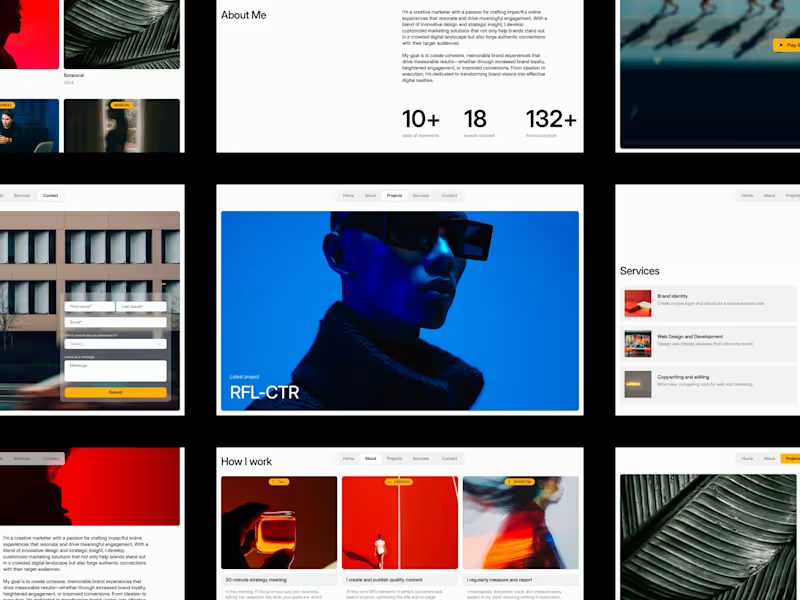
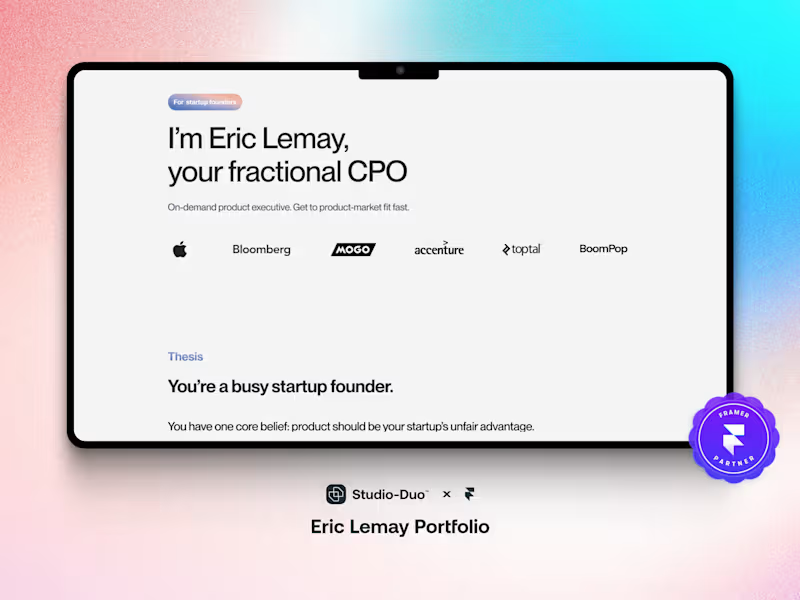
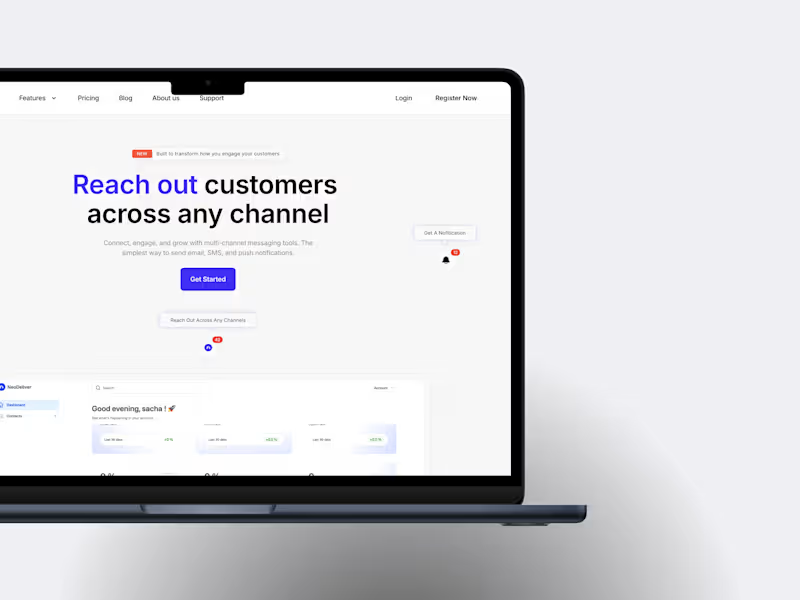
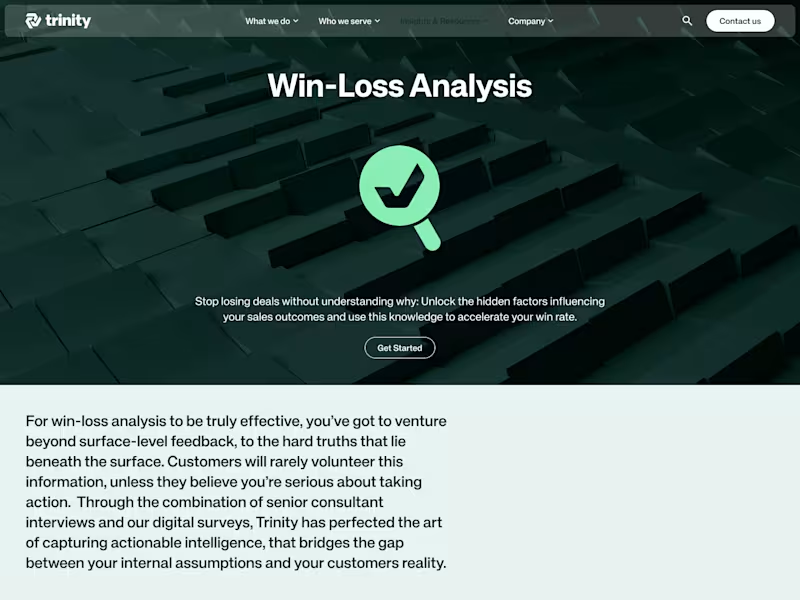
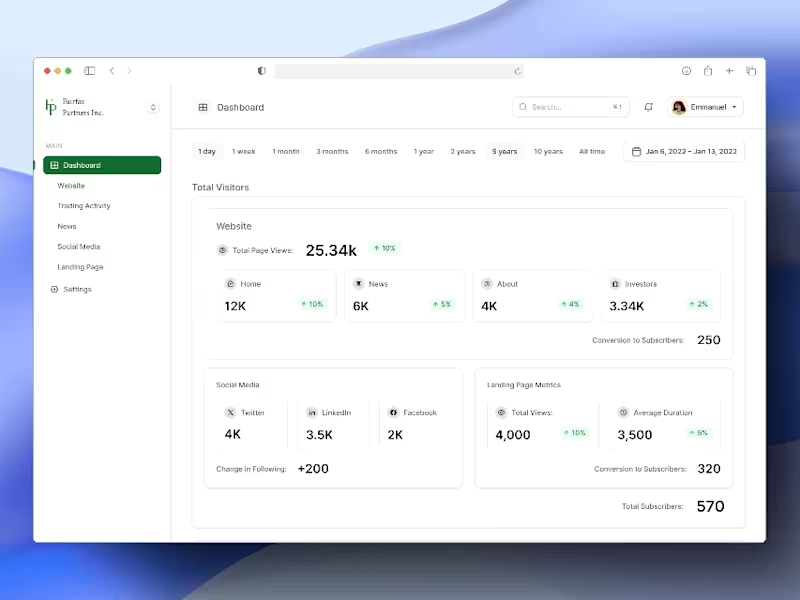
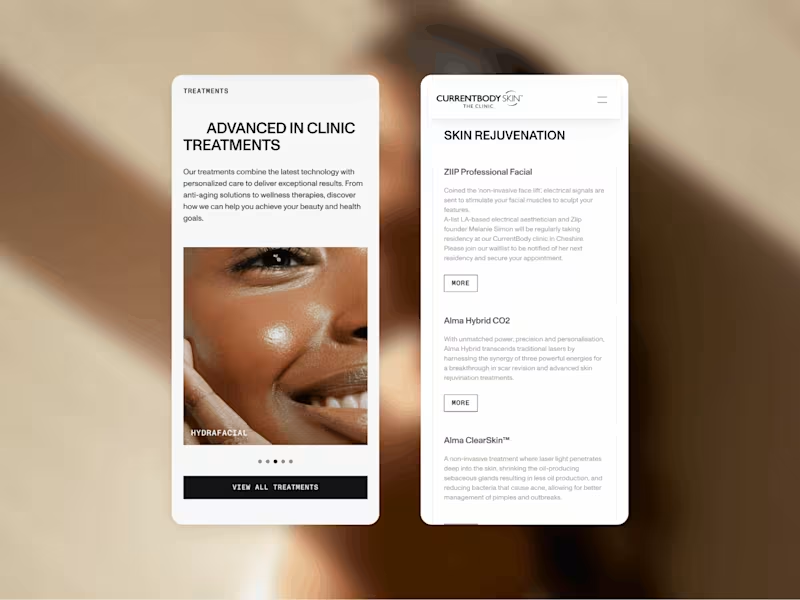
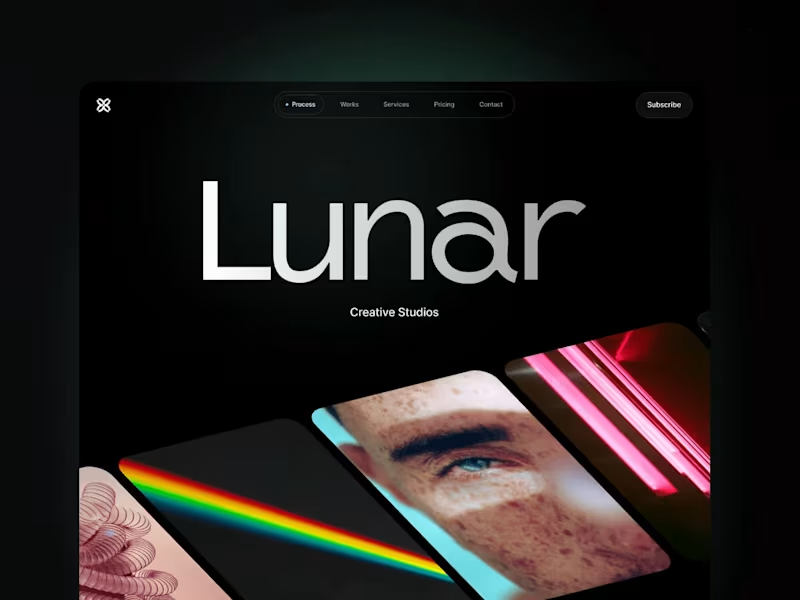
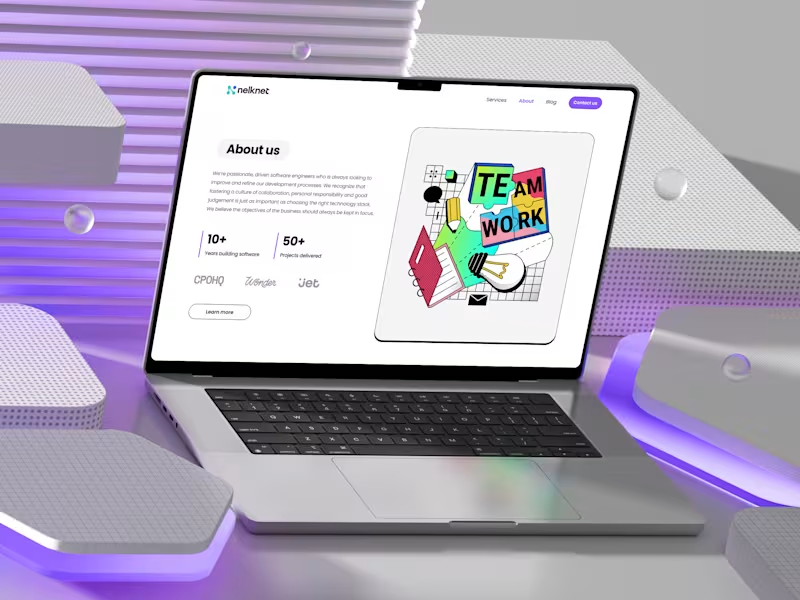
Top services from Low-Code/No-Code Developers on Contra

Azure Functions
Low-Code/No-Code Developer

Microsoft SQL Server
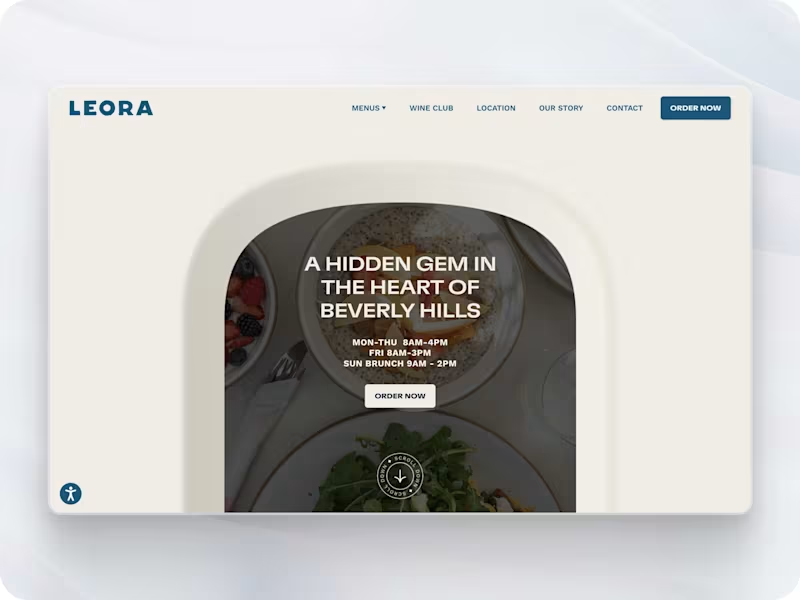
Power Platform Developer: Turbocharge Your Processes!
$50/hr

Airtable
Bubble Developer
Bolt Developer
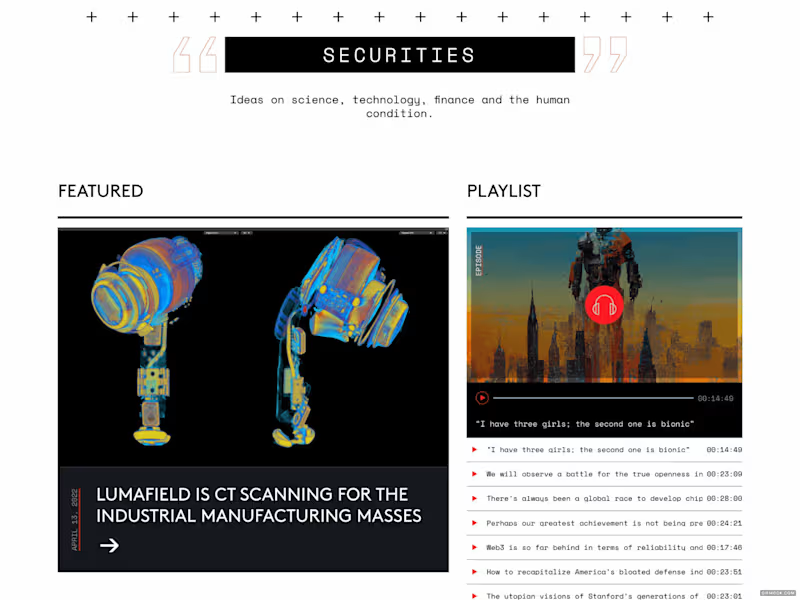
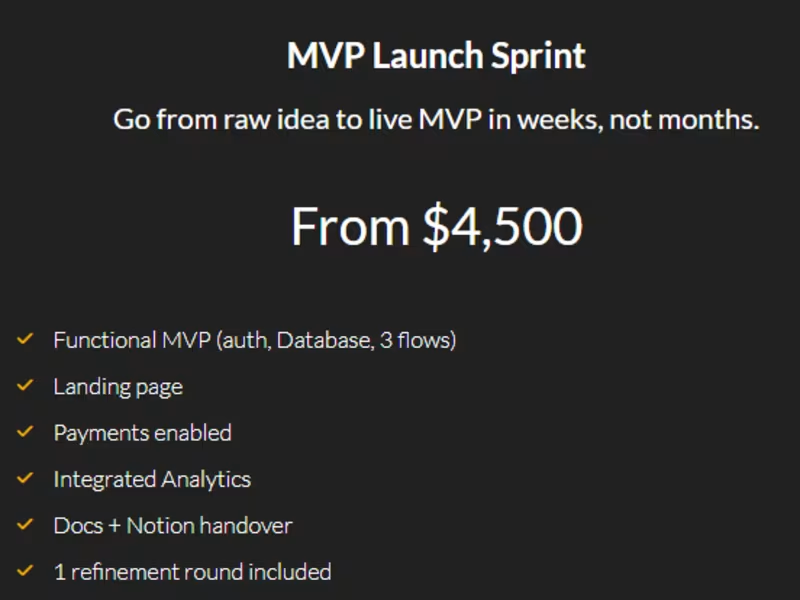
MVP Launch Sprint | No-Code & Vibe Coding | Fast Product Build
Contact for pricing

Figma
UX Designer
Low-Code/No-Code Developer
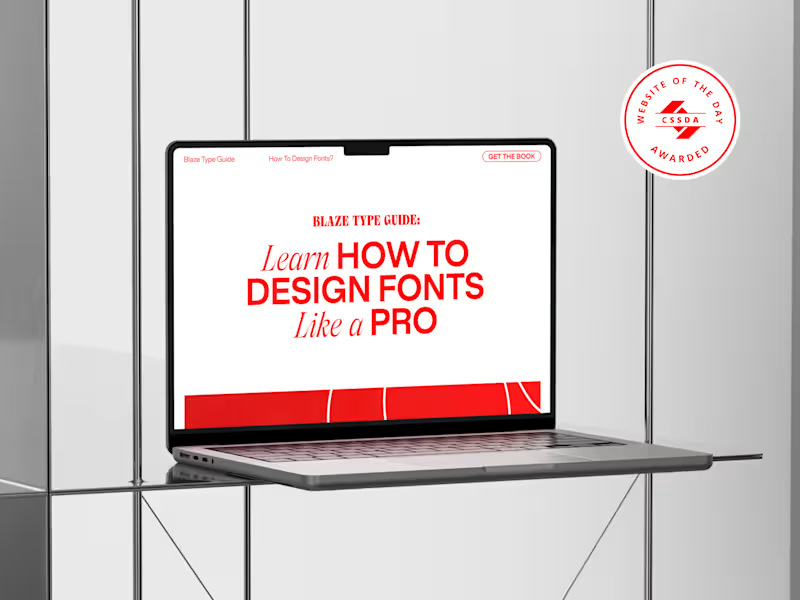
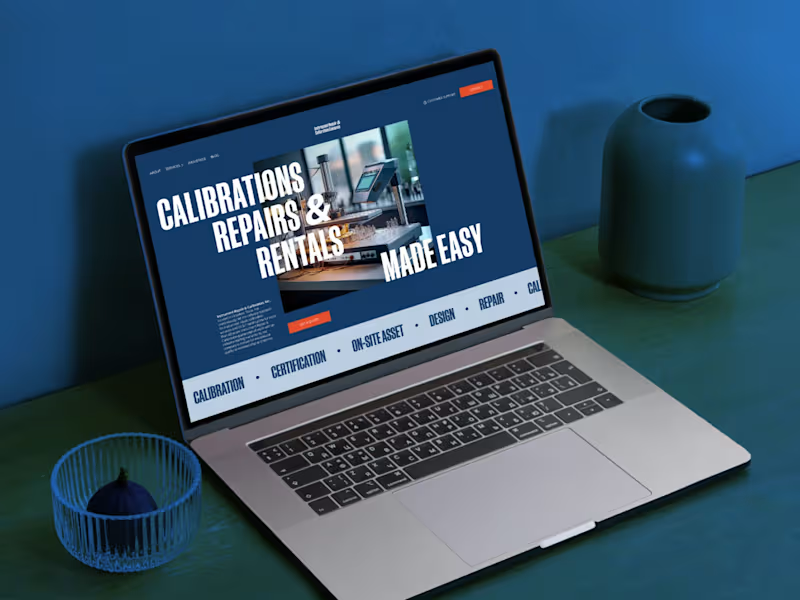
Website design and development with Webflow
$3,000