


























What skills should I look for in a low-code/no-code developer?
Look for developers who have experience with the specific low-code/no-code platforms you plan to use. Check if they have a portfolio or projects completed using those tools. They should have problem-solving skills and understand how to customize applications using available templates and tools.
How do I assess a developer's experience in my industry?
Find out if the developer has worked on projects similar to yours. Experience in the same industry can mean faster understanding of your needs. Ask for examples of past projects so you can see their style and approach.
What types of projects are best suited for low-code/no-code development?
Low-code/no-code tools are great for projects that need quick development and standard features. They work well for small business apps, prototypes, and automating simple processes. However, for complex and highly customized tasks, traditional development might be needed.
What should be included in a project agreement with a low-code/no-code developer?
Include clear deliverables and timelines in the agreement. Specify the platforms and tools the developer will use. Include details about testing, revisions, and support after project completion to ensure everything works smoothly.
How do I ensure the deliverables meet my expectations?
Communicate your goals clearly from the start. Request regular project updates and use milestones to check progress. This helps you see if the work meets your needs and make changes early if needed.
What are the benefits of using low-code/no-code developers for my projects?
These tools allow for faster development and can lower costs. They make it easier to update and change applications without needing deep coding knowledge. This flexibility can help meet business needs quicker.
How important is the scalability of a low-code/no-code solution?
Scalability ensures your solution grows with your business. Check if the platforms the developer uses can handle more users or data over time. This helps avoid issues if your needs expand in the future.
What are the potential limitations of a low-code/no-code solution?
Low-code/no-code platforms may have limitations in customization and flexibility. This can affect complex projects with unique requirements. Discuss these limits with your developer to understand if the solution fits your needs.
What kind of support should I expect post-delivery?
Ensure that there is a clear plan for support after delivery. This can include bug fixes or updates needed after initial testing. Agree on how long the developer will provide support and what it includes.
How can I verify the quality of code produced by a low-code/no-code developer?
While low-code/no-code development reduces manual coding, it's important that the developer maintains best practices. Ask if they follow guidelines provided by the software platform. Request demos or trials to test the solution yourself for quality assurance.
Who is Contra for?
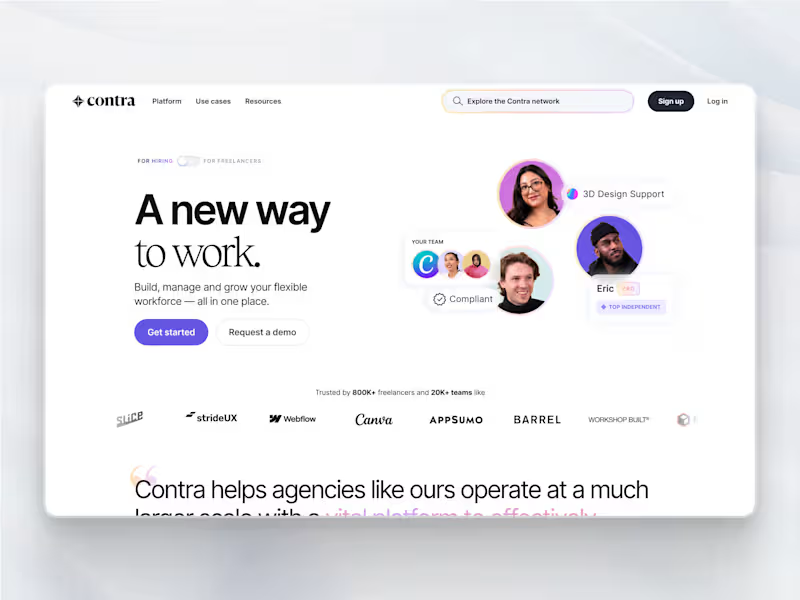
Contra is designed for both freelancers (referred to as "independents") and clients. Freelancers can showcase their work, connect with clients, and manage projects commission-free. Clients can discover and hire top freelance talent for their projects.
What is the vision of Contra?
Contra aims to revolutionize the world of work by providing an all-in-one platform that empowers freelancers and clients to connect and collaborate seamlessly, eliminating traditional barriers and commission fees.