















Low-Code/No-Code Development freelancers for Product Design
Bottom left hero backgroundTop right hero background

Best freelance Low-Code/No-Code Developers for Product Design to hire in 2026

Looking to hire Low-Code/No-Code Developers for your next Product Design project? Browse the world’s best freelance Low-Code/No-Code Developers for Product Design on Contra.

Trusted by 50K+ teams from creative agencies to high growth tech companies

Logo for Wix StudioLogo for RiveLogo for WebstudioLogo for GlorifyLogo for JitterLogo for FlutterFlowLogo for CanvaLogo for Workshop BuiltLogo for BuildshipLogo for AppsumoLogo for FramerLogo for BarrelLogo for BubbleLogo for LummiLogo for WebflowLogo for GrayscaleLogo for Stride UXLogo for InstantLogo for SplineLogo for KittlLogo for RelumeLogo for Replo
FAQs

What project details should I share with a low-code/no-code developer on Contra?

Share the main goal of your project. Explain what features you need, like forms or dashboards. Give them an idea of the timeline and any deadlines you have.

How do I know if a low-code/no-code developer is right for my project on Contra?

Check their past work and see if it's similar to what you need. Look at reviews from other clients to learn about their skills. Ask if they understand your industry or business goals.

What should I include in the agreement with a freelance low-code/no-code developer?

Include a clear list of what they need to build. Set milestones for progress and check-ins. Agree on a timeline for when everything should be done.

What tools do freelancers on Contra use for low-code/no-code projects?

Many use popular platforms like Bubble or Adalo. Ask which tool they prefer and why it’s a good fit. Make sure the tool is easy for you to use later if needed.

How often should I communicate with my low-code/no-code developer on Contra?

Set regular times to talk about the project, like once a week. This helps you both stay on track. More updates mean fewer surprises and better results.

What kind of feedback should I give on low-code/no-code projects?

Explain what you like or want changed clearly. Use screenshots or examples to make it visual. Timely feedback helps developers fix things quickly and keeps the project moving.

How should I handle changes to my project with a low-code/no-code developer?

Discuss any new ideas or changes as soon as possible. Make sure the developer knows what’s most important. Update your agreement if the project's scope changes.

How do I know when my low-code/no-code project is ready for launch?

Check if all features work as planned. Test everything with real users if possible. Get final approval from your developer after fixing any issues found.

How can I ensure my low-code/no-code developer understands my business needs?

Explain your business or field in simple terms. Share your vision and how you want the app to help. The more they know, the better they can build what you need.

Who is Contra for?

Contra is designed for both freelancers (referred to as "independents") and clients. Freelancers can showcase their work, connect with clients, and manage projects commission-free. Clients can discover and hire top freelance talent for their projects.

What is the vision of Contra?

Contra aims to revolutionize the world of work by providing an all-in-one platform that empowers freelancers and clients to connect and collaborate seamlessly, eliminating traditional barriers and commission fees.

People also hire

Explore Product Design projects by Low-Code/No-Code Developers on Contra

Top services from Low-Code/No-Code Developers on Contra

Top locations for Low-Code/No-Code Developers for Product Design

Low-Code/No-Code Developers for Product Design near you

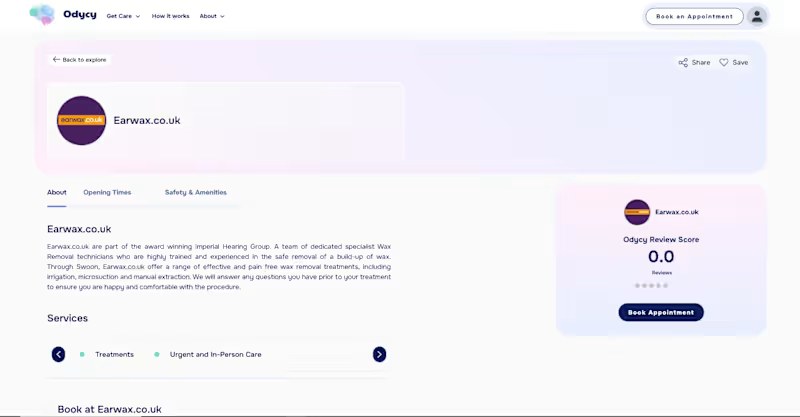
Cover image for Odycy Odycy is an innovative digital platform designed to in...
Odycy Odycy is an innovative digital platform designed to integrate the patient journey with diagnostic providers, maximizing booked capacity and enhancing patient engagement. Odycy offers a seamless booking system, financial solutions for medical care, and personalized user experiences. Developed using Bubble.io (http://Bubble.io), the platform features APIs for provider integration, secure payment gateways, data analytics, and SEO tools.
1
135
Cover image for Website for Florence-based industrial designer Mirko Romanel...
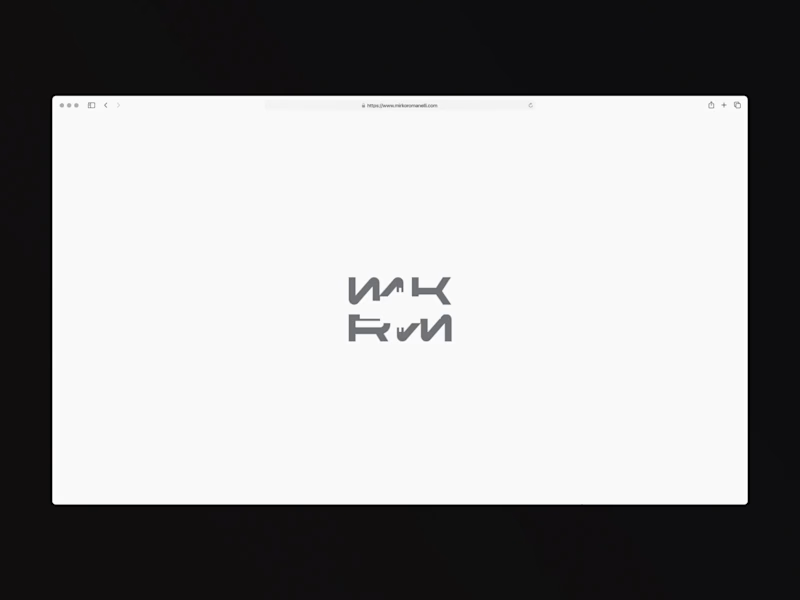
Website for Florence-based industrial designer Mirko Romanelli (https://www.mirkoromanelli.com), designed with attention to detail & built using Webflow (https://webflow.com/made-in-webflow/website/mirkoromanelli). Building the website that could reflect Mirko Romanelli’s refined aesthetic and philosophy came with its own set of challenges. To bring his dedication to minimalism, concept-driven design, and storytelling into a web format, we needed to balance visual appeal with functional clarity carefully. We worked to capture the essence of his brand through deep research and thoughtfully designed elements. Bringing these concepts to life on Webflow also required technical precision to ensure smooth performance and interactivity—all without losing the minimalist feel. Full case → (https://shakuro.com/works/mirko-romanelli)
3
13
271
Cover image for An AI Guided Yoga Trainer - Zenia Zenia is an application th...
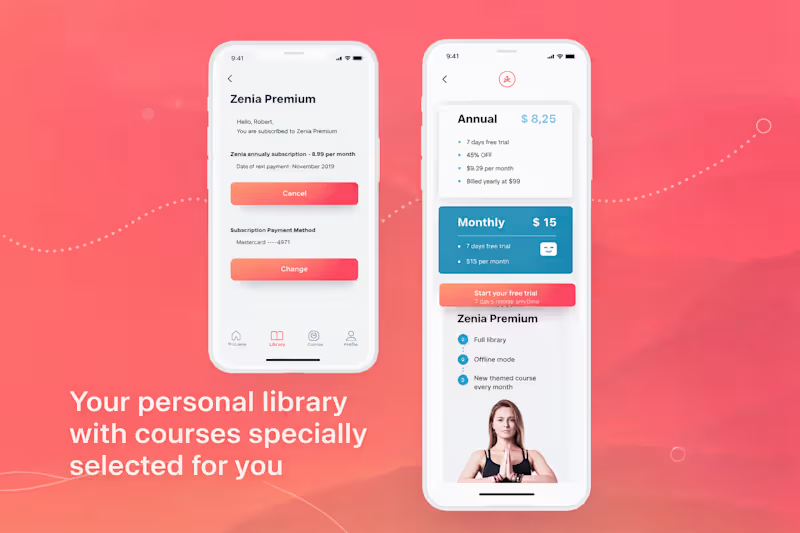
An AI Guided Yoga Trainer - Zenia Zenia is an application that helps users correctly perform all yoga exercises. The artificial intelligence in the app analyzes body positions in each asana using a mobile camera and recommends how to do it correctly. To make the program easy to use, we created interactive wireframes and conducted usability testing. This helped us learn about all the difficulties our future clients might face and prevented them at the early stages.
14
286