


























How do I know if a low-code/no-code developer is right for my project?
First, think about what you want to build. Make a list of what the project needs. Then, see if the developer can do those things with their tools. Check if their past work is like your project. If yes, they might be the right match.
What should I include in the project brief for a low-code/no-code developer?
Write down what your project is about in simple words. Explain what the end result should look like. Include any timelines and key features you need. The more details you give, the better they'll understand your needs. Clear instructions help avoid misunderstandings later.
What's important to discuss before starting a project with a low-code/no-code developer?
Talk about the project goals and deadlines. Agree on what success looks like and any key milestones. Make sure you both understand the deliverables. Communication is key, so agree on how and when you will check in. This helps make sure everyone is on the same page.
Why is setting a timeline important for a low-code/no-code project?
A timeline helps keep the project on track. It tells you and the developer when things should be done. If everyone knows the schedule, it can keep the project moving smoothly. It also helps to identify any challenges early. This way, any changes can be planned without stress.
How can I make sure that the developer understands my project vision?
Share a project document with all the details. Use examples or drawings if needed. Ask the developer to repeat the main points back to you. This way, you know they understand your vision clearly. A shared understanding makes the project work better for everyone.
What are key milestones for a low-code/no-code project?
Key milestones are important parts of your project. They show progress and help check if the project is on track. Decide on specific milestones with your developer. These could be the completion of certain features or a point in time. Tracking milestones helps stay focused.
How can I effectively communicate with a freelance low-code/no-code developer?
Discuss how often you want to communicate. Choose a way to talk, like email or video calls. Regular updates help you see the project's progress. Good communication makes it easier to spot problems early. It's important for building a successful working relationship.
What should I do to prepare for the first meeting with a low-code/no-code developer?
Get your ideas and project details ready. Make a list of questions or items to discuss. Know what you want to achieve in the first meeting. Being prepared helps set a clear direction for the project. It also shows the developer that you are serious and organized.
What are good practices for managing a low-code/no-code project?
Keep a clear line of communication open with your developer. Regularly review progress against the project plan. Be open to discussing any changes needed. Use project management tools if needed, to track tasks and progress. Consistent management practices help ensure the project runs smoothly.
Who is Contra for?
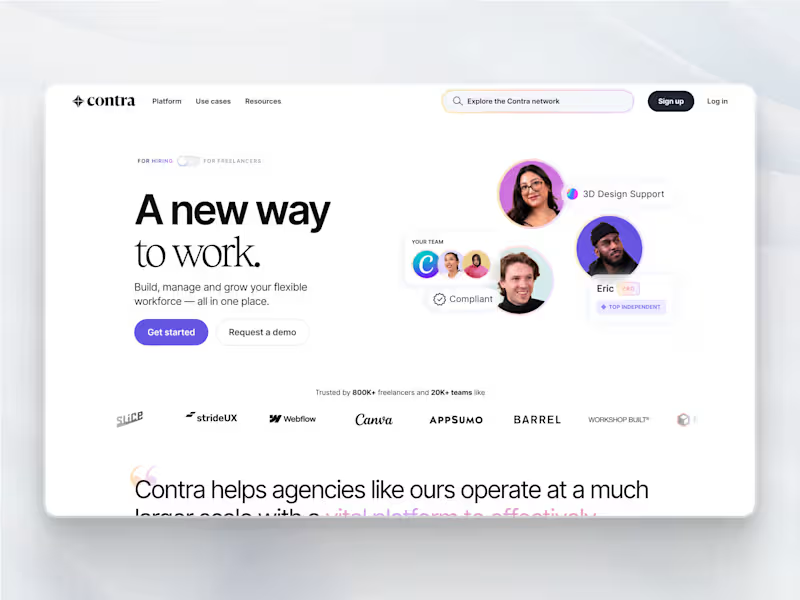
Contra is designed for both freelancers (referred to as "independents") and clients. Freelancers can showcase their work, connect with clients, and manage projects commission-free. Clients can discover and hire top freelance talent for their projects.
What is the vision of Contra?
Contra aims to revolutionize the world of work by providing an all-in-one platform that empowers freelancers and clients to connect and collaborate seamlessly, eliminating traditional barriers and commission fees.