


























How do I define the project scope for a low-code/no-code developer?
Start by listing all the features you want in your app or website. Consider any specific functions, like forms, databases, or user interfaces. Make sure the developer knows the project's goals and who the users will be. This helps the developer to understand what they need to build. A clear scope ensures everyone is on the same page from the start.
What are the steps for agreeing on project deliverables?
First, have a chat with the developer about what you need. Make a list of specific tasks or milestones, like building a login screen or connecting a database. Decide on deadlines for each task to keep the project moving forward. It's helpful to write everything down so both you and the developer know what to expect.
How do I evaluate a low-code/no-code developer's work?
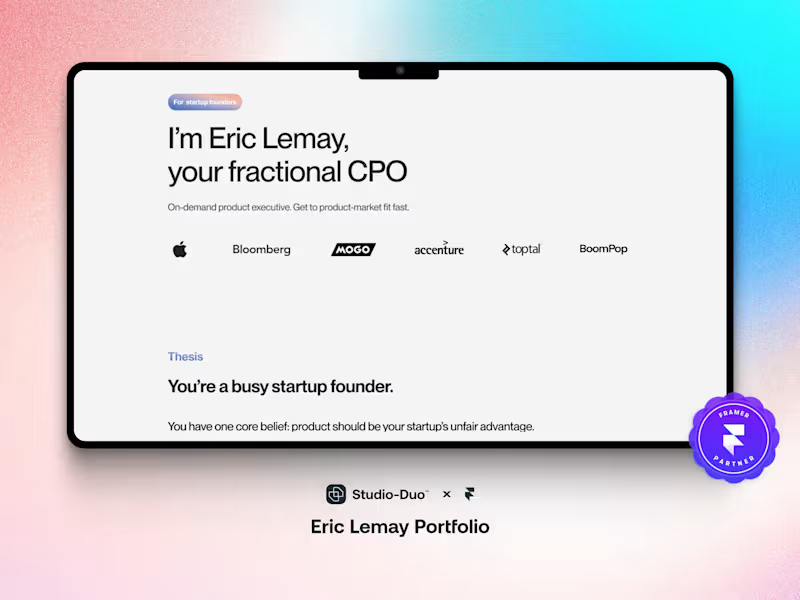
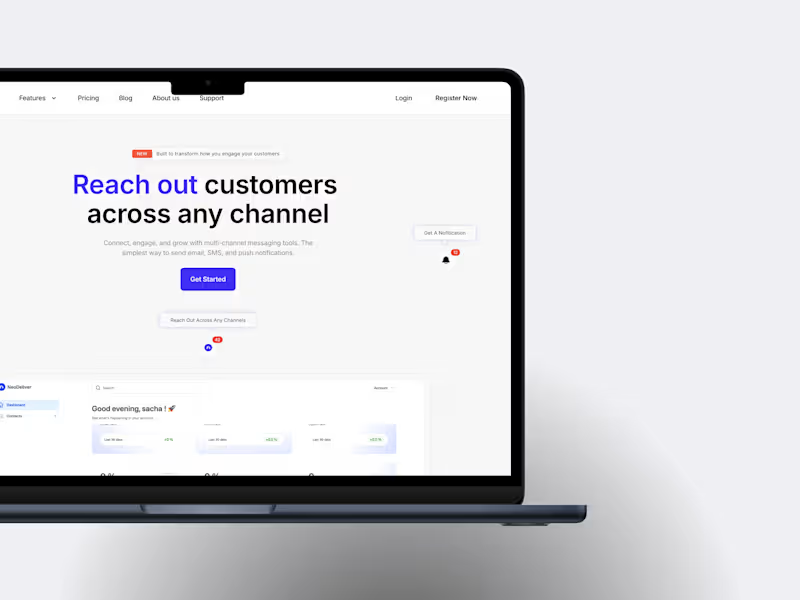
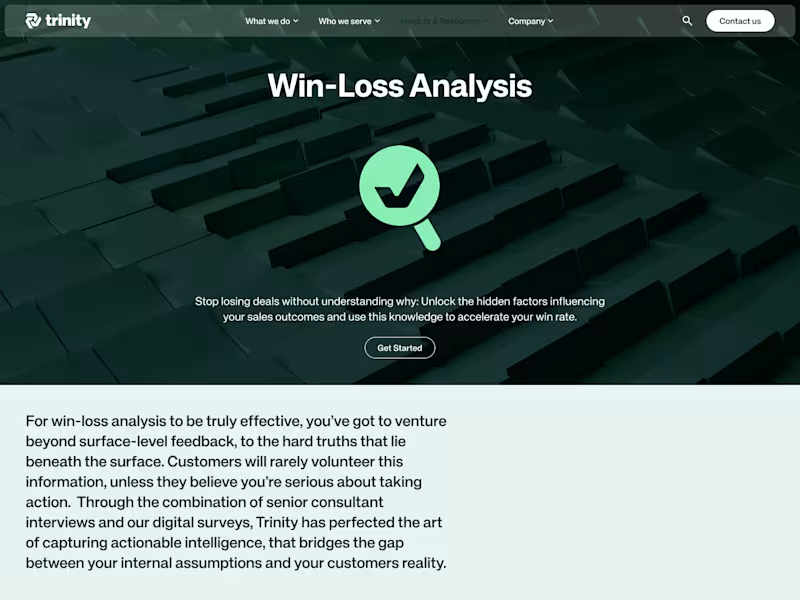
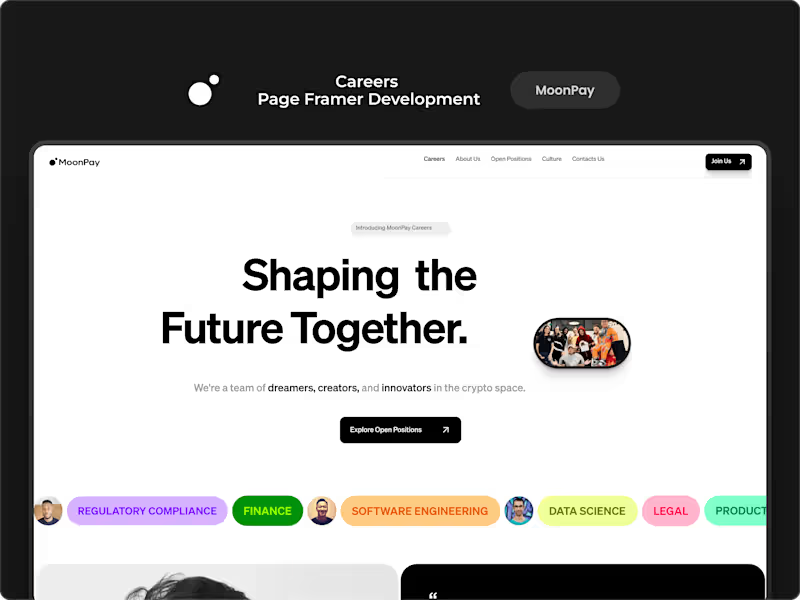
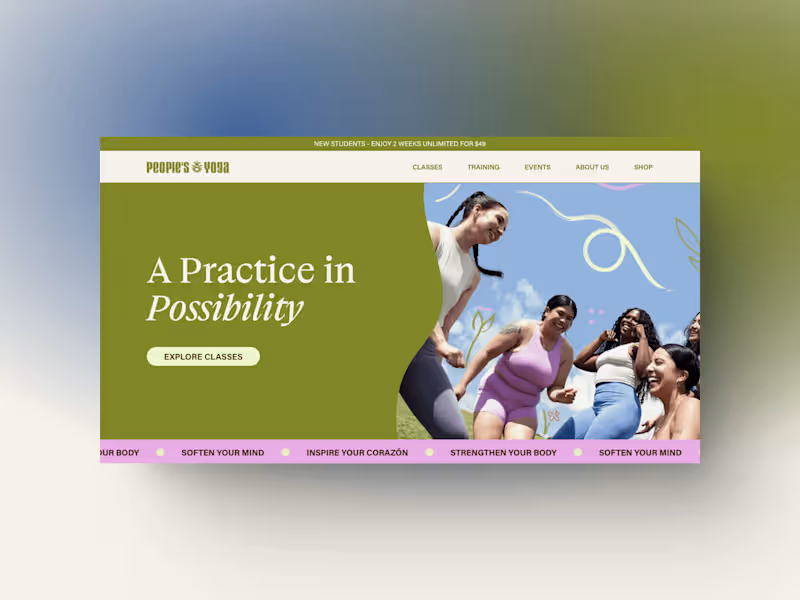
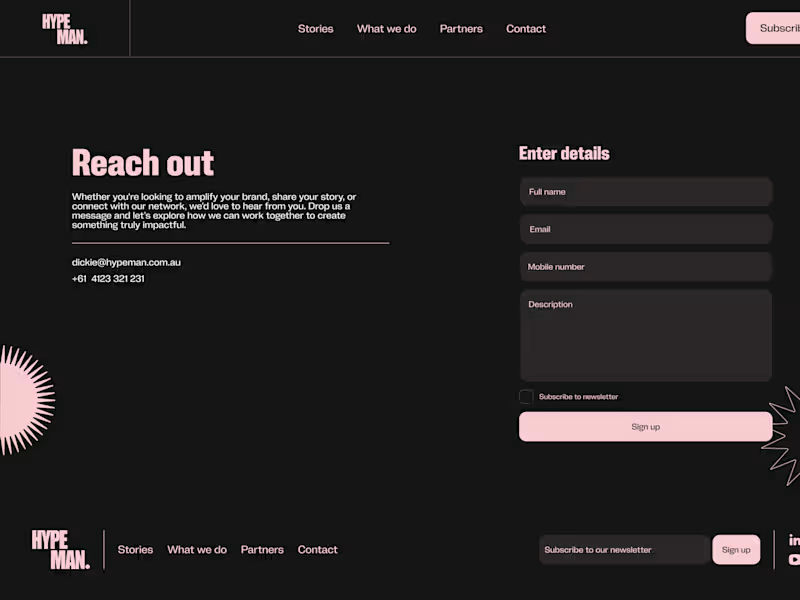
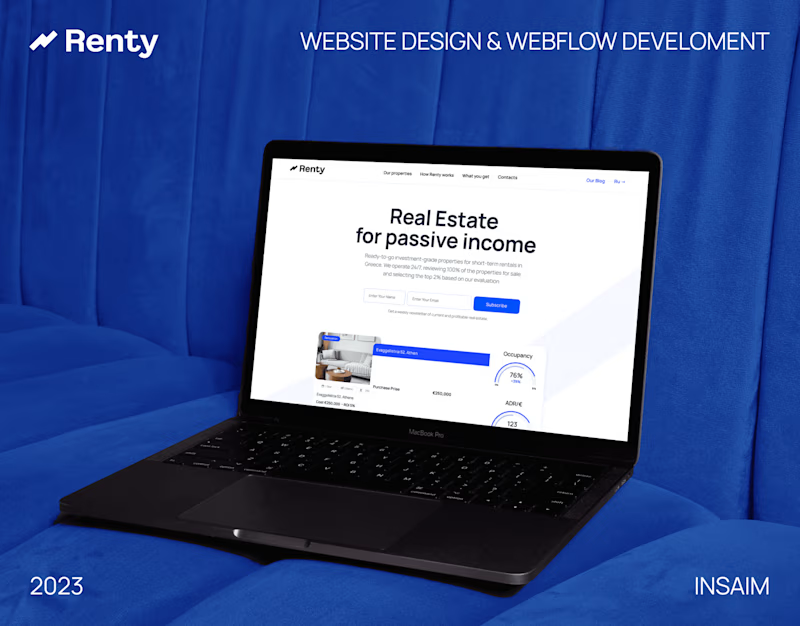
Ask for examples of their past projects to see their skills. Look for projects that are similar to what you want. Pay attention to the design, functionality, and user experience. If they have happy clients, it’s a good sign they do great work. This helps you know if their style matches your needs.
What's the best way to communicate with a developer during the project?
Set up regular check-ins to discuss the project's progress. Use messages or video calls to make sure everyone understands each other. Share any changes or feedback as soon as possible. Clear and frequent communication helps keep the project on track. This prevents misunderstandings and builds a good working relationship.
How can I ensure the developer understands my design preferences?
Share any design examples or inspirations you have. Give feedback on colors, layouts, and styles you like or dislike. Clearly explain any brand guidelines your project needs to follow. This helps the developer create something you’ll love. A strong starting point ensures fewer changes later.
How do I test the app or website during development?
Ask the developer to show you each feature as they finish it. Try using the features just like your users would. Provide feedback on anything that doesn’t work or look right. Testing as you go helps catch issues early. This saves time and makes sure the final product is just what you wanted.
How should I handle changes to the project after work has started?
Discuss any changes with the developer quickly. Explain why the change is needed and how it affects the project. Work together to adjust the schedule or tasks if necessary. Being open and flexible helps the project adapt as it evolves. This keeps both you and the developer happy with the results.
What should I prepare before starting the project?
Gather all the information and materials the developer will need. This might include company logos, content, or any branding details. The clearer you are at the start, the smoother the project will go. Being prepared ensures the developer can jump right in and get to work. This saves time and sets the project up for success.
How can I ensure the project meets my quality standards?
Set clear expectations for quality right from the start. Define what a successful project looks like for you. Schedule time to review and test each part as it’s completed. Provide detailed feedback on what works and what doesn’t. Regular evaluations ensure the developer meets your standards throughout the project.
Who is Contra for?
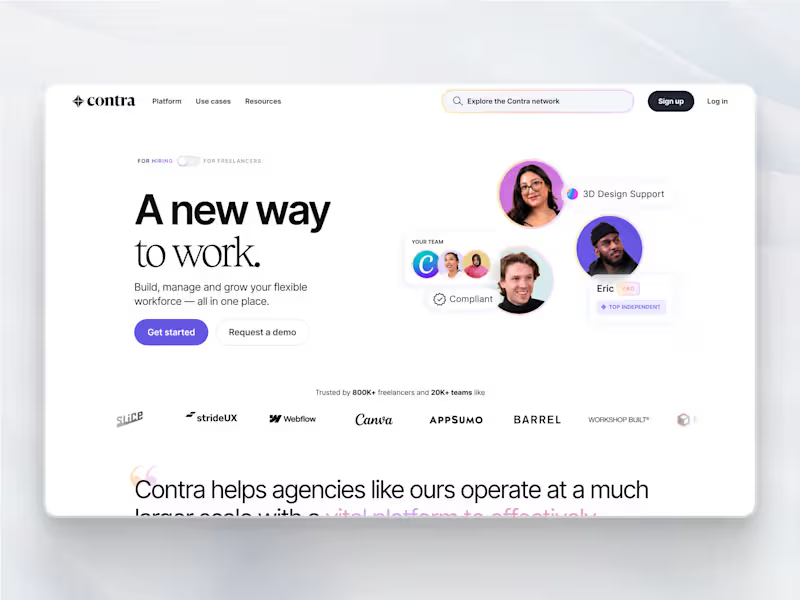
Contra is designed for both freelancers (referred to as "independents") and clients. Freelancers can showcase their work, connect with clients, and manage projects commission-free. Clients can discover and hire top freelance talent for their projects.
What is the vision of Contra?
Contra aims to revolutionize the world of work by providing an all-in-one platform that empowers freelancers and clients to connect and collaborate seamlessly, eliminating traditional barriers and commission fees.