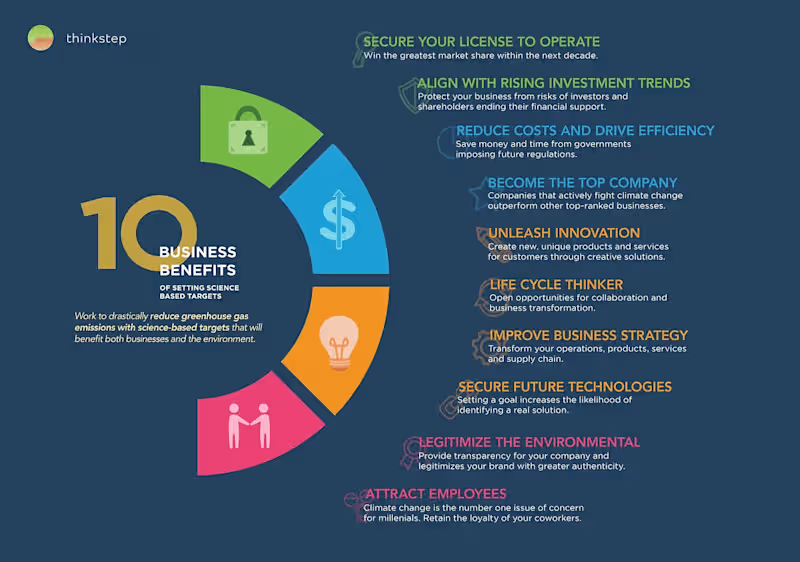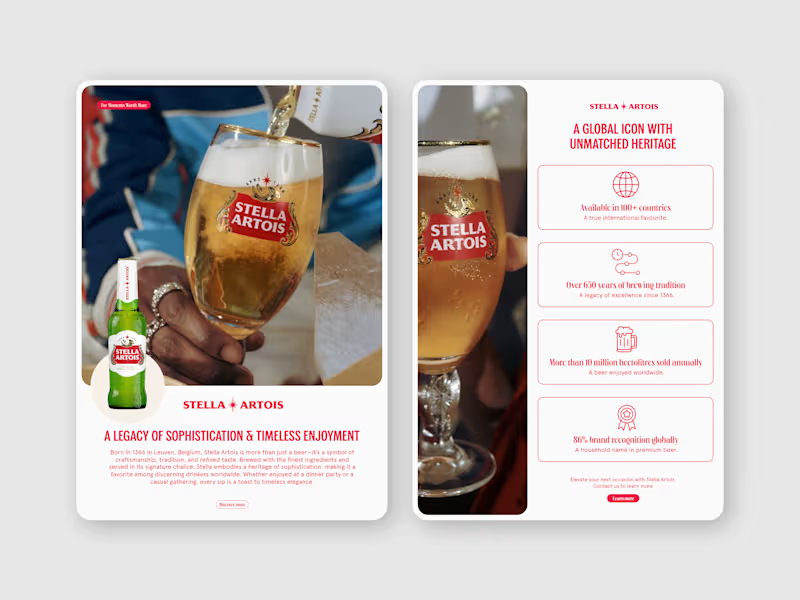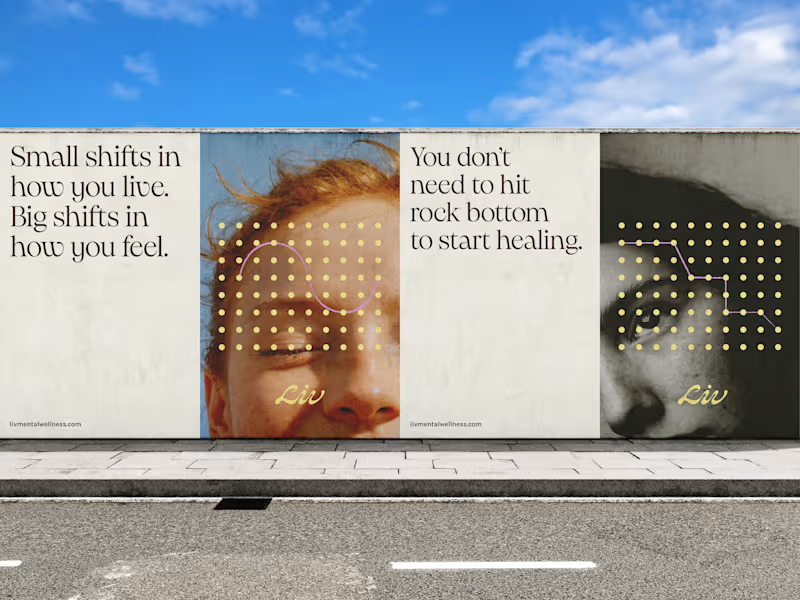



























What style of infographic design will best fit my brand's needs?
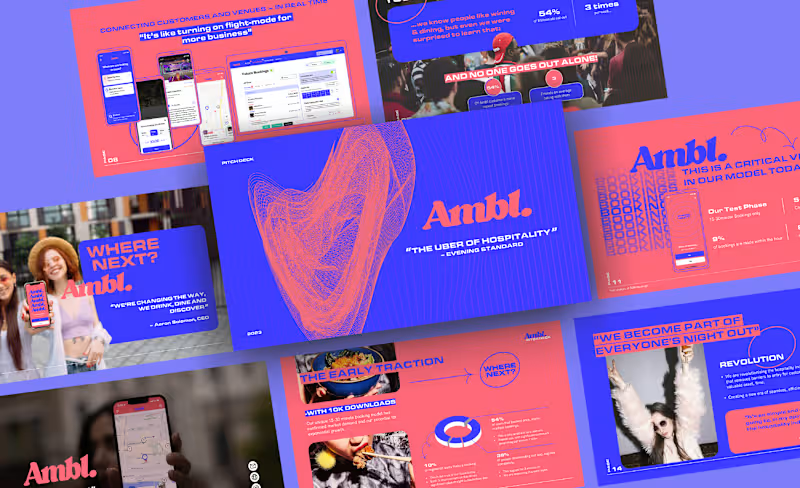
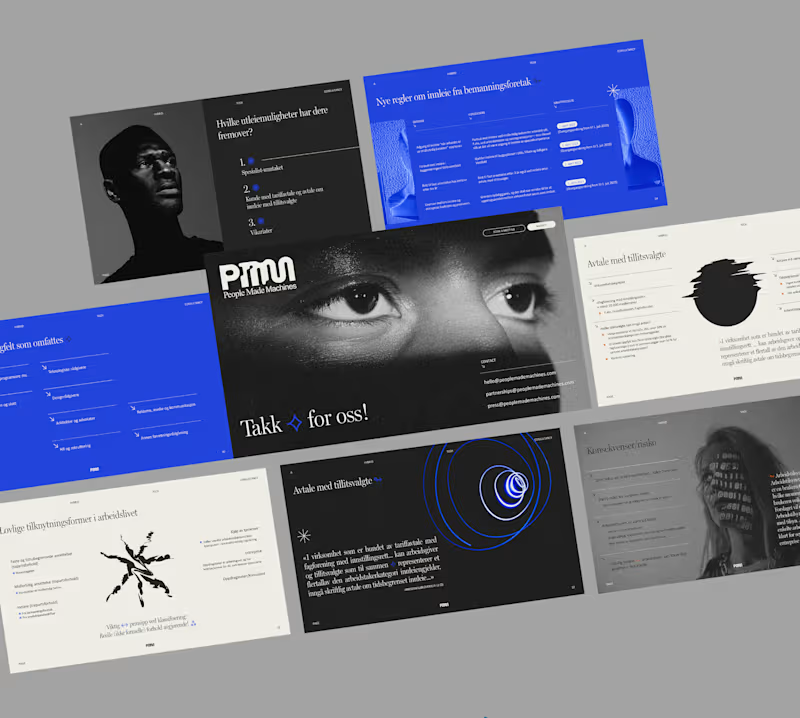
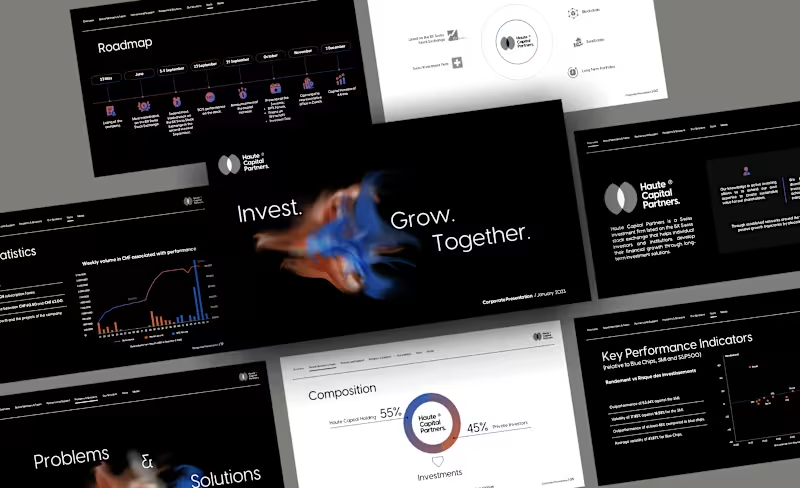
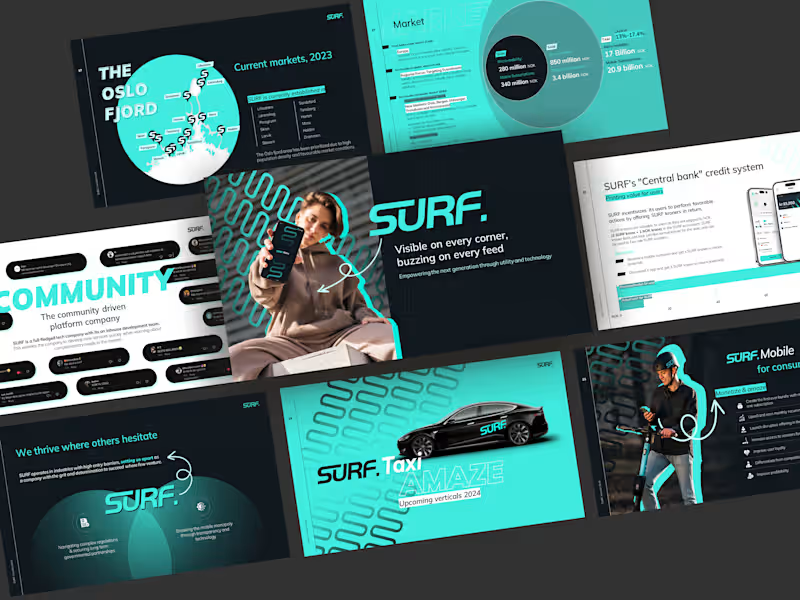
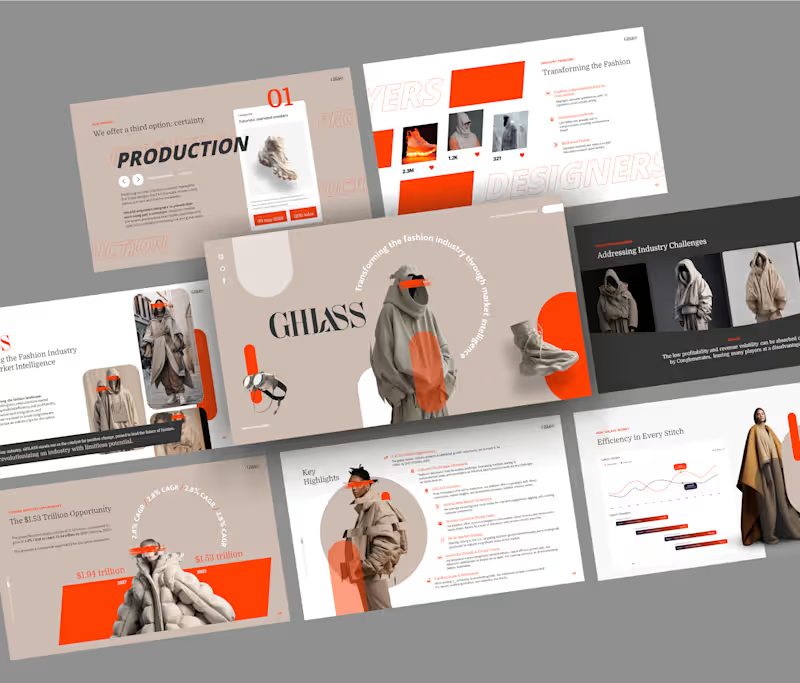
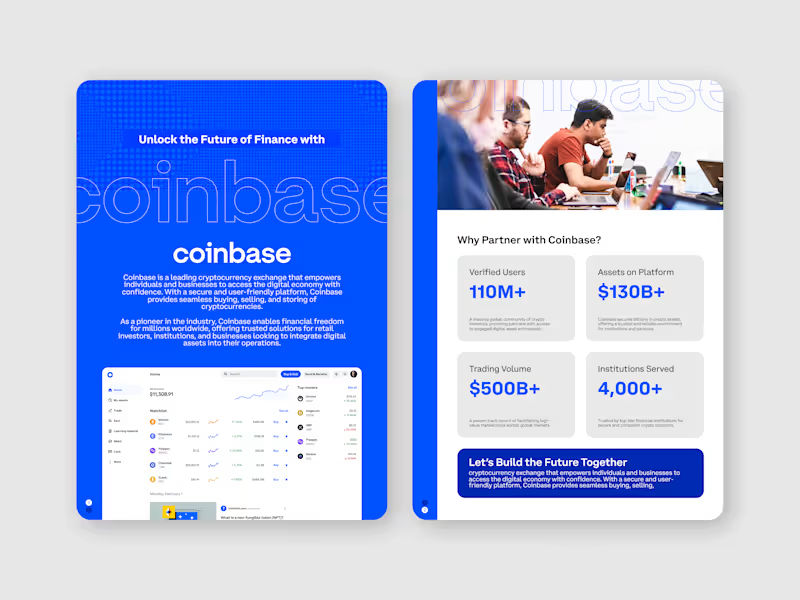
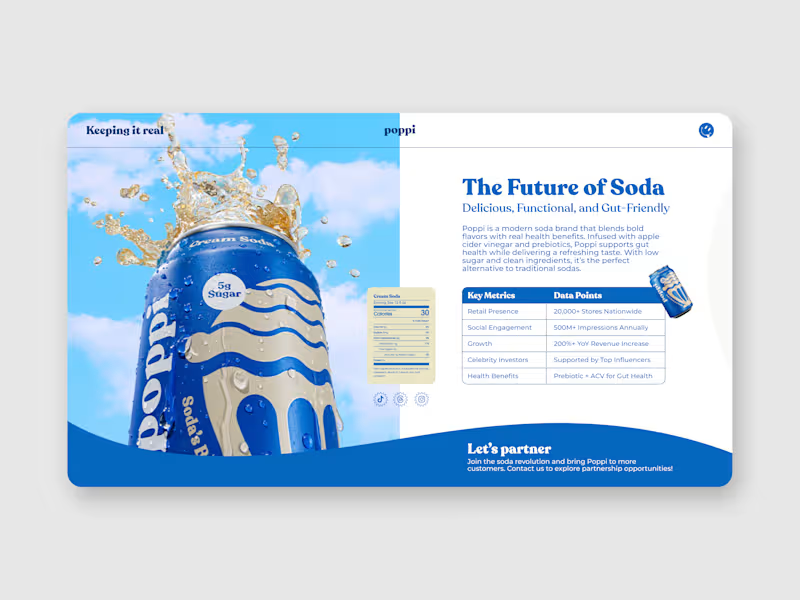
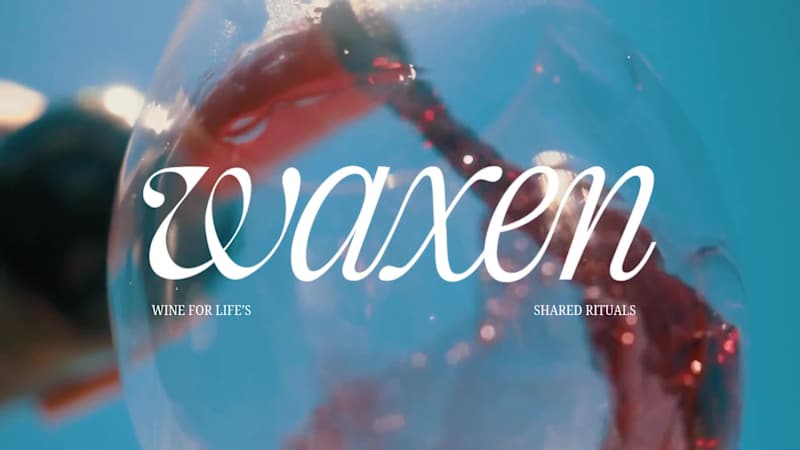
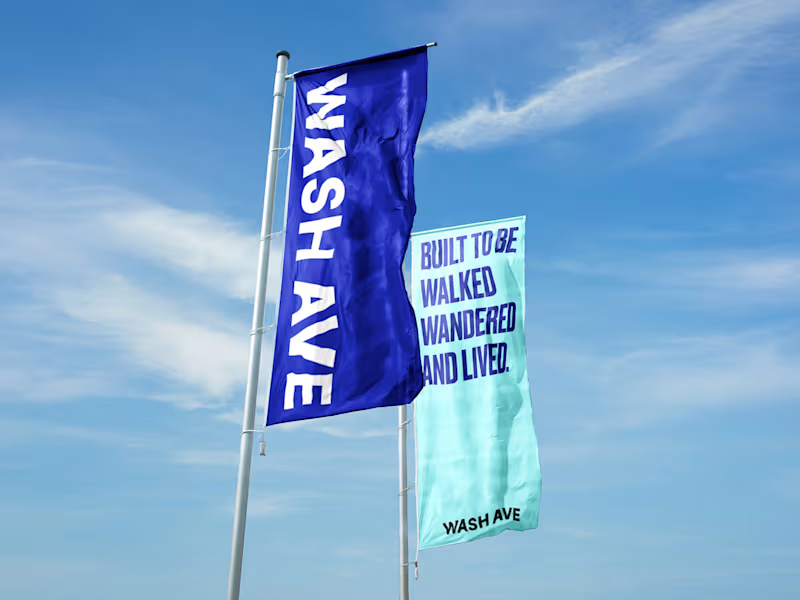
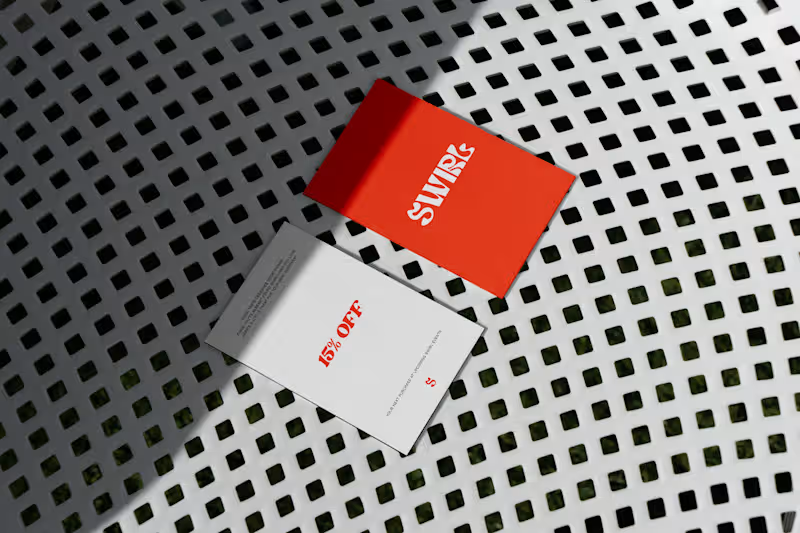
Think about the look of your brand. Do you like bright colors or soft tones? Your infographic should match your brand’s style. This helps people remember your brand when they see your graphics.
How can I clearly define the goals and objectives for the infographic project?
Start by deciding what message you want to share. Write down key points you want the infographic to cover. Decide what you want people to feel or do after seeing the infographic. Clear goals make it easier to measure success.
How should I establish the scope and timeline for the infographic project?
Make a list of what the infographic must include. Decide when you need the first draft and the final version. Setting a timeline helps keep the project on track. Make sure the timeline is realistic for quality work.
What details should I provide to my infographic designer to get started?
Share your brand colors, fonts, and any logos with the designer. Provide examples of infographics you like. Clearly explain your target audience and what you want them to learn. The more information, the better the end result.
How can I ensure that the infographic's content is accurate and up-to-date?
Double-check all your data and sources before sharing with the designer. If using recent statistics, ensure they are from a trusted source. Correct content helps build trust with your audience. Update any figures if the project timeline spans a long period.
What steps should I follow to review and provide feedback on the drafts?
Look over each draft carefully. Make notes on what looks good and what needs tweaking. Be specific in your feedback to help the designer make quick updates. Clear feedback helps ensure the final product meets your vision.
How can I make sure that both parties understand the visual and design aspects of the project?
Have a call or video chat to discuss the design vision. Use design examples to show exactly what you like. Confirm understanding by summarizing your discussion in an email. Good communication prevents misunderstandings.
What should be included in the final delivery package from the designer?
Decide which file formats you need, like JPG, PNG, or PDF. Check if you need a version for print and digital use. Ask for the editable files in case you need changes later. A complete package saves time in the future.
How can I ensure that the infographic design aligns with my overall marketing strategy?
Share your marketing plan with the designer. Highlight key marketing messages and campaigns. Ensure the design complements other marketing materials. This creates a unified brand presence across different channels.
How should I communicate any future updates or ongoing design needs?
Set up regular meetings or calls to discuss new needs. Share any changes in priorities or strategies early. Keeping your designer in the loop ensures quick adaptations. Ongoing communication helps keep designs fresh and relevant.
Who is Contra for?
Contra is designed for both freelancers (referred to as "independents") and clients. Freelancers can showcase their work, connect with clients, and manage projects commission-free. Clients can discover and hire top freelance talent for their projects.
What is the vision of Contra?
Contra aims to revolutionize the world of work by providing an all-in-one platform that empowers freelancers and clients to connect and collaborate seamlessly, eliminating traditional barriers and commission fees.