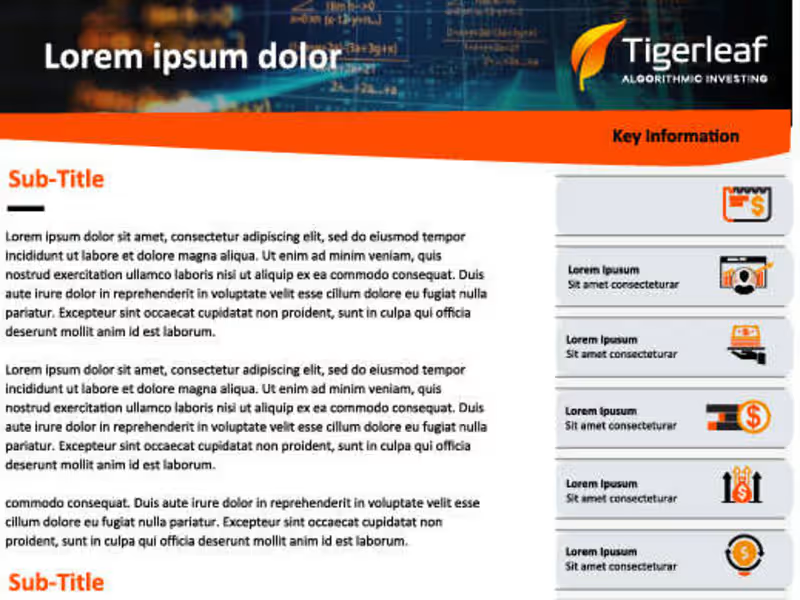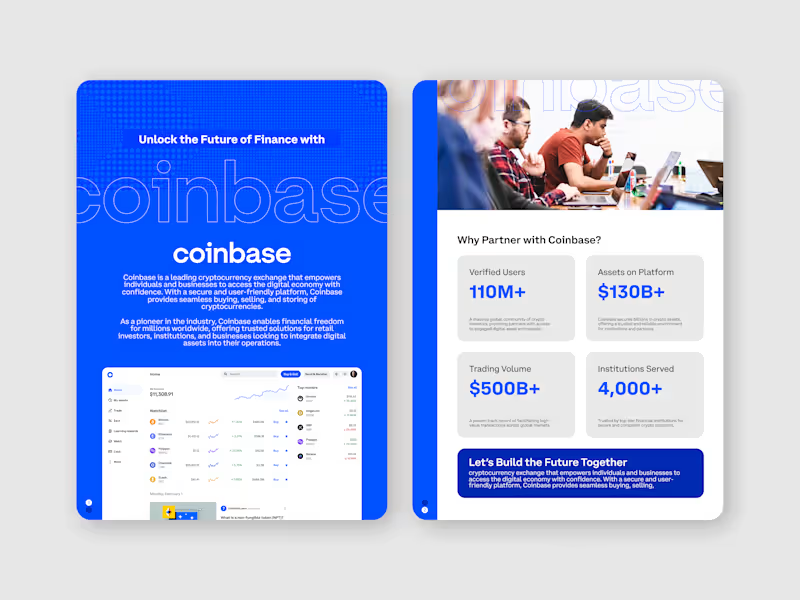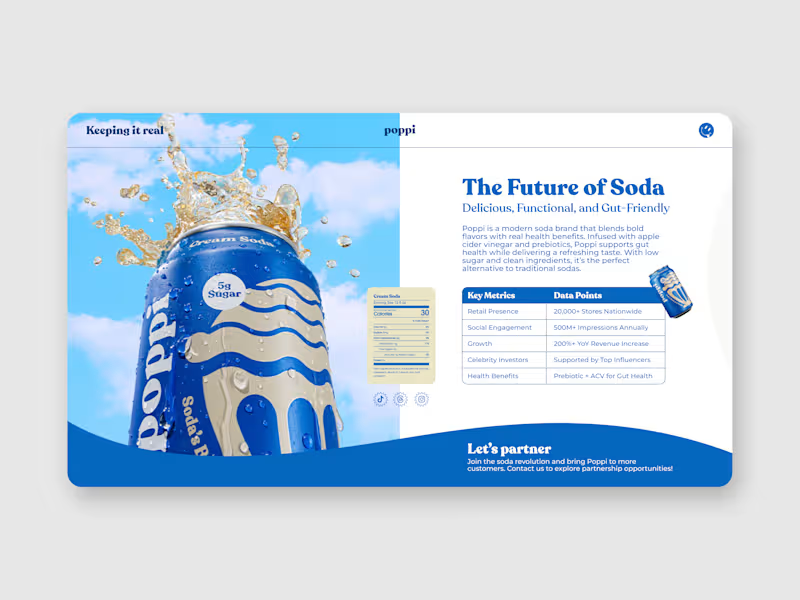

























How do I define the goal of my infographic project before hiring on Contra?
Think about what message you want to share with others. Be clear on the purpose and the audience for the infographic. Having a clear vision will help the designer create something that fits your needs perfectly. Write down a few key points that you want to include. This way, the designer will understand what is important to you.
What information should I prepare before hiring an infographic designer?
Gather all the data and details you want in the infographic. This might include text, numbers, and images. The clearer your information, the easier it will be for the designer to work with. Make sure everything is correct and up-to-date. This will help the project move quickly and smoothly.
How can I assess a designer's style to match my project needs?
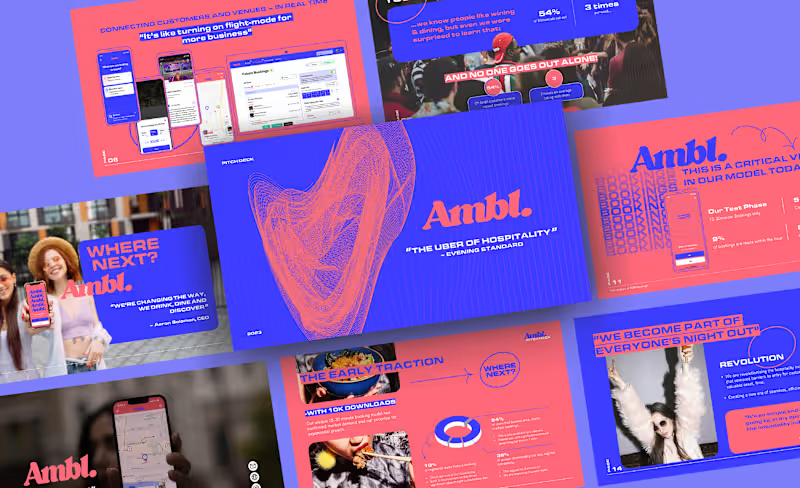
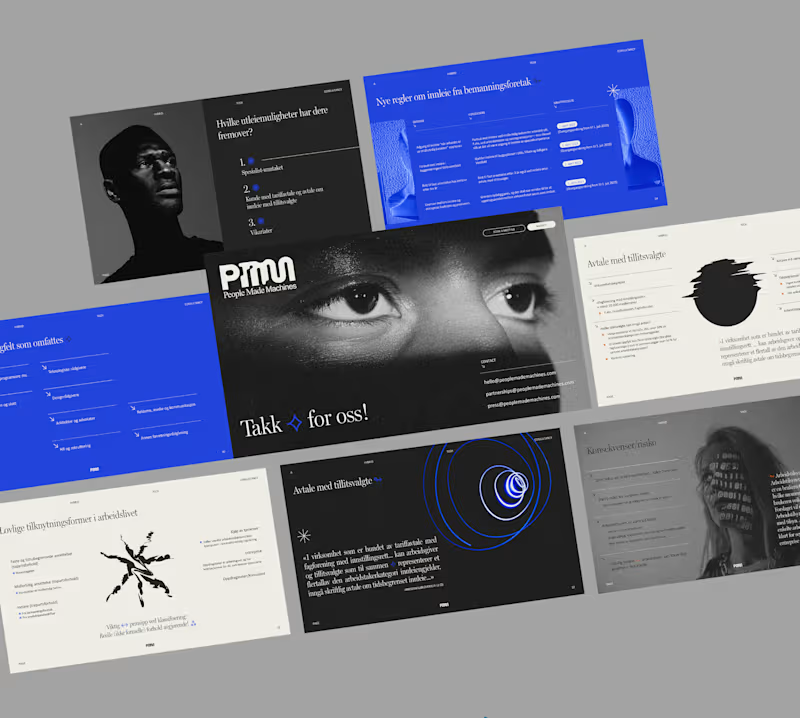
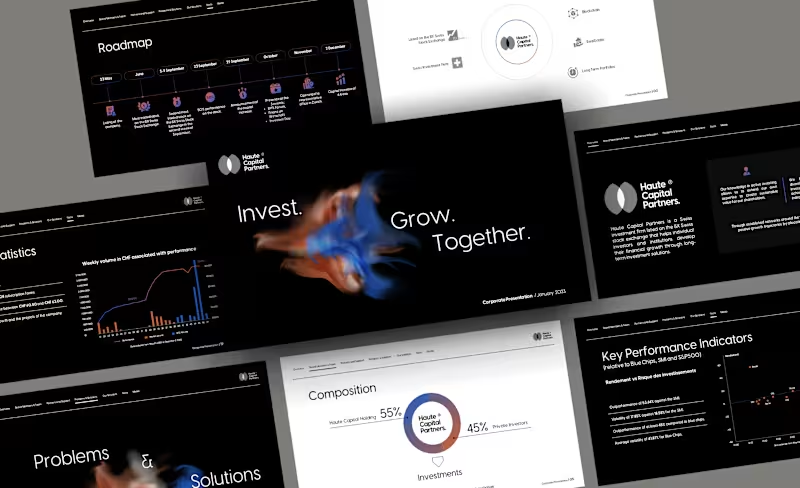
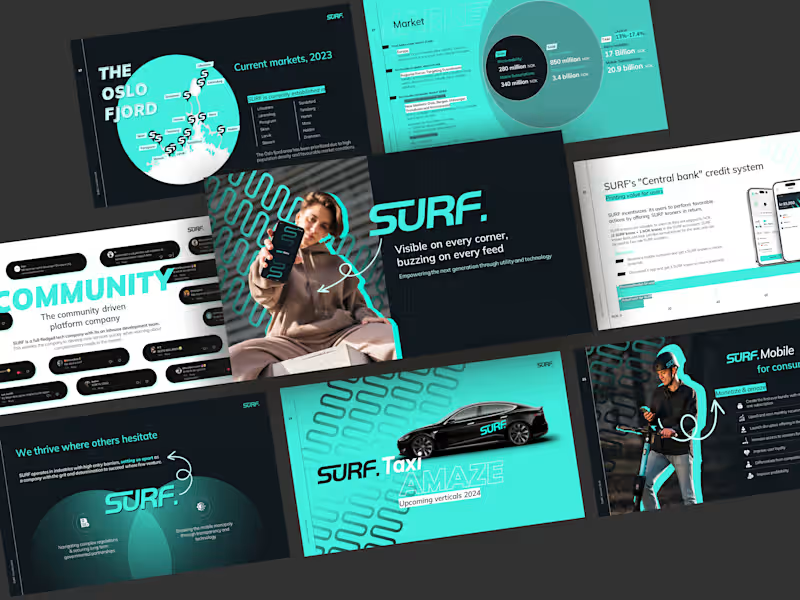
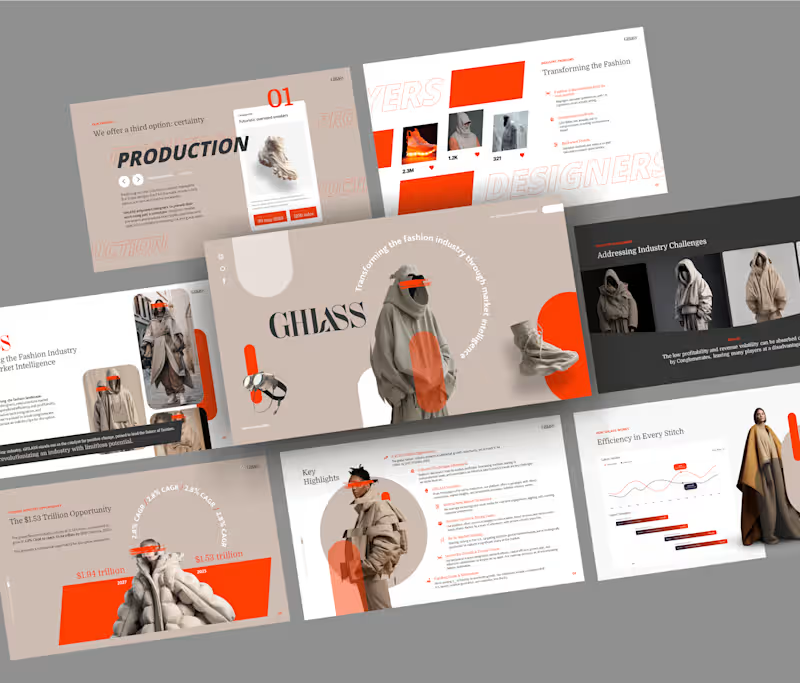
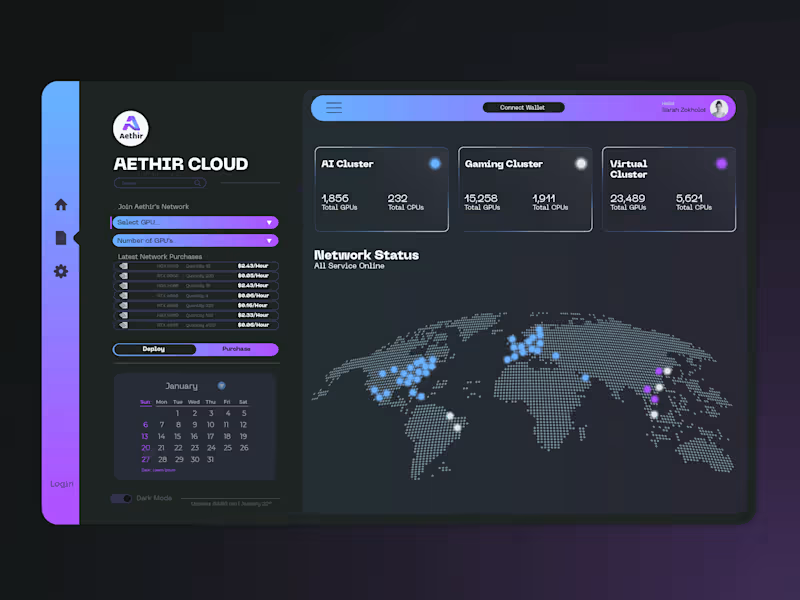
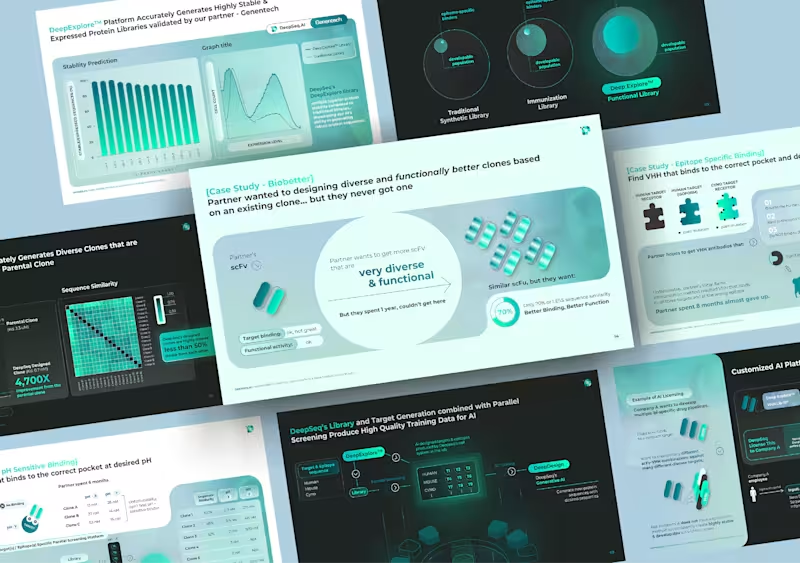
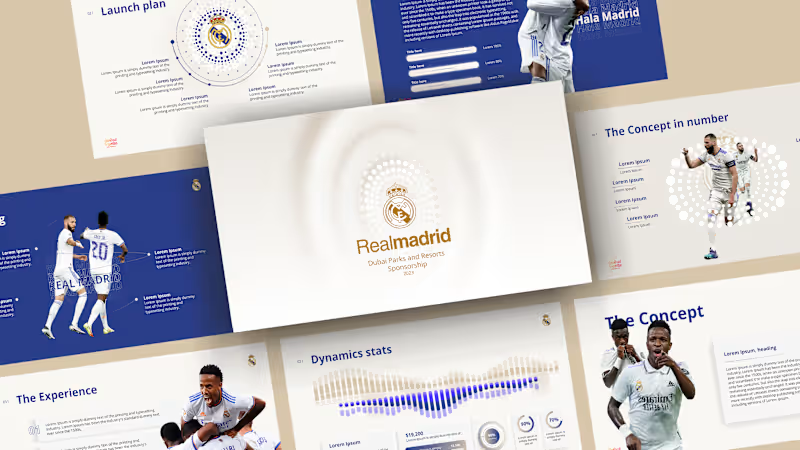
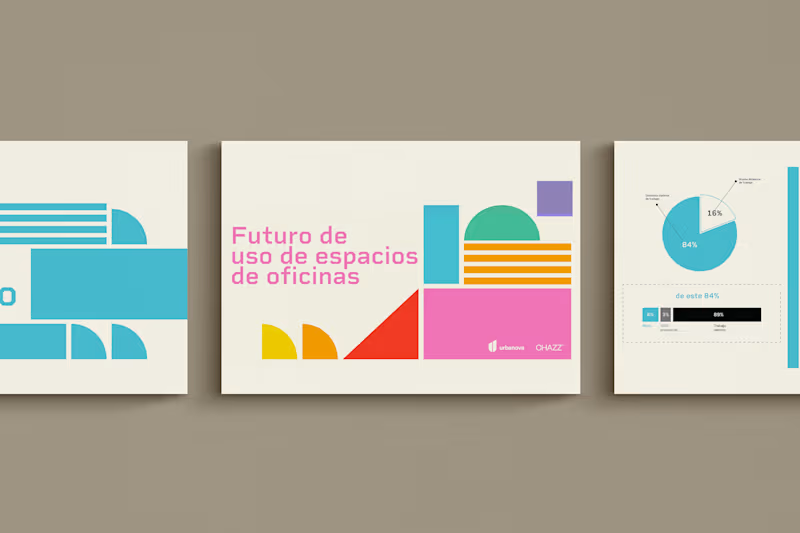
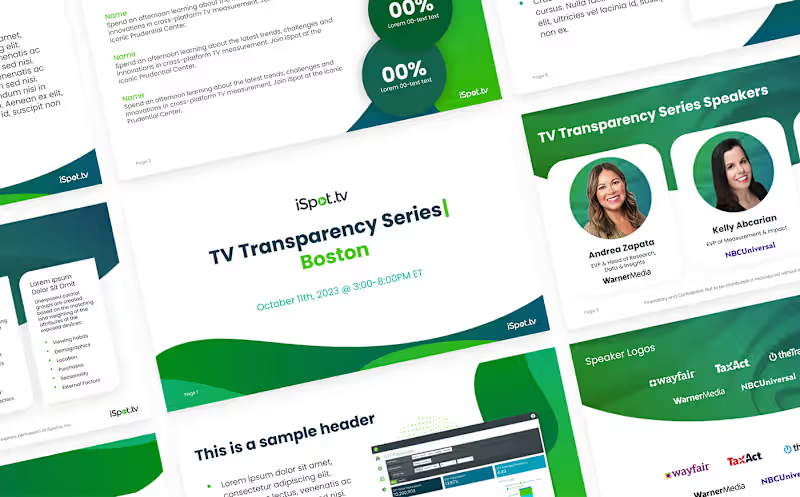
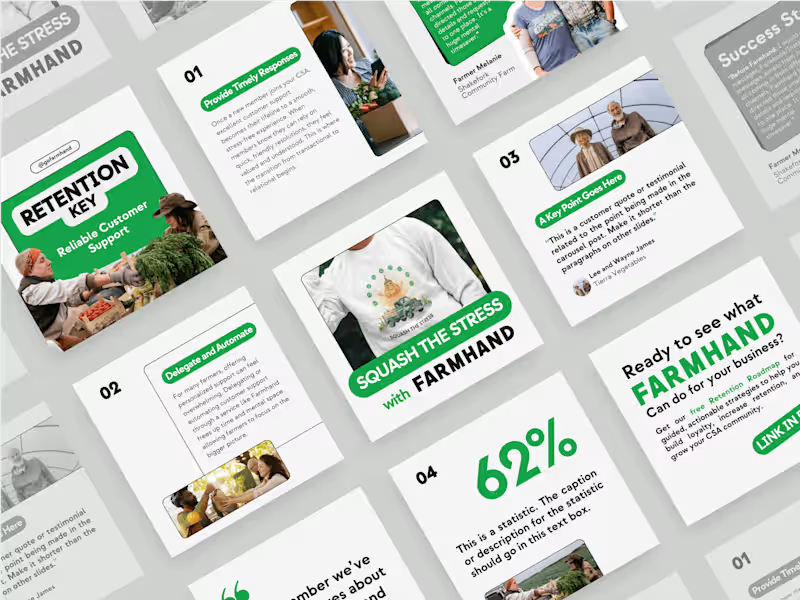
Look at the designer’s past work on Contra or their portfolio. Pay attention to whether their style matches your vision for the infographic. Different designers have different styles, like colorful or simple. Choose someone whose designs you find appealing. This will make it more likely they can create what you have in mind.
What should I include in the project brief for an infographic design?
The brief should have all the details about your project. Include the main goal, your target audience, and any specific design preferences. Tell the designer about the colors and fonts you like. This makes sure everyone is on the same page. A good brief is like a map for the designer.
How do I set a timeline for my infographic project?
Decide when you need the finished infographic. Make sure to allow enough time for revisions. Discuss this timeline with your designer on Contra to see if it's realistic. Having a clear schedule helps everyone stay organized. This ensures the project is done when you need it.
What are the important deliverables to agree on with a designer?
Talk about what files you will get when the project is done. This includes the final infographic and any source files if needed. Be clear about the formats, like PDF or JPEG. Agreeing on deliverables helps avoid confusion later. It ensures you get everything you need at the end.
How do I communicate my brand guidelines to the infographic designer?
Share your brand guidelines document if you have one. This includes things like color schemes, fonts, and logos. Make sure the designer knows these details as they can make the infographic consistent with your brand. Good communication is key so nothing important is missed. It helps the designer create something that really fits your brand.
How can I track progress with the infographic designer on Contra?
Check in with your designer regularly through Contra’s messaging tools. Ask for updates to see how the project is going. You might set up specific milestones to track progress. This ensures you know what stage your project is at. Staying in touch keeps everything on track and avoids surprises.
What feedback should I give on drafts of the infographic?
Look at the drafts carefully and note what you like and don’t like. Be specific in your feedback to the designer. Tell them if the colors or text need changes. Positive feedback is also important, so say what you think is working well. Clear feedback helps make the end product better.
Why is it important to review the final infographic before completion?
Reviewing the final version ensures everything is perfect. Check that all data is correct and all design elements look good. This is your last chance to make changes before the project is finished. It’s like a dress rehearsal for a show. Careful review ensures you are happy with the final product.
Who is Contra for?
Contra is designed for both freelancers (referred to as "independents") and clients. Freelancers can showcase their work, connect with clients, and manage projects commission-free. Clients can discover and hire top freelance talent for their projects.
What is the vision of Contra?
Contra aims to revolutionize the world of work by providing an all-in-one platform that empowers freelancers and clients to connect and collaborate seamlessly, eliminating traditional barriers and commission fees.