


























What experience should I look for in a low-code/no-code developer?
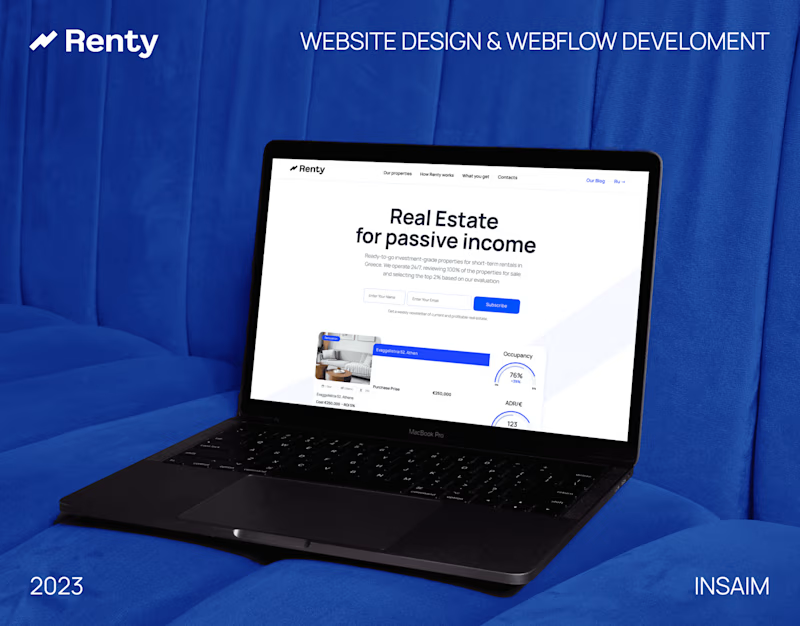
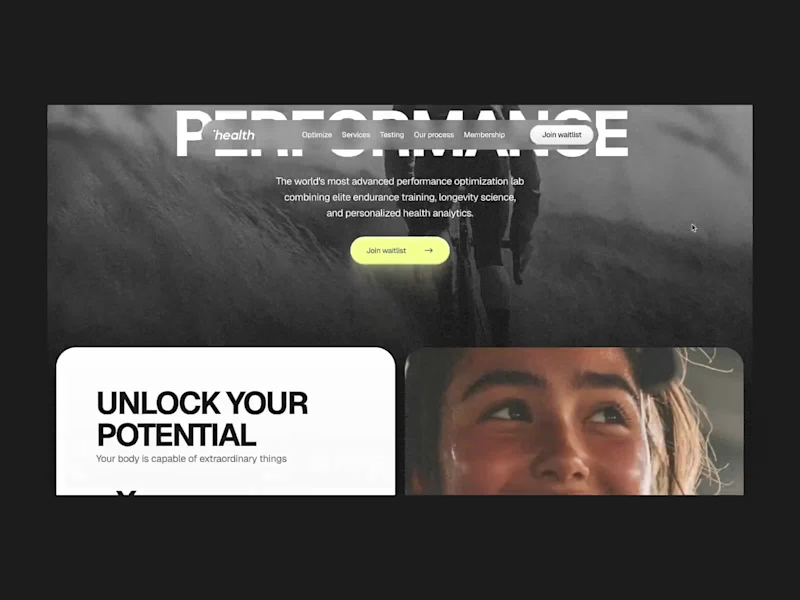
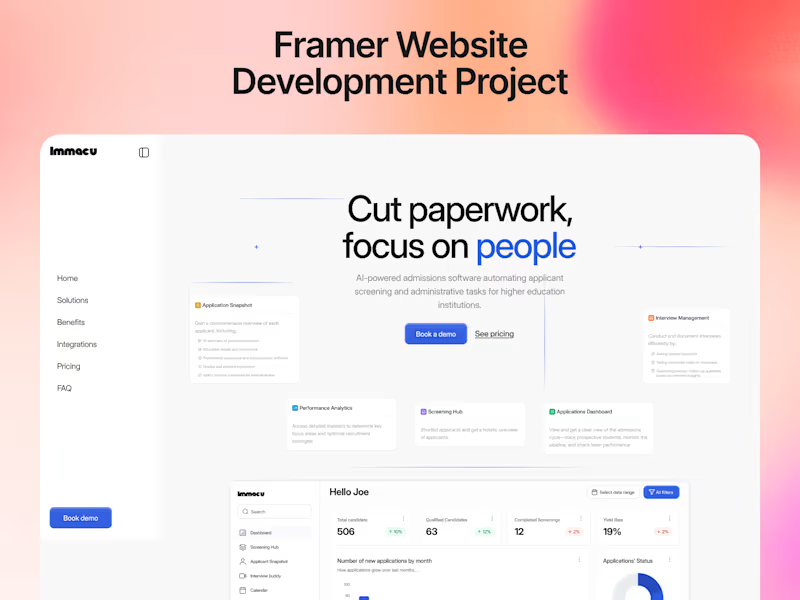
Look for a developer who has successfully completed similar projects using low-code/no-code tools. Check their portfolio to see how they have used these tools to solve real problems. Ask for any reviews or testimonials that show their ability to deliver quality work.
How do I define the project's requirements for a low-code/no-code developer?
Start by listing all the features you want in your project. Describe what you want the project to do and what's most important. Clear instructions help the developer understand your vision and build it right.
What low-code/no-code tools should my project use?
Choose tools that best fit the project's needs and your budget. Some tools are great for building apps, while others work better for websites. A skilled developer will suggest tools based on the project's goals and their expertise.
How can I ensure communication during the project?
Decide on regular check-ins or meetings to discuss progress. Use a chat or project management tool for quick updates and questions. Good communication helps the project stay on track and solves problems faster.
What should be included in the project timeline?
The timeline should include all major tasks and their deadlines. Make sure to set realistic goals that allow space for changes if needed. A detailed timeline helps everyone know what to expect and when.
How do I set milestones for the project?
Identify key steps in the project where you can check progress. Milestones could be small pieces of the work or demos of the project. These help you see how things are going and make sure the final result is what you want.
What details should I include in the project agreement?
Include the scope of work, timelines, milestones, and payment terms. Mention what happens if there are changes to the project. A clear agreement helps set expectations for both you and the developer.
How can I evaluate the developer's proposal?
Look for proposals with clear plans and timelines. Make sure the goals match what you need and the developer's past work shows they can deliver. Evaluating proposals carefully helps choose someone who fits your project well.
How do I ensure the quality of the delivered project?
Set quality standards and test the project at different stages. Request demos or prototypes during development to check the work. Ensuring quality through regular testing helps you get a project that works well.
What should I do after the project is completed?
Review the final product and test it thoroughly. Discuss any final changes or tweaks with the developer. Providing feedback helps the developer improve and gives you the best result.
Who is Contra for?
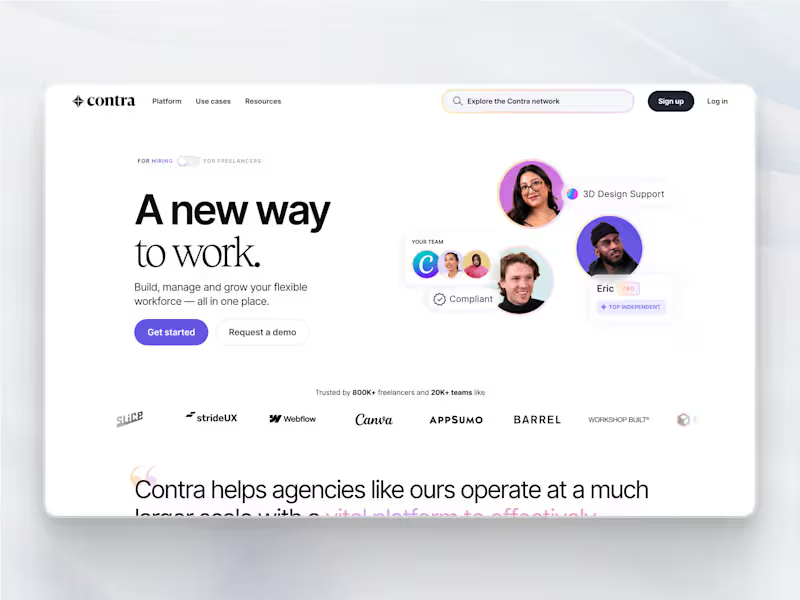
Contra is designed for both freelancers (referred to as "independents") and clients. Freelancers can showcase their work, connect with clients, and manage projects commission-free. Clients can discover and hire top freelance talent for their projects.
What is the vision of Contra?
Contra aims to revolutionize the world of work by providing an all-in-one platform that empowers freelancers and clients to connect and collaborate seamlessly, eliminating traditional barriers and commission fees.