
























How do I identify the right skill set in a low-code/no-code developer?
First, understand your project's needs. Identify the platforms or tools that fit your project, like AppSheet or Airtable. Look for developers with experience in those tools. Check their portfolio to see projects similar to yours.
What should be included in the project's deliverables?
Clearly define what you expect at the end of the project. Include specific features the app should have and any integrations needed. Make sure to outline any user interface requirements. Agree with the developer on these details.
How can I assess the timeline for my project?
Discuss with the developer estimated times for each project phase. Consider their availability and any dependencies. Agree on milestones to track progress. Ensure both sides have the same expectations.
What communication tools should be used for updates?
Choose tools that both you and the developer are comfortable with. Options could include email, messaging apps, or project management tools. Regular updates should be scheduled to ensure the project is on track. Clear communication helps prevent misunderstandings.
What type of documentation is important in a low-code/no-code project?
Documentation should include details on how to use the developed application. It should also cover any setup or configuration instructions. Including a guide to update or maintain the project later is helpful. Clear documentation aids in the app's long-term use.
How do I ensure quality testing of the application?
Agree on a testing phase before the project starts. This includes defining what needs to be tested, like functionality and user experience. Make sure the developer tests the application in different scenarios. Testing helps deliver a good final product.
What should be discussed in the onboarding stage?
Onboarding should cover the project's scope, tools, and goals. Discuss access to necessary platforms or data. Ensure the developer understands your business processes. Good onboarding sets the project on the right path.
How should ongoing support be managed after project completion?
Discuss any support or maintenance needs you might have. This could be fixing bugs or making small updates. Agree on how these will be managed or billed by the developer. Support ensures the application stays useful over time.
What are best practices for managing expectations?
Be open about what you're hoping to achieve with your project. Set clear, achievable milestones together. Regularly check in to discuss progress with the developer. Aligning expectations helps avoid surprises.
Who is Contra for?
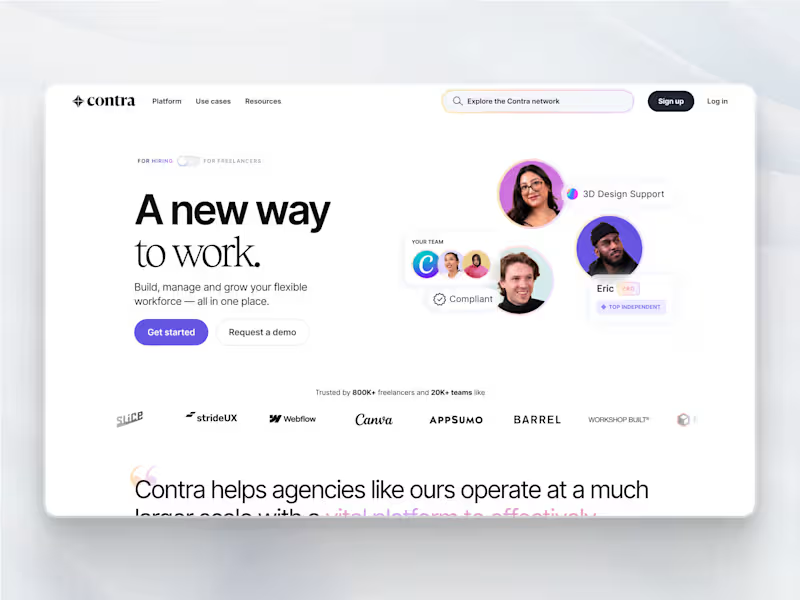
Contra is designed for both freelancers (referred to as "independents") and clients. Freelancers can showcase their work, connect with clients, and manage projects commission-free. Clients can discover and hire top freelance talent for their projects.
What is the vision of Contra?
Contra aims to revolutionize the world of work by providing an all-in-one platform that empowers freelancers and clients to connect and collaborate seamlessly, eliminating traditional barriers and commission fees.