


























What skills should I look for in a low-code/no-code developer?
You should look for someone with experience in popular low-code/no-code platforms. Check if they understand your project needs well. It's important they can think of creative solutions. Ask if they can make simple user-friendly apps. They should also know how to integrate different tools.
How can I define the project's requirements for a low-code/no-code developer?
Start by writing what the app or system needs to do. Breaking it down into small parts helps the developer understand better. List any features or tools you want included. Make sure to share your priorities and deadline. Being clear helps the developer build what you need.
How can I determine if a developer’s experience matches my project needs?
Ask to see examples of their past work. Look for projects that are like yours. Check if they have used the same tools you want them to use for your project. You can also ask about their problem-solving skills. This will give you a better idea of how they handle challenges.
What should I include in a project brief for a low-code/no-code developer?
Clearly describe what the project is about. Include what the app or system should do, and any special features. Mention the timeline and any specific tools or platforms. It's good to add a bit about your brand too. The more details you provide, the better they can help.
How do I set deadlines and milestones for a low-code/no-code project?
Decide when you need the whole project done. Break it down into smaller pieces called milestones. Set a deadline for each milestone. Talk with the developer about how much time they need. Make sure both of you agree on what happens by each milestone.
What are the best practices for onboarding a low-code/no-code developer?
Welcome them with a friendly meeting or call. Share all the important information about your project. This includes files, tools, and who to contact for questions. Make sure they know how the project fits into your larger goals. A good start helps them work better.
How do I communicate effectively with a low-code/no-code developer?
Have regular check-ins to discuss progress. Use simple and clear language to avoid confusion. Be open to their suggestions and ask their opinion too. Set up a way to track tasks and timelines together. Good communication makes completing the project smoother.
How can I provide feedback on a low-code/no-code developer’s work?
Be specific about what you like and what needs changes. Share feedback as soon as possible, so they can make adjustments. Be positive and respectful in your comments. Encouraging words help them do their best work. Ask for updates after feedback to see improvements.
How do I ensure quality in the work delivered by a low-code/no-code developer?
Set clear expectations for quality at the beginning. Regular check-ins help control the quality early. Ask for demos or prototypes to see how things work before final delivery. You can also ask for user testing. This helps spot issues and improve overall quality.
What tools and platforms should I use to manage a low-code/no-code project?
Choose tools that both you and the developer are comfortable using. Popular choices include task management tools to track progress. Communication apps help you stay in touch. Some platforms also offer project tracking and version control. The right tools keep everything organized.
Who is Contra for?
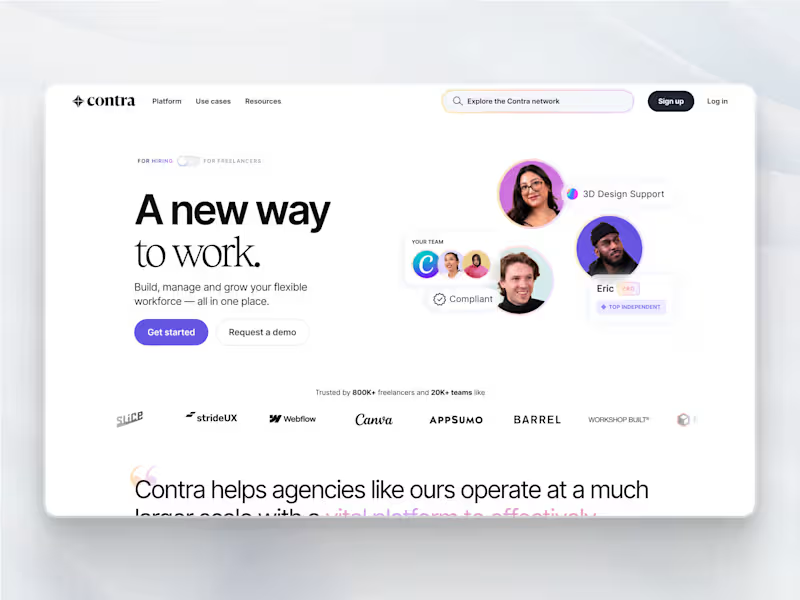
Contra is designed for both freelancers (referred to as "independents") and clients. Freelancers can showcase their work, connect with clients, and manage projects commission-free. Clients can discover and hire top freelance talent for their projects.
What is the vision of Contra?
Contra aims to revolutionize the world of work by providing an all-in-one platform that empowers freelancers and clients to connect and collaborate seamlessly, eliminating traditional barriers and commission fees.