


























What are the specific project goals and expectations when hiring a low-code/no-code developer?
Before you hire a low-code/no-code developer, it's important to know what you want to achieve with your project. This includes understanding the main goals and any special features you need. Clear expectations help the developer know what to build and deliver exactly what you’re looking for.
How can I ensure the low-code/no-code developer understands our project scope?
Create a detailed project brief that outlines the project's scope and main features. Use easy-to-understand language to describe what you want. Make sure to include timelines and any specific requirements that won't change.
What communication tools or platforms should I use with a low-code/no-code developer?
It's important to have reliable communication tools, like video calls, chat apps, or shared project boards. These help you and the developer share ideas and updates easily. Choose tools that both you and the developer are comfortable using.
How can I define and agree on deliverables with the developer?
Have a clear list of all the things you need from the developer. Arrange them by priority, with clear definitions of what each deliverable includes. Discuss these with the developer to ensure you both agree on what's needed before starting.
What steps should I take to align on project timelines with a low-code/no-code developer?
Discuss and agree on a timeline that fits both your needs and the developer’s schedule. Set milestones for different parts of the project to track progress. Make sure the developer is comfortable with the timeline you’ve agreed upon.
How can I monitor the progress of a low-code/no-code project effectively?
Ask the developer to provide regular updates, either through messages or short meetings. Use project management tools to keep track of which tasks are completed. This will help you stay informed and ensure the project is on track.
How do I ensure the developer understands the tools we prefer to use?
Share the list of low-code/no-code platforms or tools your team prefers with the developer. Discuss if the developer is experienced with those tools or can quickly learn them. This helps avoid any confusion or delays in the project.
What is the best way to handle feedback and revisions during the project?
Set aside time for regular check-ins to discuss feedback and any changes needed. Be specific about what needs to be revised and why. The developer will appreciate clear instructions and can make adjustments more easily.
How do I ensure a successful onboarding process for a low-code/no-code developer?
Prepare all necessary materials and access permissions before they start. Provide an overview of your team and project goals. Make them feel welcome and let them know who to contact with questions.
What are the best practices for making a low-code/no-code project kickoff meeting effective?
Have an agenda ready for the kickoff meeting to cover all important topics. Encourage open communication and questions. Ensure everyone involved understands their role and the next steps to get started smoothly.
Who is Contra for?
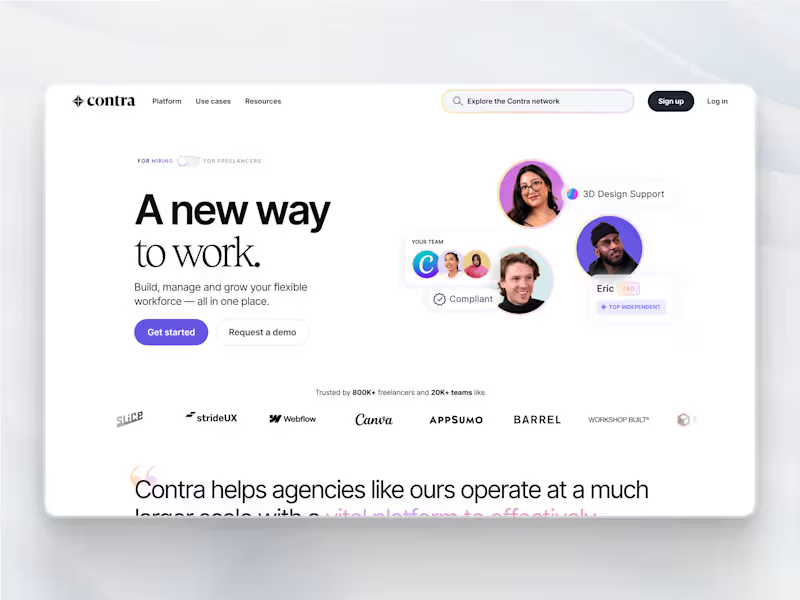
Contra is designed for both freelancers (referred to as "independents") and clients. Freelancers can showcase their work, connect with clients, and manage projects commission-free. Clients can discover and hire top freelance talent for their projects.
What is the vision of Contra?
Contra aims to revolutionize the world of work by providing an all-in-one platform that empowers freelancers and clients to connect and collaborate seamlessly, eliminating traditional barriers and commission fees.