











What style of animation would best suit my project?
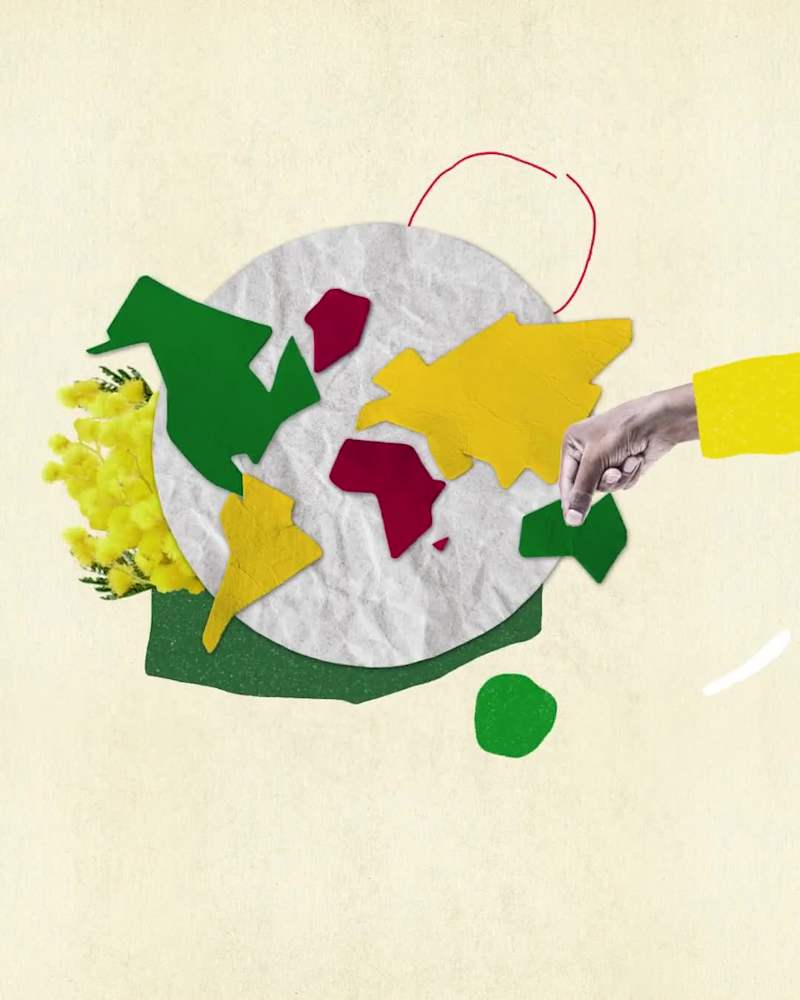
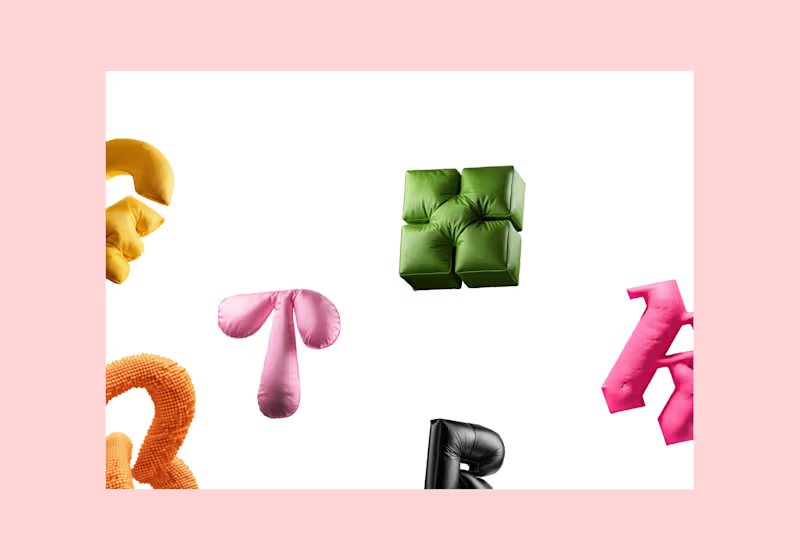
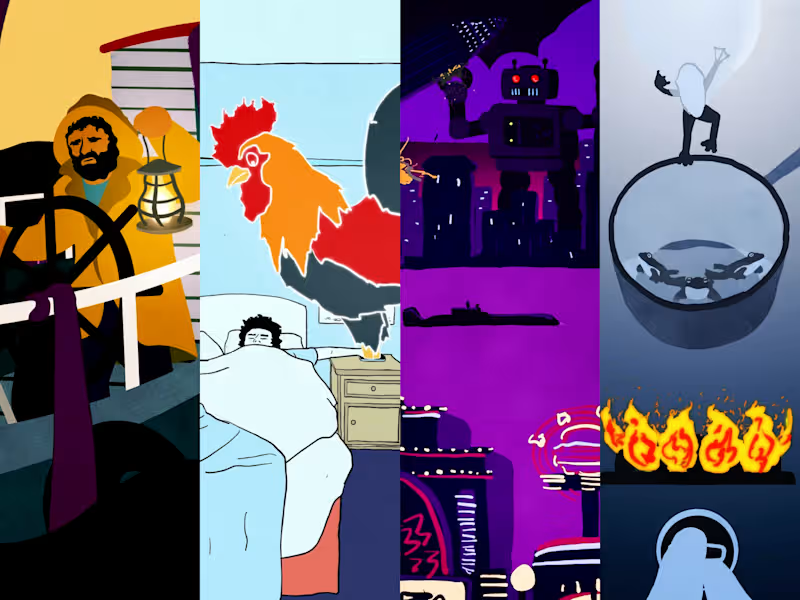
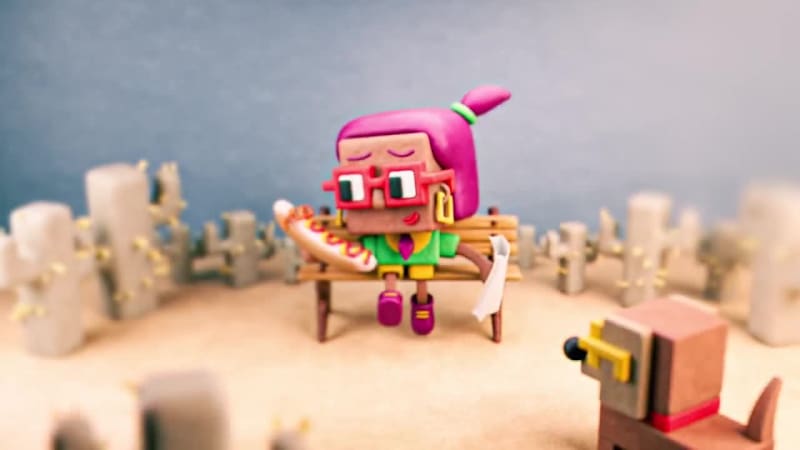
Think about the story you want to tell. Different styles like 2D, 3D, or stop-motion can create different vibes. Choose one that matches the feeling you want viewers to have.
How can I describe my project goals clearly to the animator?
Write down what you want to achieve with the animation. Include key points like the main message, tone, and any specific ideas you have. This helps the animator understand what's important to you.
How do I decide on the project's timeline?
Consider how detailed and complex the animation is. Discuss with the animator to get an idea of how long each part might take. Set clear deadlines to keep things on track.
What should I include in an animation brief?
An animation brief should have all the important information about your project. Include details like style, colors, length, and any references you like. This guide helps the animator know exactly what you want.
How do I ensure the animator understands the target audience?
Provide information about who will watch the animation. Share details like age group, interests, and why they'll love your project. This helps the animator create something that speaks to them.
What deliverables should I ask for at the end of the project?
Decide on the final files you need, like MP4 or GIF formats. You might also want source files for future edits. Clear instructions help avoid surprises later.
How can I give effective feedback during the project?
Be specific and kind when telling the animator what you think. Point out what you like and any changes you want. This keeps the process smooth and helps create the best animation possible.
How do I make sure the project starts smoothly?
Have a kickoff meeting with the animator to go over all the details. Share your animation brief and answer any questions. This helps everyone start on the same page.
What should I do if I have new ideas during the project?
Communicate your ideas as soon as possible. Check with the animator to see how changes might affect the timeline. This helps keep things flexible and on track.
Who is Contra for?
Contra is designed for both freelancers (referred to as "independents") and clients. Freelancers can showcase their work, connect with clients, and manage projects commission-free. Clients can discover and hire top freelance talent for their projects.
What is the vision of Contra?
Contra aims to revolutionize the world of work by providing an all-in-one platform that empowers freelancers and clients to connect and collaborate seamlessly, eliminating traditional barriers and commission fees.