Project Manager | ERP Implementation & Digital Operations
Project Manager | ERP Implementation & Digital Operations
ERP Project Management: Discovery to Launch
Overview
Led a multi-year project from discovery to launch, managing planning, execution, testing, and delivery. Coordinated cross-functional teams to complete and approve all deliverables.
Responsibilities
Defined scope and timelines
Managed risks, dependencies, and stakeholders
Oversaw testing and launch readiness
Tools
Slack · Oracle ERP · Smartsheet · Trello
Key Challenge: UAT Testing
Low UAT engagement threatened the launch timeline.
Actions & Outcome:
Simplified test scenarios and phased execution and increased communication
Resolved issues without delaying launch
Results
100% of deliverables completed and presented
Successful launch with stakeholder approval
Key Takeaway
Delivered complex projects end-to-end while overcoming adoption challenges through proactive leadership.
20
250
Team Management & Delivery Support
I help teams plan, organize, and deliver work efficiently by providing structured project management, clear communication, and accountability across stakeholders. With experience leading cross-functional teams from discovery through launch, I support teams in aligning priorities, removing blockers, and delivering results on time.
Offerings include:
Project and delivery management across the full lifecycle
Team coordination and workflow optimization
Stakeholder communication and status reporting
Risk, dependency, and issue management
User adoption testing coordination and launch readiness
Tool setup and optimization (Slack, Smartsheet, Trello, Oracle ERP)
I bring clarity to complex initiatives, improve team alignment, and ensure deliverables move forward with transparency and control.
24
253
Digital Business Management
I help digital businesses operate efficiently and scale sustainably by managing day-to-day operations, aligning teams, and optimizing systems that support growth. With experience across project delivery, operations, and cross-functional coordination, I provide structure, visibility, and accountability to keep digital initiatives moving forward.
Offerings include:
Day-to-day digital operations management
Project and delivery oversight across teams and vendors
Workflow, process, and system optimization
KPI tracking, reporting, and performance management
Tool setup and optimization
Stakeholder coordination and executive support
I act as the operational backbone of digital teams—streamlining execution, reducing friction, and enabling leaders to focus on strategy and growth.
0
128


Bookkeeper & tax pro managing 90+ clients—cleaning up books,
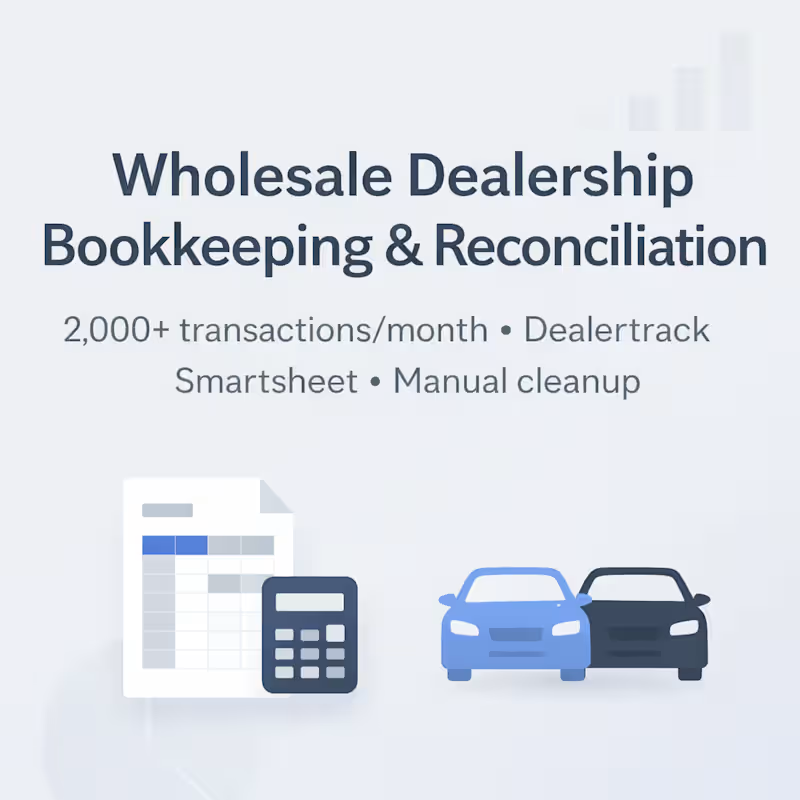
Led Accounting Ops for High-Volume Auto Dealership – 2,000+ Transactions/Month
I ran the accounting function for a wholesale auto dealership, handling over 2,000 transactions per month across sales, inventory, and vendor accounts.
I built the workflow from scratch, cleaned up Dealertrack data, helped sync up other departments so financials could be tracked, supported team members who needed help learning proper entries, and worked beyond my title—doing controller-level work without the controller-level pay.
In the end, I advised leadership on financial red flags and recommended winding down operations. They chose not to—and filed bankruptcy shortly after.
Not every job ends in a portfolio-perfect story. But this one taught me how to lead, stay honest, and stand firm on the numbers—even when no one wants to hear them.
11
199

Bookkeeping & Tax Support for 90+ Clients – CPA Firm
I manage bookkeeping for a portfolio of over 90 active clients—primarily in dentistry, law firms, PR, retail, and others.
My work includes:
• Cleaning up QuickBooks registers and building smart rules to automate categorization
• Reconciling multiple accounts monthly, ensuring accurate and up-to-date financial records
• Preparing monthly and quarterly financial statements to support decision-making and tax planning
• Collaborating with the CPA team on tax compliance, filings, and audit readiness
• Helping small business owners understand their numbers and improve how they manage their cash flow
Whether it’s a dental office, a solo law practice, or a retail store—I bring structure, clarity, and efficiency to the table so clients can focus on running their business.
0
157

Helping a Design Firm Build Financial Structure That Actually Works
When I started working with this Design Firm in City of Industry, CA, their books were scattered across platforms—some in QuickBooks, some in Studio Designer, and some... in inboxes.
We built a cleaner system from the ground up:
Cleaned up reconciliations
Built consistent AP/AR processes
Used Smartsheet to track jobs & cash flow
Generated reports that the owner could actually use
I’m not a Studio Designer pro, but I learned enough to keep it all moving. The goal wasn’t perfection—it was peace of mind.
21
322
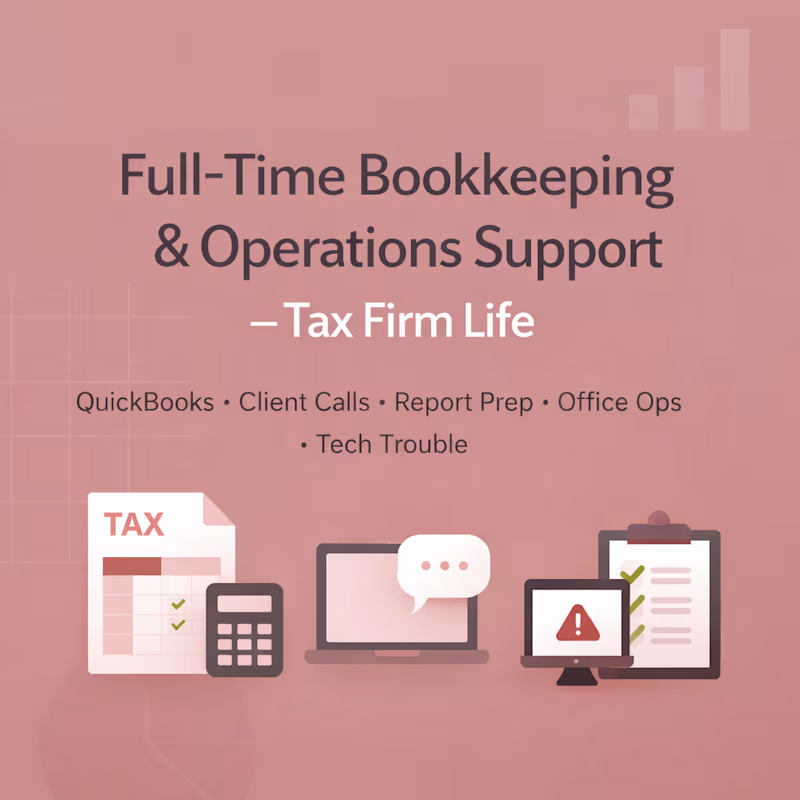
Tax Prep & Bookkeeping Support – Tax & Financial Firm
I was full-time at this tax firm, handling everything from bookkeeping and financial reporting to client calls, office ops, and tech troubleshooting.
I:
• Maintained QuickBooks records and managed AP/AR
• Prepared monthly reports and supported tax prep for clients
• Handled incoming docs, organized data, and tracked filings
• Ran front office duties, client communications, and scheduling
• Built out filing systems that actually made sense for the team
• Stepped in for IT support when systems broke during tax season
It wasn’t glamorous—but I kept it all running. Being a Swiss Army knife taught me how to juggle pressure, solve problems fast, and never let the books fall behind.
0
131

Full-Stack Engineer | AI Automation & Workflow Systems
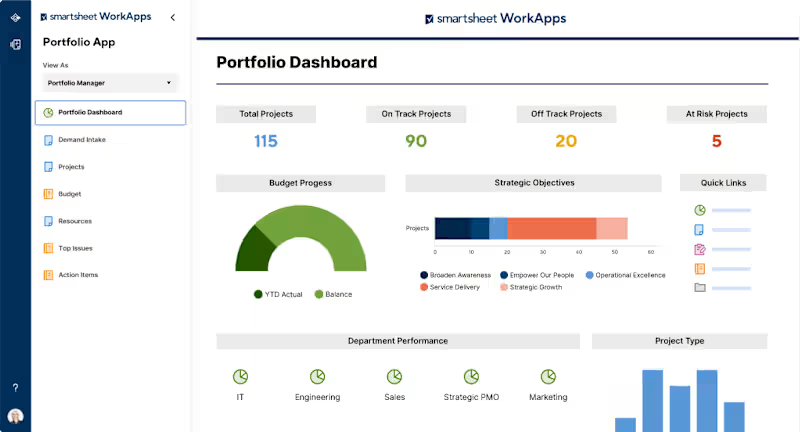
I built a workflow management system focused on tracking projects from start to completion with clear visibility and control at every stage. The core of the system is a multi-role dashboard that presents real-time data in a structured way, allowing different users to quickly understand project status, performance metrics, and operational health without digging through raw data.
On the backend side, I designed structured data models and lifecycle flows to manage how tasks move through different stages (creation → in-progress → completed). I implemented role-based access control and admin-managed configurations so the system can handle multiple users, permissions, and dynamic updates reliably. The goal was to make the system scalable and maintainable while keeping the logic clean and predictable.
For the frontend, I focused on building intuitive dashboards and reporting layers that translate complex data into simple, actionable insights. I also implemented shareable, read-only views so external users can track progress through a secure link without needing full access. This improves transparency while maintaining control over the system, which is critical for B2B workflow tools.
0
302
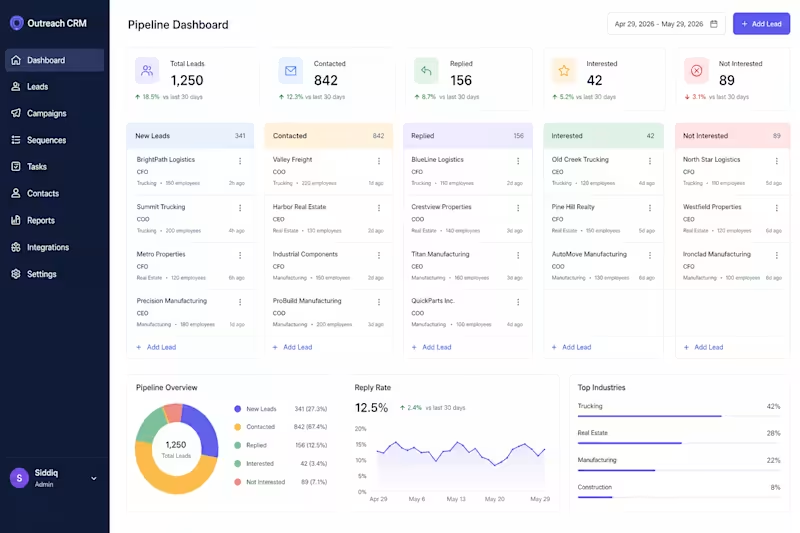
Outbound Lead Generation & Automation System (Email + LinkedIn)
I built a complete outbound system to generate and convert high-quality B2B leads using email and LinkedIn automation.
The system starts with ICP-based lead sourcing, targeting companies by size, revenue, industry, and C-level roles. Leads are enriched, segmented, and automatically routed into a structured outreach flow.
I designed a 6-step email sequence where messaging evolves at each step to increase reply rates. LinkedIn actions are timed between email touches to create a natural multi-channel outreach without overlap.
The main challenge was coordinating multiple tools while maintaining deliverability and clean data flow. I solved this by building a centralized automation layer that handles sequencing logic, delays, and real-time updates across systems.
A lightweight CRM tracks every lead from first contact to final outcome, including replied, interested, and not interested. This provides clear visibility and allows continuous optimization.
The system is structured for scalability and simple handoff, so it can be managed without technical dependency.
0
219
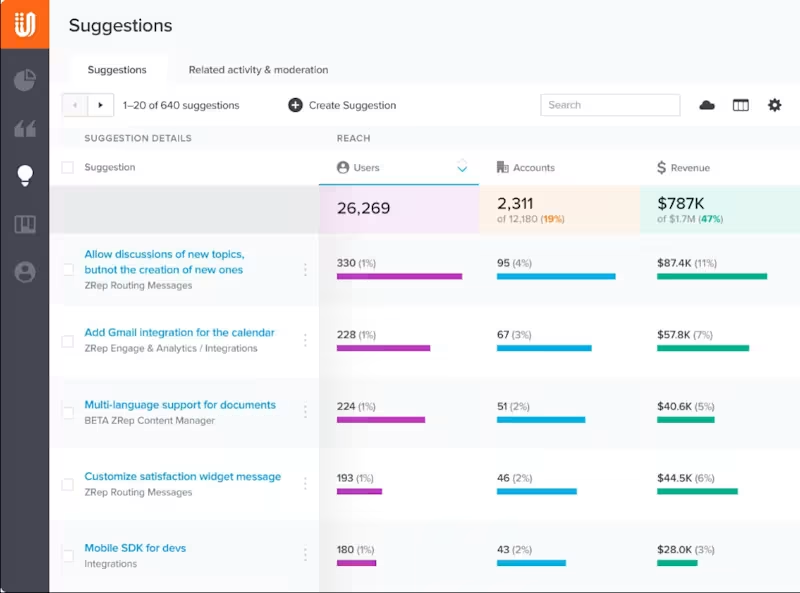
Built a feedback and workflow management system focused on collecting, organizing, and prioritizing user-driven inputs across multiple channels. The platform provides a structured interface where feedback items move through defined stages, enabling teams to track status, engagement, and impact in a clear and scalable way.
On the backend, I designed data models and filtering logic to support advanced querying, segmentation, and lifecycle management of feedback items. Implemented role-based access control and admin-level configurations to manage permissions, visibility, and workflow transitions. This ensures that internal teams can efficiently manage large volumes of data while maintaining consistency and control.
On the frontend, I focused on building clean dashboards and interactive views that surface key metrics such as user reach, engagement, and revenue impact. I also implemented public-facing and read-only views, allowing external users to submit feedback and track updates without direct system access. This improves transparency while keeping the system secure and well-structured.
0
289

People-first content strategy backed by SEO & data





Project & Operations Consultant
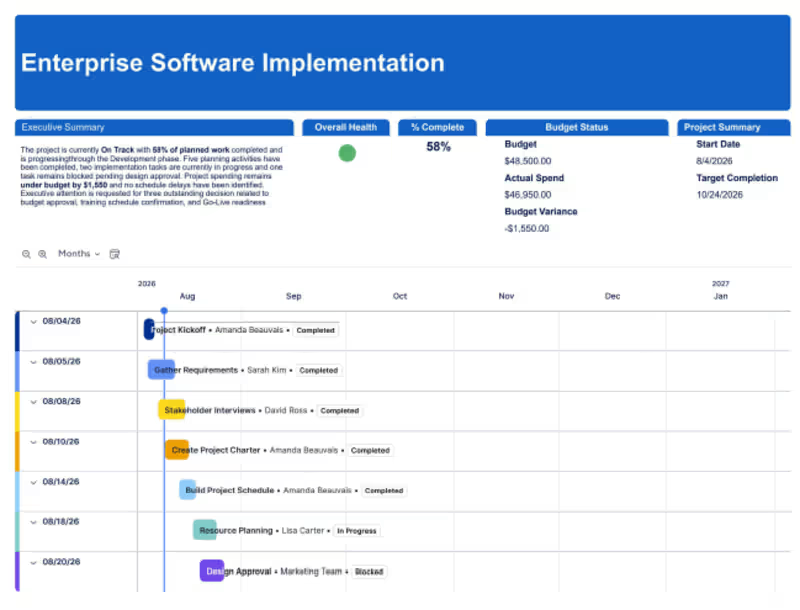
Designed an executive project dashboard to centralize the key information needed to manage and communicate an enterprise software implementation. The solution combines project health, budget tracking, milestone progress, completion metrics, executive summary, and timeline visibility into a single leadership-ready view.
The dashboard demonstrates how I structure project data and reporting to help project teams identify risks, communicate progress, and give stakeholders a clear understanding of project status without requiring them to review multiple reports.
0
59
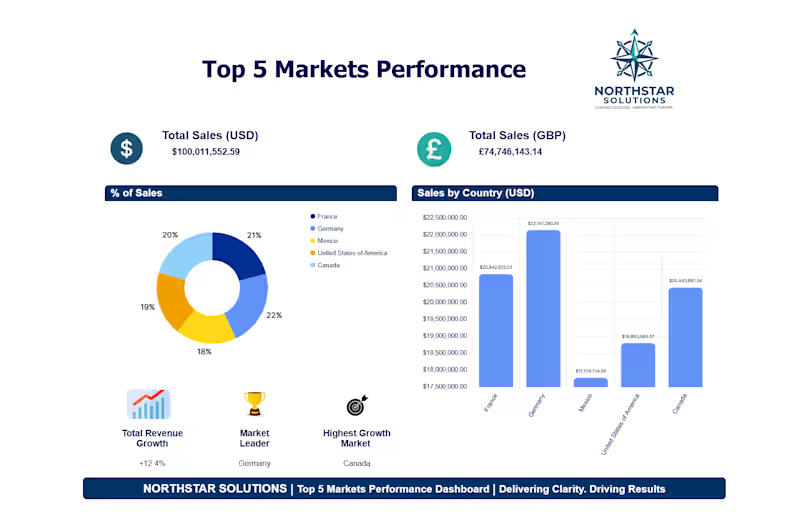
Developed an executive sales performance dashboard in Smartsheet to visualize revenue trends, market performance, and key business metrics, enabling leadership to make data-driven decisions.
0
120
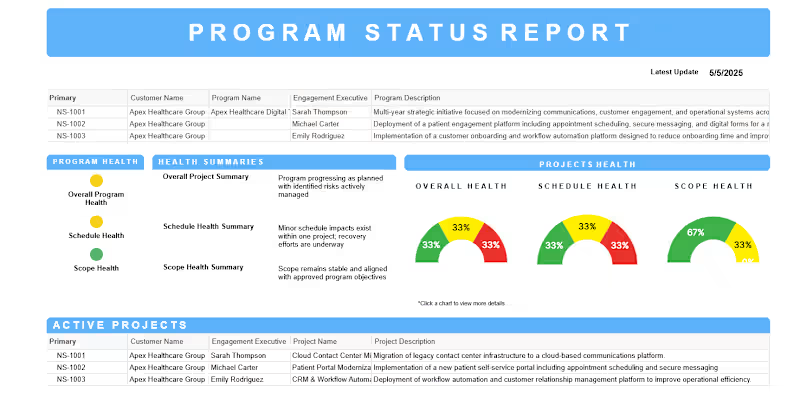
Created a Smartsheet executive dashboard that transforms project data into actionable insights, enabling leadership to quickly assess program performance and make informed decisions.
0
113
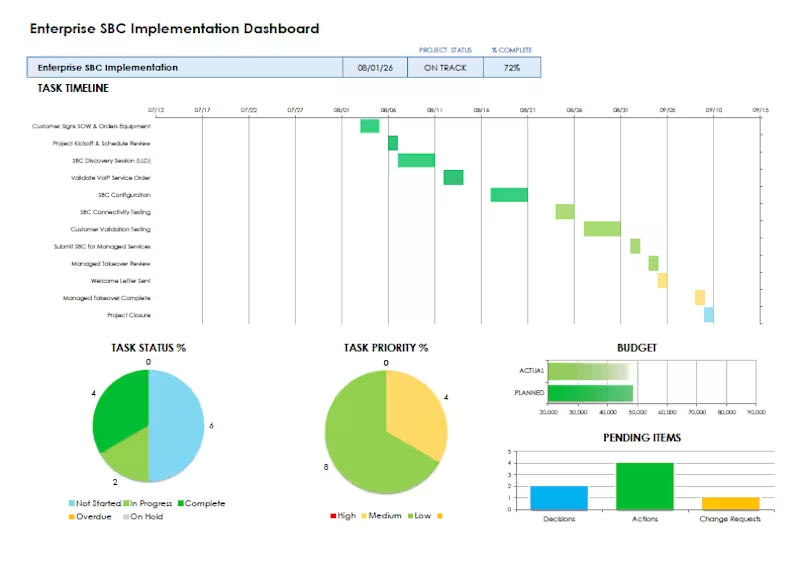
Built a fully interactive executive project dashboard in Microsoft Excel for tracking enterprise implementation projects. This solution combines project timelines, milestone tracking, budget monitoring, task status, project priorities, and pending decisions into a single executive view. Designed to improve stakeholder visibility, streamline project reporting, and provide real-time insights for project managers and leadership teams.
3
283

Rapid Figma UI/UX Design Expert 🚀
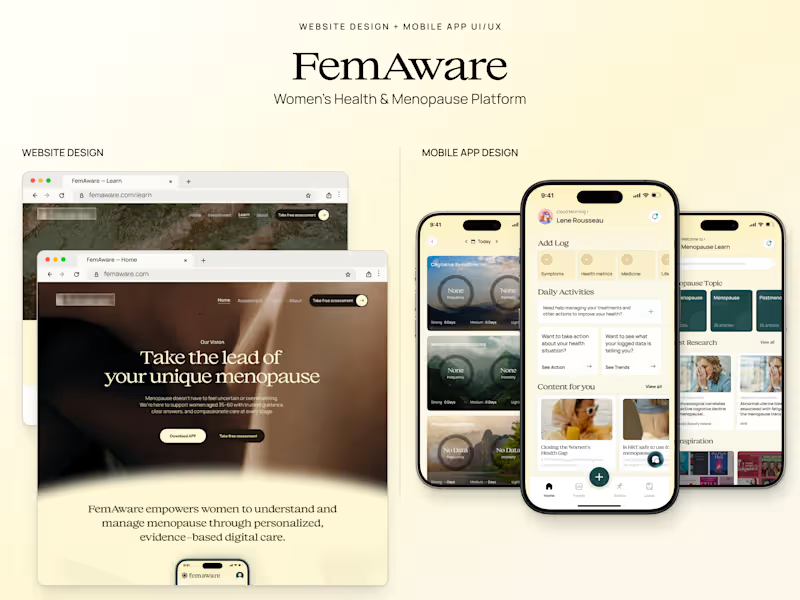
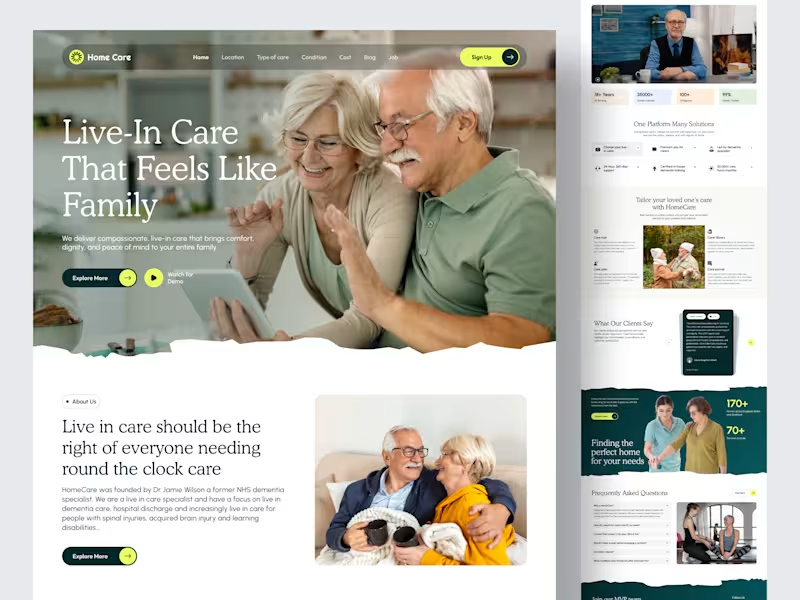
🏠 HomeCare — Live-In Care Website UI/UX
Designed a trust-focused landing experience for a senior live-in care platform.
→ Emotion-led hero with clear value proposition
→ Service transparency & care solutions
→ Founder/doctor credibility section
→ Stats to build trust & authority
→ Care plans, FAQs & testimonials
→ Conversion-focused CTAs
Focused on empathy, clarity, and accessibility.
Designed in Figma.
#UIUX #ProductDesign #HealthTech #WebDesign
5
4
154
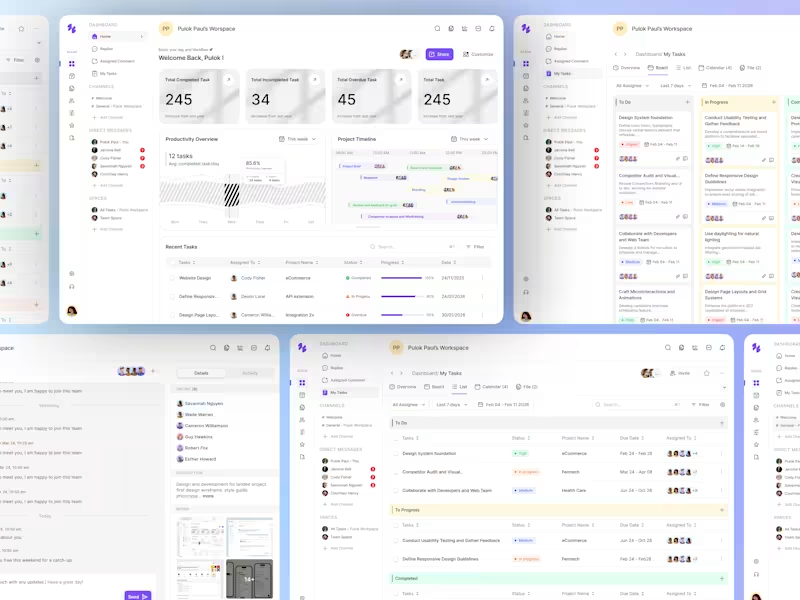
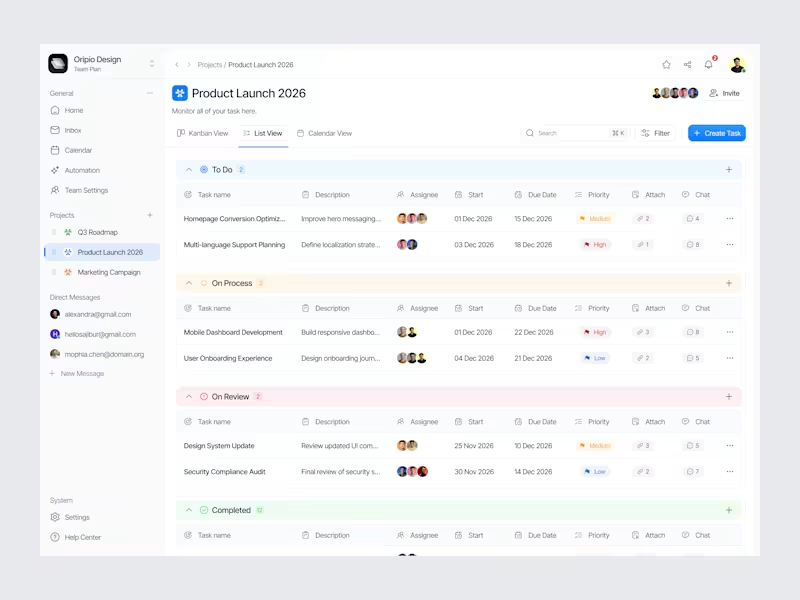
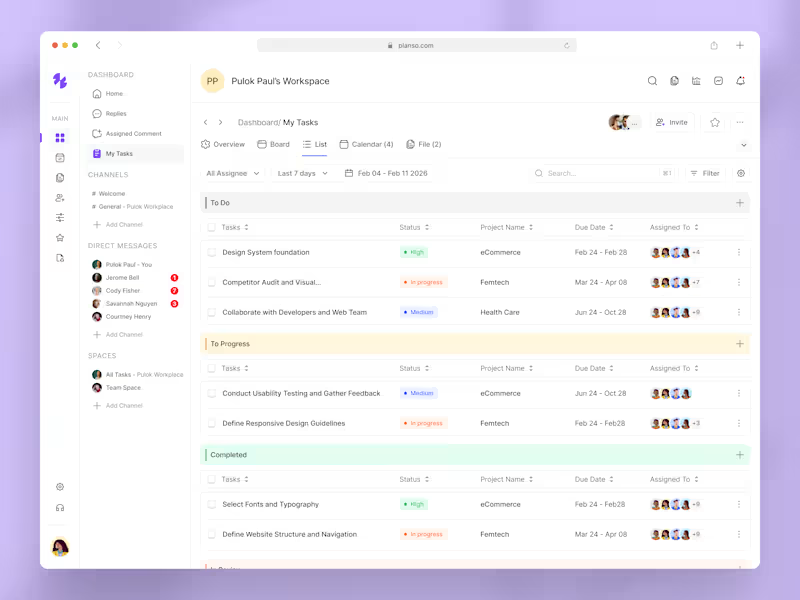
🚀 Planso — Project Management SaaS UI/UX (All Screens)
Designed a scalable UI/UX system for a modern project management platform covering the full team workflow.
→ Dashboard & productivity overview
→ Inbox & team communication
→ Task board (Kanban) & task list
→ Project planning & task details
Focused on reducing cognitive load, improving clarity, and keeping communication + execution in one workspace.
Built in Figma.
#UIUX #ProductDesign #SaaSUI #WebAppDesign
3
162

Experienced Business Consultant for transformation projects
New to Contra
Experienced Business Consultant for transformation projects
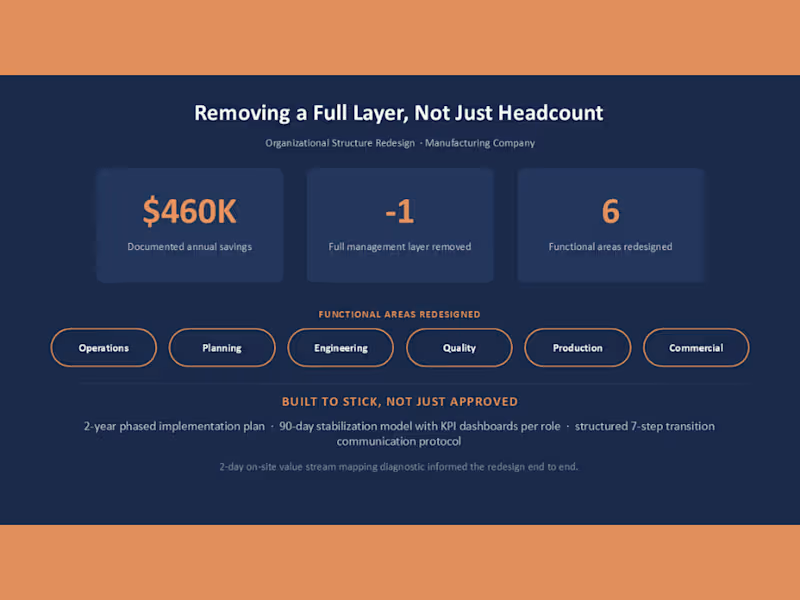
Case Study: Removing a Full Layer — $460K in Annual
Savings, With a Transition Plan That Actually Sticks
The Situation
A specialty manufacturing company was carrying too many management layers and uneven spans of control across its plants, with handoffs between Commercial, Planning, Production, and Quality creating rework and slow response times to customers.
My Role
I led the organizational structure redesign, spans & layers , and built the full change management plan to implement it, from org chart to the individual conversations that make a reorg land without chaos.
The Approach
A 2-day on-site collaborative session mapped the complete customer-to-delivery value stream, giving us a real diagnostic of where time, rework, and quality impact were coming from, not assumptions. That diagnostic, combined with headcount and reporting-line analysis across 6 functional areas (Operations, Planning, Engineering, Quality, Production, and Commercial), produced a set of structural hypotheses that were tested and refined with leadership before finalizing the new design.
What Changed
Eliminated one full layer while improving spans of control, creating room for growth instead of just cutting.
Consolidated supervisor roles with thin direct-report counts across two plants.
Added a dedicated Quality Management System specialist.
Strengthened the production scheduler role and profile
Integrated Customer Service into the planning function to simplify communication and cut cross-functional rework
Results
~$460,000 in documented annual savings from the redesigned structure
A future-state value stream map targeting reduced lead time, less waste, and better quality outcomes across the full customer request-to-delivery flow.
Why the Redesign Sticks
Most org redesigns fail at the handoff between "new chart" and
"new reality." This one shipped with a 2-year (2025–2026) phased
implementation plan, a 90-day stabilization model with a KPI dashboard for
every transitioning role, and a structured 7-step communication protocol —
ensuring every affected person, from the outgoing manager to the new direct
reports, hears the change directly and in the right order before it becomes
public.
0
33
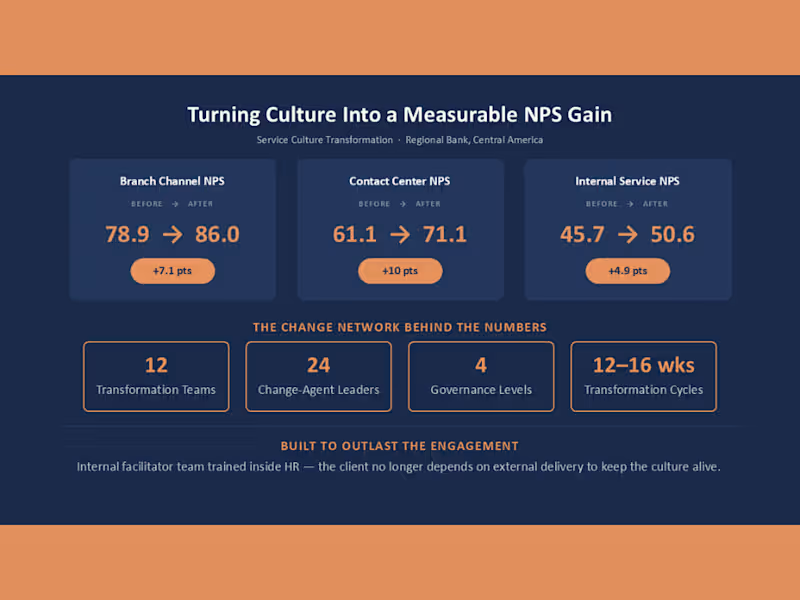
Case Study: Turning a Service Culture Program Into a Measurable NPS Gain — Twice
The Situation
A regional bank in Central America needed to move beyond training slides and actually shift how service happened at every customer touchpoint, measured the only way that matters to leadership: NPS.
My Role
I led the culture transformation program end to end: designing the cultural framework, building the network that carries it, and installing the operating rhythm that keeps it alive after the engagement ends.
The Approach
Rather than a top-down campaign, we built a distributed change network: 12 transformation teams (10 in client-facing branch and contact-center operations, 2 in key support areas) led by high-influence employees, backed by executive sponsors and functional leaders across four governance levels. Each team ran the same operating model — a repeatable 12–16 week transformation cycle (Focus → Build → Execute → Consolidate) applying a four-behavior service framework in daily customer interactions, with weekly measurement and sponsor-level course correction built in.
Results
Branch channel NPS: 78.9 → 84.5 over two quarters (June close at 86.0), promoter share hitting 91.2% and detractors dropping from 8.5% to 5.3% — based on over 12,000 customer surveys
Contact center channel NPS: +10 points recovered from its December low, closing at 71.1 in June — its highest point in the measurement period — with detractors down from 14.2% to 9.8%, across more than 105,000 interactions
Internal service NPS (support functions): +4.9 points in 3 months, with the most-challenged sub-area improving fastest — an early signal the culture shift reaches internal service delivery, not just the customer-facing front line
What Gets Left Behind
The engagement didn't end at a report. It left the organization with a defined and measurable cultural framework, a trained internal facilitator team inside HR (so the client no longer depends on external delivery), 24 developed change-agent leaders, a documented change network with governance at every level, and a transformation methodology built to run as a permanent operating rhythm, not a one-time project with a closing date.
1
36
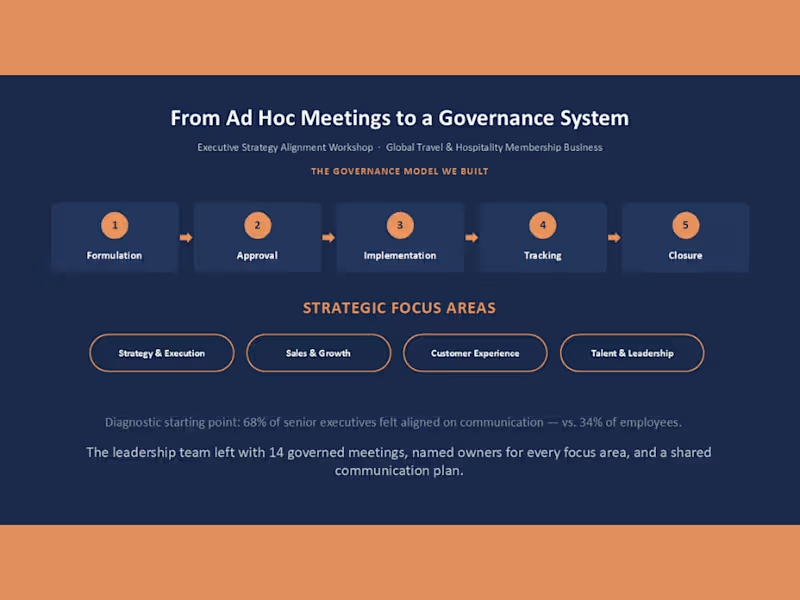
Case Study: Turning 14 Overlapping Meetings Into a Governance System Leadership Actually Uses
The Situation
A global travel & hospitality membership business brought its executive leadership team together for a 3-day strategic alignment offsite. The starting diagnostic was blunt: communication effectiveness dropped sharply by level, 68% of senior executives felt informed and aligned, versus just 34% of frontline employees (Towers Watson benchmark cited in-session). Internally, teams described working in silos as one of the top blockers to execution, alongside short-term focus and unclear empowerment.
My Role
I facilitated the full offsite — from the leadership-behavior framing ("the strongest message about your culture is how you run your meetings") through to a working governance model the team left with.
What We Built
Meeting governance framework — catalogued all 14 recurring leadership meetings (staff meetings, monthly business reviews, quarterly business reviews, forecast reviews, CX reviews, town halls, and more), each with a defined owner, objective, required attendees, and cadence, replacing an ad hoc meeting culture with a designed one.
Meeting operating standards, a shared rulebook: 45–50 minute time-boxing, defined roles, a decision-making method, a "parking lot" for off-topic items, and mandatory pre-reads.
Project governance model , a 5-stage lifecycle (formulation → approval → implementation → tracking → closure) with a standardized intake form, feasibility criteria, and resource-approval gate, so projects stop competing informally for budget and headcount.
Strategic focus areas, leadership aligned on 4 pillars for the year (Strategy & Execution, Sales & Growth, Customer Experience, Talent & Leadership), each with named owners and success metrics.
Keep/Stop/Start action plan — diagnostic findings converted into committed actions: stop working in silos, start structured cross-functional task forces and technology/automation initiatives, keep the CX momentum already in motion.
Communication plan framework, mapped every audience, message, channel, and cadence needed to cascade decisions from the leadership team down to frontline colleagues.
Preliminary Outcome
The leadership team left the offsite with a governance system, not just intentions: a defined meeting cadence, a shared project intake standard, named owners for every strategic focus area, and a communication plan ready to execute in the following quarter.
0
46
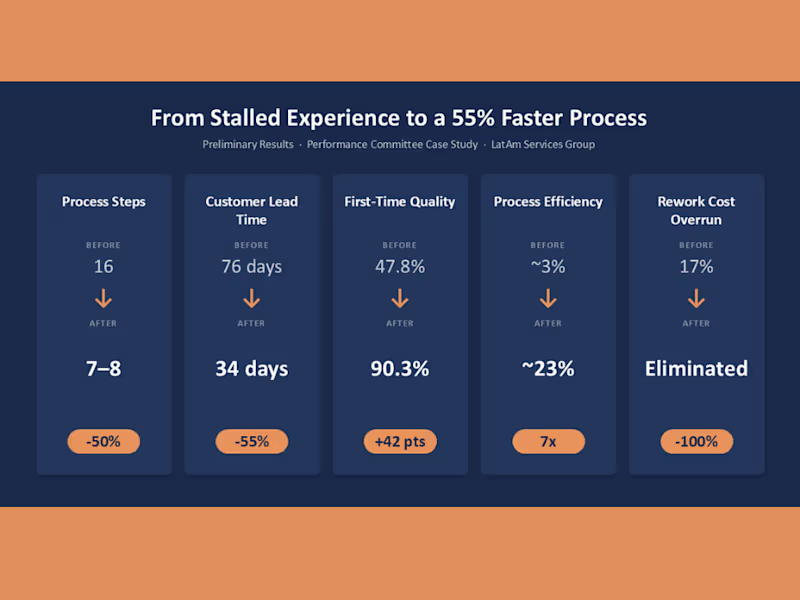
Case Study: Turning a Stalled Experience Into a 55%
Faster Process — In 90 Days
The Situation
A mid-sized LatAm memorial & cemetery services group (500+ employees) had
no function responsible for planning, measuring, and improving processes
end-to-end. Problems were identified, "solved," and measured by the
same team that owned them — with no line back to the company's four strategic
KPIs (operating profitability, NPS, eNPS, brand positioning). A performance
committee had been created on paper but needed activation.
My Role
I joined as the external member of the newly formed committee, not as an
outside auditor, but as the operator who runs the cadence: monthly sessions,
bi-weekly follow-up, and the discipline to turn diagnostics into decisions
Executive Direction can actually act on.
The Approach
Rather than mapping every process in the organization first , a path that risks
a year with no visible result , we picked one high-impact, cross-functional
process, solved it completely, and used it to install the method. The process
chosen: plaque fulfillment, selected because of its direct link to complaints
and NPS, its cross-departmental nature, and a scope small enough to resolve in one work cycle.
What the Diagnostic Found
35% of all company complaints traced back to this single process
First-Time Quality of 47.8% , meaning more than half of all cases required rework
76-day customer wait time on the fastest path, against a 30-day promise
17% cost overrun from rework and process loops
A quality control step that verified the vendor's paperwork, not the customer's actual request, a control that couldn't catch its own root cause
What's Next
The redesign cuts lead time in half without touching the vendor side, the remaining lever requires a leadership decision on sourcing. The committee is now taking three decisions to Executive Direction (sales channel redesign, vendor diversification, and a low-cost operational fix worth ~8x its investment in avoided losses), while queuing the next end-to-end process for the following cycle, proving the method scales, not just solves one problem.
0
55

UI UX Designer design responsive and modern designs