Senior UX/UI Designer for SaaS & Web Apps

Senior UX/UI Designer for SaaS & Web Apps
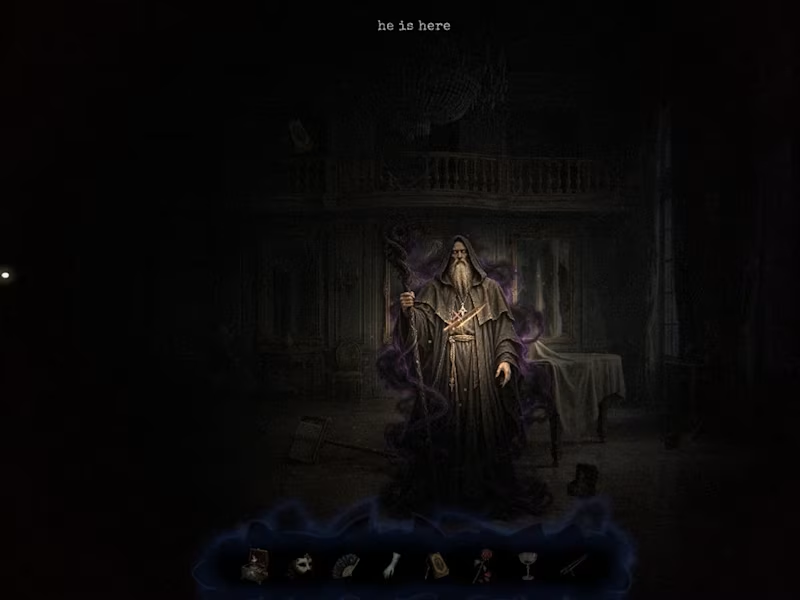
UNLIT: The House Wakes
The house of Corvin Ashgrave has more than one room, and now it knows you are inside.
UNLIT: The House Wakes is the second chapter of UNLIT, a horror game that lives entirely inside one Rive file. You still carry a dying torch and you are still looking for the woman a demon took on the night of the storm. This time the search runs through three rooms, and each one plays by its own rules.
• The Parlor: eight relics in the dark, eyes that open in the doorway and the mirror, mimics that breathe and bite, a faceless walker that steals what you light.
• The Ballroom: the dead still waltz. When the music box starts, every relic you have not found changes place.
• The Bride's Chamber: Ashgrave's dead wife sleeps in her wedding dress. Keep the light off her face, or she wakes. And when your torch finds the cracked mirror, sometimes the girl you came for is behind the glass, hands against it, screaming for you to save her.
• From the second room on, the necromancer himself walks in, wrapped in a dark aura. When he comes your torch dies for ten seconds, and the voices in the dark come closer while you wait for the light.
Between the rooms, painted passages told inside Rive: the door opens, you walk the corridor with the torch, and the next room is waiting at the threshold, with its own narration.
The torch has a new weapon: every relic you find charges the flare, and the meter comes alive when it is ready. The relics you collect fall into a living portal at the bottom of the screen, a hole torn in space whose edge writhes with fat black tentacles, turning and swelling, with cold blue light leaking between them and quiet static.
How it is built (Rive CLI + GPU Canvas, both):
• Rive CLI: every room, passage and screen is RML written with Claude Code as my coding agent, generated from small Python scripts so the three rooms share one structure and each one keeps its own paintings, relics, hiding places and lairs. The room you are in is a single view model value; the slots, labels and art swap through data binding and converters.
• GPU Canvas: a WGSL shader decides what you are allowed to see (torch cone, fog inside the beam, grain, flare bloom, the possessed-screen glitch). The relic portal and the mirror are drawn by the Luau script every frame: rings of round-tipped tentacles built from smooth curves that turn in opposite directions, a void core, a blue haze and thin electric bolts; around the mirror, an irregular spectral glow that pulses and smoke that drifts across the girl's face.
• Scripting (Luau): one script directs all three rooms: the waltz that reshuffles the relics, the necromancer's blackout, the sleeping bride and her lunge, the apparition in the mirror, the flare charge, the passages and their sound cues on the same clock as the timeline.
• Data Binding + State Machines: the script writes view model values (room, flare charge, portal pulse, the necromancer's presence) and the markup reacts on its own.
• Still accessible: assist mode keeps the brighter torch, outlined relics, the sonar ping, captions for every voice and no strobing; the portal's static switches off in assist mode.
• Human touch (Rive Editor): the title screen is the one I designed by hand in the Rive Editor for the first chapter, carried into this one: dark grey letters with a blood red hidden inside them that only your torch can burn through, a soft halo, and a stuttering dying-bulb flicker keyed frame by frame. And every new piece of this chapter was art-directed by eye, round after round: the bride had to be her own creature, not a copy of the parlor's ghost; the girl in the mirror had to stay sharp behind drifting smoke, inside a glow that never holds its shape; the portal went from a plain box to a torn hole whose edge writhes with fat, round tentacles.
Assets: rooms, passages, relics, the bride, the girl and the necromancer were generated with AI image tools and art-directed into the same gothic storybook palette as the first chapter; the narration and the voice behind the mirror are Gemini text to speech; ambience, the music box and positional effects are synthesized in code.
Features used: Rive CLI, GPU Canvas (WGSL), Scripting (Luau), Data Binding, State Machines.
The first chapter, the single parlor: https://unlit-tqra9g.rive.to
0
154

Product Designer & No-Code Developer


Creating Unique & Minimal UI/UX Experiences
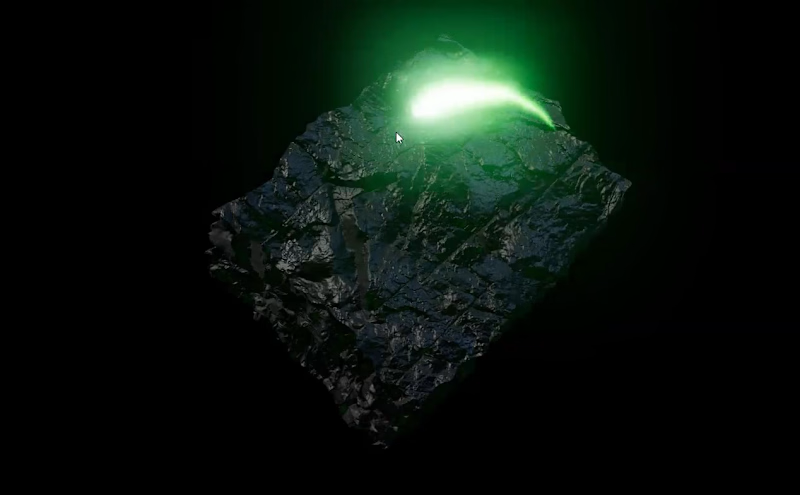
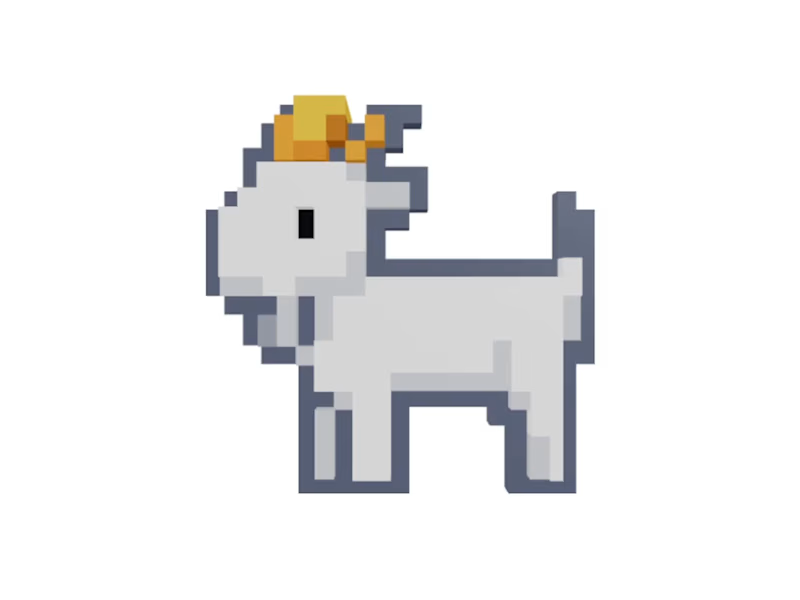
I'm updating my web portfolio and building a space-inspired environment with slate textures and neon green accents. I'm experimenting with 3D assets that float around the page and can be interacted with, like this little green flame 🔥🟢
2
0
123

I’ve actually been the customer in this story.
A few months ago, I went kayaking through the mangroves of Langkawi, Malaysia. The experience was great, but everything was managed through WhatsApp: bookings, personal details, dates, participants, and weather updates.
Even the tour photos were shared through AirDrop. If your phone was out of battery or didn’t support AirDrop, you could miss them completely.
So, for the Lovable Challenge, I rebuilt the experience for Xtreme Langkawi, a guided mangrove kayaking business.
The idea was to bring everything into one simple system.
For customers:
→ Choose Easy, Medium, or Extreme\
→ Select the number of participants and single or double kayaks\
→ Choose a time\
→ Add WhatsApp and/or email\
→ Pay a 10% deposit\
→ Get a booking code to manage the booking and access tour photos
For the owner, everything lives in one dashboard: bookings, participants, payments, and contacts. Weather-related cancellations can also be managed centrally, with all participants ready to be notified.
I also went all-in on the visual side, with a palette inspired by the mangroves and the orange accent color of the life jackets:
• 100% built in Lovable\
• Mobile-first and responsive\
• WCAG-conscious palette\
• Custom low-poly 3D assets, animations, and lighting\
• Logo created in Lovable\
• No external assets created outside Lovable
I’ve attached a walkthrough of the booking flow and dashboard, with the booking flow shown in both desktop and mobile, along with a behind-the-scenes look at the custom pages I created specifically for the 3D assets. Some of the things shown there made it into the final product, while a lot of them didn’t 👀
The website is presented as a demo, so all bookings, customer data, payments, and other information are fictional. I also didn’t connect external APIs or add-ons such as WhatsApp for the demo. Those integrations would be connected in a real-world implementation.
I also signed up for the Lovable Program and posted on X :)
1
206
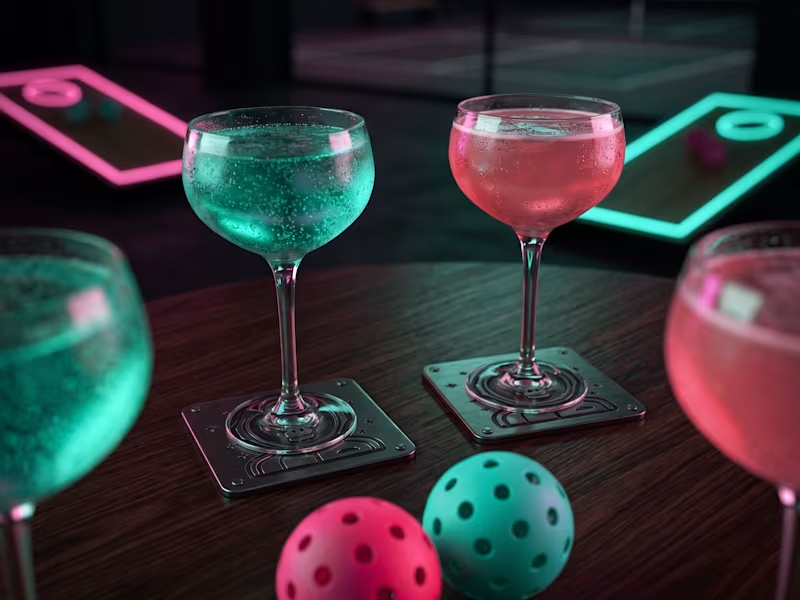

Creative Director | Product Designer | SaaS Developer
- 51
- Followers
Creative Director | Product Designer | SaaS Developer
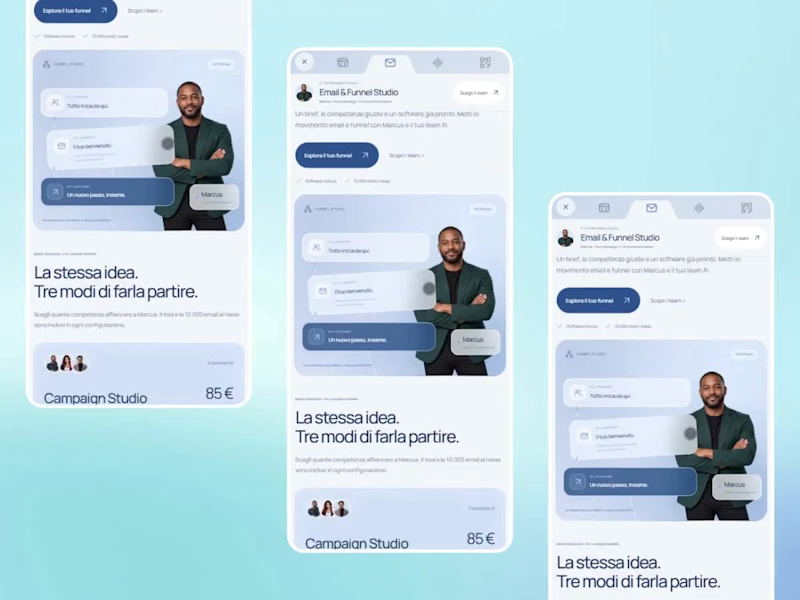
Mobile Version Antereum website | This is an internal page, featuring one of the provided services.
1
286
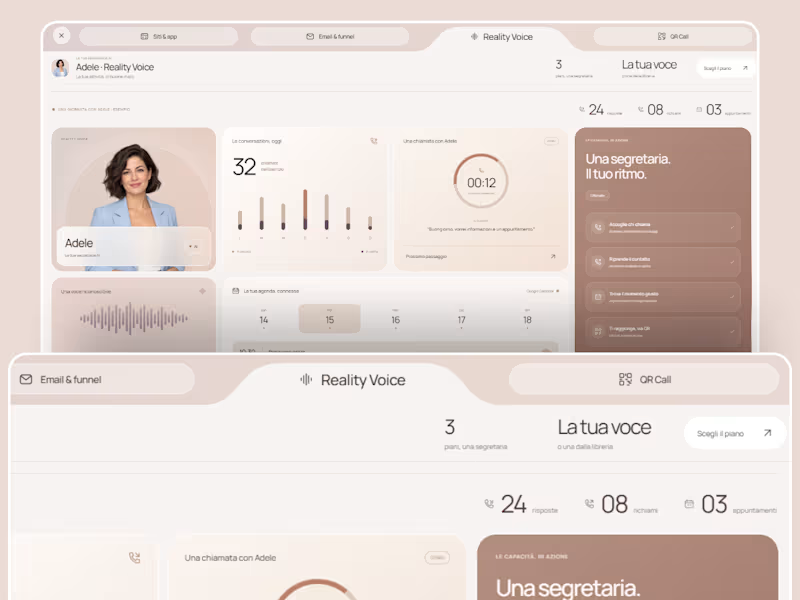
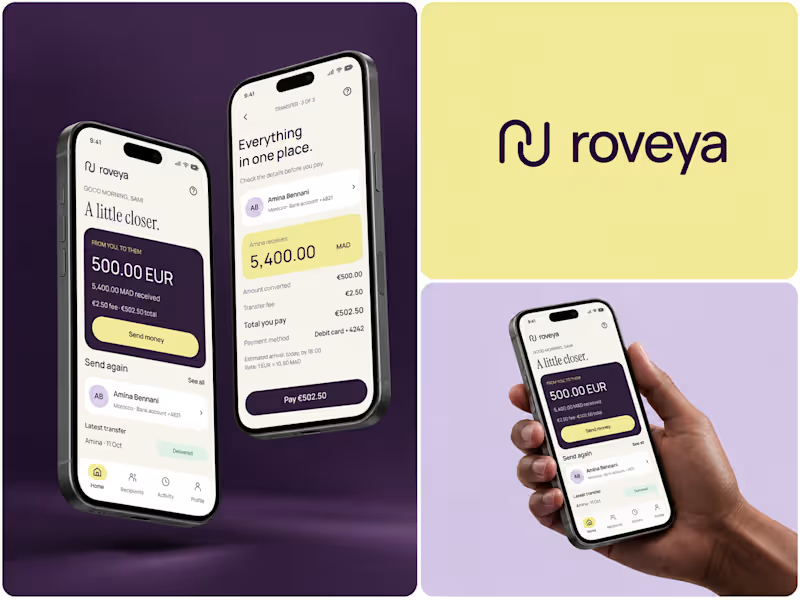
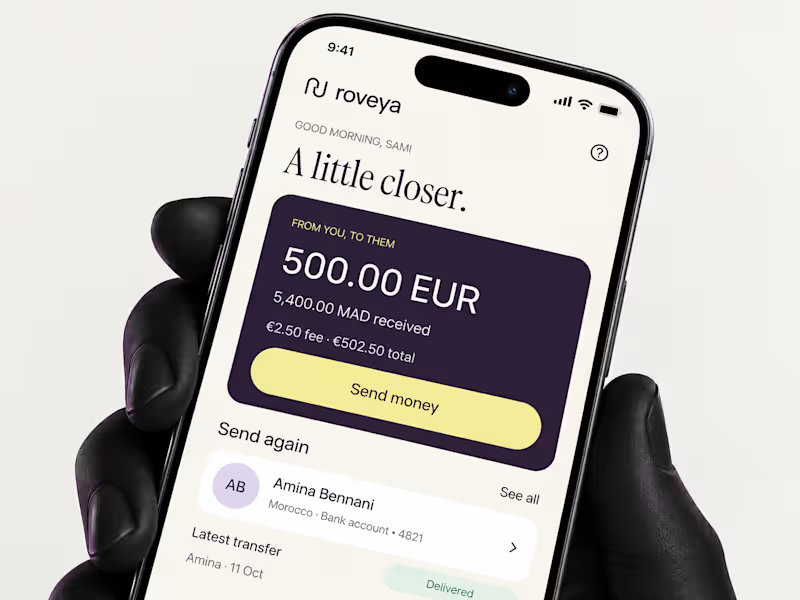

Senior Product Designer · Websites designed & built
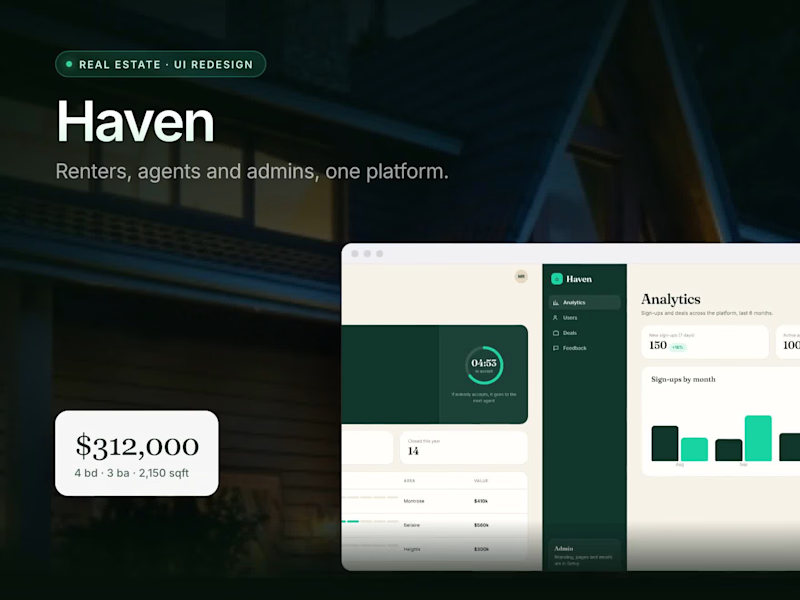


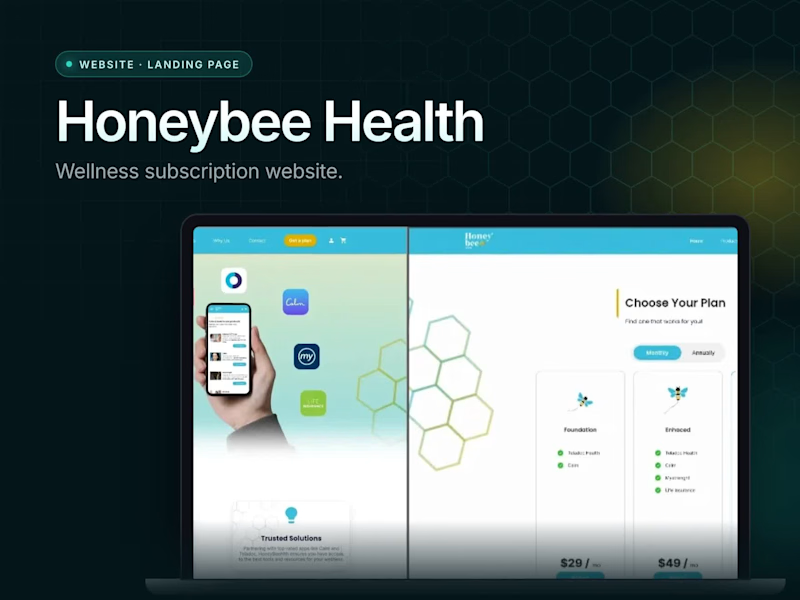

UX/UI Design Expert Specialized in SaaS Products and Shopify
UX/UI Design Expert Specialized in SaaS Products and Shopify


UX Designer specialized in Psychology 🧠 & Wix Studio Expert



User Experience Product, Design and Strategy

Accessibility is key.
As part of the light redesign of this accessibility SaaS website, here is the completely revamped Qualibooth (https://www.qualibooth.com) homepage.
The objective was to deliver a premium, lighter look while improving the user experience bringing value to the first CTA.
Designed and developed on Webflow.
1
163