
















What details should I include in my 3D rendering brief?
When writing a 3D rendering brief, include your project's goals, target audience, and design style. Share any reference images or sketches you have. Describe the specific scenes or objects you need. Think about the format and quality you want for the final files.
How do I check the experience of a 3D renderer?
Look at the 3D renderer's portfolio to see past projects similar to yours. Read reviews from other clients to understand their reliability. Check their expertise with different rendering software. Ask if they have specialized in certain industries or styles, like architecture or character design.
What’s the best way to communicate my project's vision?
Start with a clear written description of what you envision. Use images and sketches to express ideas better. Set up regular meetings to discuss progress. Encourage the renderer to ask questions if anything is unclear.
How do I decide on deliverables for a 3D rendering project?
Identify what end product you need, such as images, animations, or models. Decide the resolution and quality these deliverables should have. Consider what formats will be easiest for you to use. Set milestones to break the project into manageable parts.
What’s important to include in a project timeline for 3D rendering?
Start by estimating how long each project phase will take. Include buffer time for reviews and revisions. Outline key milestones and deadlines. Ensure both you and the 3D renderer agree on the timeline.
How should I prepare for the onboarding of a 3D renderer?
Gather all materials the renderer needs, like style guides or brand colors. Set up communication channels, like email or project management tools. Explain your workflow and how you’ll handle feedback. Make sure the renderer understands your goals and expectations.
What questions should I be ready to answer for my 3D rendering project?
Be ready to discuss your project's vision and any existing materials. Explain your preferred timeline and if there are any hard deadlines. Share your budget for the project and any constraints. Discuss how you prefer to receive updates and give feedback.
How can I ensure the project aligns with industry standards?
Research common practices in 3D rendering for your industry. Check the renderer's familiarity with these standards. Ask for samples or case studies that show their adherence to quality norms. Agree on benchmarks that can indicate the project's compliance with these standards.
How do I assess the creative approach of a 3D renderer?
Review their portfolio for diversity in style and creativity. Look at their approach to different challenges or themes. Consider their ability to customize projects to a client's specific needs. Evaluate their ability to balance creativity with practical constraints.
What secret elements can I look for in a high-quality rendering?
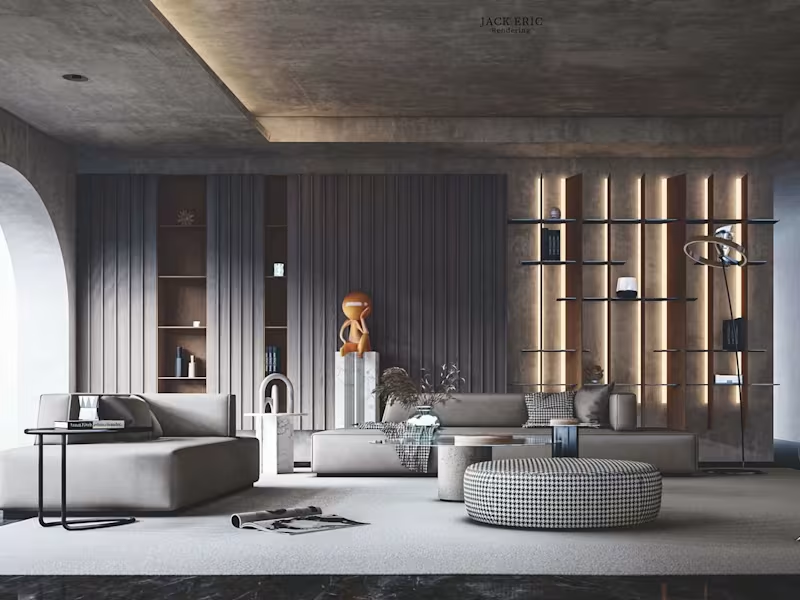
Notice small details and textures in the work. Look for realistic lighting and shadows that add depth. See if the perspective and proportions feel natural. High-quality renderings often make a scene look as real as photographs.
Who is Contra for?
Contra is designed for both freelancers (referred to as "independents") and clients. Freelancers can showcase their work, connect with clients, and manage projects commission-free. Clients can discover and hire top freelance talent for their projects.
What is the vision of Contra?
Contra aims to revolutionize the world of work by providing an all-in-one platform that empowers freelancers and clients to connect and collaborate seamlessly, eliminating traditional barriers and commission fees.