


























What skills should I look for in a low-code/no-code developer?
Find someone who knows how to use low-code/no-code platforms really well. They should understand how to create something unique and fit your project's needs. They should also be good at solving problems and thinking of creative solutions without needing too much code.
How should I describe my project needs to a developer?
Explain what you want your project to do and why it's important to you. Share any ideas or features you think are special. The clearer you are, the better the developer can understand and help build exactly what you need.
What types of projects are best suited for low-code/no-code development?
Low-code/no-code development is great for projects that need to be done quickly or don’t need complicated coding. Simple apps, websites, or software that needs regular updates can be perfect. Make sure your project doesn’t require heavy custom coding, or it might not be the best fit.
How do I assess a developer’s past work?
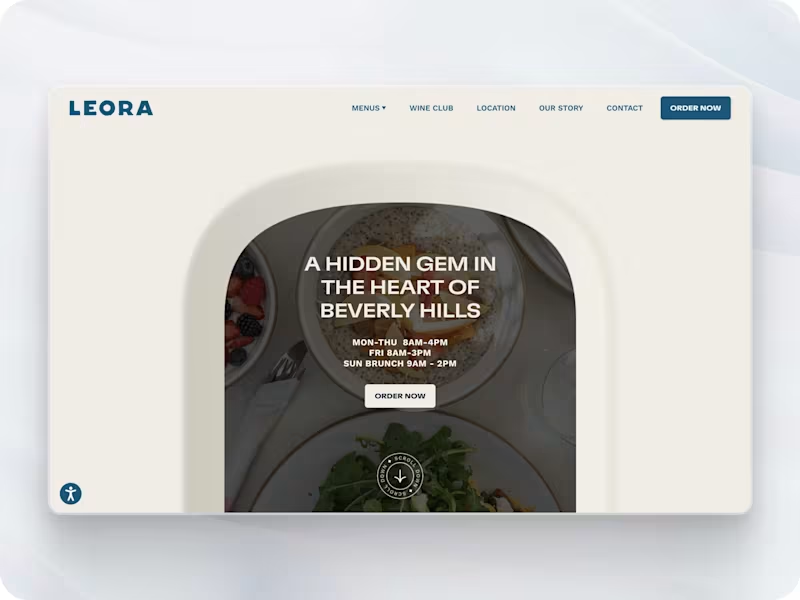
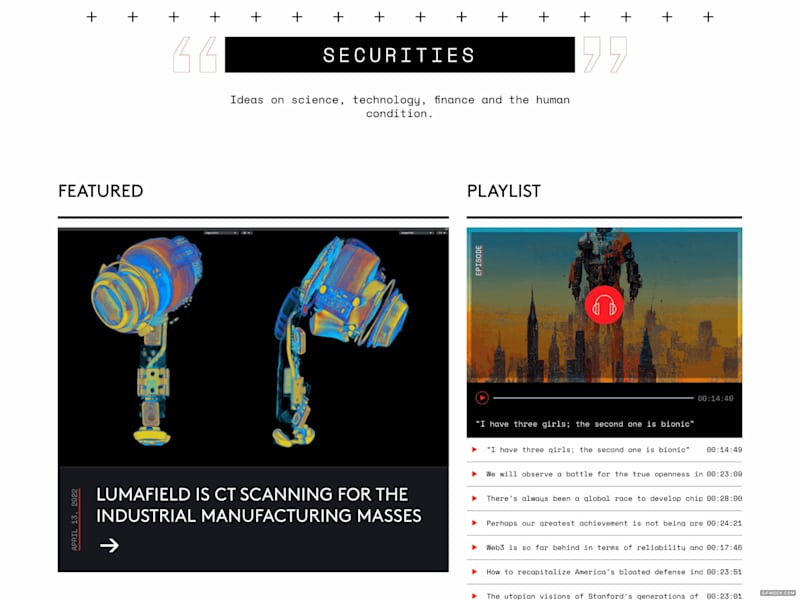
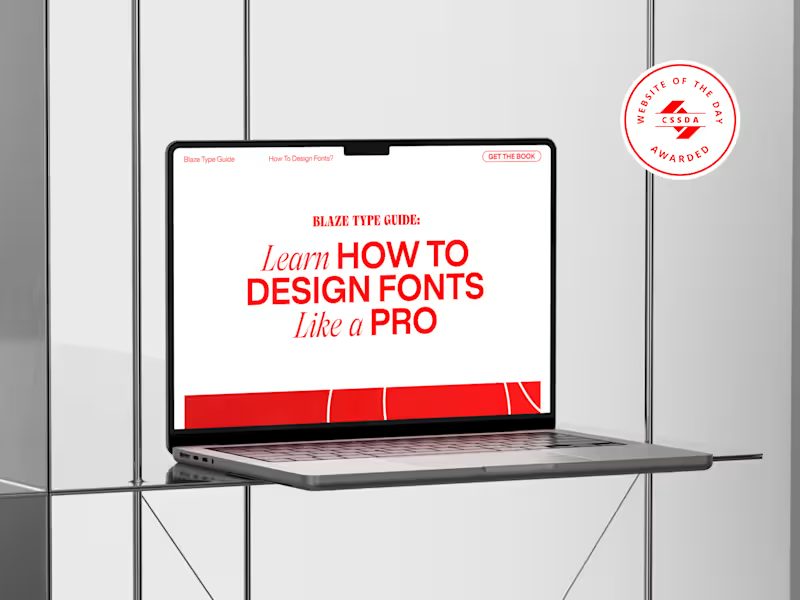
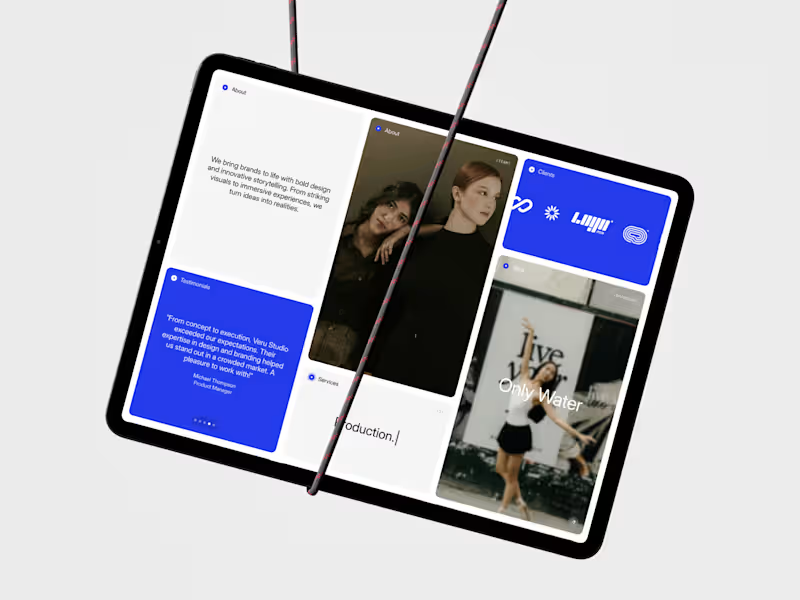
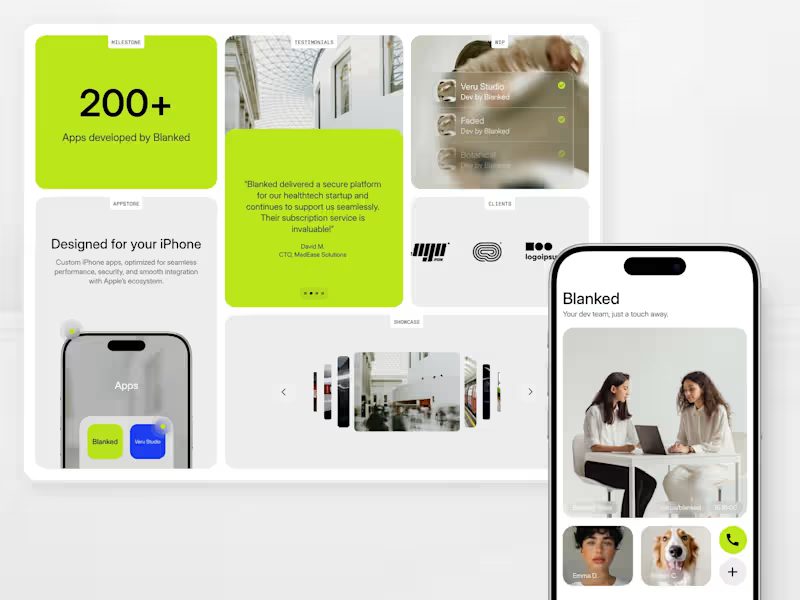
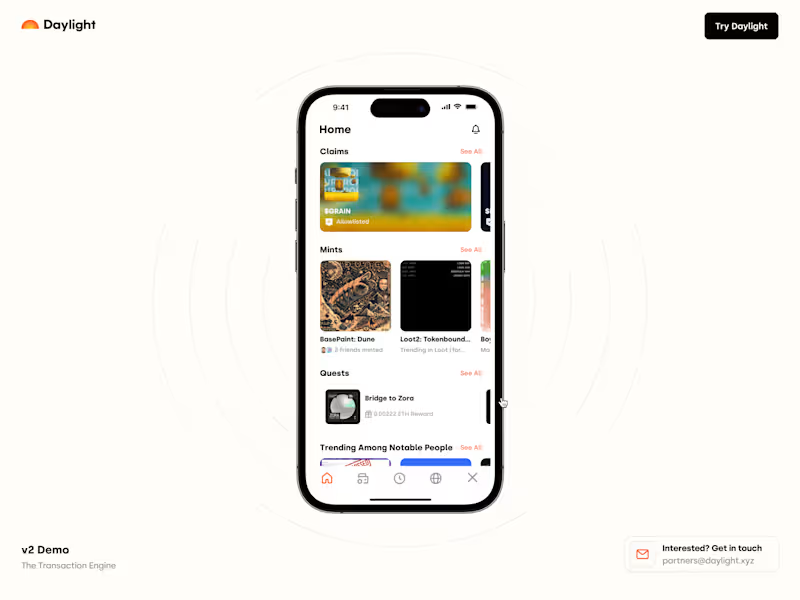
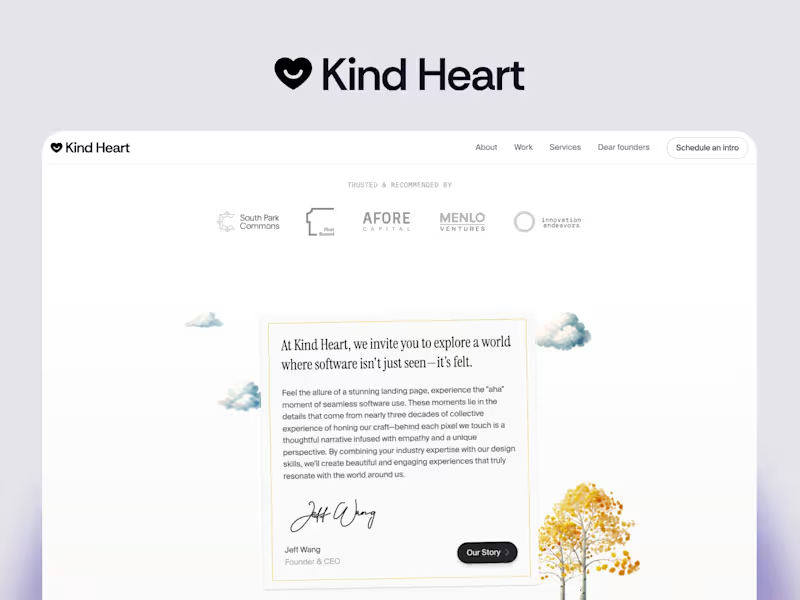
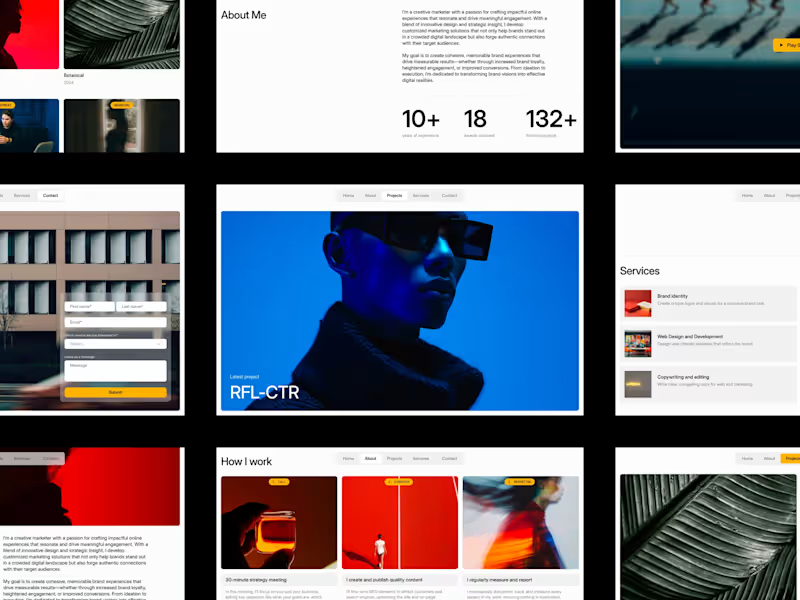
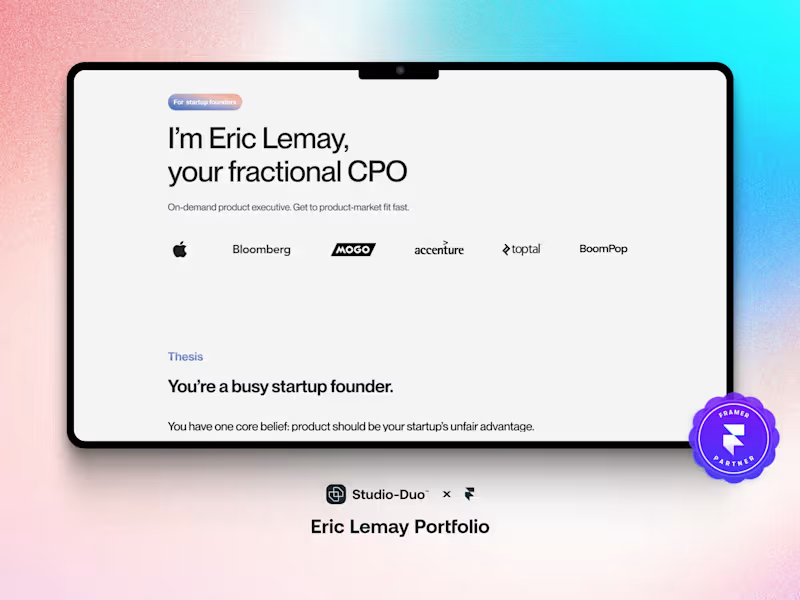
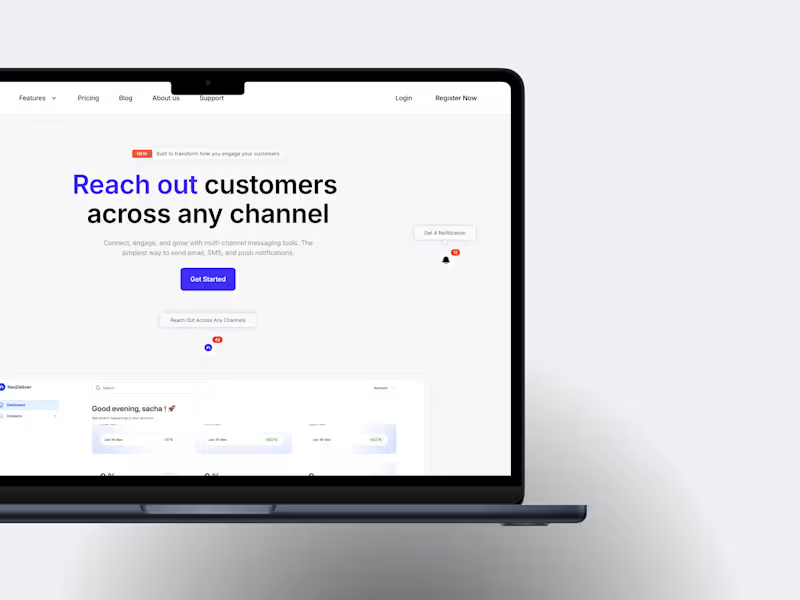
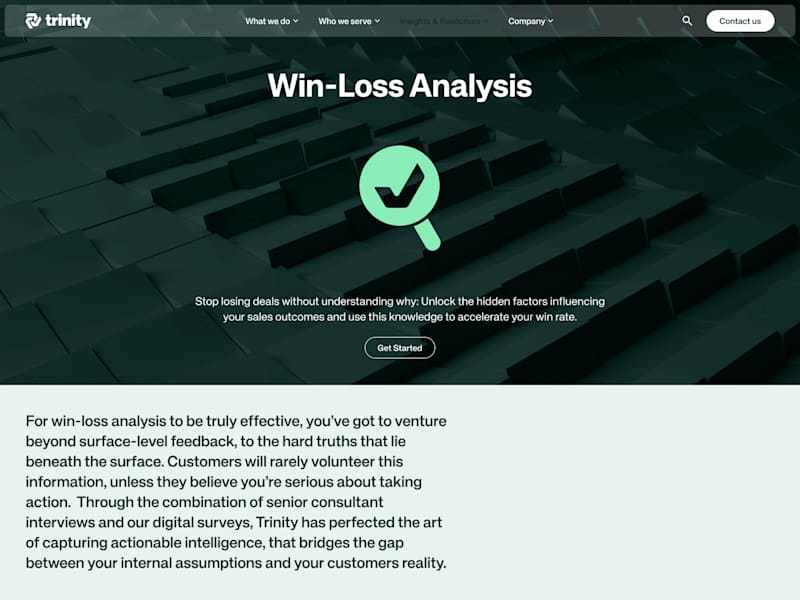
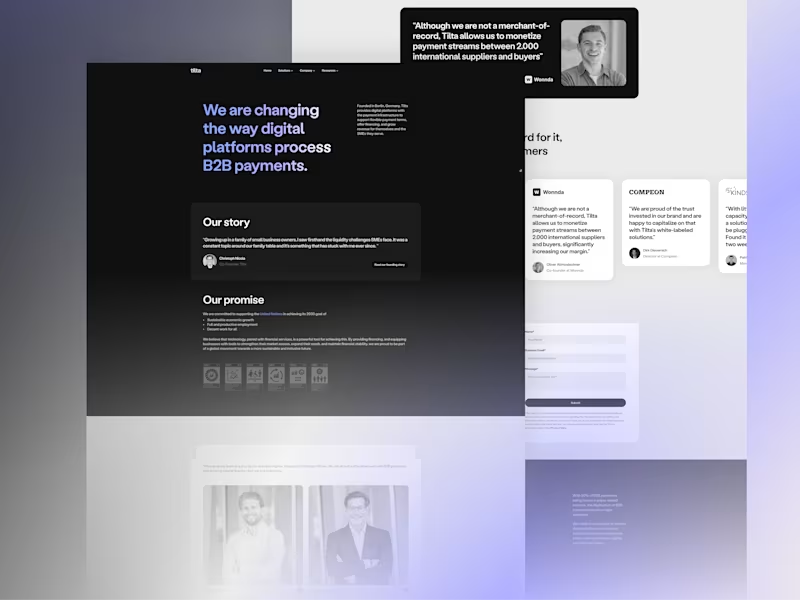
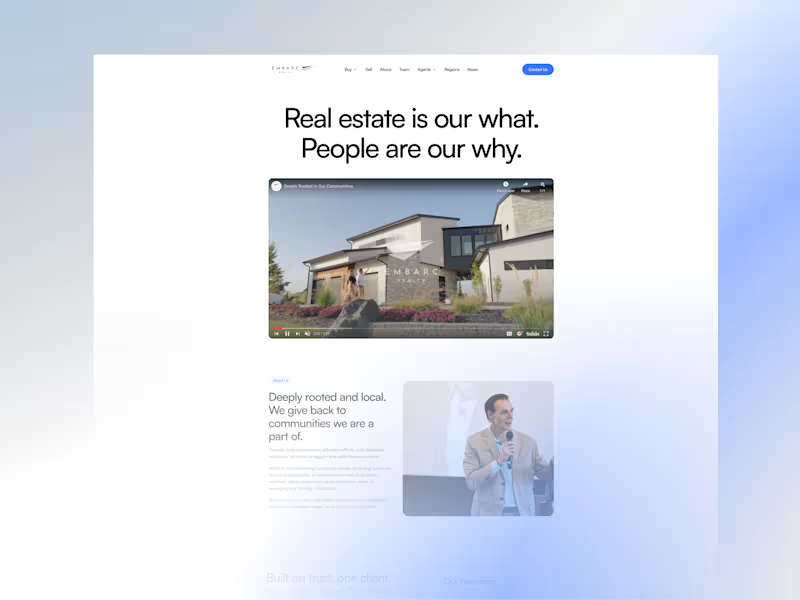
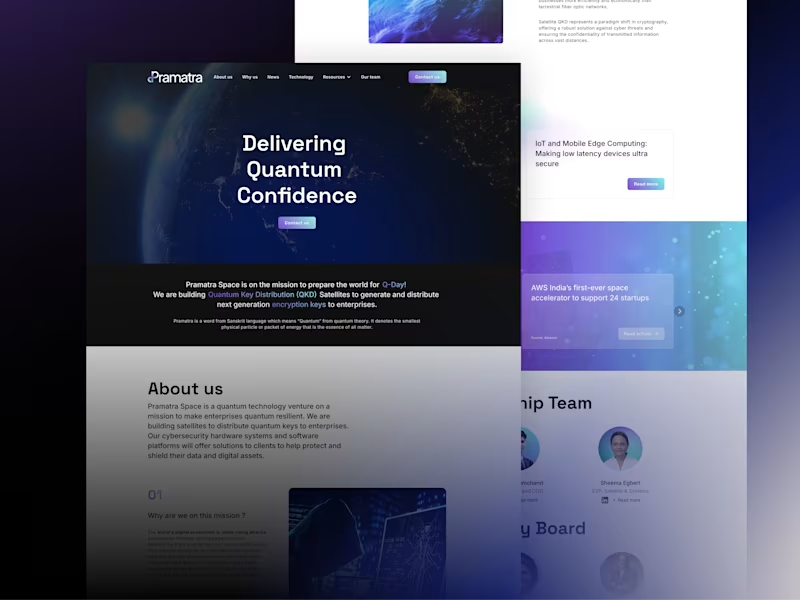
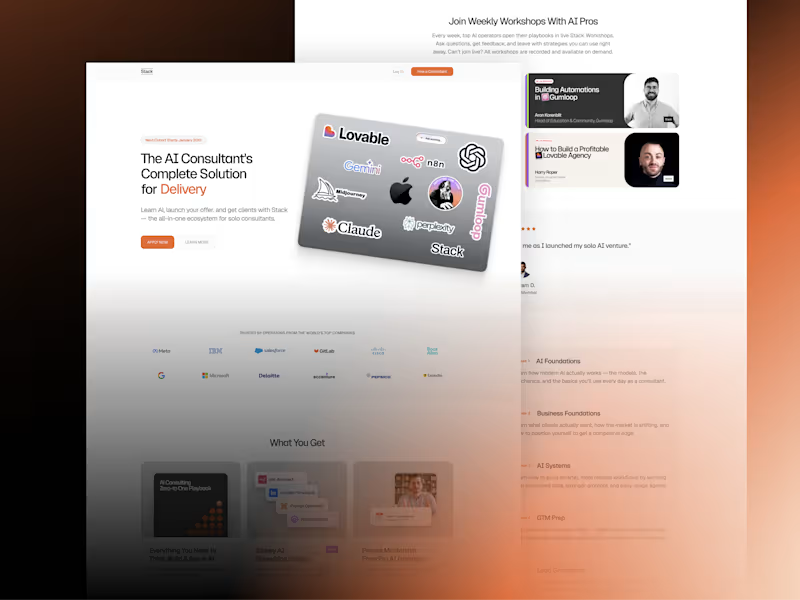
Look at their portfolio to see what kind of projects they’ve done before. Check if their style matches what you like. Reading reviews or testimonials can also help you understand how they work with clients.
What tools do low-code/no-code developers commonly use?
Developers often use tools like OutSystems, Appian, or similar platforms. The tool choice depends on what your project needs. Make sure they are experienced with the tool that best fits your project.
How can I define clear deliverables for the project?
List all the features and functions you want in your project. Break them down into smaller tasks so the developer knows exactly what to do. Clear deliverables help everyone understand what is expected by the end of the project.
How should I plan the project timeline?
Work with the developer to decide how long each part of the project might take. Consider any busy times or holidays to avoid delays. A realistic timeline helps keep the project moving smoothly.
What is the best way to communicate regularly with the developer?
Set up regular check-ins using email, chat, or video calls. This helps catch any problems early and make sure the developer is on track. Good communication ensures everyone is happy with the progress.
How can I ensure quality in the final deliverable?
Ask for regular updates and demos to see progress. This way, you can give feedback early and make sure everything goes as planned. Testing the final product before it's considered done ensures it meets your expectations.
What should I do to prepare for the project handover?
Make sure you understand how to use any new tools or systems. Ask for any training or instructions on maintaining the project. Proper handover preparation ensures you can manage the project once it’s finished.
Who is Contra for?
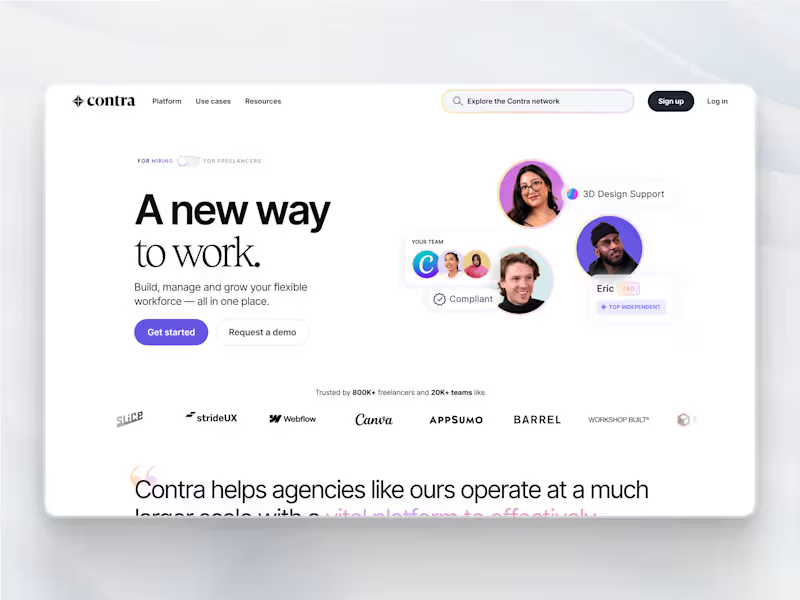
Contra is designed for both freelancers (referred to as "independents") and clients. Freelancers can showcase their work, connect with clients, and manage projects commission-free. Clients can discover and hire top freelance talent for their projects.
What is the vision of Contra?
Contra aims to revolutionize the world of work by providing an all-in-one platform that empowers freelancers and clients to connect and collaborate seamlessly, eliminating traditional barriers and commission fees.