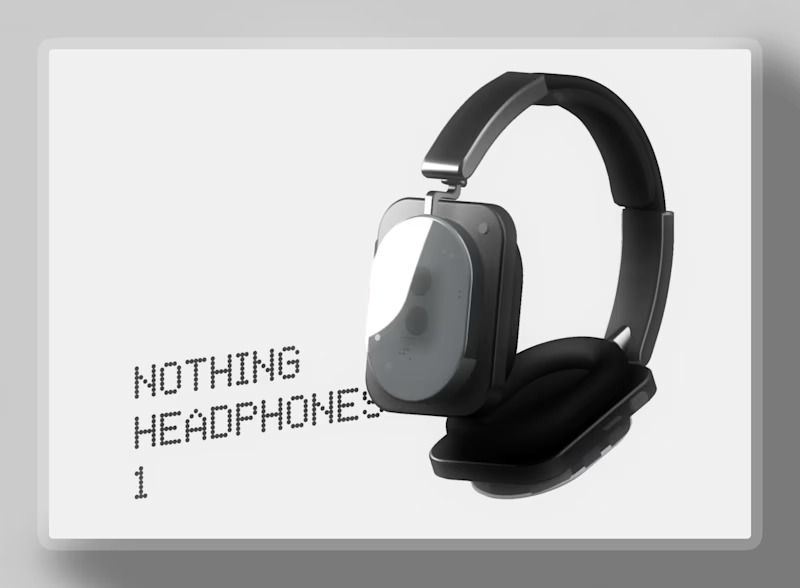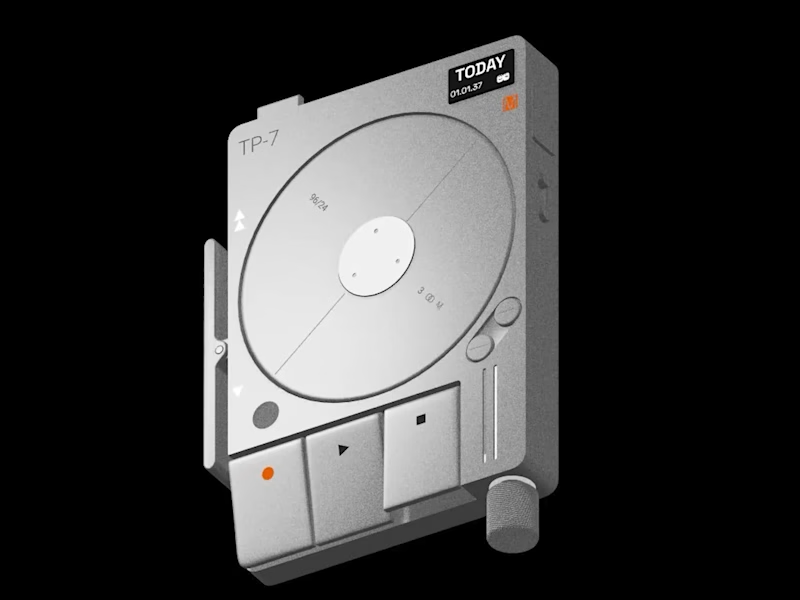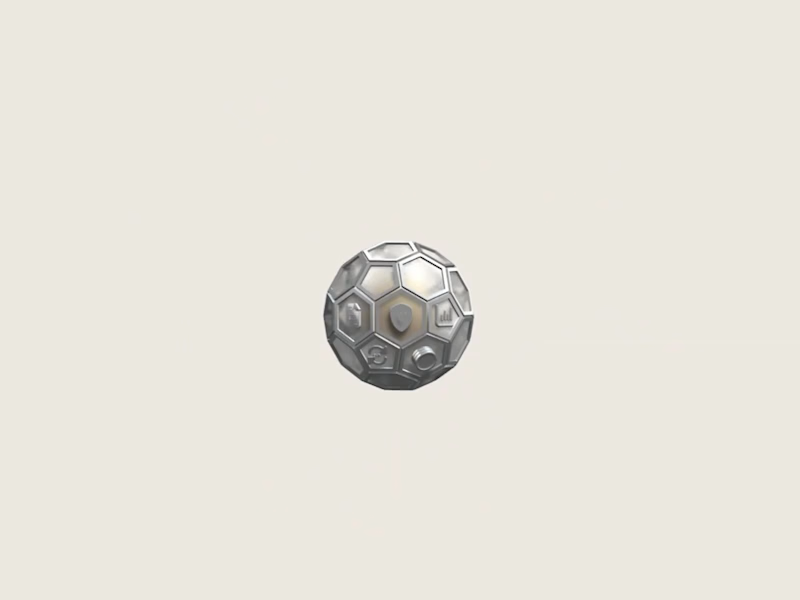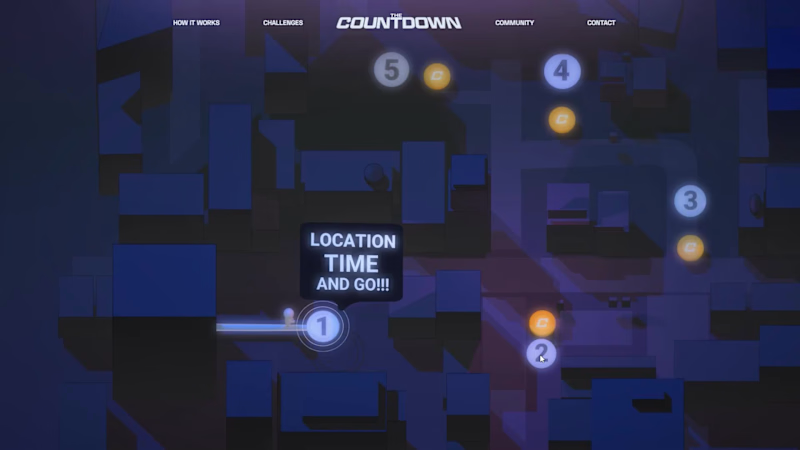

















What should I consider when defining the scope for a 3D modeling project?
Begin by outlining the purpose of the 3D model. Decide if you need realistic details or a simple design. Be clear about the size and scale of the model. The more details you provide, the better results you will get.
How can I effectively communicate my vision for the 3D model?
Use sketches, reference images, or mood boards to share your ideas. It helps to have a written description of the colors and textures you want. The clearer your vision, the easier it will be for the 3D modeler to bring it to life. Clear communication avoids confusion later on.
What technical skills should I check for in a 3D modeling expert?
Ensure they are skilled in popular 3D design software such as Blender, 3ds Max, or Maya. Check if they have experience with the kind of project you are working on. If the model will be animated or used in a game, ensure they have applicable experience. This ensures they can meet your technical needs.
How do I assess the quality of a 3D modeler's portfolio?
Look for consistency and attention to detail in their projects. Verify that they have worked on similar projects to yours. The portfolio should display a range of styles and techniques. This indicates they can adapt to different project needs.
What questions should I ask myself when reviewing initial designs?
Consider if the designs align with your initial vision. Check if size, scale, and proportions fit your needs. Make sure the textures and details meet your expectations. Early feedback helps guide the project in the right direction.
How do I set clear milestones for the 3D modeling project?
Break the project into stages, such as concept, drafts, and final render. Set deadlines for each stage to keep the project on track. Discuss these steps with the modeler to ensure they are realistic. Milestones help manage progress and maintain focus.
What should I keep in mind when discussing revisions with the 3D modeler?
Be specific about what changes you want and why. Use visual references or detailed notes to explain your feedback. Agree on how many revisions are included in the project timeline. Clear revision guidelines prevent misunderstandings and delays.
How do I ensure the final 3D model meets my requirements before project closure?
Validate that the model matches the original specifications and quality standards. Check compatibility with any software or platforms you plan to use it on. Confirm that all elements, like lighting and textures, are as expected. Final checks ensure your satisfaction with the project outcome.
What steps can I take to make sure the project starts smoothly?
Have a clear project plan and communicate it to the freelancer. Share all necessary materials, like reference models and brand guidelines, upfront. Set up regular check-ins to track progress and address issues early. Smooth starts help build trust and efficiency in the project.
Who is Contra for?
Contra is designed for both freelancers (referred to as "independents") and clients. Freelancers can showcase their work, connect with clients, and manage projects commission-free. Clients can discover and hire top freelance talent for their projects.
What is the vision of Contra?
Contra aims to revolutionize the world of work by providing an all-in-one platform that empowers freelancers and clients to connect and collaborate seamlessly, eliminating traditional barriers and commission fees.