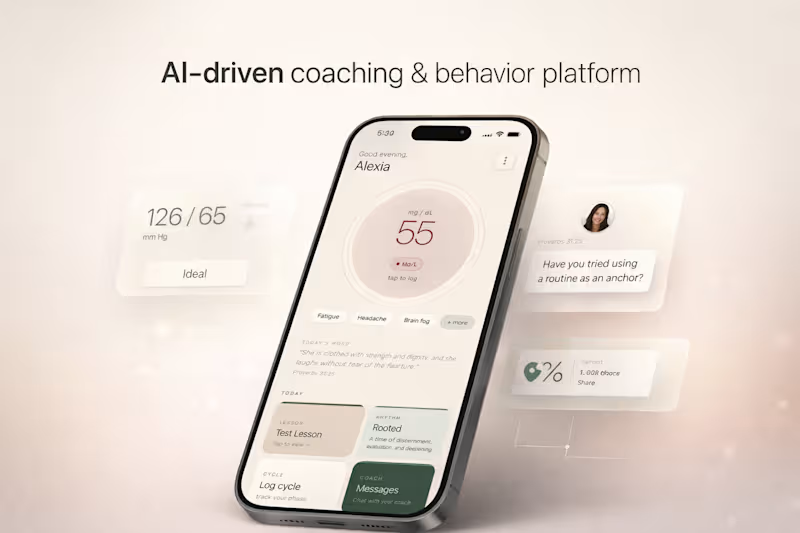
Freelance Mobile Designers in PhoenixFreelance Mobile Designers in PhoenixThis project is an AI-driven coaching and behavior platform designed around women’s physiological cycles, combining health tracking, guided routines, and structured coaching into a single system.
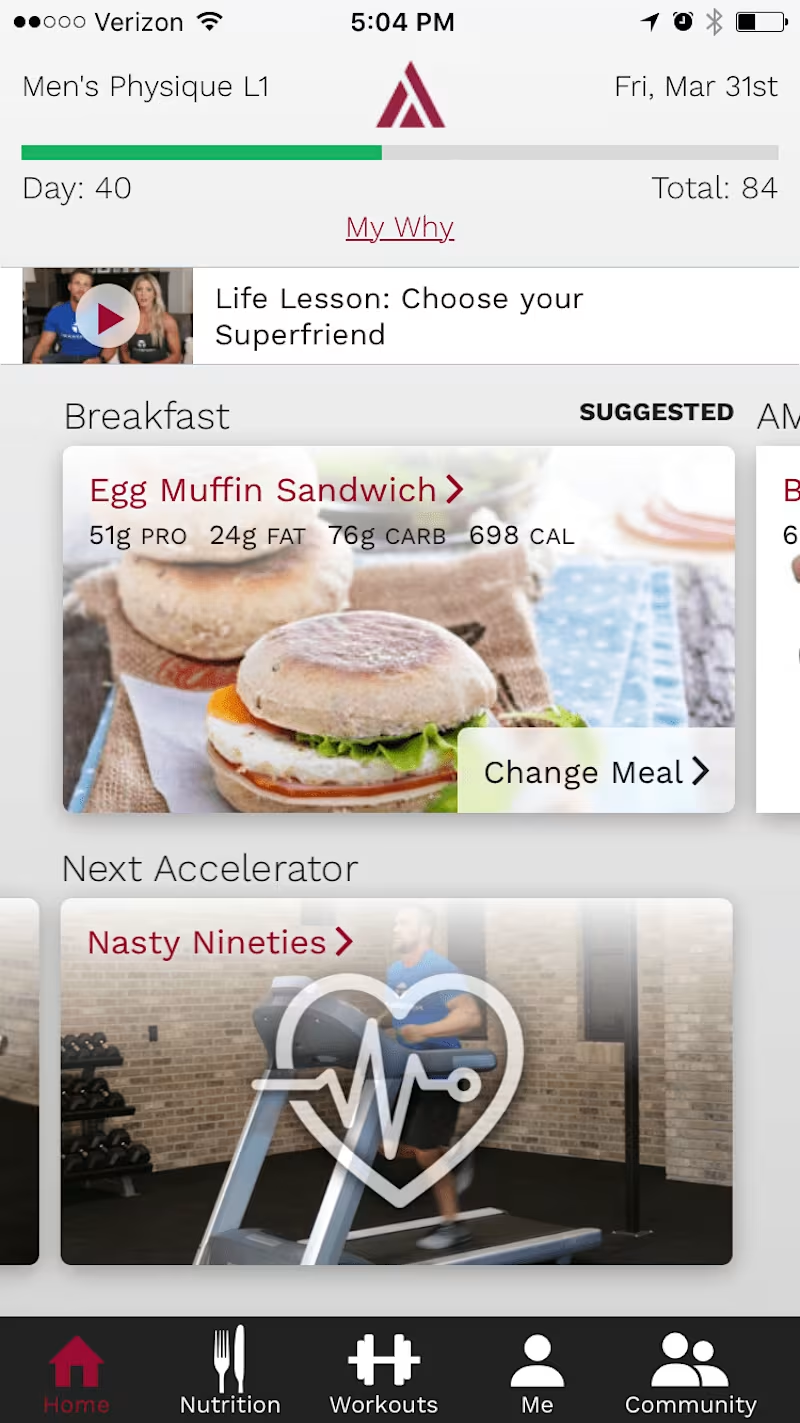
The product integrates glucose tracking and cycle-based fasting protocols, adapting recommendations based on different phases of a woman’s cycle. Instead of static tracking, the experience shifts contextually, guiding users through daily decisions, energy patterns, and habits in a way that feels aligned rather than restrictive.
A key part of the system is the coaching layer. The platform supports both 1:1 coaching and multi-week group programs, where users move through structured lesson plans, guided routines, and check-ins. The experience is designed to feel continuous, not fragmented, blending education, action, and reflection into one flow.
There is also a built-in spiritual component, where scripture and reflection prompts are integrated into the experience alongside behavioral guidance. This creates a more holistic system that supports not only physical health, but mental and emotional alignment.
From a product perspective, the focus was on designing a system that encourages consistency and long-term engagement. This includes adaptive feedback, clear progression, and interaction patterns that reinforce daily use without overwhelming the user.
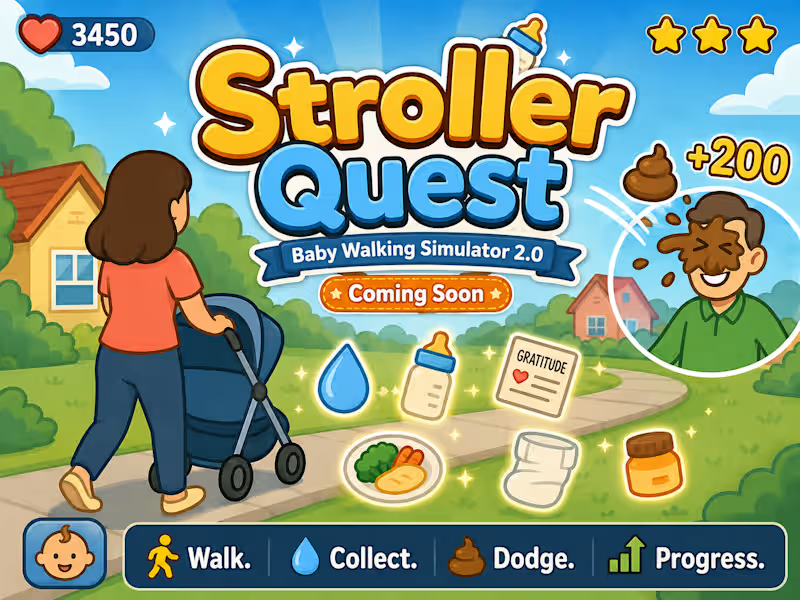
The result is not just a tracking tool, but a structured environment for behavior change, combining health data, coaching systems, and guided experiences into one cohesive platform. Stroller Quest is a mobile game and recovery support experience designed to make postpartum care more engaging, consistent, and approachable for moms. The project combines playful interaction with real-world care support, helping users stay connected to healthy routines, recovery stages, and recommended products that support their wellness journey.
At its core, the app turns movement and daily care into a simple, rewarding experience. Moms can walk, collect care-related items, avoid hazards, complete missions, and progress through supportive stages that reinforce consistency and recovery habits. The experience is designed to be fun and uplifting, while also serving a deeper purpose: helping users remain engaged in their own care path.
A key part of the concept is the cognitive and emotional support layer. The app is designed not only as a game, but as a gentle wellness companion that can encourage structure, progress, and positive reinforcement during a time when many mothers need support the most. By combining daily goals, gratitude-focused elements, recovery routines, and care-stage progression, the app helps create a more mindful and motivating experience that can positively support mental wellness and postpartum recovery habits.
The project also connects recovery engagement with care and product alignment. As moms move through different stages, the app can help sync their needs with the types of products, resources, and supportive care items that may be most relevant to them. This makes the experience more than entertainment — it becomes an interactive layer that helps bridge wellness, education, and product support.
Stroller Quest is being developed as both a standalone mobile experience and a companion engagement layer that can integrate with broader maternal care ecosystems such as BelliBind. The current foundation is live in a simplified form, with Version 2.0 in development to introduce expanded visuals, improved gameplay depth, stronger progression systems, and a more polished care-support experience.
Key Features
You can paste these as bullets if Contra allows them:
Walking-based gameplay that encourages progress through movement
Collectible care items such as hydration, baby-care, and recovery-themed objects
Hazard avoidance mechanics to create fun, active play
Missions and rewards that reinforce daily participation
Progression system that motivates consistency and habit-building
Cognitive support layer that encourages mindfulness, structure, and positive reinforcement
Recovery-stage support designed to align with a mom’s care journey
Product syncing concept to connect users with the care items and support products they need
Standalone or integrated design that can operate independently or connect with a larger wellness platform
Version 2.0 roadmap focused on visual polish, deeper gameplay, and expanded features