























Architecture freelancers
Bottom left hero backgroundTop right hero background

Best freelance Architects to hire in 2026

Looking to hire Architects for your next project? Browse the world’s best freelance Architects on Contra.

Trusted by 50K+ teams from creative agencies to high growth tech companies

Logo for Wix StudioLogo for RiveLogo for WebstudioLogo for GlorifyLogo for JitterLogo for FlutterFlowLogo for CanvaLogo for Workshop BuiltLogo for BuildshipLogo for AppsumoLogo for FramerLogo for BarrelLogo for BubbleLogo for LummiLogo for WebflowLogo for GrayscaleLogo for Stride UXLogo for InstantLogo for SplineLogo for KittlLogo for RelumeLogo for Replo
FAQs

What should a client look for in a freelance architect's portfolio?

Clients should look for variety in styles and designs. Check if the architect has worked on projects similar to yours. Look for creativity in how they solved design problems.

How can a client ensure clear communication about project goals?

Write down what you want your project to look like when it's done. Share this with the architect before starting. Regular check-ins during the project can help keep things on track.

What should clients know about setting project timelines with architects?

Start by discussing how long similar projects have taken in the past. Be realistic about deadlines, considering design revisions. Make sure both you and the architect agree on the timeline before work begins.

How can a client agree on deliverables with a freelance architect?

Make a list of what you need, like blueprints or 3D models. Discuss this list with the architect to ensure they can deliver everything. Agree on the format and detail level of each deliverable.

Why is it important to discuss technology and tools with an architect?

Different architects use different software for designs. Ask what they use to make sure it works for you. This helps in viewing and making changes to the designs.

How can a client stay involved during the designing process?

Ask for regular updates on the project's progress. Attend design review meetings to see the work and ask questions. This way, you ensure your vision is being followed.

What are some key elements of a good project brief for architects?

Include the project's purpose, any specific design ideas, and the deadline. Make it clear what problems the design should solve. This helps the architect understand your needs better.

How should clients handle changes in project scope?

If you need changes, discuss them with the architect as soon as possible. This helps adjust the timeline and deliverables. Communicate clearly to avoid confusion.

What should clients know about architects' previous client reviews?

Look for reviews that mention reliability, creativity, and skills. Positive feedback on similar projects is a plus. This can give you an idea of what to expect.

Why is understanding an architect’s style important for clients?

Each architect has a unique way of designing. See if their style matches what you want for your project. This helps in creating a design that you love.

Who is Contra for?

Contra is designed for both freelancers (referred to as "independents") and clients. Freelancers can showcase their work, connect with clients, and manage projects commission-free. Clients can discover and hire top freelance talent for their projects.

What is the vision of Contra?

Contra aims to revolutionize the world of work by providing an all-in-one platform that empowers freelancers and clients to connect and collaborate seamlessly, eliminating traditional barriers and commission fees.

People also hire

Explore projects by Architects on Contra

Top services from Architects on Contra

Top locations for Architects

Architects near you

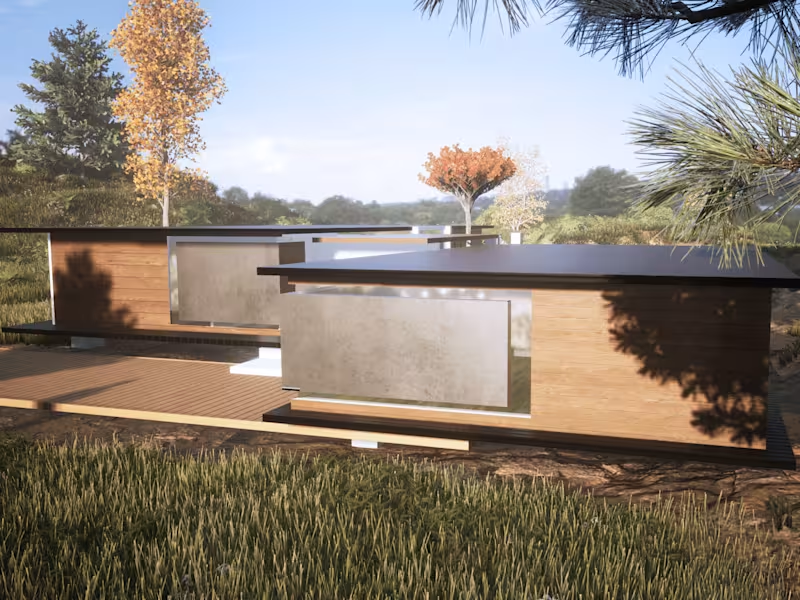
Cover image for Project Title: Sovereign Grand: Autonomous
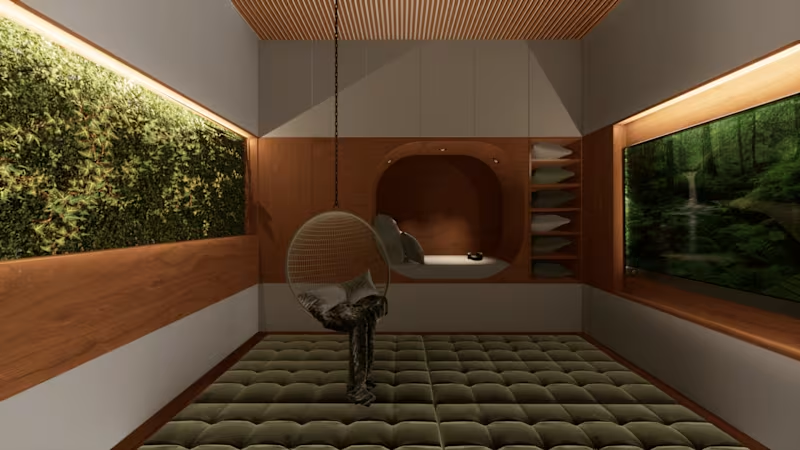
Project Title: Sovereign Grand: Autonomous Tactical Sanctuary Project Link: https://app.melius.com/projects/35b526ac-e9b3-409f-ad8a-a8dcdd75c506/canvas/e4c1cce8-a2ad-4958-9d98-fed15a2ce4e4 Concept Description The Sovereign Grand is a 10,500-pound relocatable tactical sanctuary engineered to replace standard residential luxury with clinical-grade biological protection. Built as a high-density 20.69-square-meter monocoque module, the unit integrates autonomous structural infrastructure with a premium tactical interior. The envelope is fully optimized to withstand extreme environmental instability, featuring an active plus-10 Pascal positive-pressure cleanroom layer for pathogen exclusion. Internal environmental systems incorporate hidden multi-slot atmospheric ventilation manifolds delivering complete acoustic silence, paired with recessed linear crimson photobiomodulation arrays hidden entirely within the custom ceiling timber tracks. Visually, the structure balances a rugged, heavily charred Shou Sugi Ban timber exterior shell with a sterile, high-end technical sanctuary core. The Sovereign Grand establishes a new architectural paradigm, shifting wellness design away from standard residential additions and toward precise, systemic, fabrication-ready engineering. Process Steps & Workflow Architecture System Architecture Intake: Initialized the visual blueprint by feeding strict defensive engineering parameters and volumetric constraints for a compact 20.69-square-meter massing footprint into the Melius Autonomous Simulation Grid. Pipeline Graph Refinement: Instructed the Melius agent, Mel, to map out an interconnected multi-node pipeline across the visual canvas. I strategically routed spatial reference context from GPT Image 2 nodes into advanced motion arrays to completely eliminate visual layout drift. Agent-Driven Material Stress-Testing: Deployed specialized texture-mapping nodes to handle the organic, blocky scaling of the heavily charred Shou Sugi Ban exterior shell, ensuring high-fidelity material representation under dense environmental fog simulation layers. Closed-Loop Clash Remediation: Step-prompted the agent loop to reject generic AI interior hallucinations, like inaccurate sectional couches and circular portal lights. I manually rewired the pipeline edges to cleanly isolate the linear micro-slot atmospheric manifolds and crimson sterilization light tracks within the custom ceiling grid. Feedback on the Melius Experience Using Melius completely changes the creative flow compared to standard, one-off prompting tools. Building inside a visual canvas allowed me to map out an entire interconnected architectural production system rather than just generating isolated clips. The clear standout is the agent interaction. Being able to give Mel high-level design constraints and watching the agent lay out the graph logic across text, image, and video models felt highly collaborative. The workflow model propagation is excellent, as downstream image nodes inherit context without tedious manual copy-pasting. For future updates, it would be highly beneficial to see a pre-run credit cost estimator built directly into the UI when hovering over complex node networks before running them. Additionally, adding vertical resizing flexibility to custom text nodes would help organize large architectural project scripts much more efficiently. Overall, it is a phenomenal ecosystem for production-grade technical direction. X Post Link: https://x.com/PrimeVitalHQ/status/2056823413159723222 LinkedIn Post Link: https://www.linkedin.com/posts/christine-ho-1a62579_meliuschallenge-meliuschallenge-systemdesign-ugcPost-7462590484893573120-IloO
1
165