
Skilled Full Stack Web Developer




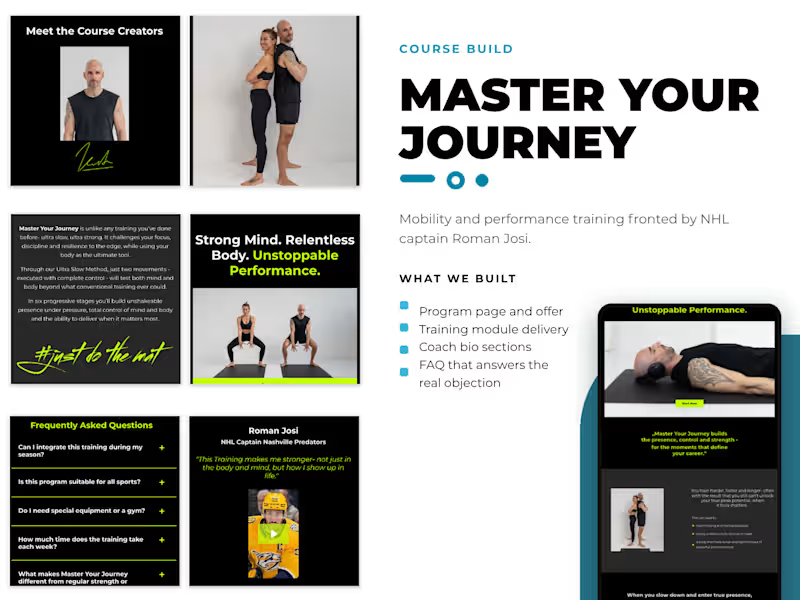
Kajabi Expert | Course Creation, Funnels, Marketing Strategy


Kajabi Expert | Course Creation, Funnels, Marketing Strategy


UX | Web Design | Brand Strategy | Accessibility

UX | Web Design | Brand Strategy | Accessibility

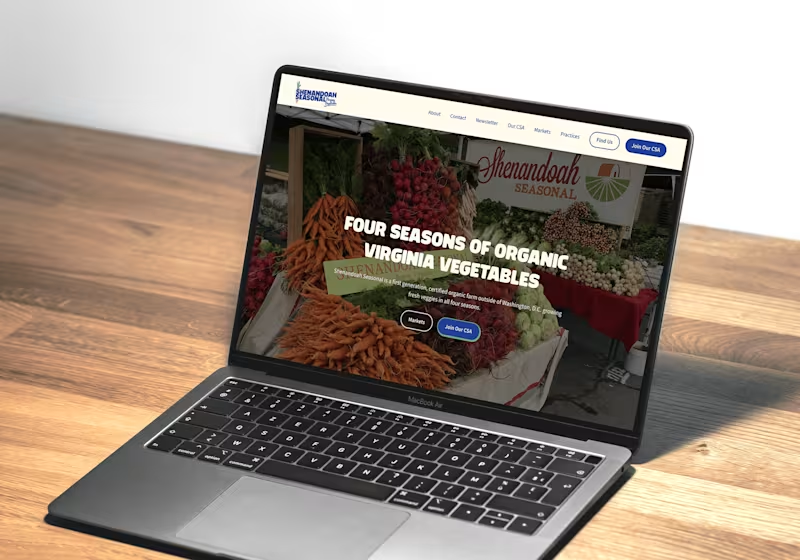
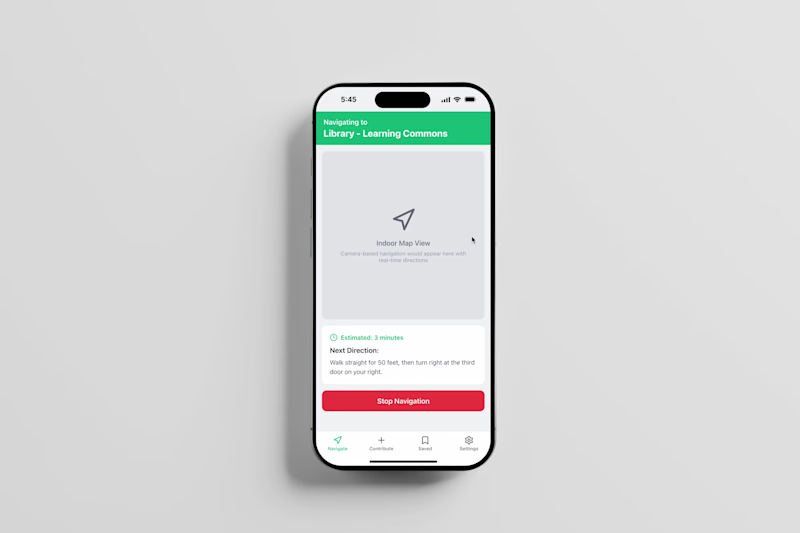
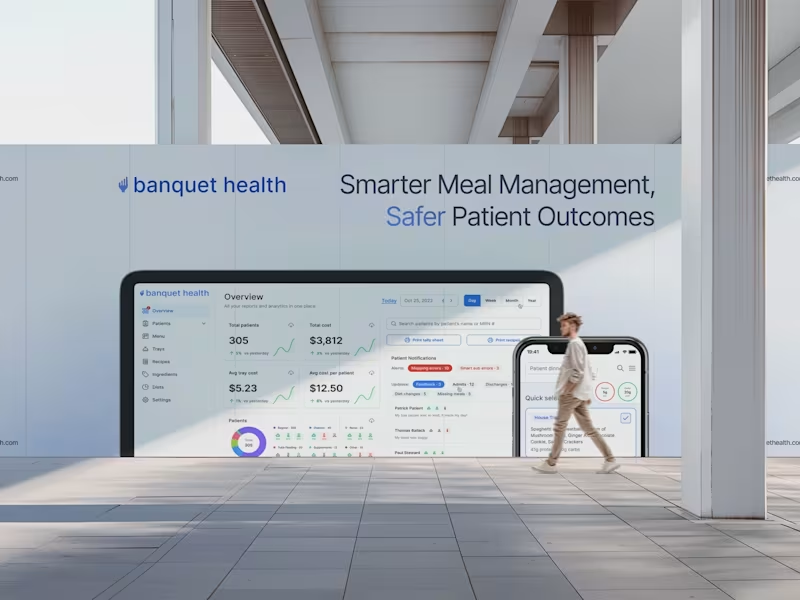

Web Solutions. AI Applications. Proven Marketing Strategy

Web Solutions. AI Applications. Proven Marketing Strategy



Design Engineer who designs, builds, and ships
- $10k+
- Earned
- 3x
- Hired
- 5.0
- Rating
- 26
- Followers
Design Engineer who designs, builds, and ships




Full Stack Developer - Node, React, TypeScript, Go, Python
- $25k+
- Earned
- 7x
- Hired
- 5.0
- Rating
- 38
- Followers
Full Stack Developer - Node, React, TypeScript, Go, Python


Web & Presentation Designer | AI Workflows

I craft custom websites and SEO strategies that scale.
- 1x
- Hired
- 16
- Followers
I craft custom websites and SEO strategies that scale.
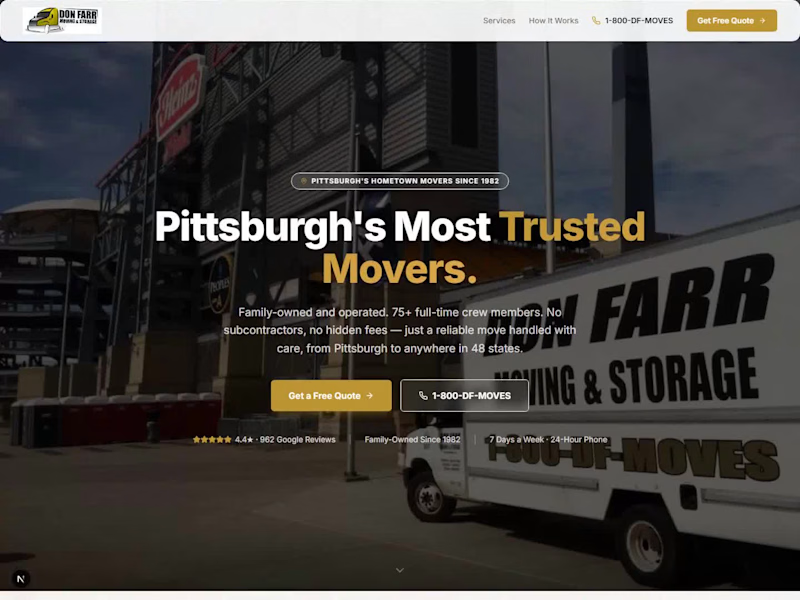
What does a 40-year-old moving company's website need to prove in the first five seconds?
Don Farr has been moving Pittsburgh since 1982. Real trucks, real crew, real reviews. None of that showed up on their old site. It read like every other mover's template, buried under text instead of leading with proof.
So I rebuilt the landing page from scratch, in Next.js, with one goal. Get the trust signals above the fold instead of at the bottom.
The hero does the heavy lifting now. Real photo, real headline, the review count and star rating sitting right under the buttons instead of hidden in a footer. Two calls to action, not five. Call now or get a quote, nothing else competing for the click.
Below that, the stats block does what a testimonials page usually tries to do in three paragraphs. Years in business, crew size, fleet size, states served. Four numbers, no copy needed.
Services get their own grid instead of a wall of paragraphs. Local, long-distance, commercial, storage, junk removal, packing. Anyone scanning on their phone can find their situation in two seconds.
This is a concept rebuild. It's not live on their domain yet, the real site still runs the old design.
Swipe through for the full page, or watch the scroll-through video.
What's the first thing you look for when you're checking out a local business's site?
2
149
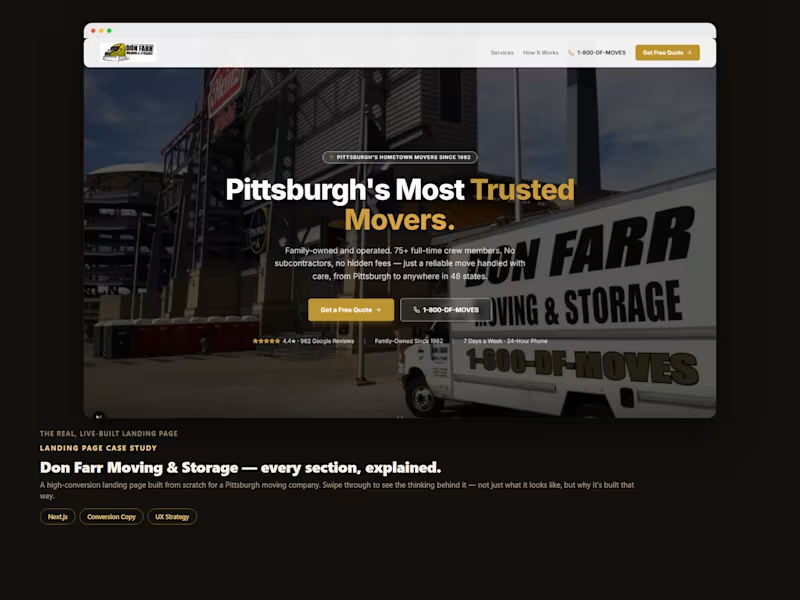
Here's a landing page I built for a Pittsburgh moving company — broken down section by section, so you can see the thinking behind it, not just the finished screenshot.
The hero isn't just a headline. The form isn't just a form. Every block on this page is answering a specific objection or moving someone one step closer to booking — in order, on purpose.
Swipe through to see it.
Good landing pages aren't really a design problem. They're a sequencing problem — and that's the part I spend the most time on.
2
4
304
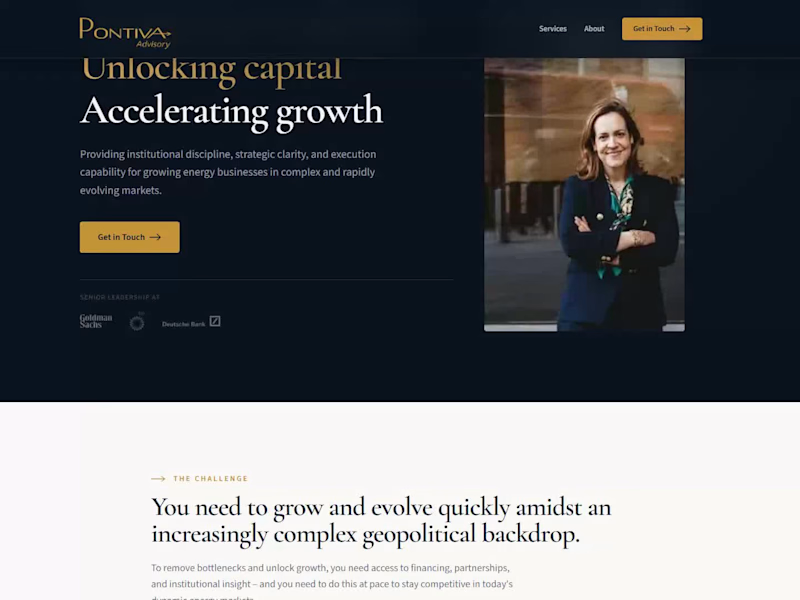
Pontiva Advisory — Brand & Website for an Independent Energy Advisor
Emily Watt spent two decades inside Goldman Sachs, bp, and Deutsche Bank before going independent — bridging global capital and African energy markets as her own advisory. The brief, in her words: "Professional yet discreet. Less is more. Don't show all her cards."
That's the tension every solo-advisor site has to solve. Too much credential-dropping and you look like you're trying to prove something. Too little and a founder can't tell if they're talking to a real operator or a consultant with a Canva template. I designed and built a site that resolves it with restraint instead of volume.
What that looked like in practice:
A dark navy-and-gold system that reads as institutional, not startup — Cormorant Garamond for editorial weight, Source Sans for clarity
Her own logo's arrow mark, pulled out and reused as a system element across every section instead of a one-off flourish
A credential bar for Goldman Sachs, bp, and Deutsche Bank that states the pedigree once, quietly, and moves on
A contact flow built for a warm introduction — form plus scheduling — instead of a generic "get in touch" form that could belong to anyone
The result is live at pontivaadvisory.com (http://pontivaadvisory.com). It doesn't try to convince you Emily is credible. It just doesn't get in the way of the fact that she is.
1
263
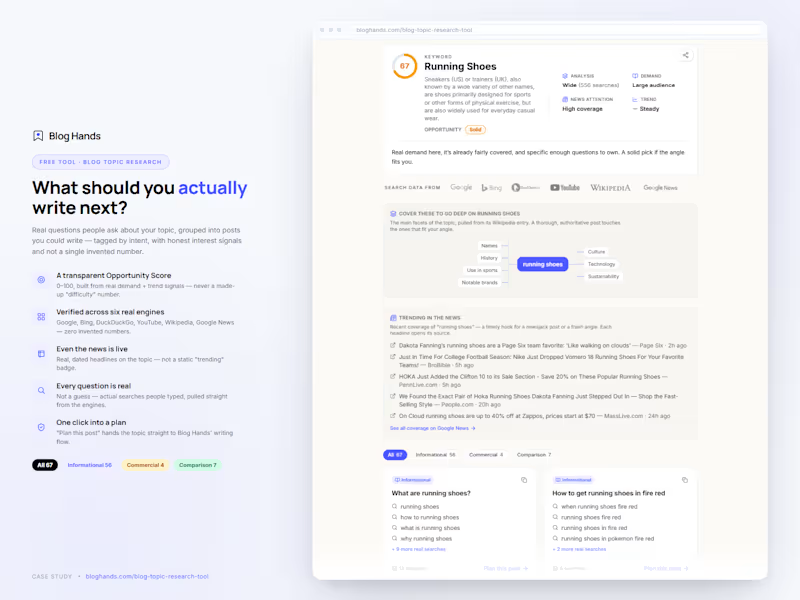
I built this free tool for figuring out what to blog about next.
Type in a keyword, and it pulls real search queries from Google, Bing, DuckDuckGo, YouTube, Wikipedia, and Google News — groups them into actual postable topics, and scores each one 0–100 so you know if it's worth writing. Real questions people are typing, tagged by what they actually want (info, comparison, ready-to-buy), plus whatever's trending on the topic right now. No invented numbers, no made-up "difficulty" score — just what's really out there.
Free, no sign-up: https://bloghands.com/blog-topic-research-tool
2
251