
Senior Software & ML Engineer | Zero to One Product Builder


Senior Software & ML Engineer | Zero to One Product Builder


Data Engineering and Automation


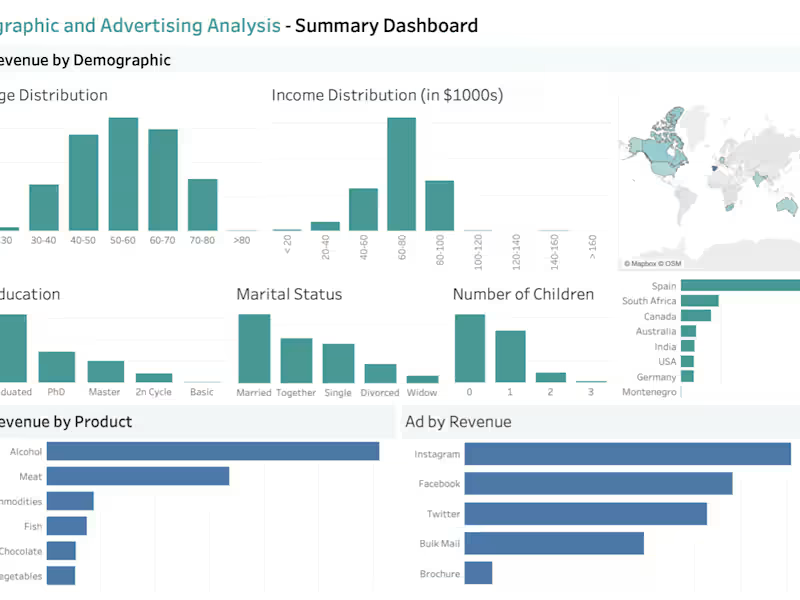

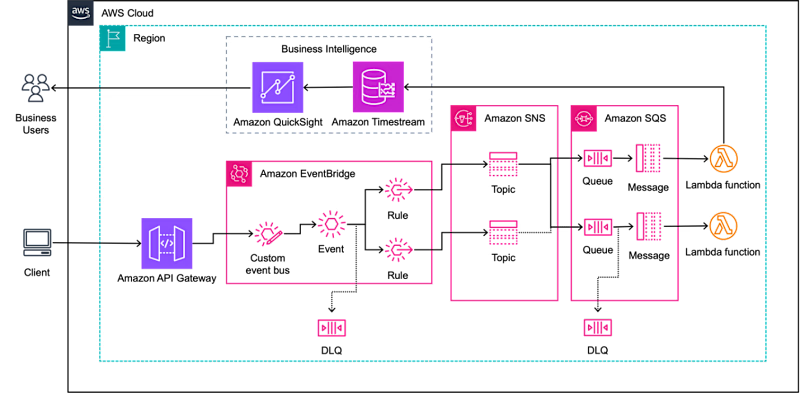
Expert AWS consulting, AI solutions, and machine learning.
- $100k+
- Earned
- 1x
- Hired
- 24
- Followers
Expert AWS consulting, AI solutions, and machine learning.

View more →


Data, Automation, AI Agents, Buildship, Framer, Bubble

Data, Automation, AI Agents, Buildship, Framer, Bubble

Full-Stack & AI Developer | Next.js, AI Agents
- $25k+
- Earned
- 9x
- Hired
- 5.0
- Rating
- 61
- Followers
Full-Stack & AI Developer | Next.js, AI Agents
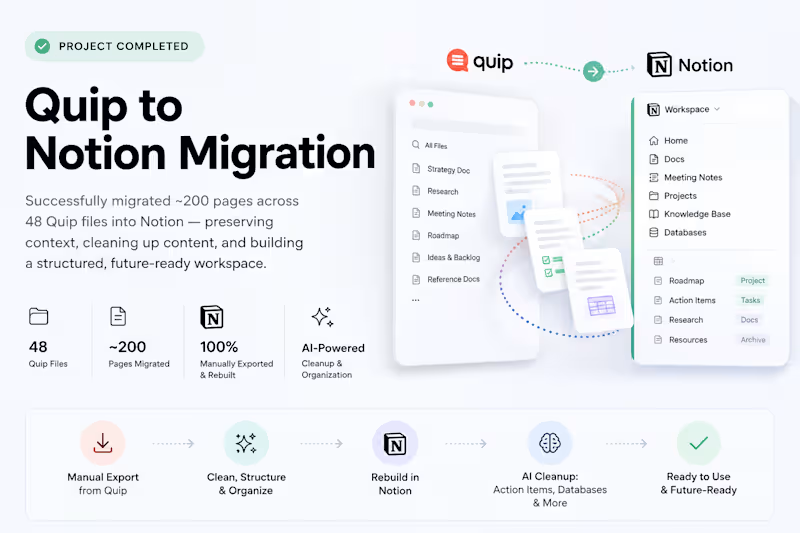
Another successful knowledge management migration completed.
This project involved migrating approximately 200 pages across 48 Quip files into Notion before Quip's sunset. Since there isn't a reliable way to automate the migration, I manually exported and rebuilt the content while preserving structure, formatting, and hierarchy.
To make the workspace more valuable than the original, I used Notion AI to organize information, extract action items, clean up documentation, and transform scattered notes into a searchable, future-ready knowledge base.
A smooth migration with zero compromise on content quality and a much better workspace for the team going forward.
3
5
694
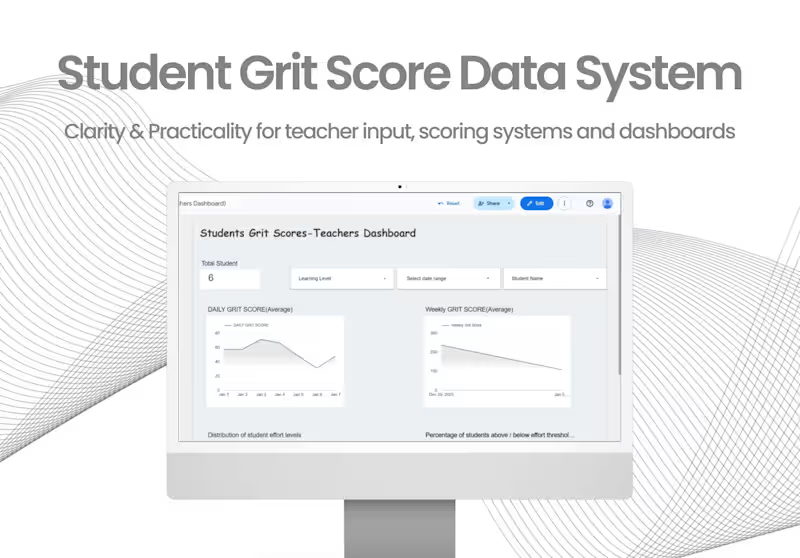
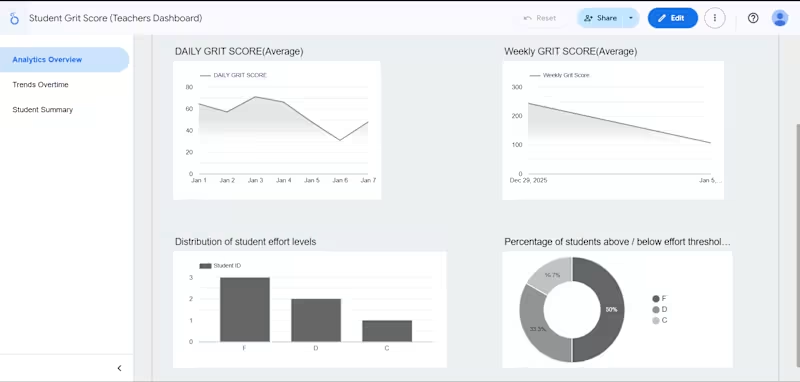
The Student Grit Score Data System is a real-time, effort-focused performance tracking system designed to replace traditional report cards with continuous feedback centered on consistency, engagement, and growth.
The system captures daily teacher-observed signals across effort, mastery, reading, and behavior, calculates a daily and weekly Grit Score, and presents insights through clear, role-appropriate dashboards for teachers and parents.
2
435

Web Designer/Developer TreyVititoe.com

Web Designer/Developer TreyVititoe.com


Web Design Studio | Brand Identity | Framer & AI Solutions

Web Design Studio | Brand Identity | Framer & AI Solutions

AI Engineer | Model Deployment | Fine-tuning | Inference

AI Engineer | Model Deployment | Fine-tuning | Inference
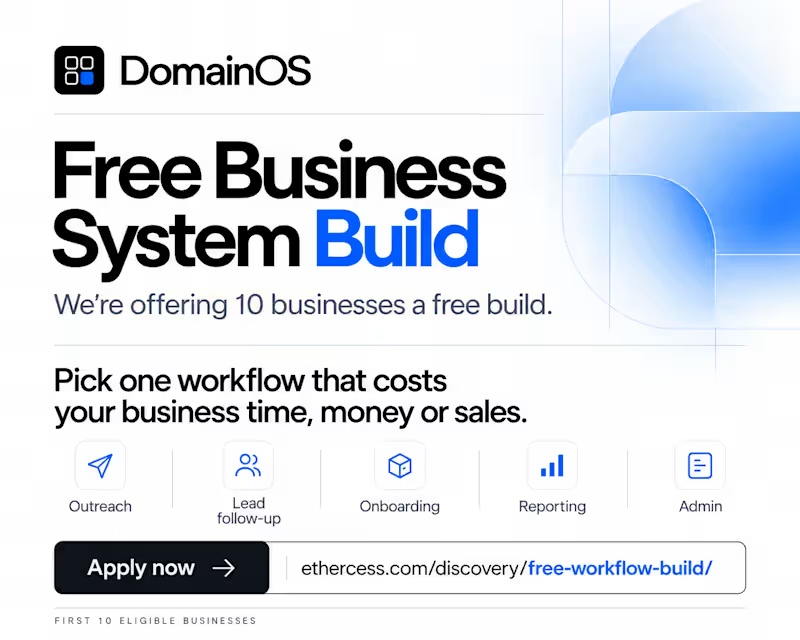
DomainOS is offering 10 businesses a free build. Pick one task that costs you time, money or sales. Got a task that costs you time, money or sales? We’ll help you fix or automate it using your existing tools, then show you how to run it. Maybe leads go cold, invoices need chasing, customer onboarding gets messy, or your team keeps doing the same work by hand.
DomainOS helps businesses automate their workflows, integrate AI agents, deploy their own open source models and manage it.
As part of our end of the year giving back to the community program. We are offering one free workflow build out to Contra community members.
Free consultation, build and handover. No obligation to buy anything.
Open to the first 10 eligible businesses. Choose the one task that matters most.
Apply here: https://ethercess.com/discovery/free-workflow-build/
We’ll be in touch within 24 hours.
0
15
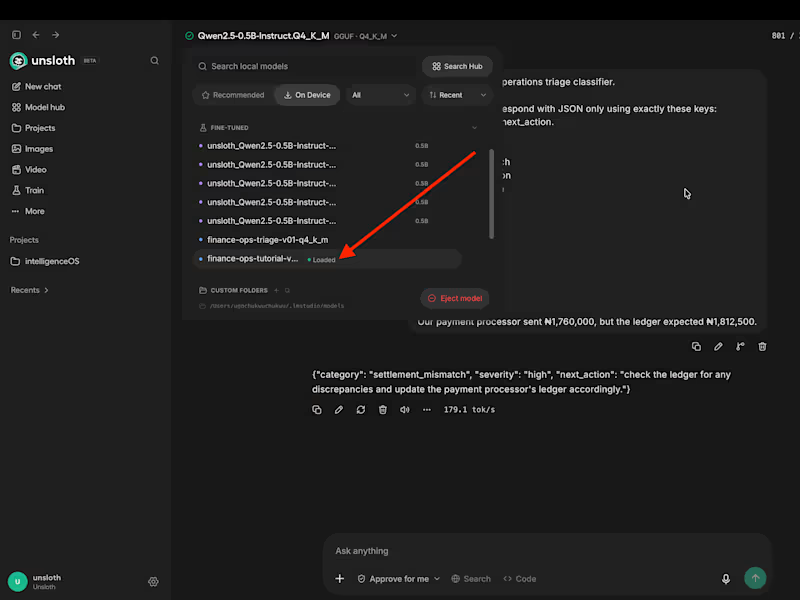
Your first fine-tune should teach you the whole loop.
I walk through it with Unsloth: data → baseline → training → evaluation → local model → Python.
Including a mistake I made—and why a completed training run doesn't mean you have a better model.
Full tutorial below 👇
https://youtu.be/YxXBojdD1as
0
316