Rive Animator for Interactive Product Experiences

Rive Animator for Interactive Product Experiences


Design studio for the New Internet

Design studio for the New Internet
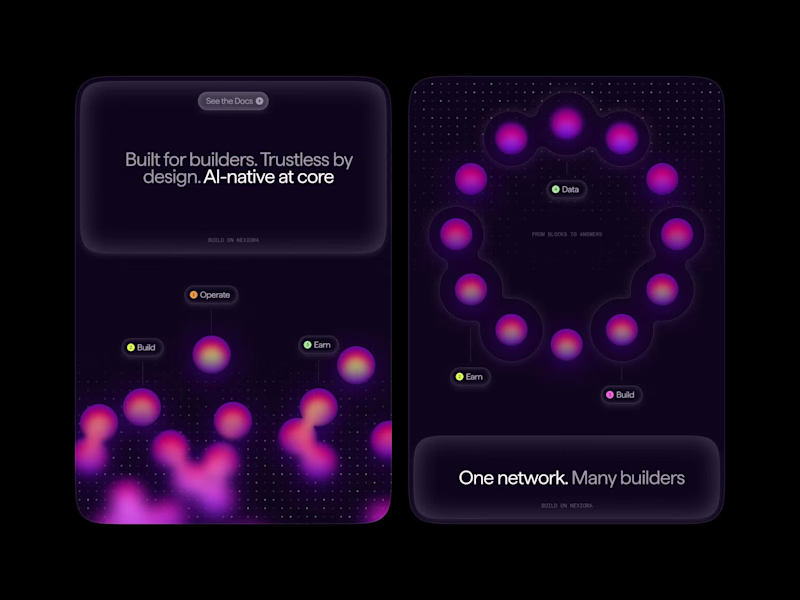
Unreleased branding concept for an AI-powered decentralised network for indexing, computing, and analytics.
The brand revolves around data particles—how information moves, transforms, and forms the system. The layout follows the same logic, built from modular blocks that reflect the product’s scalability. These particles become the core visual language: used as abstract graphics for brand mood or combined into clusters to illustrate context and interactions. A flexible identity fully rooted in the behaviour of data.
11
37
285

We were tasked with branding Quip, the world’s first worldwide quantum computer. A deeply technical product at the intersection of decentralized computing, quantum research, and post-quantum security. Our challenge was to make it resonate with both institutions and crypto-native audiences.
The idea behind Quip was ambitious. Our job was to find a metaphor that could carry it, something simple enough to become a brand, but deep enough to reward a closer look. We found it in a butterfly.
Our Design Director Arseniy walks through the whole process, from briefing and first concepts to final identity.
2
215
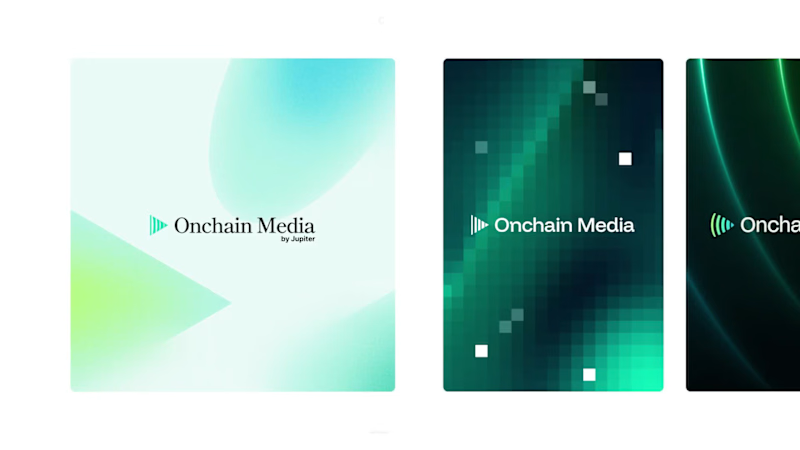
Branding for Jupiter Onchain Media
We started the identity by going wide. Several directions, each one pushing somewhere different: from editorial with serif type and muted tones to bold digital-native systems.
The goal was to build an accessible media platform — without stepping away from the core brand identity. We explored bold territories along the way.
But the strongest move was the one that stayed consistent with the core Jupiter brand. Restraint won.
The final identity for Jupiter Onchain Media is clean, confident, and built to hold up across everything it touches. We built a flexible gradient pattern system that works as background or hero graphic. This system pairs perfectly with a new logomark that nods to the original and expands the Jupiverse into media.
1
3
226

Branding & Creative Direction

Branding & Creative Direction

Brand strategy, visual identity and Framer websites.
- $1k+
- Earned
- 3x
- Hired
- 5.0
- Rating
- 49
- Followers
Brand strategy, visual identity and Framer websites.


Let your reputation catch up with your work
Let your reputation catch up with your work


Brand Designer - Graphic Design Expert
Brand Designer - Graphic Design Expert



Brand Designer • Graphic Designer • Art Director
- $1k+
- Earned
- 1x
- Hired
- 27
- Followers
Brand Designer • Graphic Designer • Art Director



Brand & Web Designer for Startups and Creatives

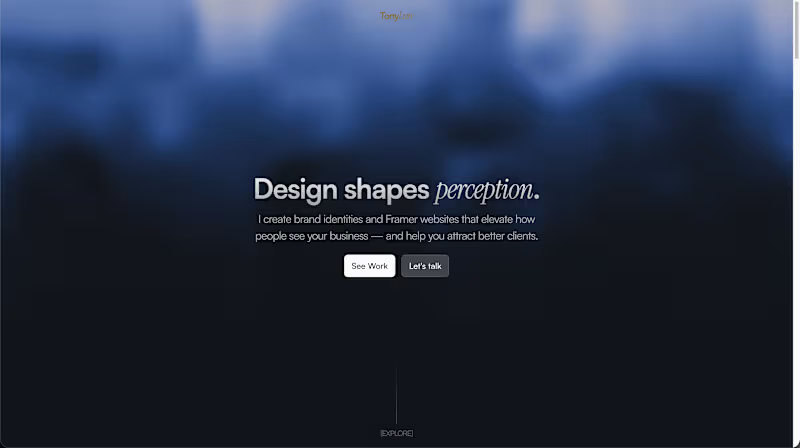
A few months ago, I lost a potential client because I didn't know Framer. They needed a website built on the platform, and I had to admit I'd never used it. That rejection stung, but it was the wake-up call I needed.
From that day forward, I dove into Framer. Started with practice projects for my partner and a friend who needed websites. Nothing fancy, just learning by doing.
Fast forward to today, here's my new site: https://www.tonylure.com/
Could I keep tweaking it forever? Absolutely. Will I ever feel it's 100% perfect? Probably not. But I've learned that "done is better than perfect" isn't just a saying – it's survival.
As creatives, we're wired to see every flaw, every detail that could be better. But sometimes you have to ship despite that inner voice.
How do you deal with perfectionism in your work?
8
23
331