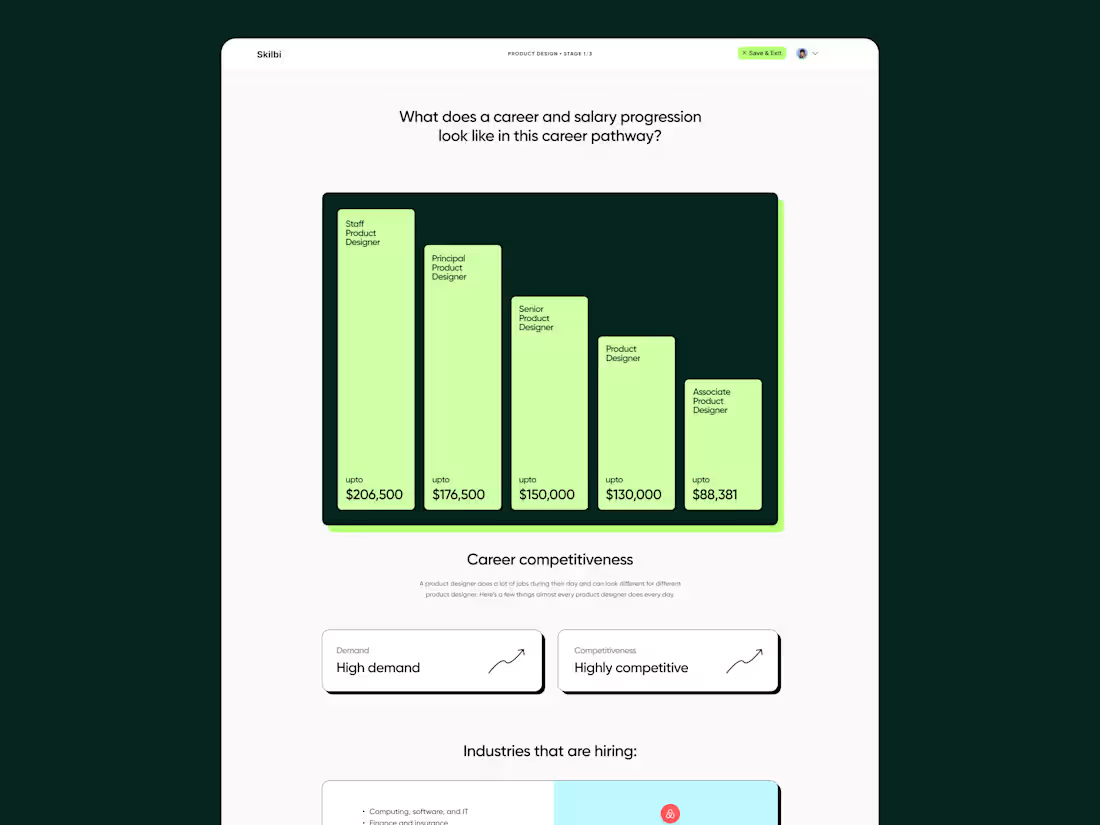
I had a client who created an AI-powered job application product.
I designed it from 0 -> 1, but I saw a bottleneck in their business model.
They had a paywall at the end of onboarding.
That blocked users from seeing/experiencing the product.
So, I told them to change it to a freemium style, letting users see the value, but gating features.
Users could create resumes and cover letters, but couldn't use functions like 'auto-applying' to jobs.
Weeks later, they saw more subscribers.
Seeing value = better conversions.
I was hired to design a product, but ended up redesigning their business too.
That's the shift that makes us irreplaceable:
From a designer to a design partner.
1
25
194
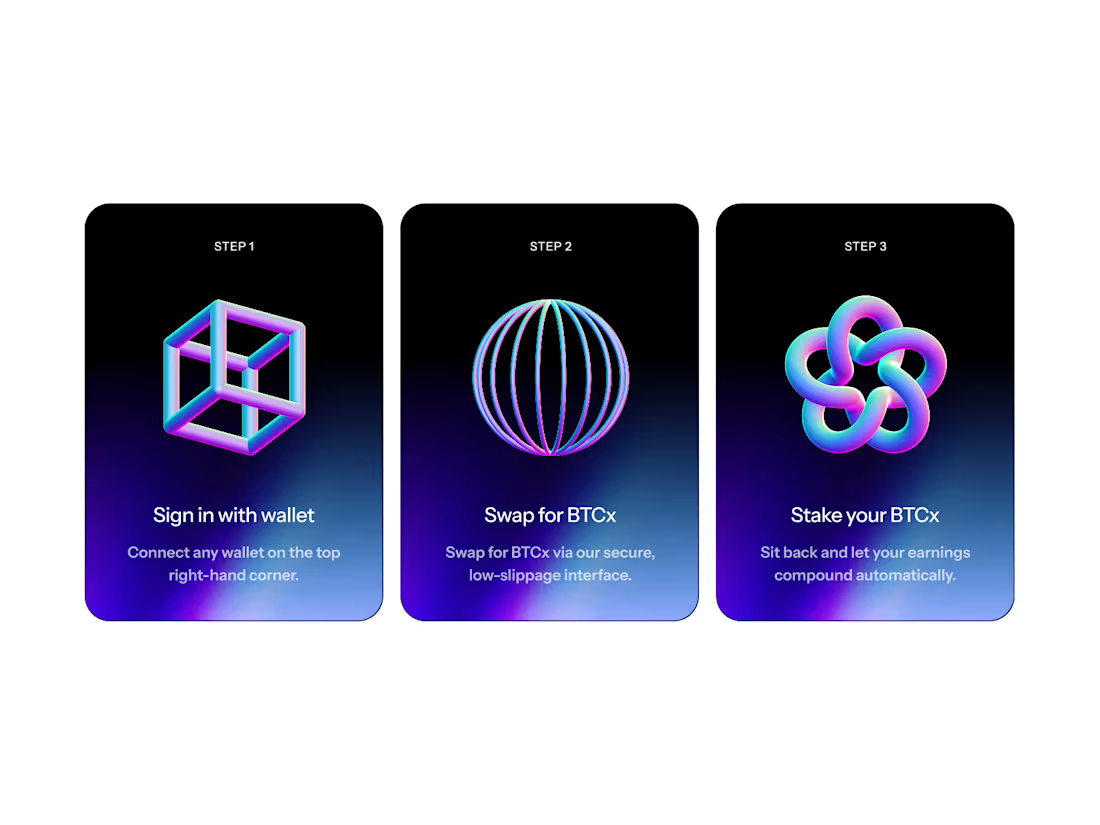
One of my most recent full-stack project for a web3 lending platform, Echelon Market.
For Echelon, I completed the following:
1. Branding
2. Visual design
3. UX and design system
Currently working with the team to build a lot of exciting features for their platform!
1
90
Here's how I design for my clients:
1. Strategy calls with clients:
First, I need to understand their business goals, target audience and the project's goals
2. Research:
I dive deep into research on their user persona to find their biggest pain points, motivations, behaviours, etc.
Then I move into competitor analysis to see what's working and what's not
3. Create user flows:
Before I start design, I lock in the user journey. If I see any friction points, it's easier to fix them now.
4. Visual design
High fidelity designs, design system, asset creation, etc
5. QA and usability
Lastly, I validate that designs work across devices, load quickly and that users can do what they came there to do.
In every step, I keep the stakeholders involved.
Their feedback is invaluable to progress fast and is aligned with their vision.
3
69
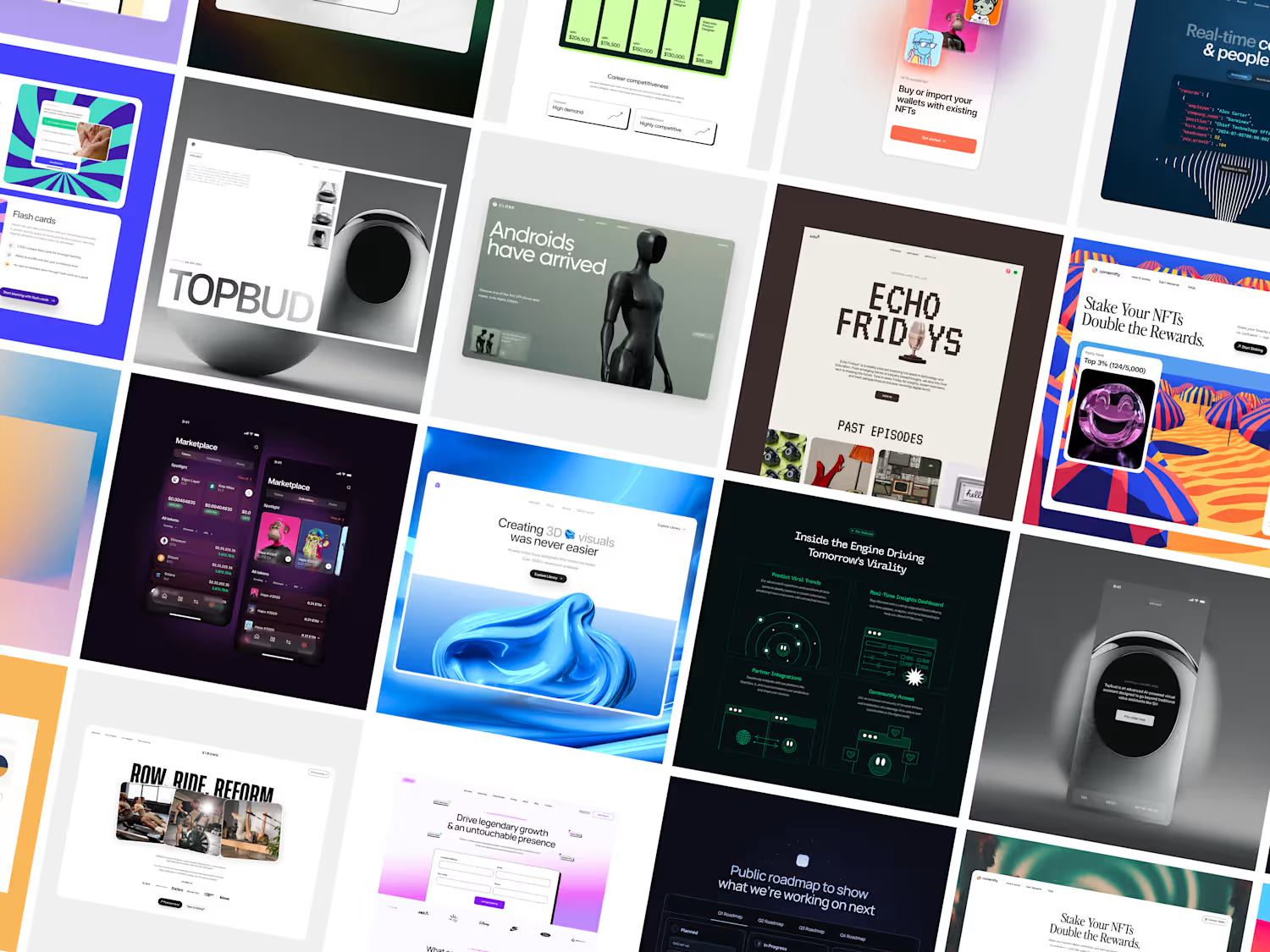
Some of my recent web design client work ⭐️
16
154
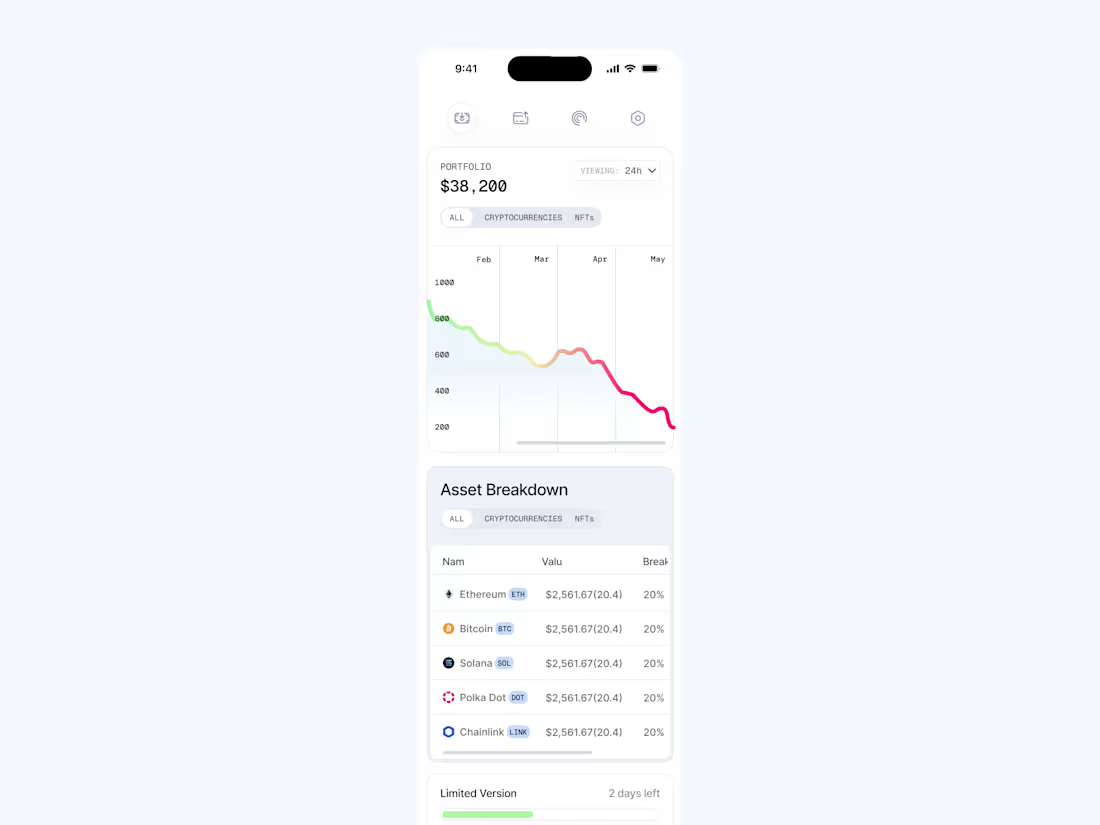
Currently working with a few B2C products, and one thing’s clear, if you’re selling to consumers, you need to be on mobile.
Desktop-first teams always say “we’ll fix mobile later.”
But later never comes.
Your users aren’t sitting at a desk, they’re scrolling on their phones.
When we design mobile-first, we’re not shrinking layouts we’re designing for how people actually use your product, standing in line, half-asleep, one hand free.
If you’re building for consumers and your product isn’t mobile-first, you’re already losing half your users before they even start.