

























How can I share my project needs clearly?
Start by writing down what you need for your graphic design project. Be specific about styles, colors, and the message you want your design to send. Share examples if you have them. This helps the designer understand what you're looking for.
What should I include in a project brief?
A project brief should include the project's goals, your audience, and any specific designs you like. Mention deadlines and what files you'll need in the end. It's like a roadmap for your designer.
How can I check a designer’s style matches my project?
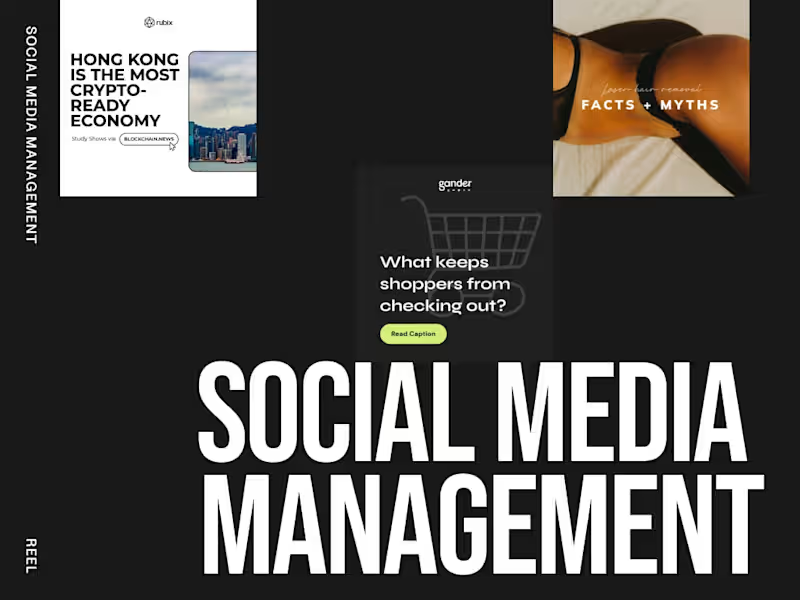
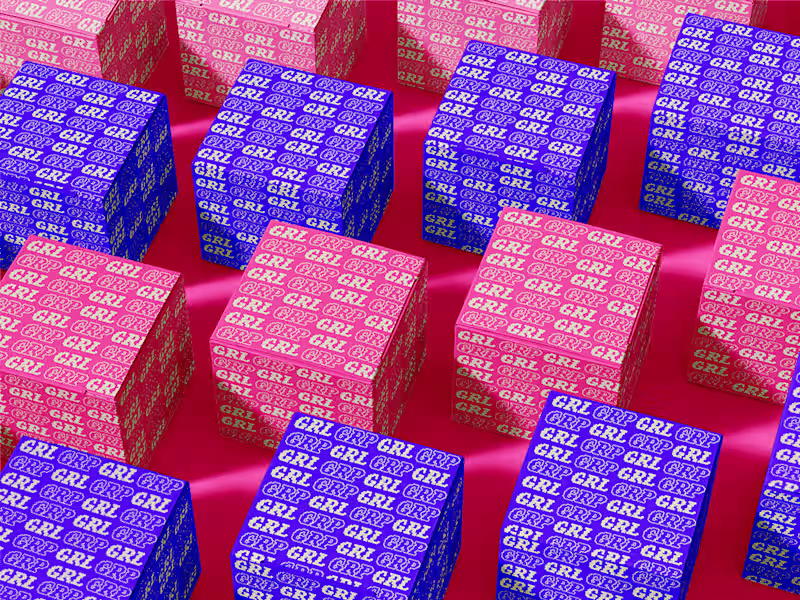
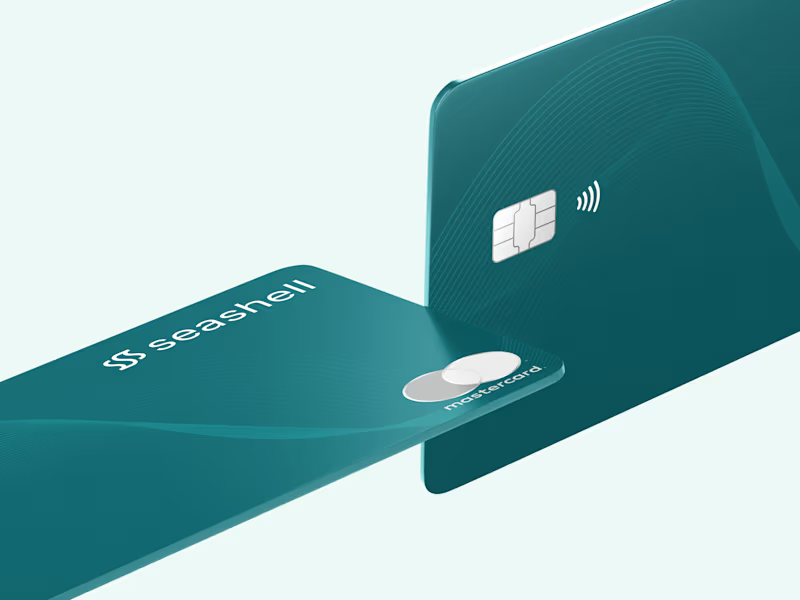
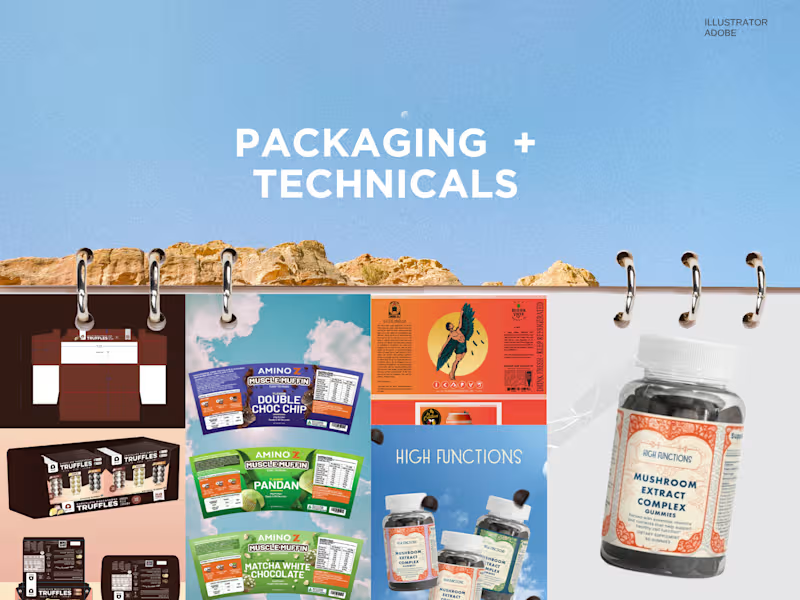
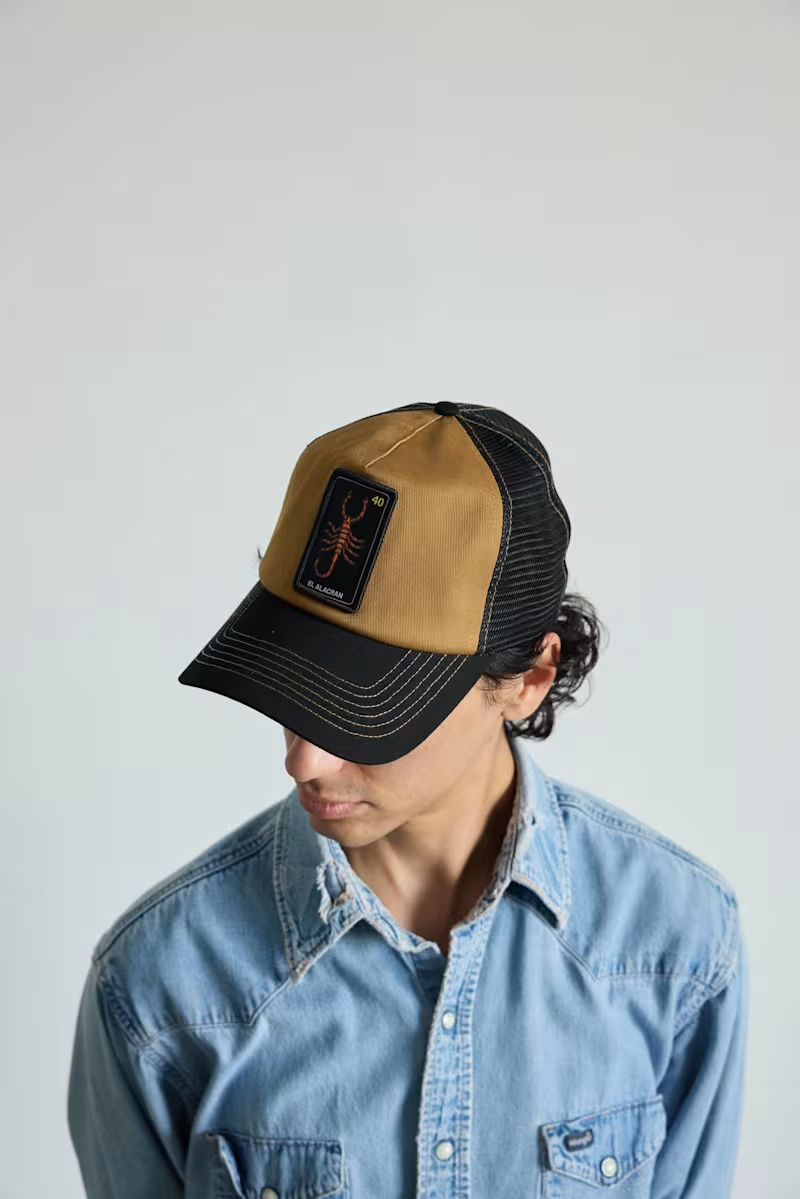
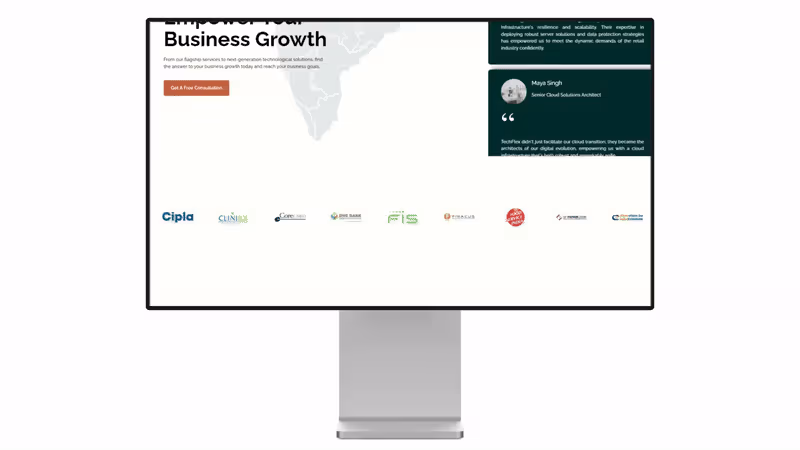
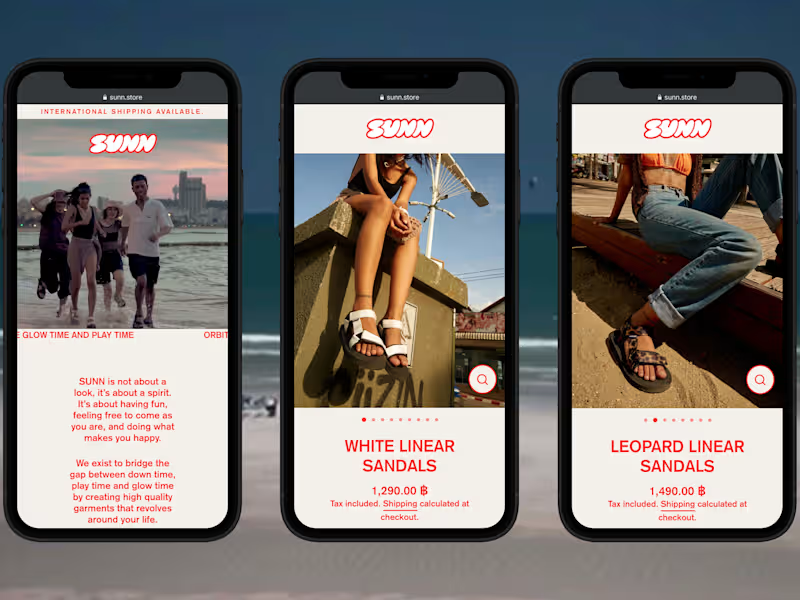
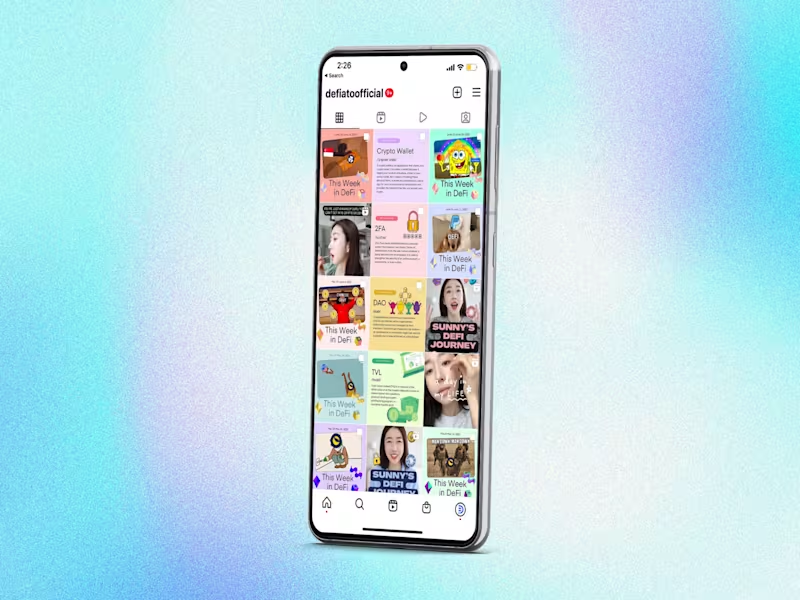
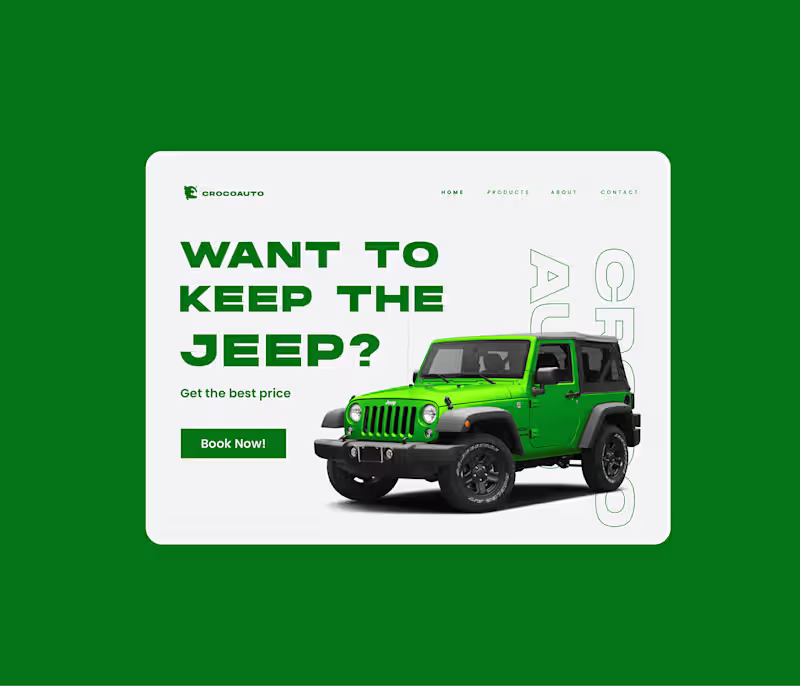
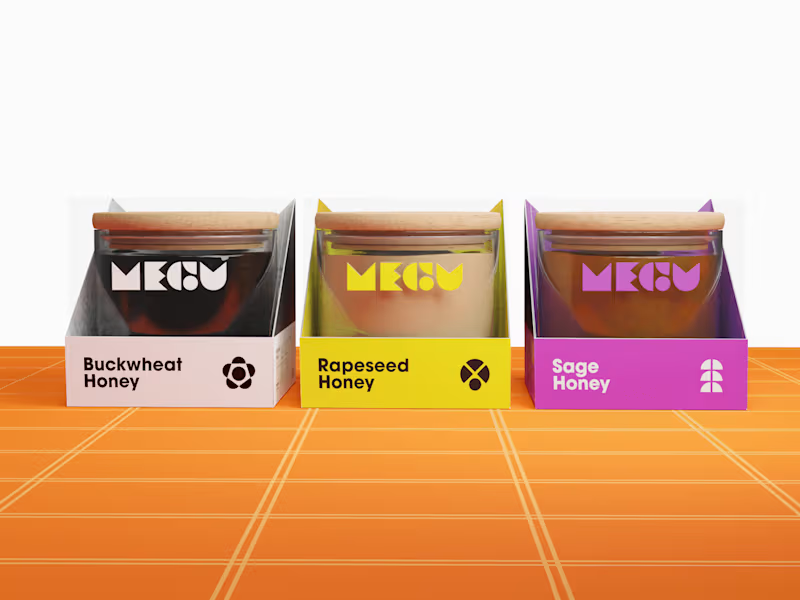
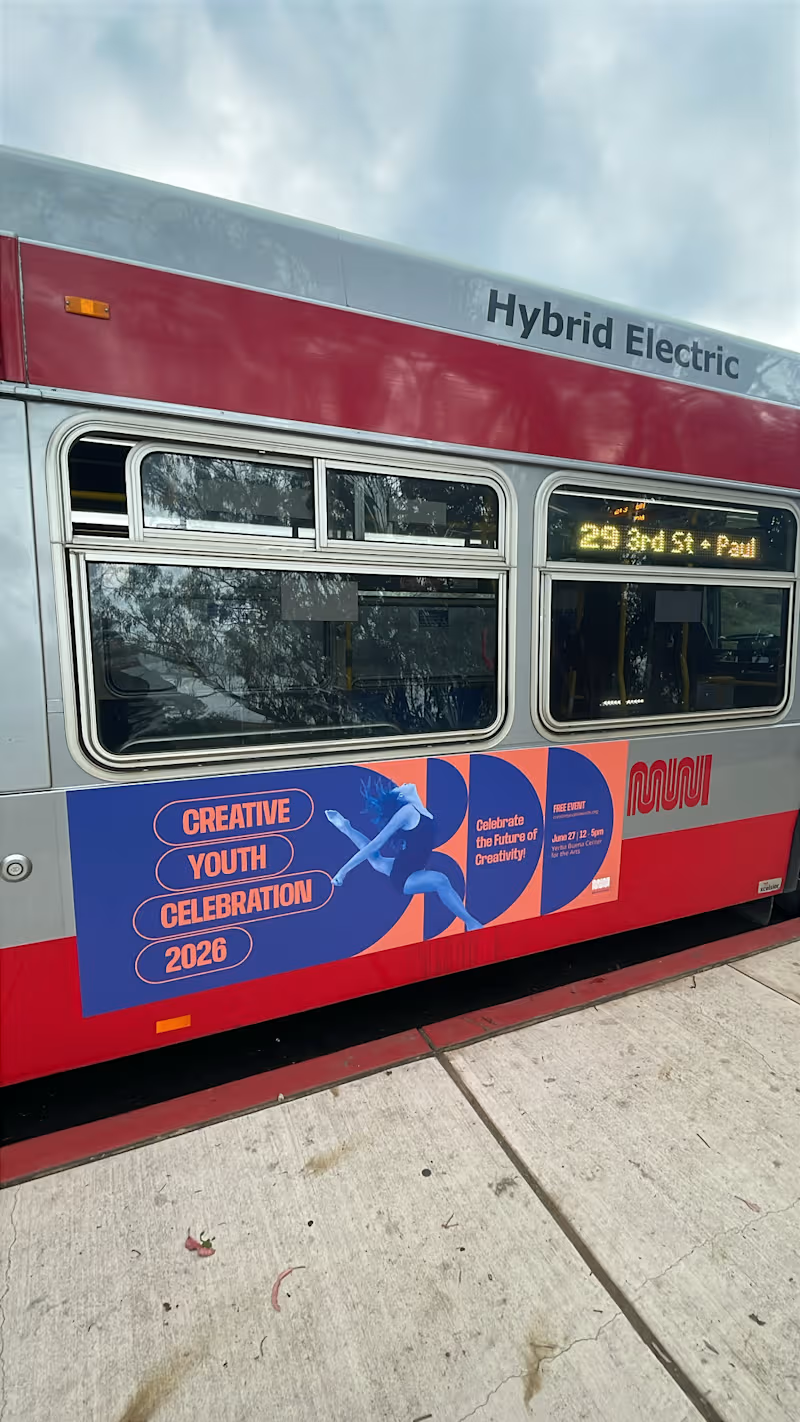
Look at the designer’s past work. Check their portfolio to see if their style fits your vision. If their previous designs match your needs, they may be a great fit for your project.
How many revisions should I plan for?
Think about how many times you might need to change the design. Tell the designer at the start. This way, they can plan their work better, and you'll both know what to expect.
What does a typical design process look like?
A designer usually starts with a draft, then makes changes after you give feedback. They'll keep you updated with progress, so you can make suggestions. Agree on important steps like drafts, revisions, and final delivery.
How do I set a realistic deadline for my project?
Consider how detailed your project is and talk to the designer about their schedule. Be sure to ask how long similar projects have taken. This way, the designer has enough time to give you their best work.
What should I expect in the final design deliverables?
Discuss what file types you need for your project, like JPEG or PNG. Tell the designer if you need print-ready files. Knowing what you'll receive at the end helps avoid surprises.
How can I ensure smooth communication with a freelancer?
Agree on how you'll talk, like through email or chat. Set times to check in on the project. Good communication helps keep the project on track and makes sure everyone is happy.
What details should I clarify regarding the project's timeline?
Talk about when the project should start and finish. Break down the timeline into smaller deadlines for drafts and feedback. Clear timelines help the designer plan their work well.
Why is understanding a designer’s previous work important?
Looking at a designer's past work can show you their strengths and skills. You'll know if they can create what you envision. This insight helps you pick a designer who fits your project's needs.
Who is Contra for?
Contra is designed for both freelancers (referred to as "independents") and clients. Freelancers can showcase their work, connect with clients, and manage projects commission-free. Clients can discover and hire top freelance talent for their projects.
What is the vision of Contra?
Contra aims to revolutionize the world of work by providing an all-in-one platform that empowers freelancers and clients to connect and collaborate seamlessly, eliminating traditional barriers and commission fees.