Patagonia Shopify Store Built for Scale & Reliability

Anush | Foundrline
Verified


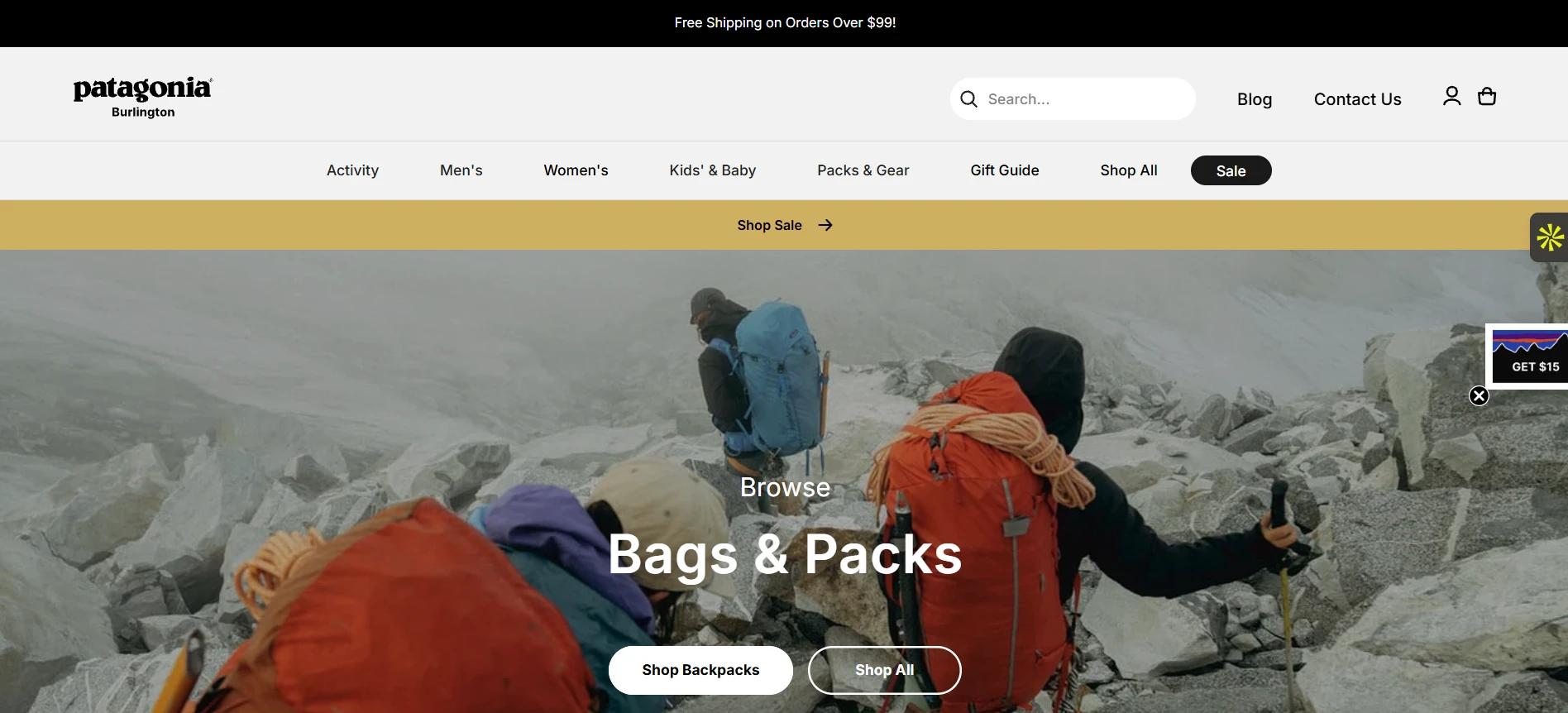
Patagonia Burlington
Shopify Store Development Built for Scale, Reliability & Brand Integrity
Snapshot
Built a production-ready Shopify storefront that translated Patagonia’s finalized design system into a stable, scalable, and operationally dependable commerce experience.
Client
Patagonia Burlington
Industry
Outdoor Apparel & Gear / Ecommerce
Platform
Shopify
Audience
Outdoor enthusiasts, athletes, travelers, families, and Patagonia customers shopping across mobile and desktop
Scope
Shopify Development
Liquid Architecture
Responsive Frontend Development
Theme Customization
Performance Optimization
Commerce Functionality Integration
QA & Launch Readiness
Challenge
Translate finalized Figma designs into a production-ready Shopify storefront without compromising brand consistency, operational reliability, or long-term maintainability.
Outcome
Delivered a scalable and technically stable Shopify store aligned with Patagonia’s visual standards while remaining flexible for real-world ecommerce operations and internal team management.
The Challenge
This project wasn’t about inventing a visual direction.
Patagonia already had:
A finalized Figma design system
Clear brand standards
High expectations around consistency and execution
The challenge was implementation quality.
The store needed to feel:
Visually disciplined
Technically dependable
Operationally stable
Easy to manage internally
Without overengineering the platform or creating unnecessary maintenance complexity.
The risk wasn’t creative uncertainty.
It was execution failure.
Because with brands operating at Patagonia’s level, small inconsistencies compound quickly:
Broken responsiveness
Fragile layouts
Poor mobile behavior
Hardcoded sections
Unstable cart logic
Theme structures that become difficult to maintain
The goal was not simply to “launch a Shopify store.”
It was to build something production-ready that could hold up under real usage, traffic, and operational demands.
Where The Risk Was
The project carried a different kind of complexity than most Shopify builds.
The challenge wasn’t figuring out what to design.
It was translating approved designs into code without erosion.
That required balancing:
Brand fidelity
Shopify flexibility
Long-term maintainability
Performance
Real commerce behavior
Without making the system fragile.
There were several risks that needed to be avoided.
1. Overengineering the Storefront
Many custom Shopify builds become difficult to manage because they rely on excessive customization too early.
That creates:
Maintenance overhead
Theme instability
Slower performance
Developer dependency
The build needed to stay scalable without becoming bloated.
2. Commerce Logic Needed to Work Reliably
The store wasn’t being evaluated on visuals alone.
Real ecommerce reliability mattered.
Including:
Product variant handling
Cart behavior
Checkout consistency
Inventory logic
Customer accounts
Shipping and tax workflows
These systems needed to feel predictable and stable under real customer usage.
3. Mobile Experience Couldn’t Be Treated as Secondary
A large portion of ecommerce traffic happens on mobile.
Which meant mobile performance and usability needed to be treated as first-class constraints from the start.
Not responsive cleanup afterward.
4. Internal Team Usability Mattered
The store also needed to work operationally for Patagonia’s internal team.
Meaning content updates, collection management, and merchandising workflows had to remain manageable without ongoing developer involvement.
Maintainability became part of the product.
Strategic Approach
1. Preserved Design Fidelity Without Overengineering
Rather than rebuilding everything from scratch, the store was developed using a stable Shopify theme foundation extended with custom Liquid sections only where necessary.
This approach helped:
Preserve design intent
Maintain Shopify-native flexibility
Improve long-term maintainability
Reduce unnecessary technical debt
The goal was disciplined customization.
Not complexity for its own sake.
2. Built for Real Commerce Operations
Development decisions were made around actual ecommerce behavior rather than static visual presentation.
Including:
Predictable variant selection flows
Stable cart interactions
Scalable inventory handling
Functional customer account experiences
Integrated payments, shipping, and tax logic
The objective was operational reliability.
Not just polished screenshots.
3. Treated Mobile as a Core Experience
Mobile optimization influenced layout and interaction decisions from the beginning.
Including:
Simplified navigation structures
Improved thumb-reach usability
Better content hierarchy for smaller screens
Performance optimization for mobile networks
This ensured the storefront performed well where most customer interaction actually happens.
4. Built Maintainability Into the System
The storefront was structured so Patagonia’s team could:
Edit content safely
Reorder sections easily
Scale collections and products cleanly
Manage merchandising without layout breakage
This type of work is often invisible.
But it’s critical for long-term ecommerce sustainability.
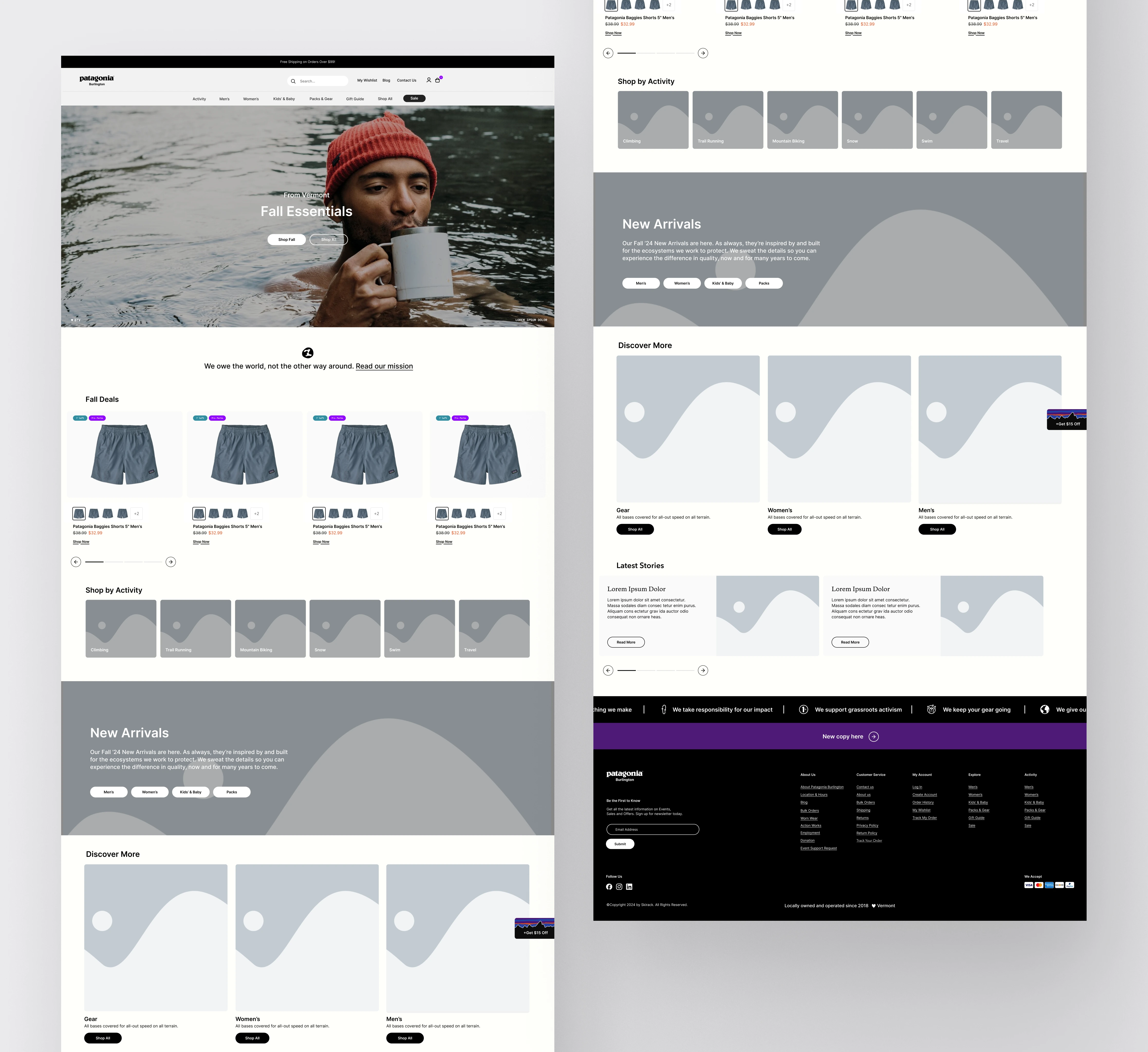
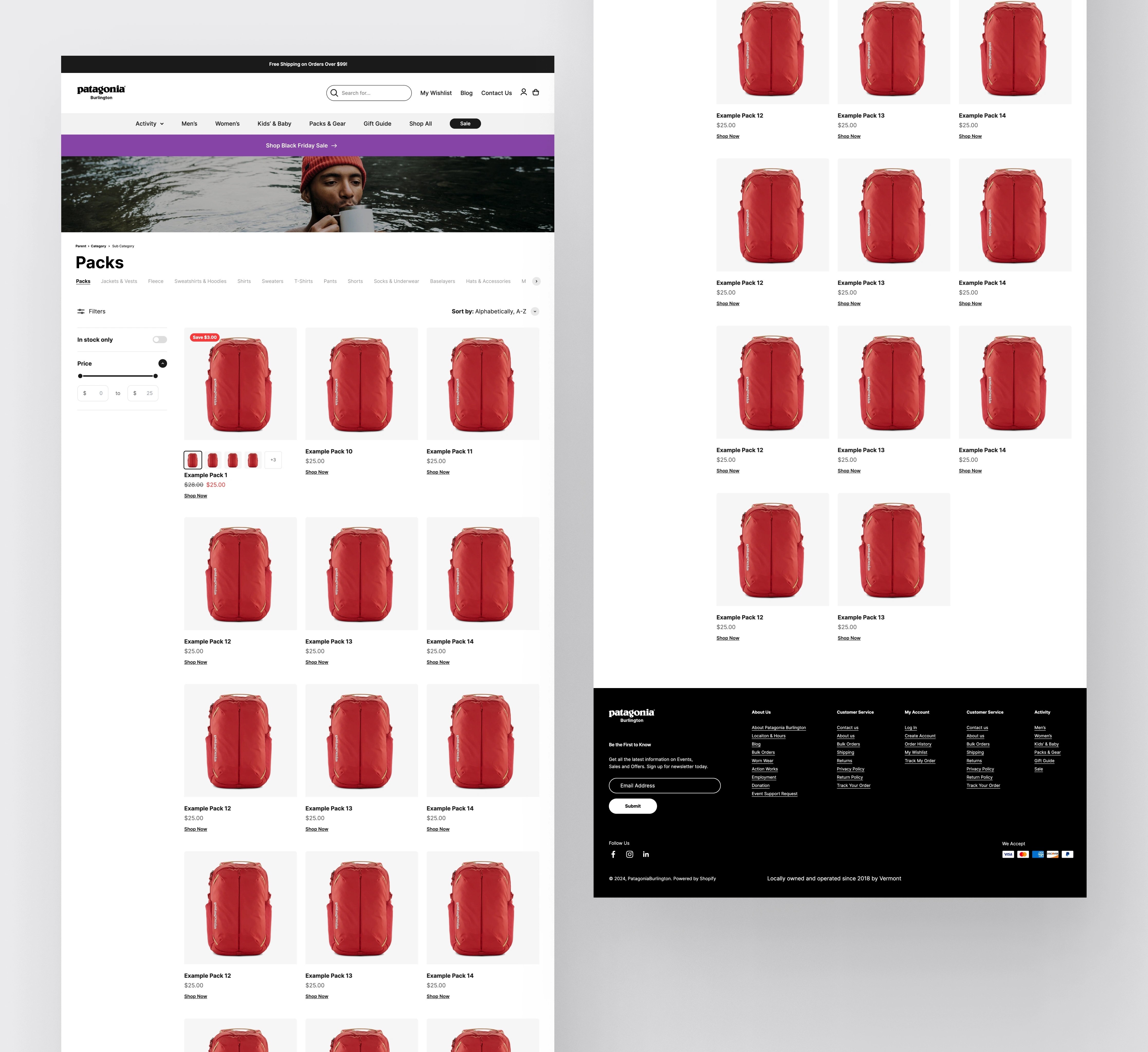
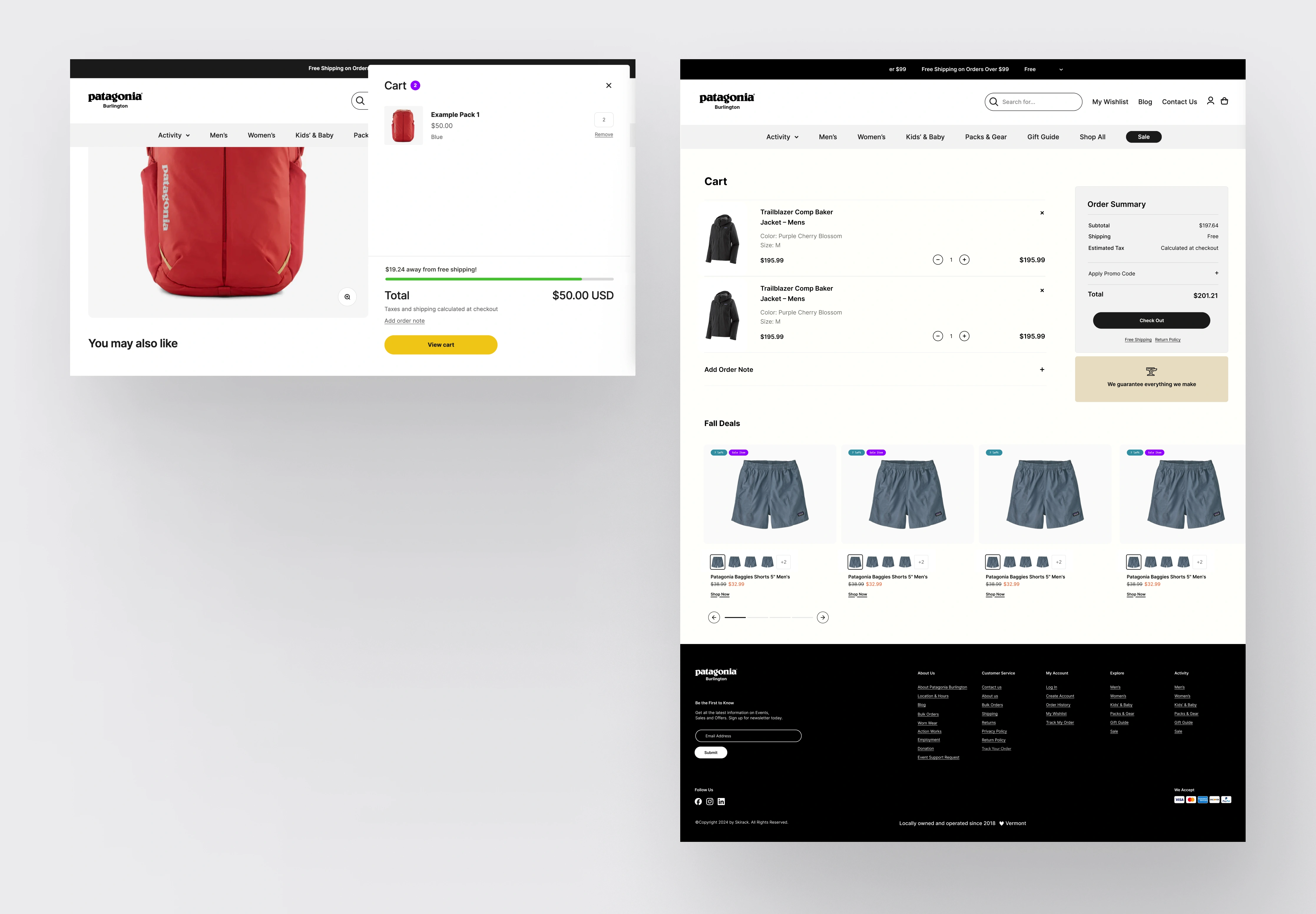
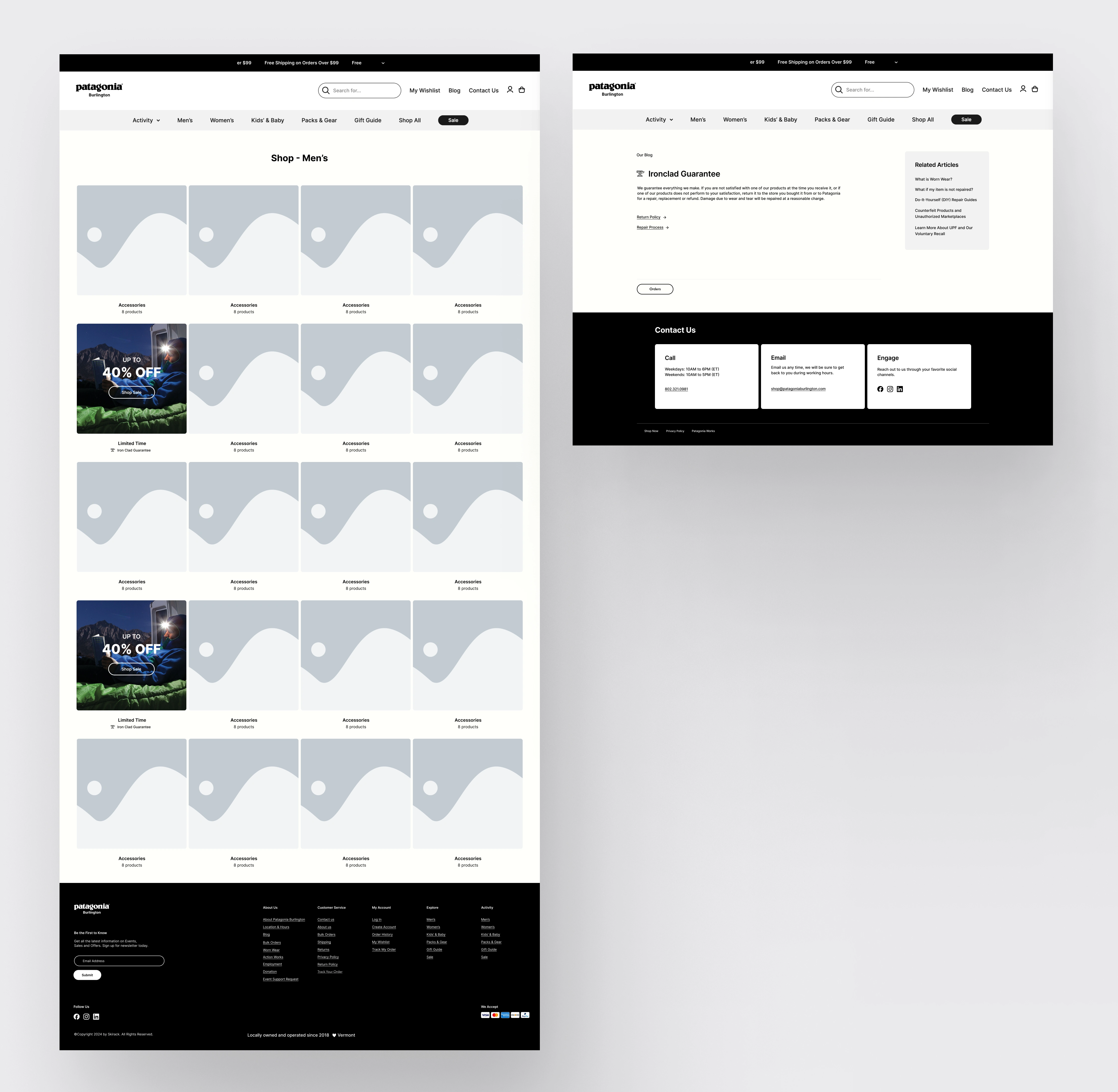
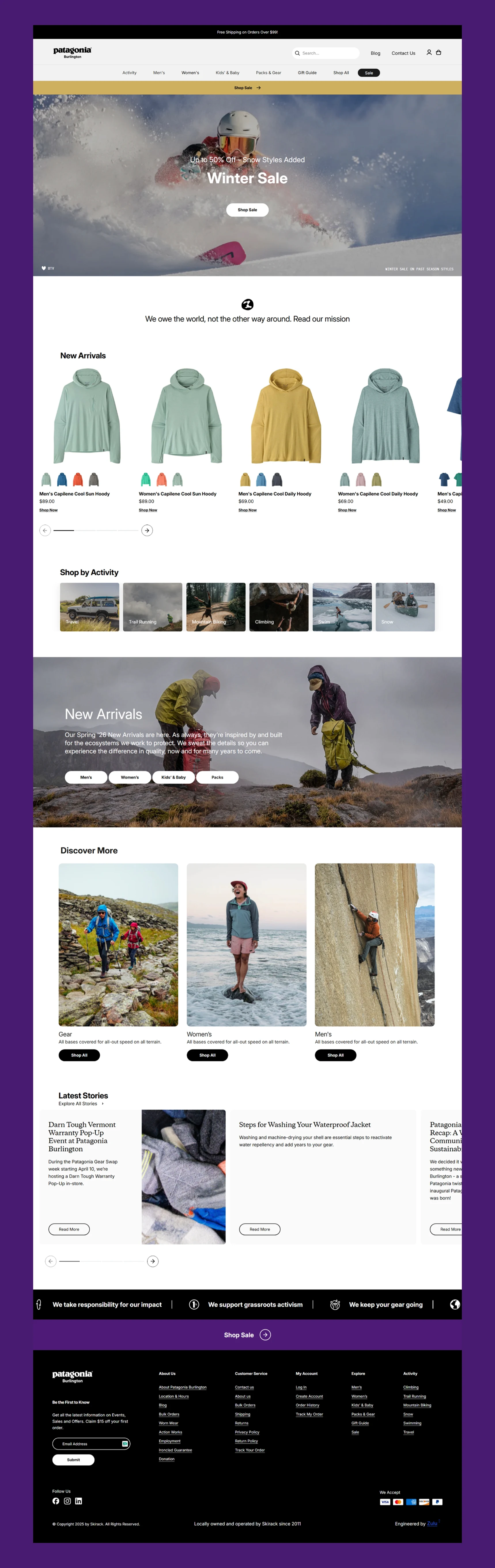
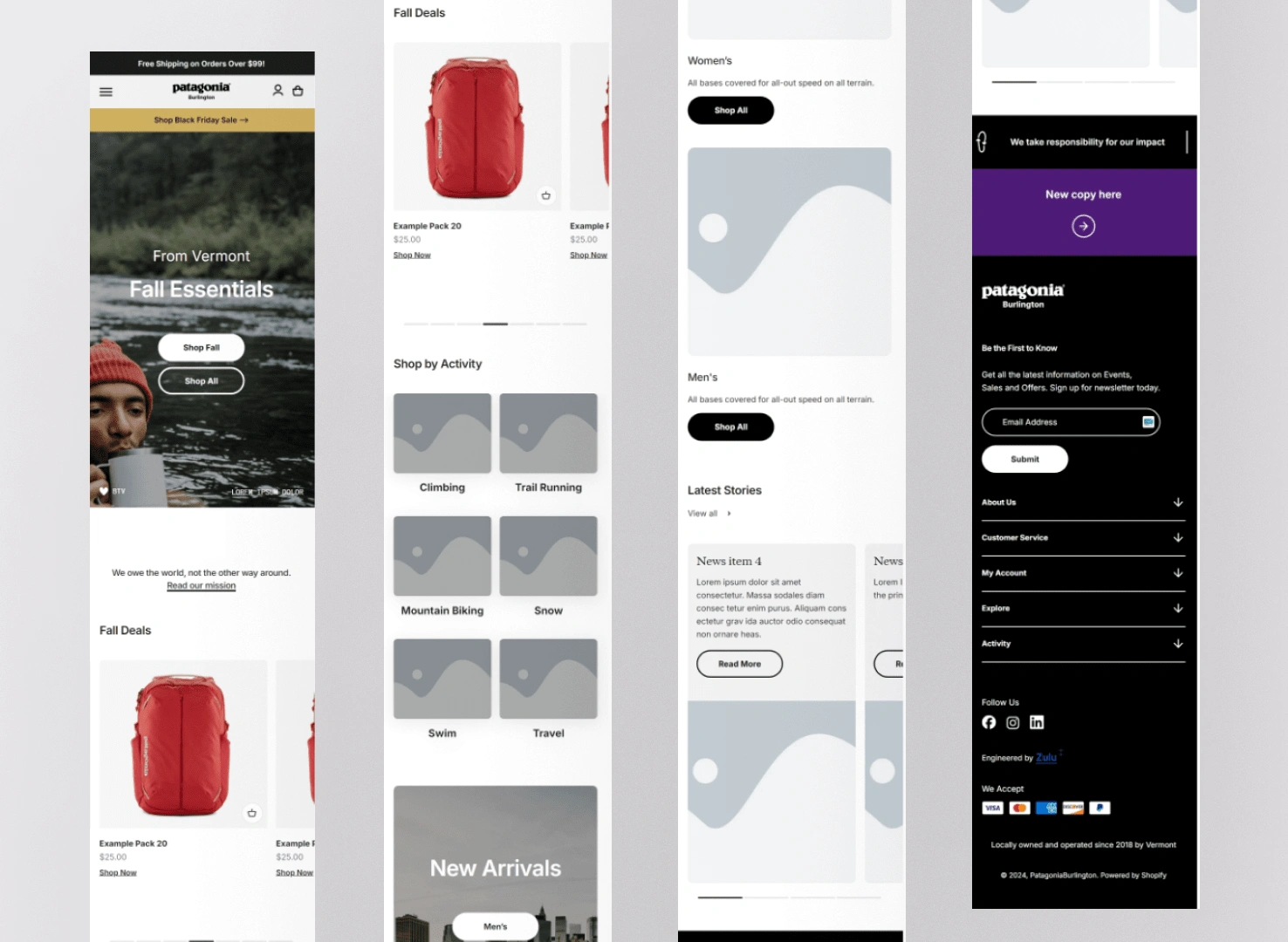
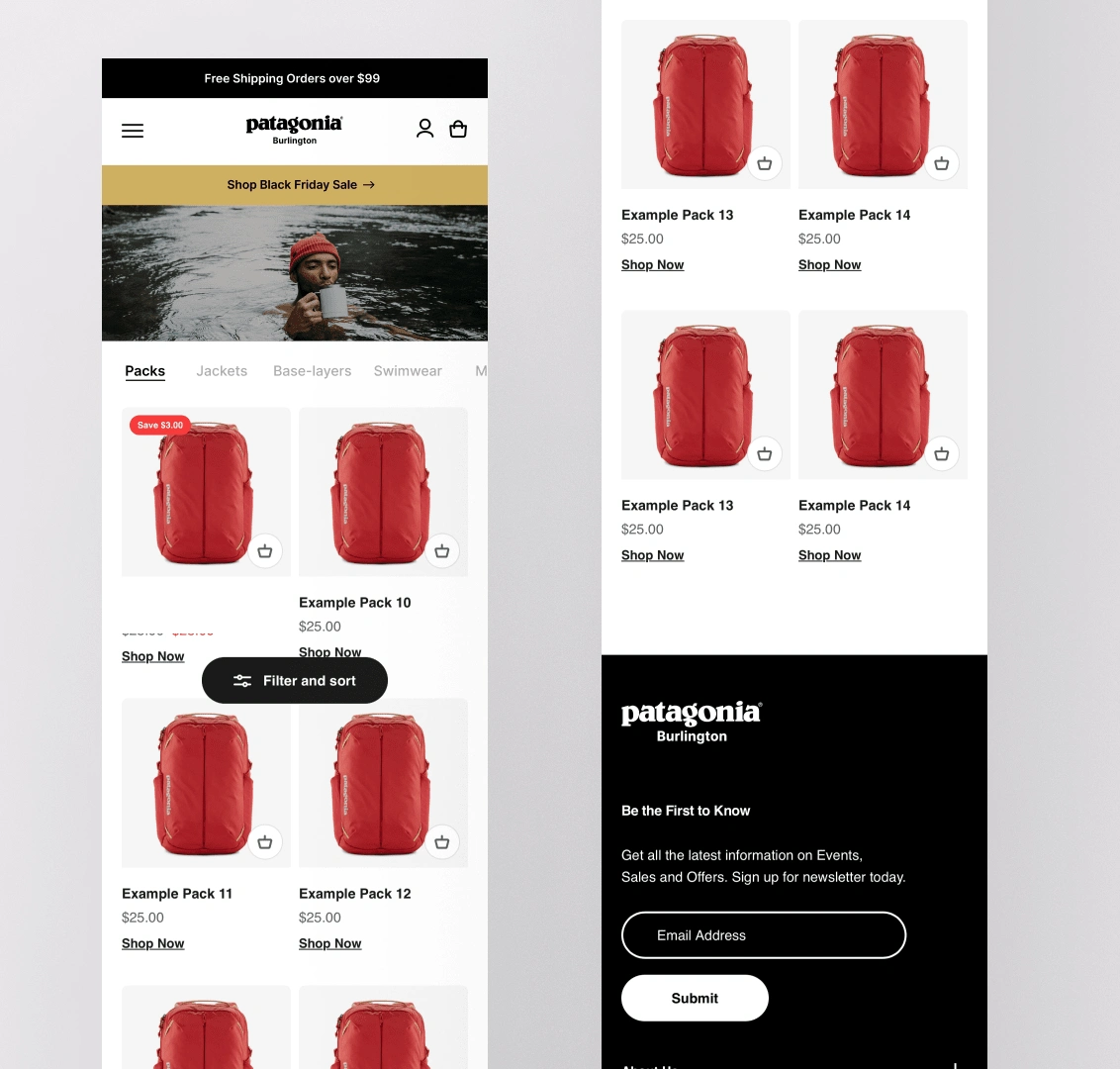
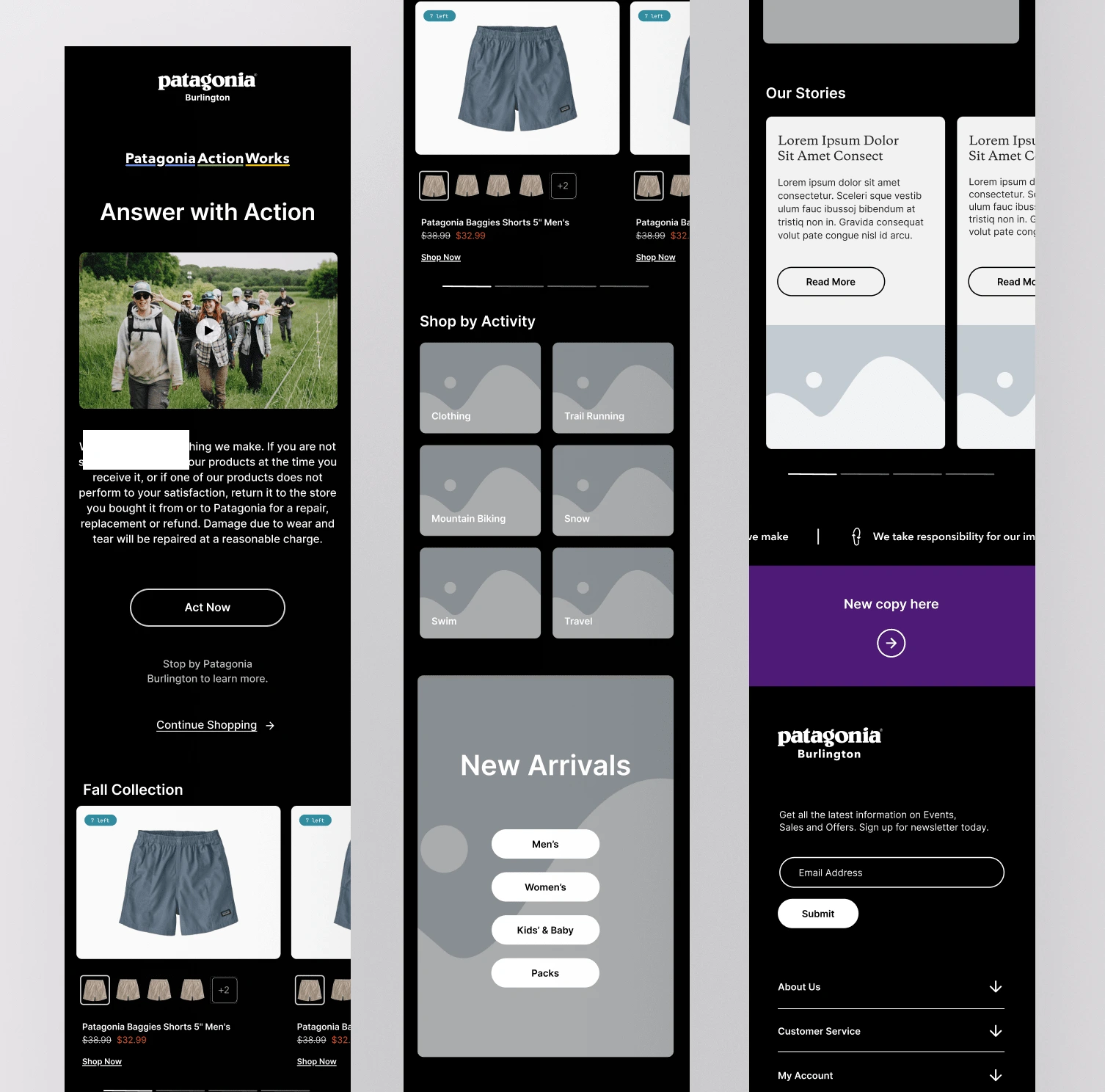
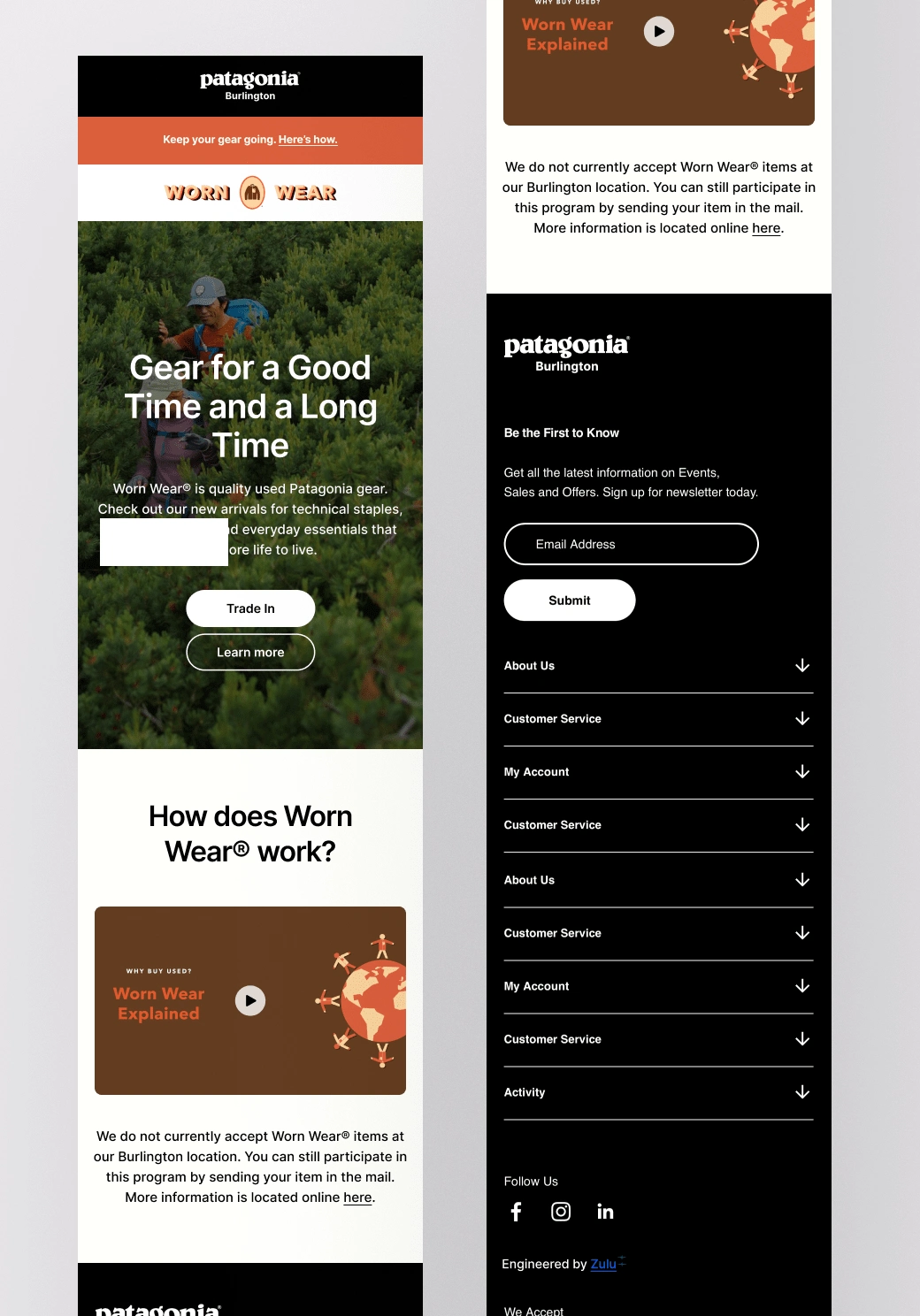
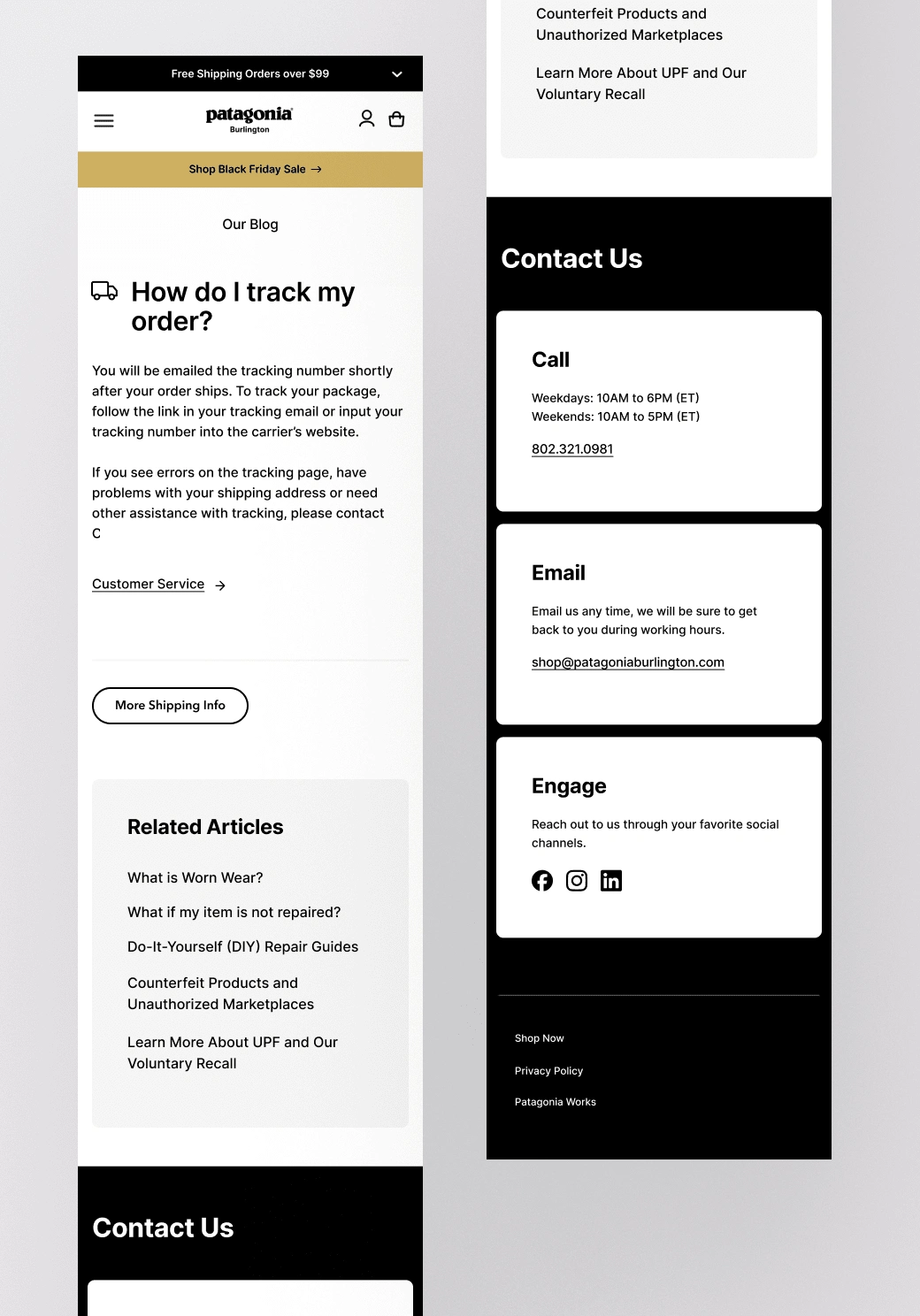
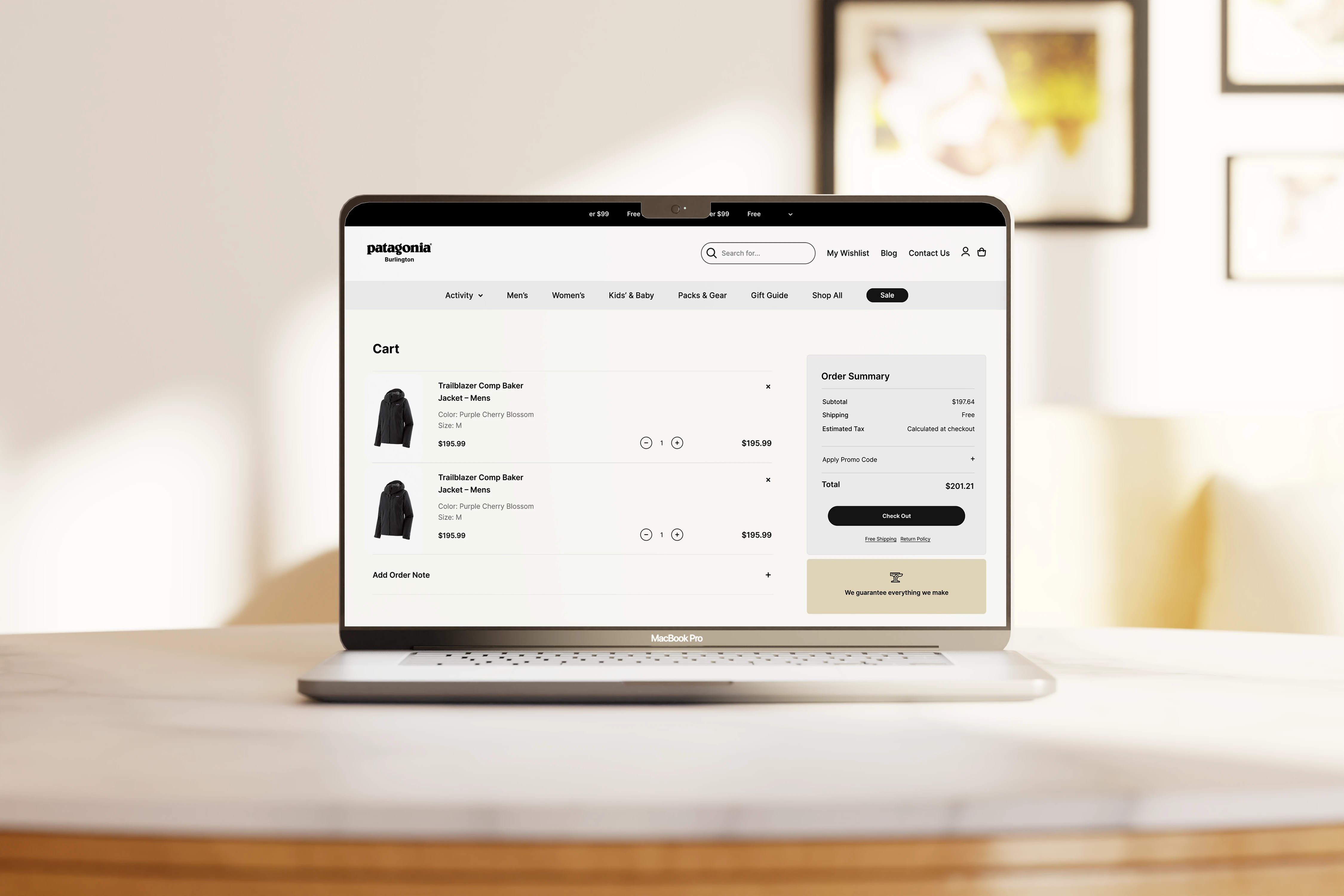
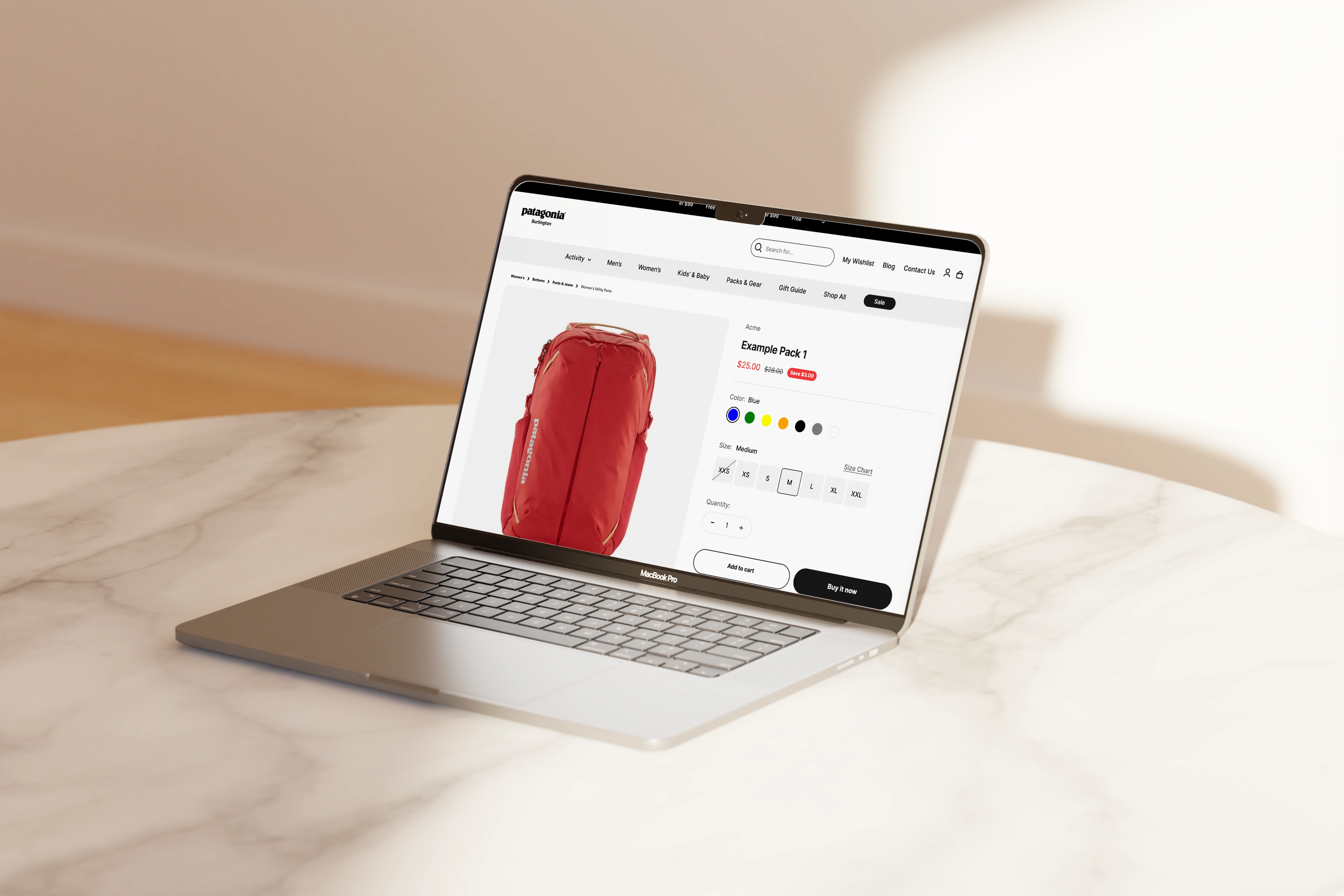
Mobile UI Design
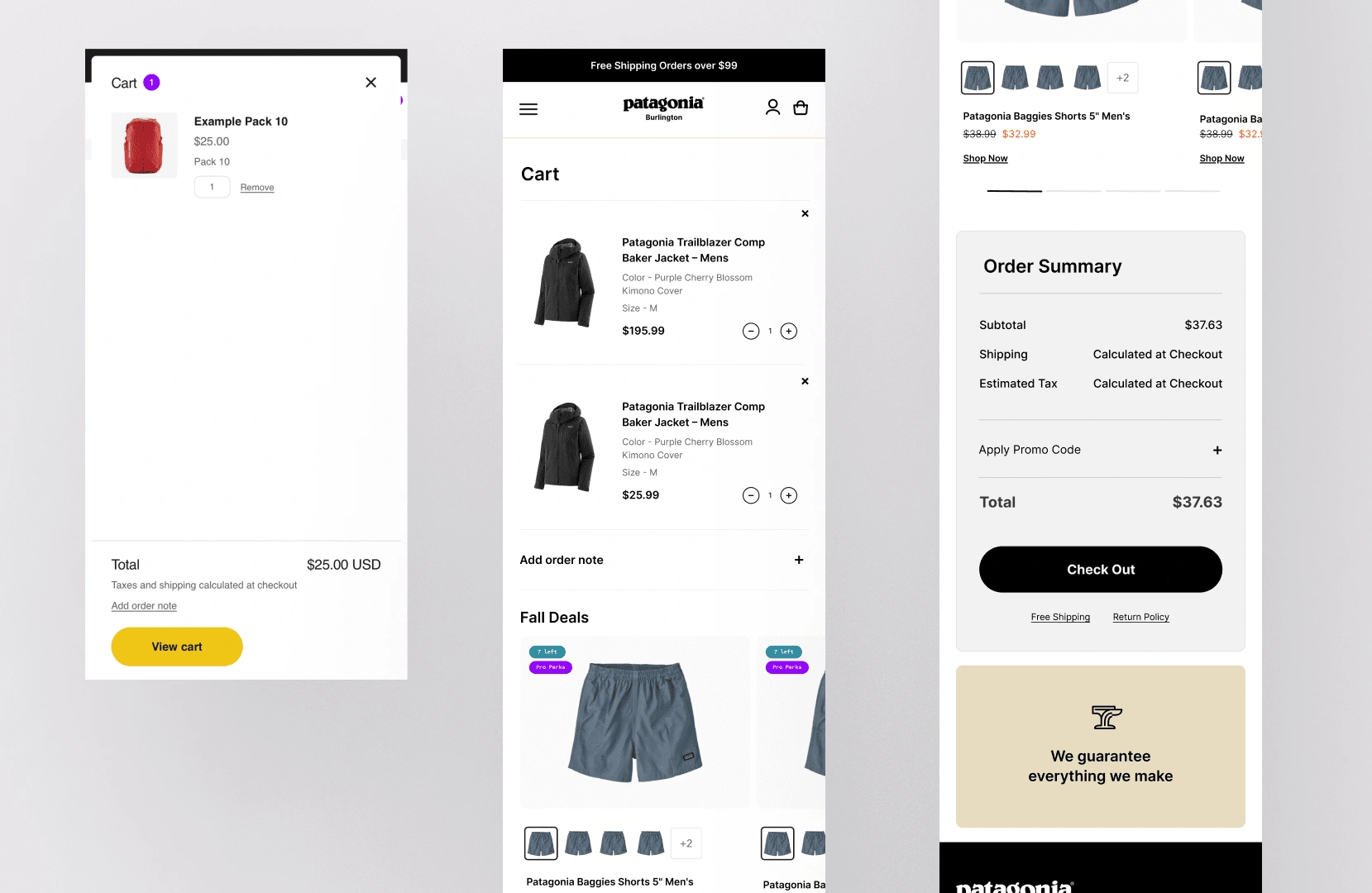
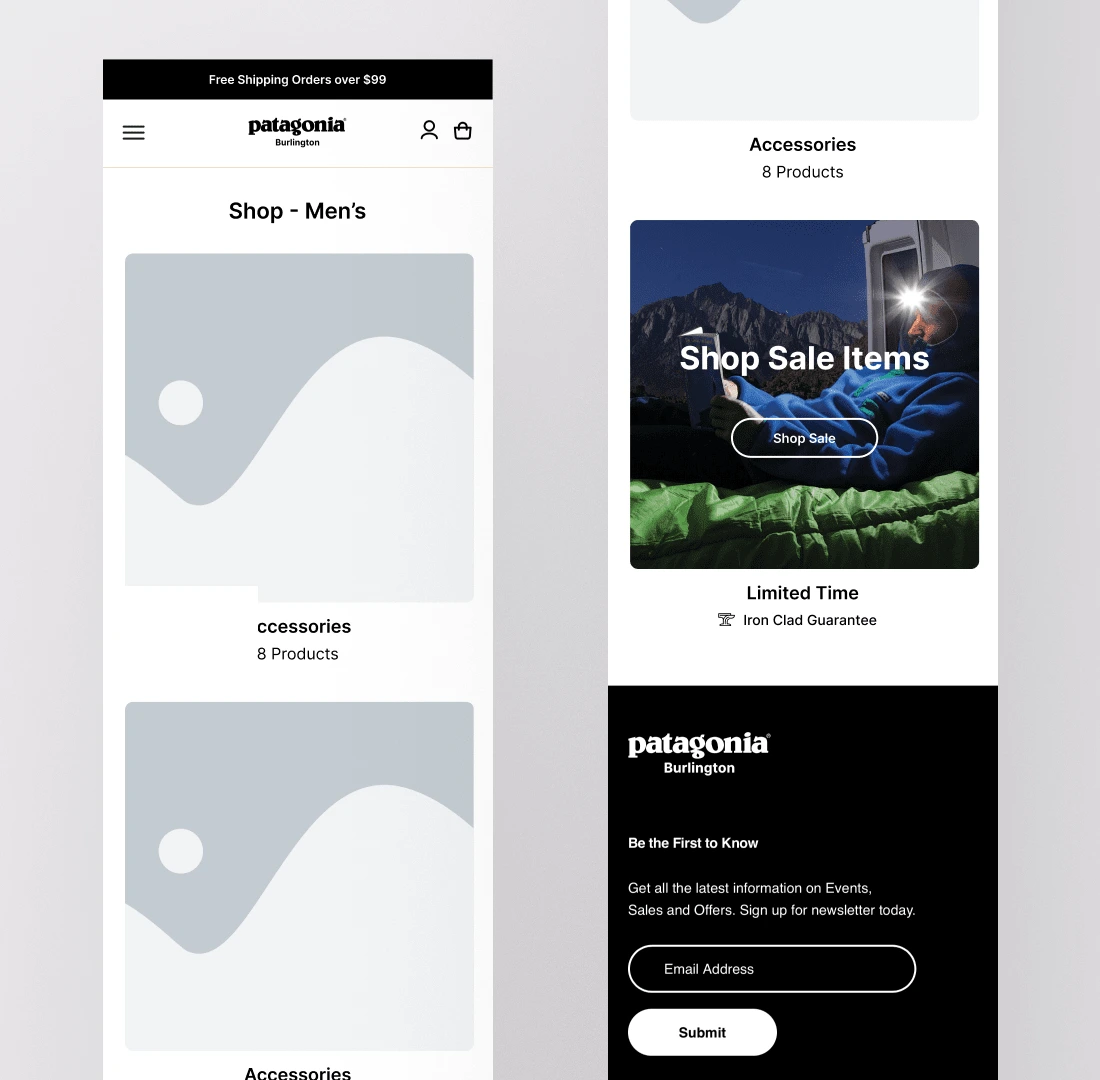
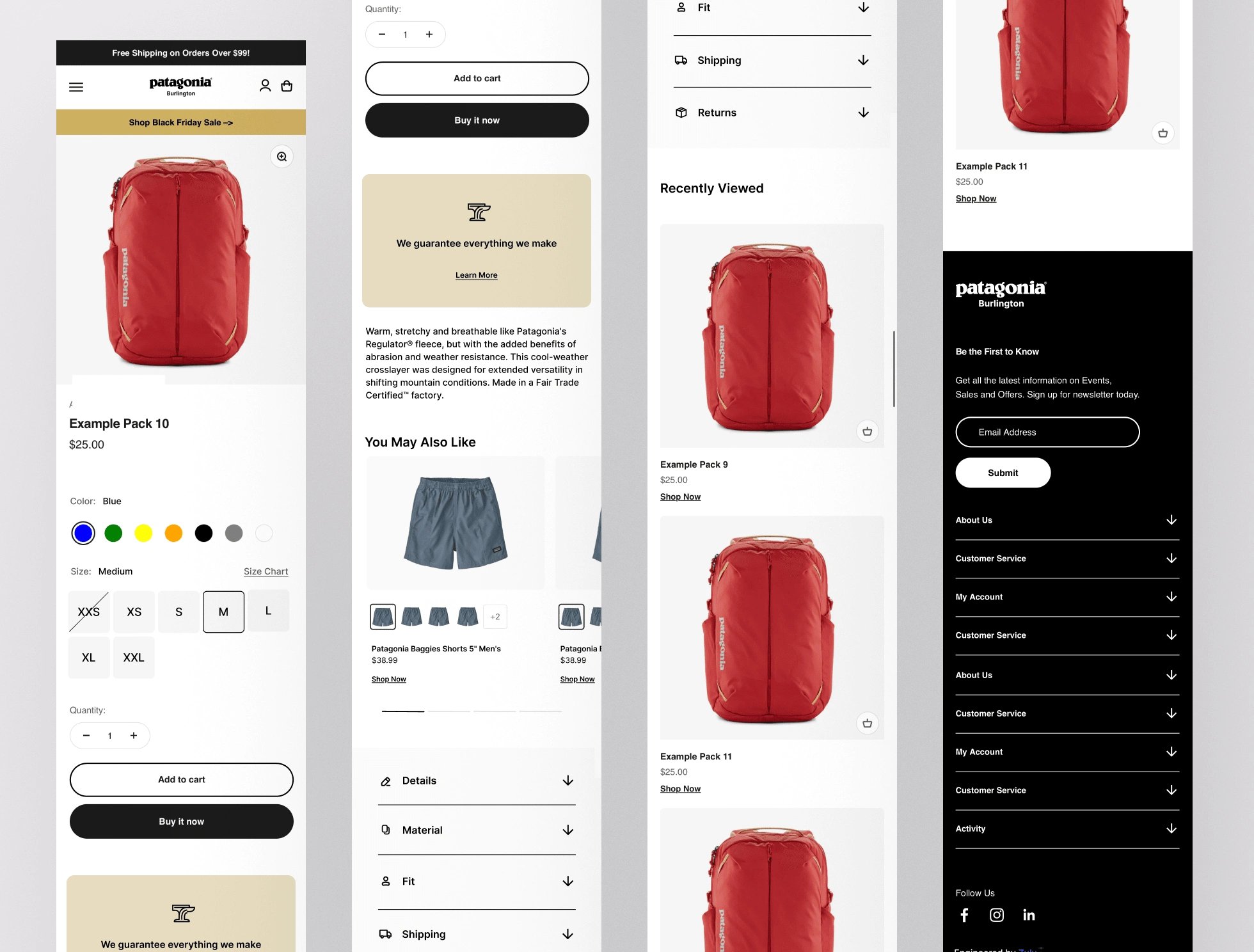
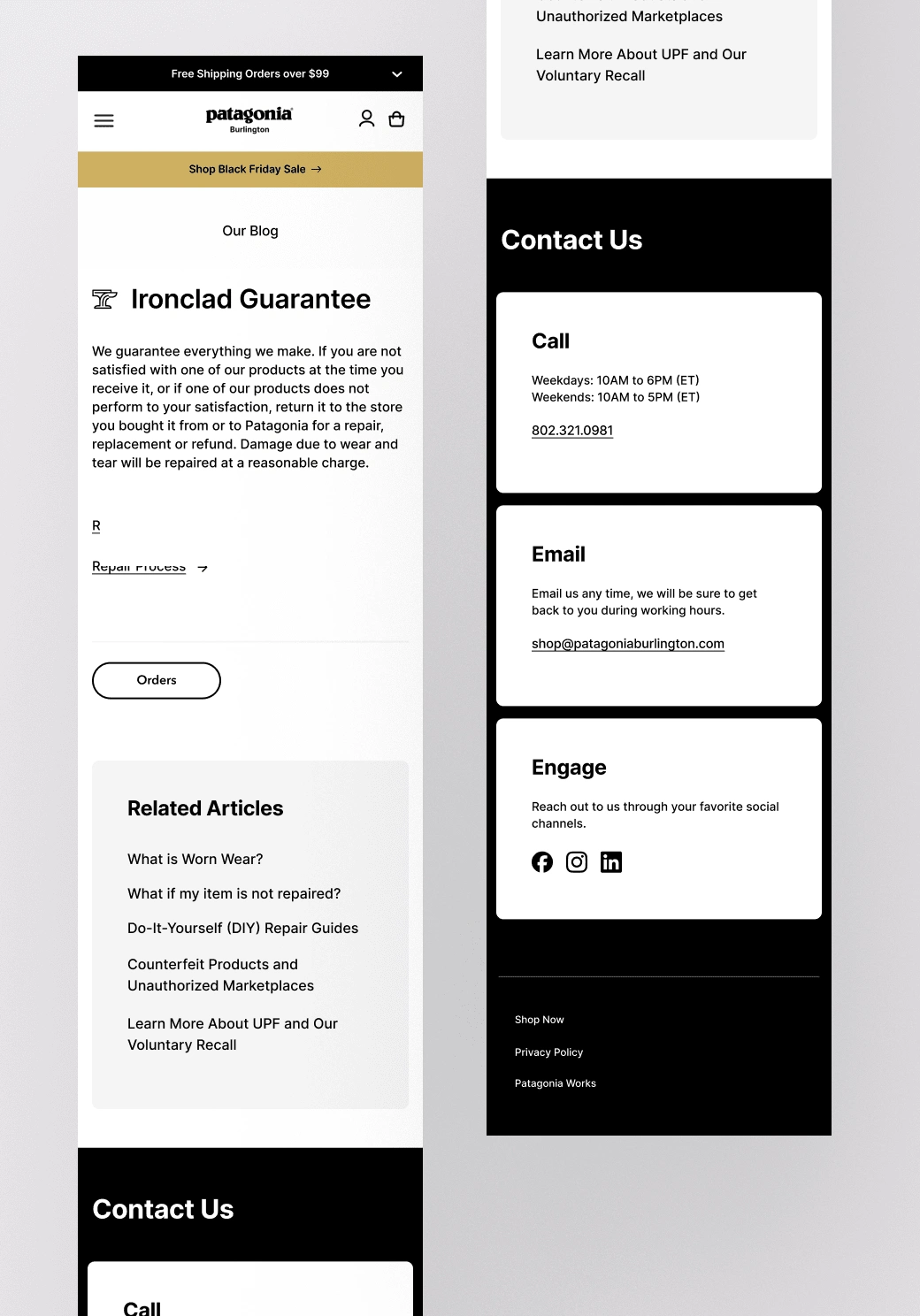
What Was Delivered
Included:
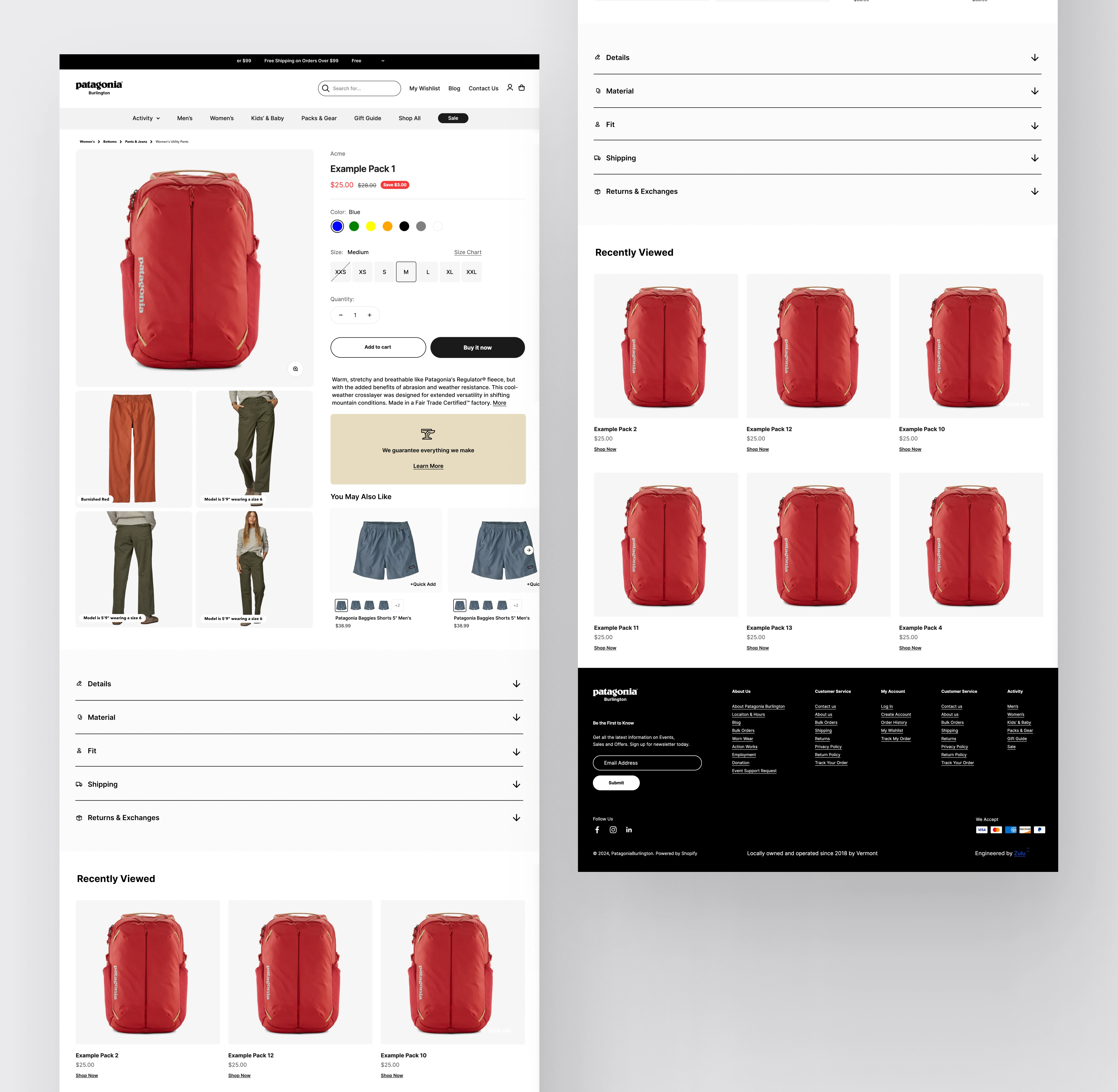
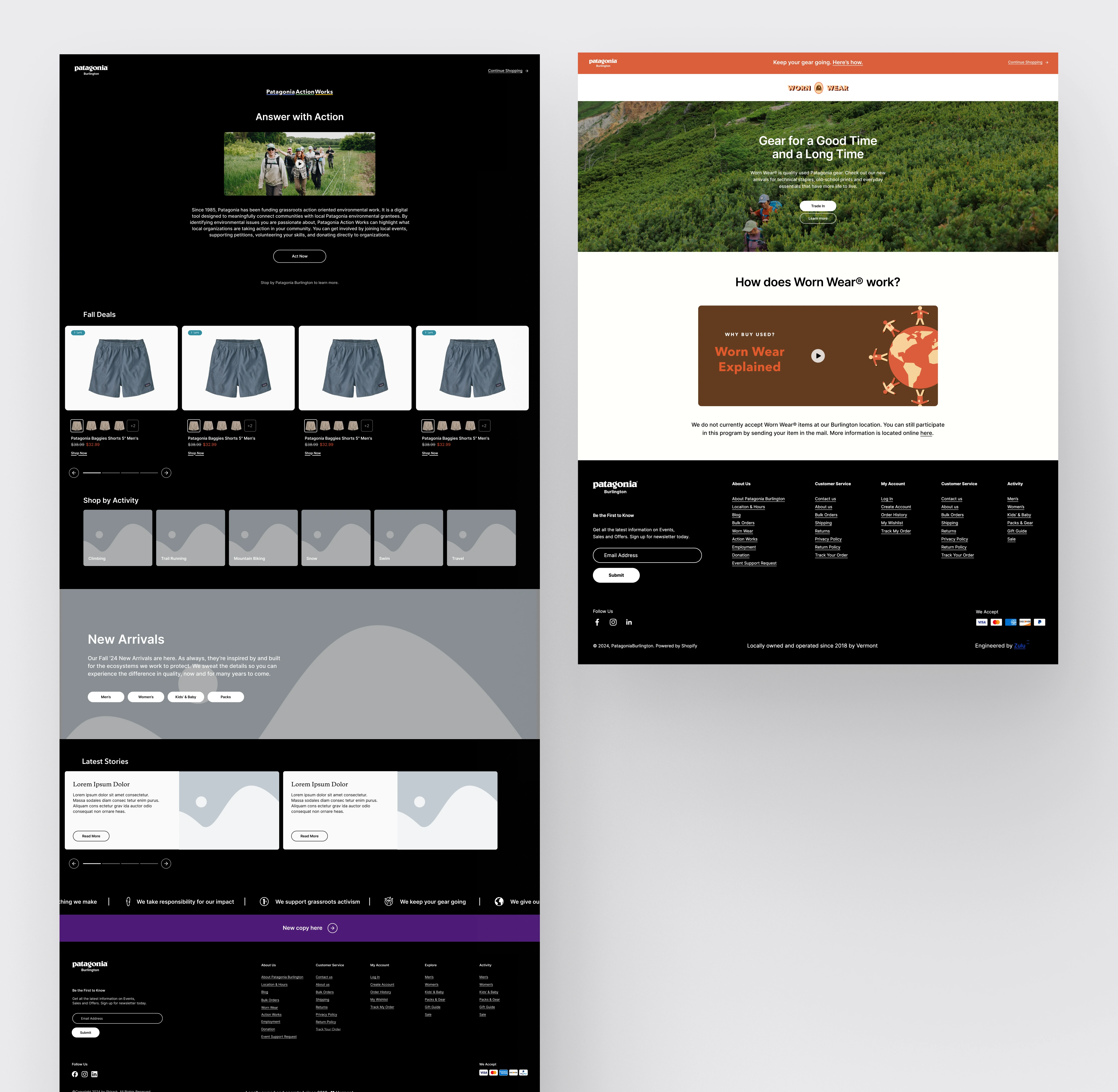
Fully custom Shopify storefront development
Responsive frontend implementation from approved Figma designs
Reusable Liquid sections and templates
Shopify theme customization
Mobile-responsive layouts across breakpoints
Integrated payments, shipping, tax, inventory, and account systems
QA-tested and launch-ready storefront
Maintainable architecture for long-term internal management
No partial implementation.
No fragile handoff.
The goal was production readiness from launch.
Why This Mattered
The project helped create a storefront that was:
Visually aligned with Patagonia’s standards
Technically dependable
Easier to maintain internally
Flexible for future growth and merchandising
Optimized for real customer behavior across devices
Most importantly, the store was built to operate reliably without requiring constant developer intervention after launch.
That stability matters more than flashy customization.
Strategic Takeaways
1. Strong ecommerce experiences depend on operational reliability
Not just visuals.
Customers notice when systems feel unstable.
2. Good Shopify development is often invisible
The best commerce systems feel predictable, fast, and easy to manage.
That’s the point.
3. Overcustomization creates long-term maintenance risk
Scalable Shopify builds require discipline, not just customization depth.
4. Maintainability is a feature
A store that internal teams can confidently manage becomes significantly more sustainable over time.
If your ecommerce brand needs more than just a visually polished storefront
And requires a stable, scalable, and production-ready commerce experience —
that’s often where I help.
Discuss a similar challenge
Like this project
Posted Aug 5, 2026
Built a production-ready Shopify storefront for Patagonia Burlington focused on scalability, performance, maintainability, and brand consistency.
Likes
5
Views
581
Timeline
Sep 26, 2024 - Nov 12, 2024
Clients
Zulu