Food waste reduction through the food delivery App (SnappFood)

Niloo Fathipour


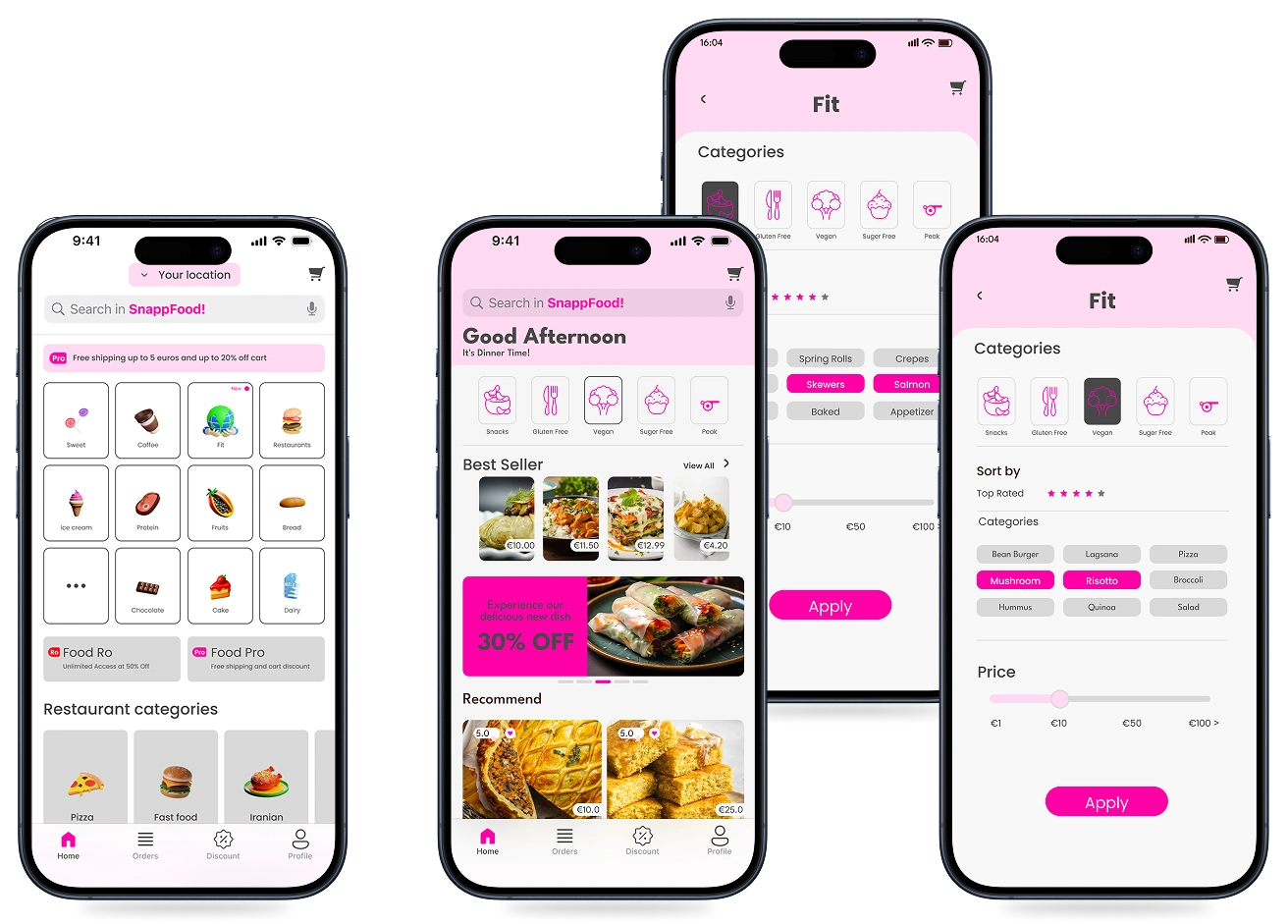
A smart digital feature connecting sustainability and social care
Overview
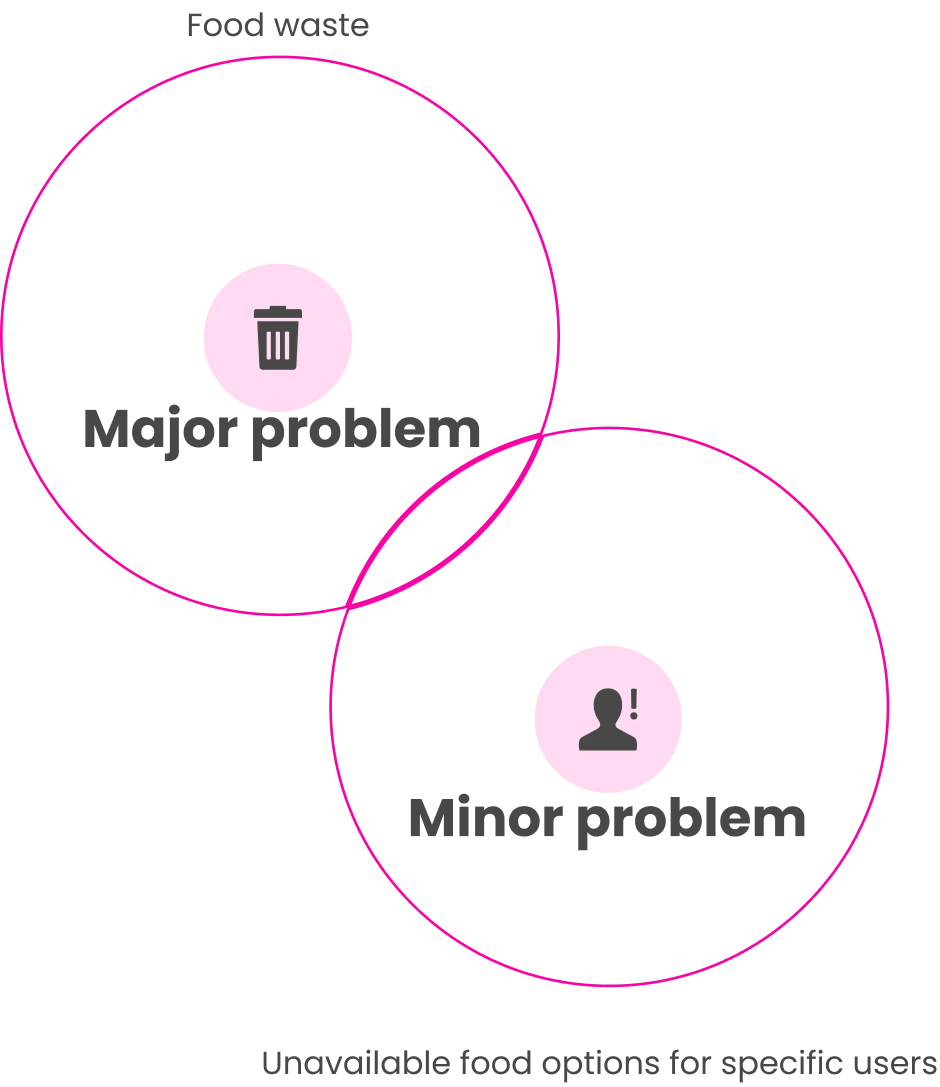
Every day, large amounts of food remain unsold or uneaten, while at the same time, many people with dietary restrictions struggle to find suitable meals. These two realities exist side by side, but there is a clear gap between them.
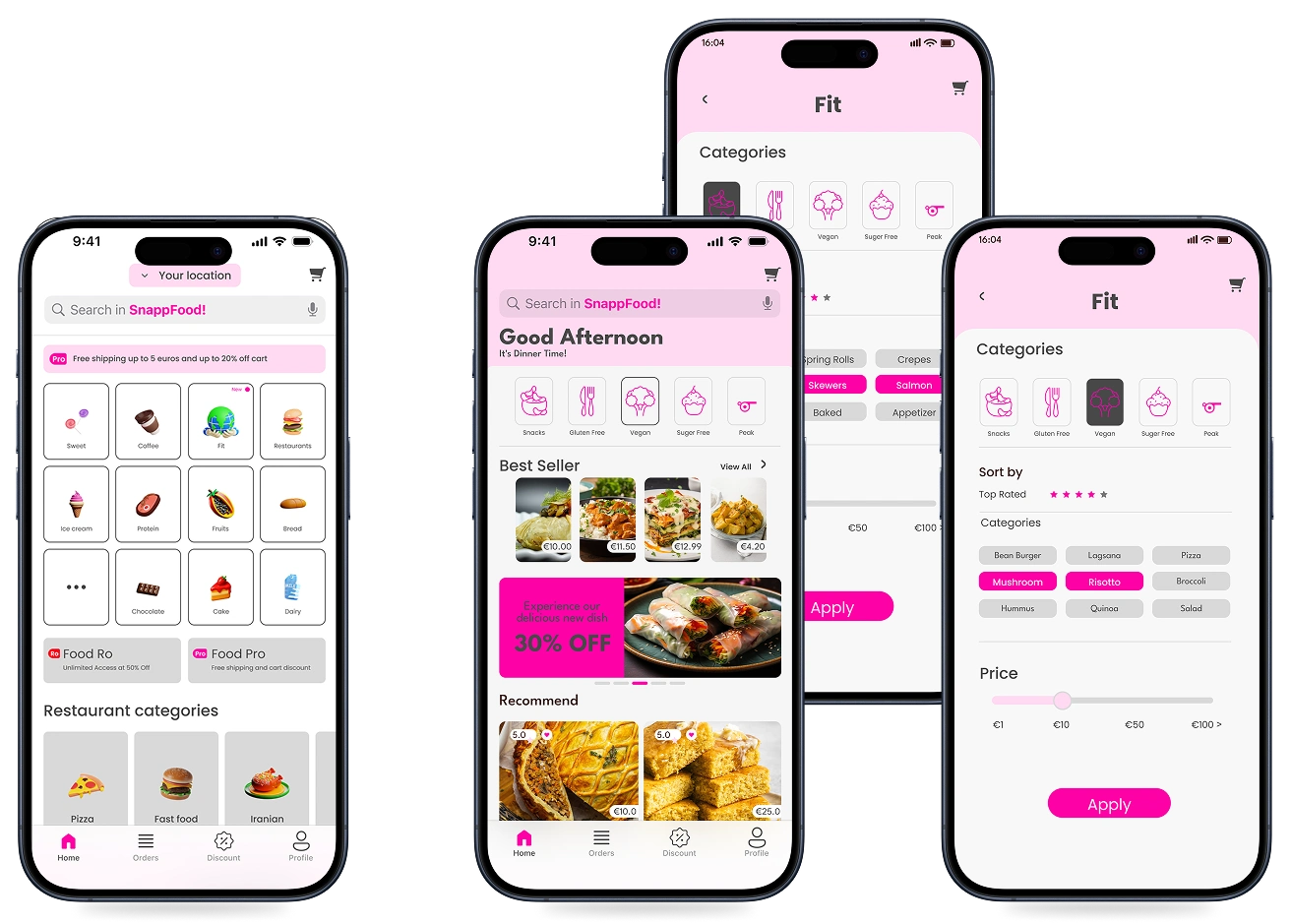
Through my research, I identified that food-delivery apps often fail to support users with specific dietary needs such as gluten-free diets, medical conditions, or health-focused preferences. Options exist, but they are buried in menus, poorly labeled, or difficult to compare—leading to frustration for users and increased food waste for businesses. To bridge this gap, I introduced a new category within the SnappFood app called “Fit.”
My mission
This project aims to close the gap between surplus food and unmet dietary needs through a focused UX solution.
✅ Improve food discoverability for users with specific dietary requirements.
✅ Reduce decision friction and cognitive load during meal selection.
✅ Enable clear categorization and filtering of diet-specific and surplus meals.
✅ Align user needs, business value, and sustainability goals through a scalable UX feature.
So, I started with research and discovery to track progress...
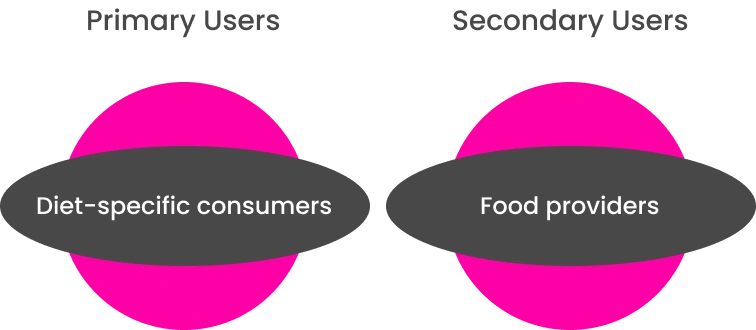
User segmentation
Primary Users
Problem statement
Can the SnappFood delivery App be improved to reduce food waste?
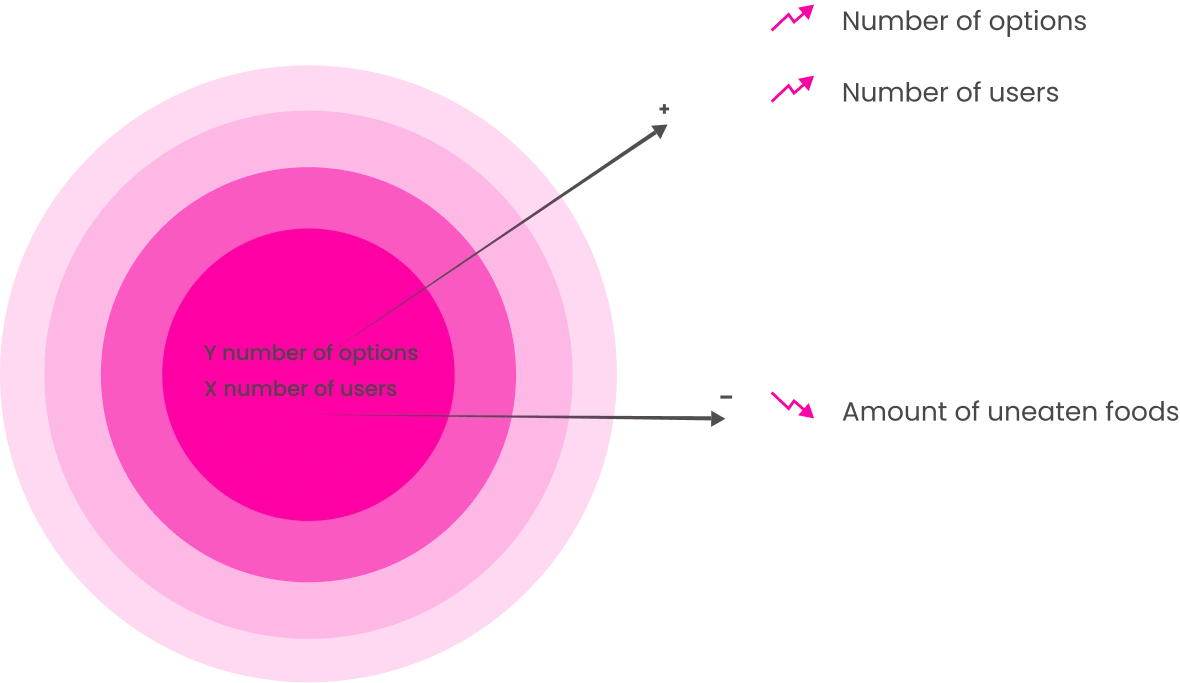
What were the expected outcomes?
Case studies
To understand how different systems approach food waste, I analyzed five case studies across three countries: Iran, Italy, and Canada. Each represented a different attitude toward the same problem: surplus food and unmet needs.
The pattern across these countries showed me that meaningful impact occurs when digital and physical touchpoints can both raise awareness of the food waste issue and reinforce one another. This insight reframed my approach.
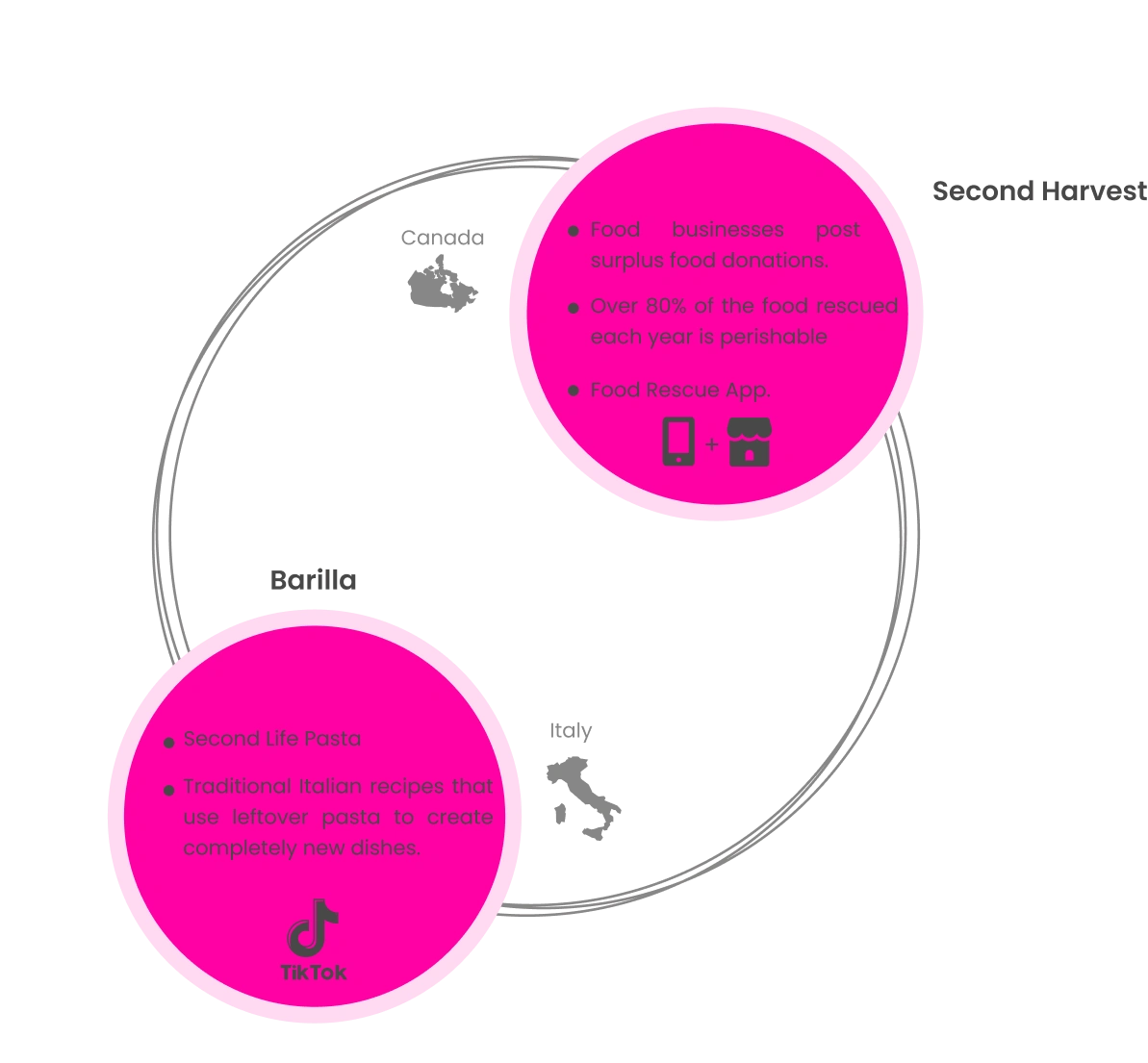
Case studies
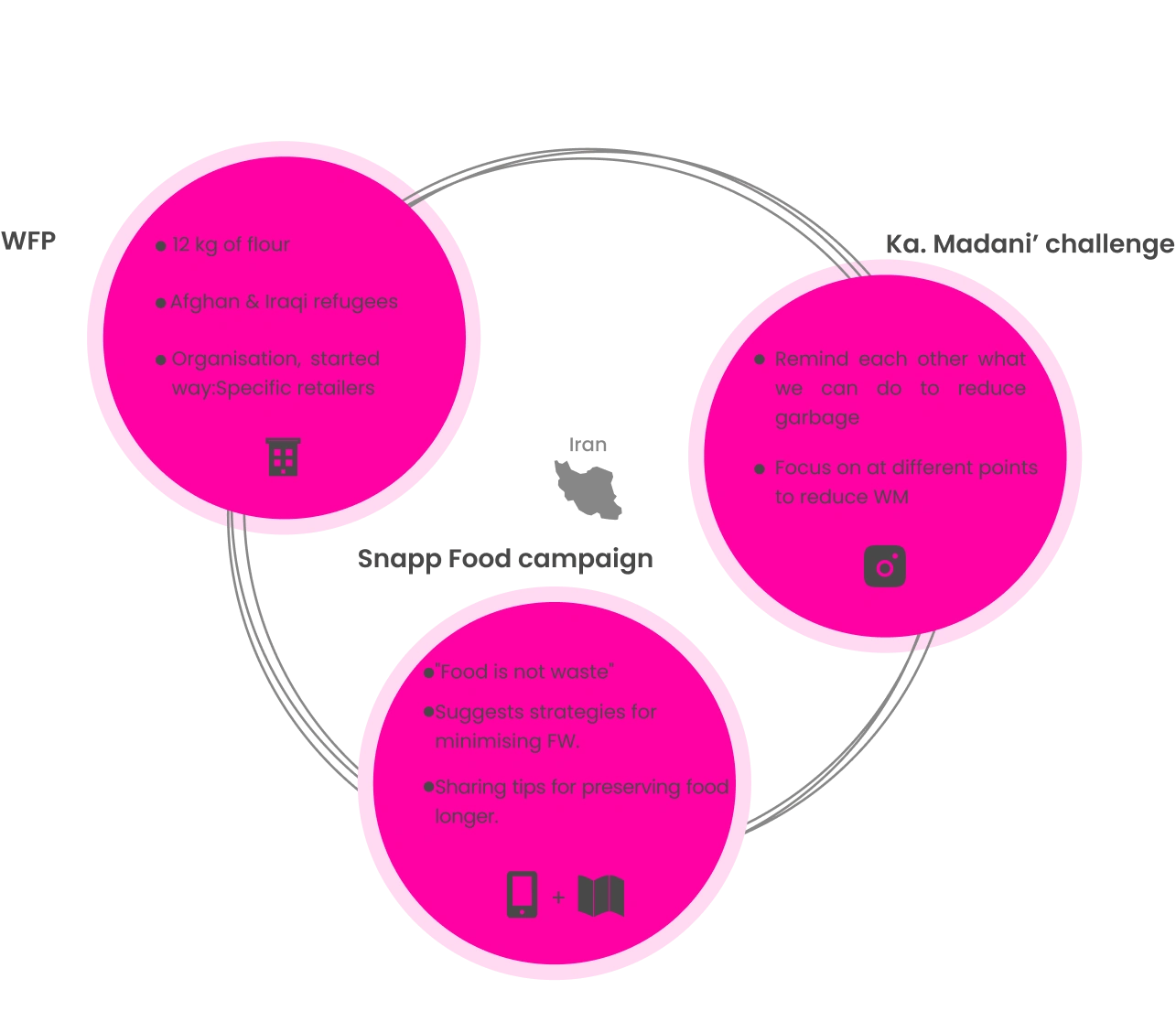
Case studies
Competitor analysis
To see what competitors are doing in the food delivery service, I had a competitor analysis for the Delino, Just Eat, and Phoenix companies. It allows me to take an in-depth look at how others solve the same design problems.
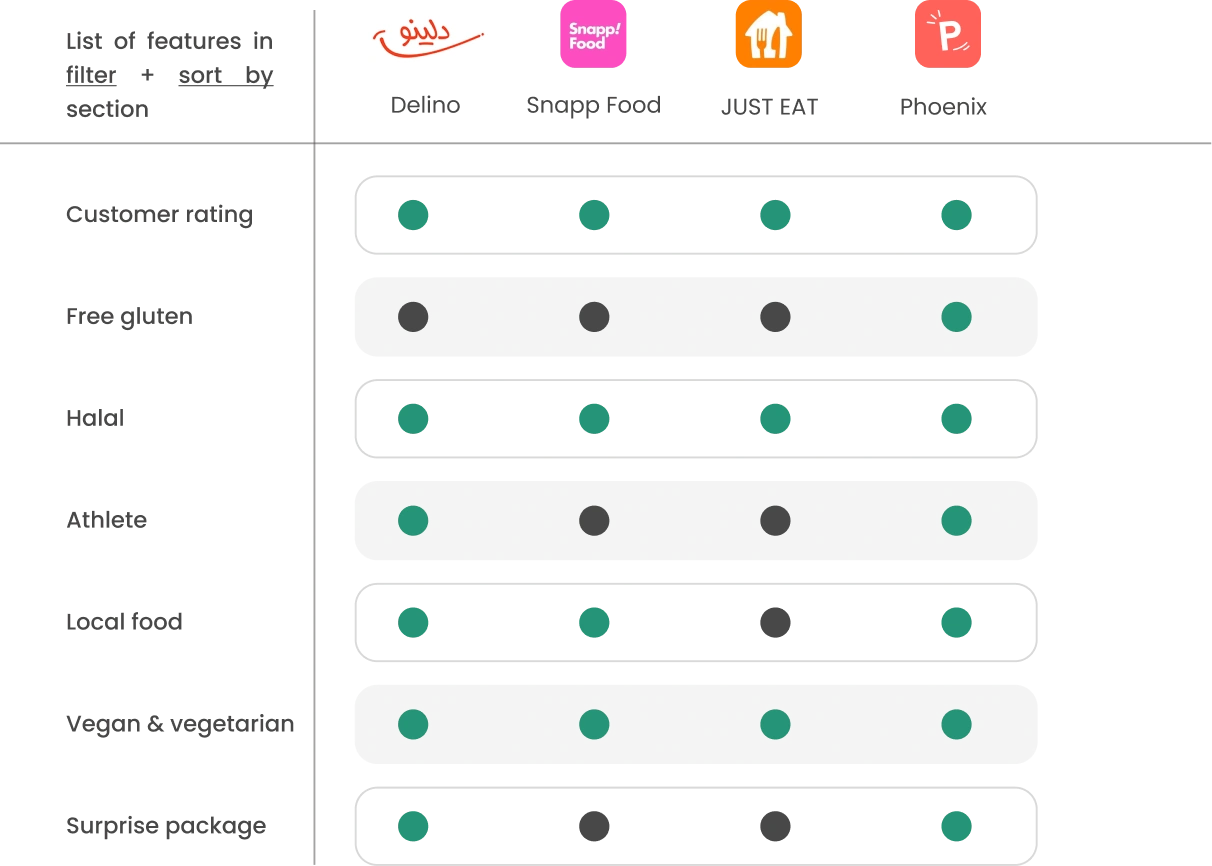
User Interview
I spoke with six users from different backgrounds. I synthesized the interviews, identified repeating signals, and clustered them into three key themes. This gave me a clear lens on user needs and informed the product strategy.

Action priority matrix
The key insights could guide us toward solutions: Quick wins included low-effort, high-impact items that were worth pursuing.
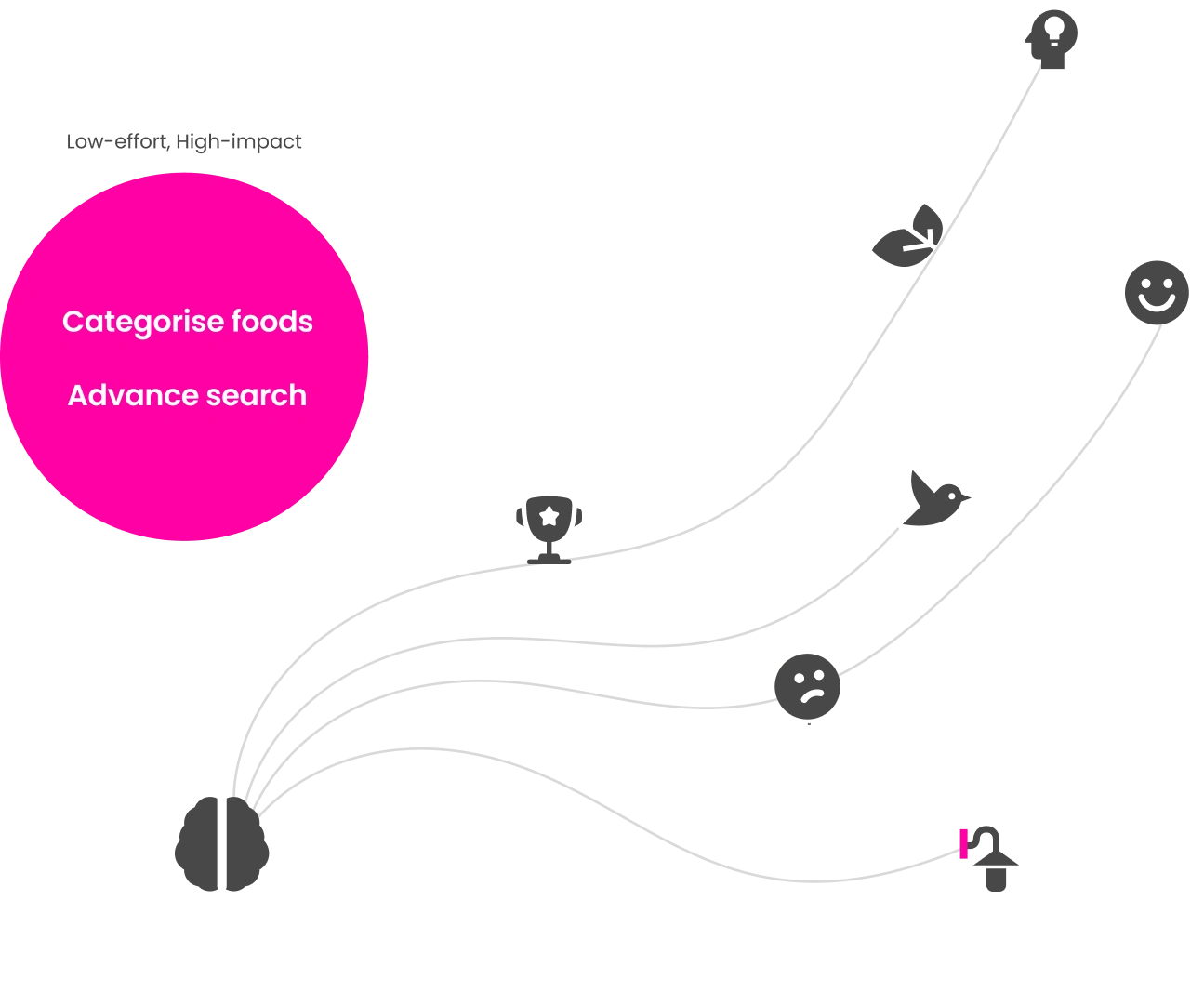
The key insights could guide us toward solutions: Quick wins included low-effort, high-impact items that were worth pursuing.
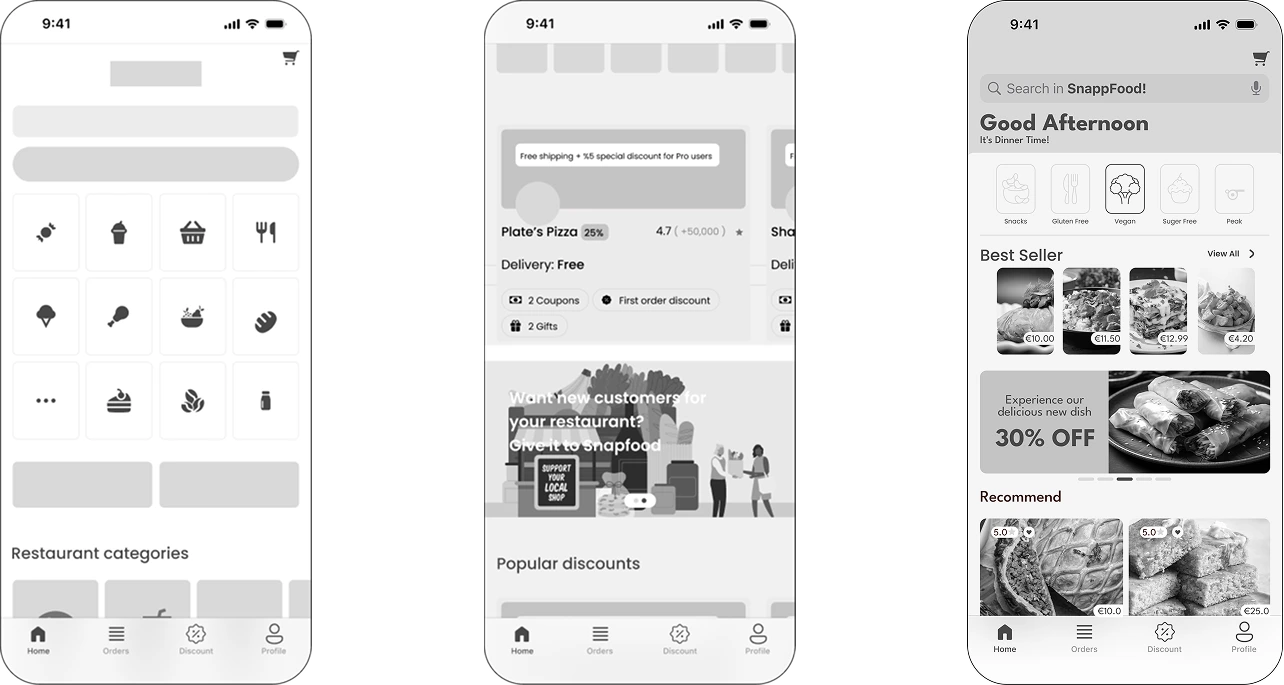
Wireframing
In every decision I made, I asked: Could I incorporate key insights into solutions? Would this make Sara’s request faster? Would this give the consumers clarity?
Like this project
Posted Jan 20, 2026
It proposes a smart feature within a mobile app that connects restaurants with consumers those special dietary needs or are in underserved communities.