Diaspora Cultural Connection Web Experience for Estelar

Valentina Guerrero
Verified


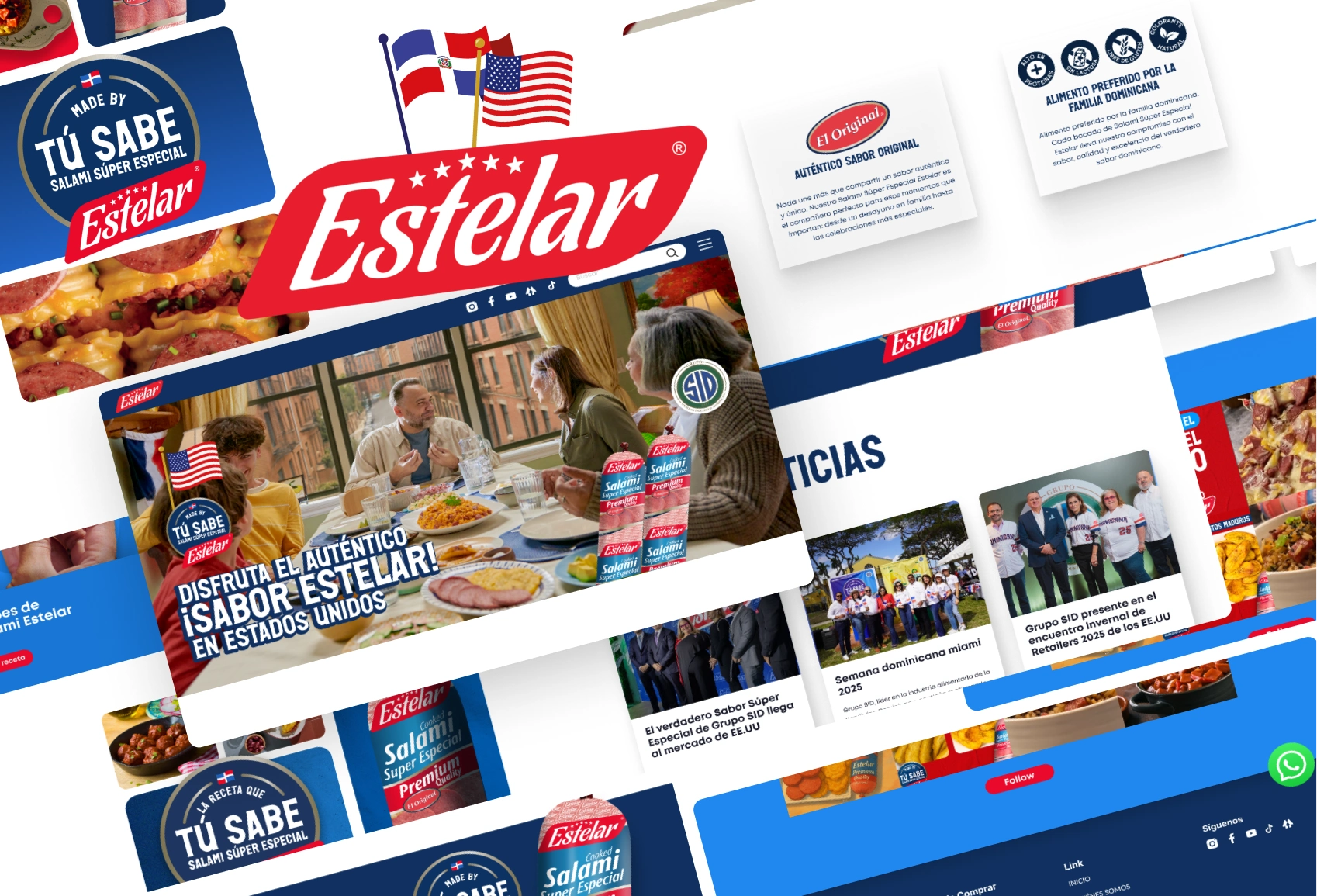
Super Especial Estelar – Brand Website UX/UI & WordPress Development
Strategic Overview
The Super Especial Estelar website was designed as a conversion-driven brand experience for the U.S. Dominican diaspora, repositioning a culturally iconic food product in a new market where the original name could not be used due to trademark constraints.
Rather than simply presenting a product catalog, the platform was structured to preserve cultural recognition while adapting the brand identity for a new geographic context. The core challenge was not product awareness, but emotional reconnection: reactivating cultural memory tied to food as identity.
The website operates as a hybrid between brand storytelling, distribution system, and conversion engine for both consumers and commercial partners.
Goals
Create a modern, user-friendly website aligned with the brand’s identity
Improve content clarity and visual hierarchy for product-focused communication
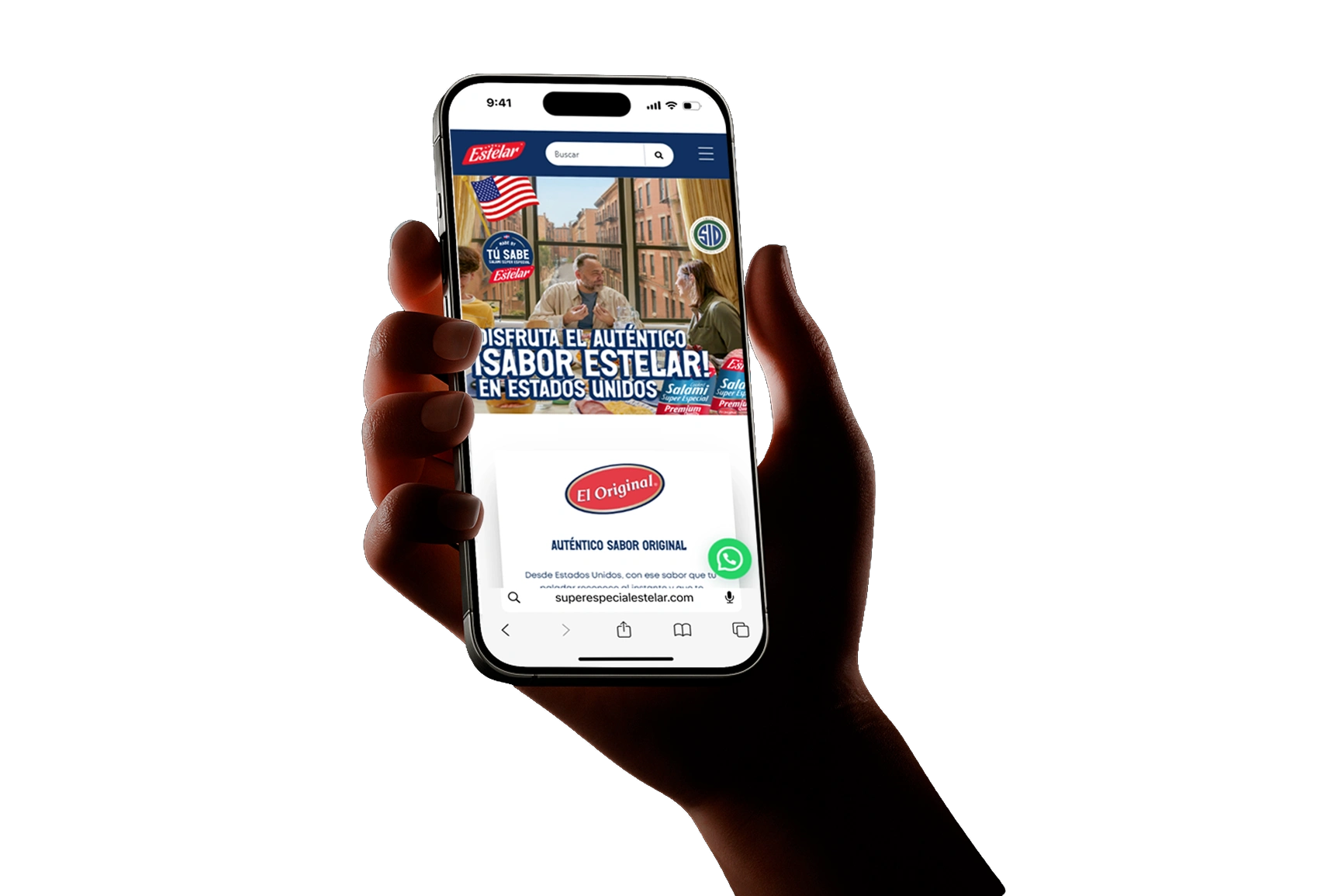
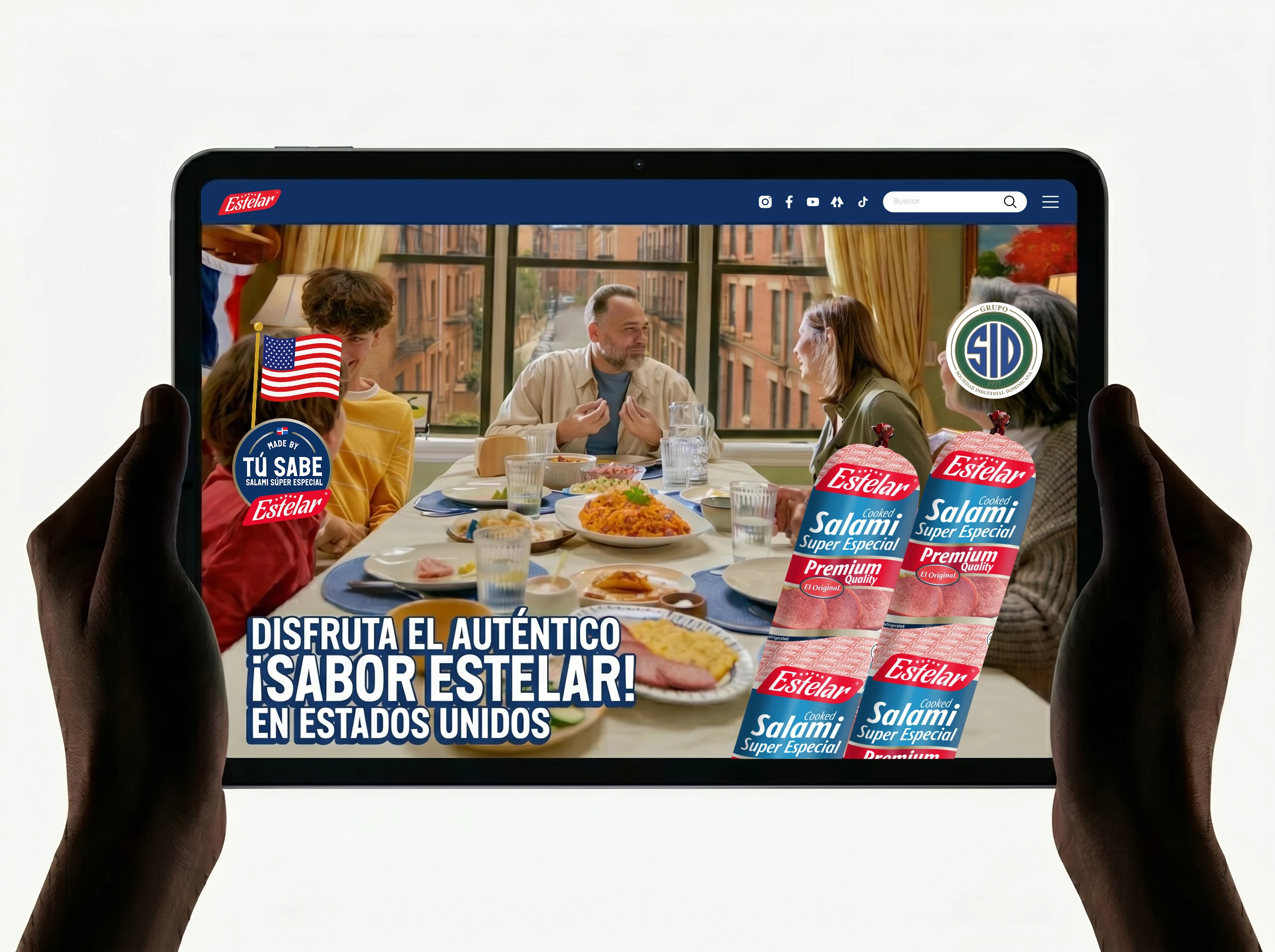
Deliver a responsive experience optimized for mobile and desktop users
Build a scalable WordPress site easy to maintain by the internal team
Audience Considerations
Primary Audience: Dominican Diaspora in the U.S.
This audience does not require product education. They already understand the product category and its cultural relevance.
Their decision-making is driven by:
nostalgia and emotional memory
trust in authenticity
accessibility in a foreign market
ease of purchase or access
The website was designed to trigger recognition rather than explanation.
Secondary Audience: Commercial Partners & Distributors
This group evaluates the brand from a business perspective:
distribution opportunities
retail potential
market demand validation
brand scalability
For them, the website functions as a credibility and expansion platform rather than an emotional one.
Key Conversion Decisions
1. Emotional positioning over product-first architecture
Problem
A traditional food website would prioritize product specs, flavors, or purchase options. That approach fails for diaspora audiences who are not evaluating “what it is,” but “what it reminds them of.”
Strategic Decision
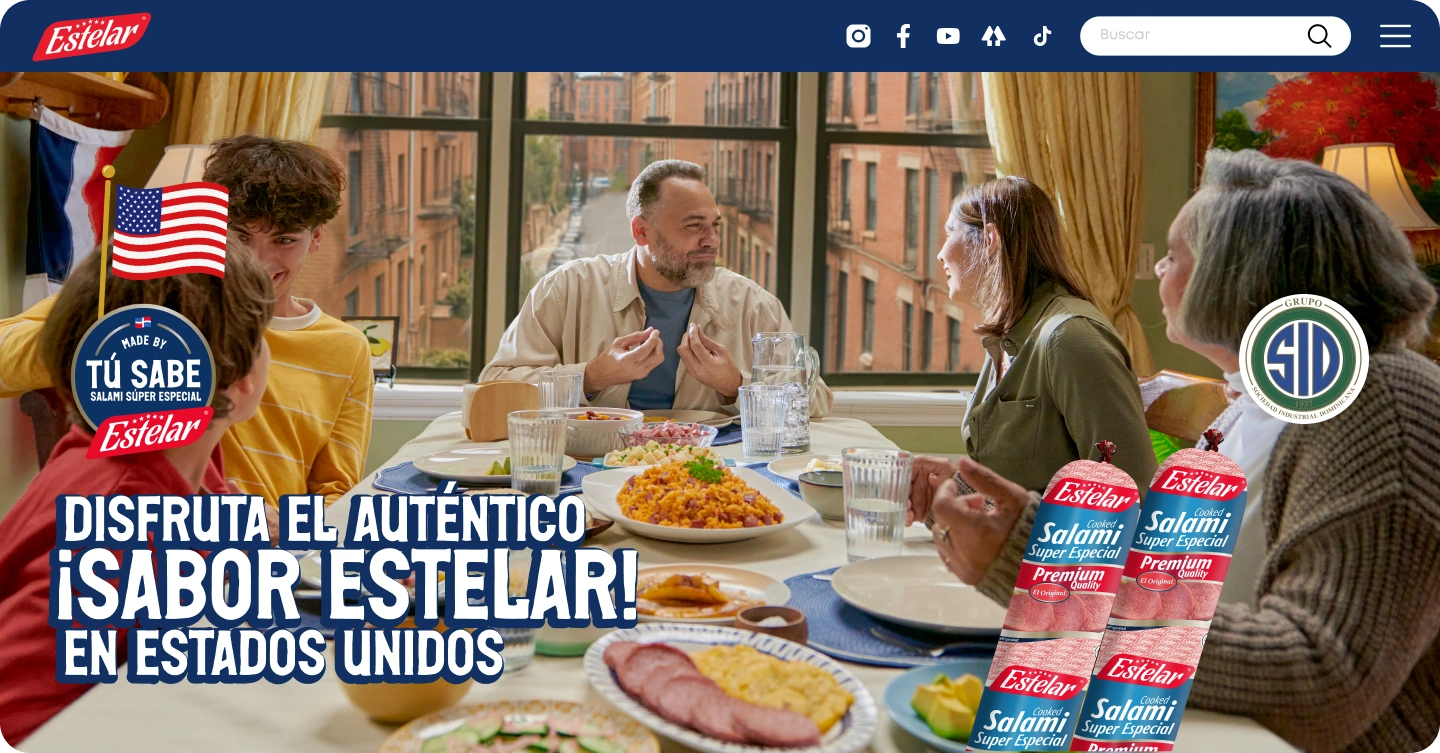
The information hierarchy was inverted: cultural identity and emotional context were prioritized over product details.
Expected Impact
Users reconnect emotionally before evaluating purchase or distribution intent, increasing engagement and lowering cognitive resistance.
Business Impact
Strengthens brand attachment in a competitive imported food market where differentiation is minimal at product level.
Why this is more effective
For diaspora audiences, rational selling is weaker than identity-based recall. This approach aligns with behavioral psychology of nostalgic consumption.
2. Multi-path conversion system (consumer + distributor)
Problem
A single conversion goal would exclude part of the audience (either consumers or distributors).
Strategic Decision
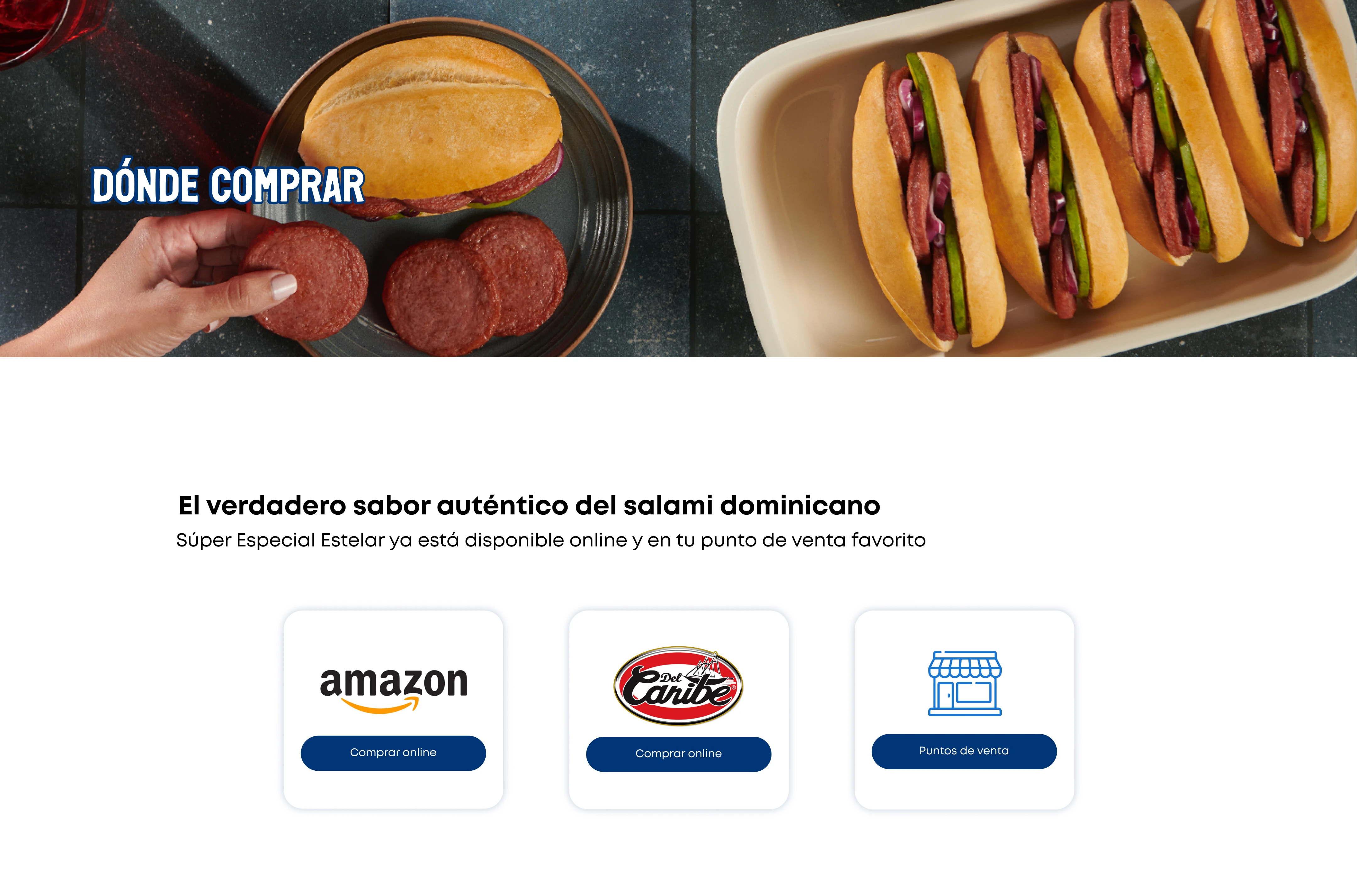
The site was structured with parallel conversion paths:
“Where to buy” (consumer path)
Contact form (distribution/business path)
External retail links (Amazon, Caribe ecosystem)
Expected Impact
Users self-select into the correct journey without friction.
Business Impact
Maximizes monetization across both B2C and B2B segments without forcing segmentation upfront.
Why this is more effective
Most food brands fail by optimizing only for retail or only for wholesale. This system captures both without sacrificing clarity.
3. Brand unification under legal constraint
Problem
The original brand name was unavailable in the U.S. market.
Strategic Decision
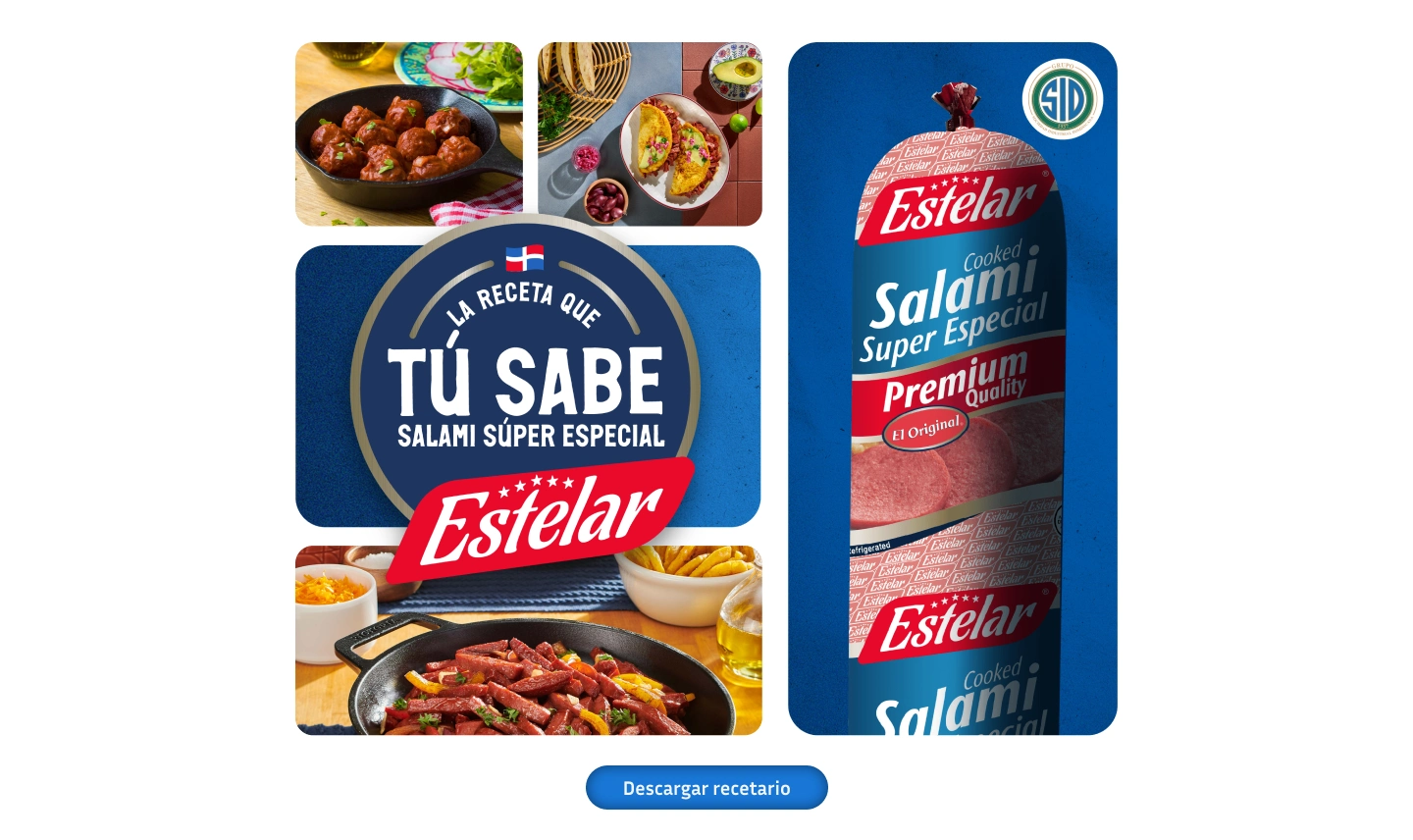
Maintain visual identity (logo, colors, recognition cues) while adapting naming strategy to comply with market constraints.
Expected Impact
Preserves brand equity transfer from Dominican Republic to U.S. diaspora market.
Business Impact
Reduces friction in brand recognition while enabling legal market entry.
Why this is more effective
Instead of rebuilding brand awareness from zero, the system leverages existing memory structures of the audience.
4. Cultural storytelling as conversion infrastructure
Problem
Competing imported food brands rely heavily on functional differentiation, which is weak in commoditized food categories.
Strategic Decision
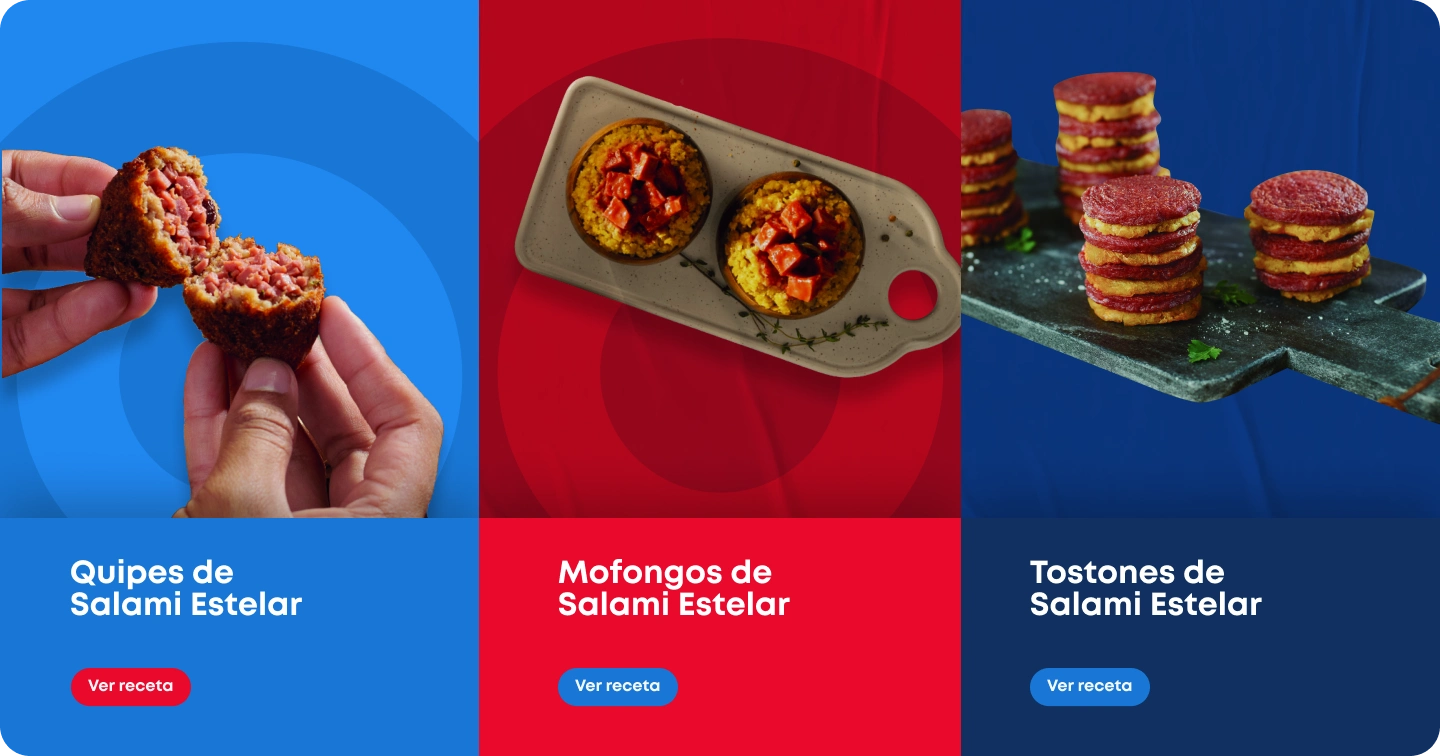
The website was designed around cultural memory: food as identity, tradition, and emotional continuity.
Expected Impact
Users engage with the brand at an identity level, not a transactional level.
Business Impact
Increases repeat purchase behavior and strengthens brand loyalty in diaspora communities.
Why this is more effective
Emotional resonance is significantly more powerful than product comparison in culturally anchored food products.
5. Corporate credibility layer via group ecosystem
Problem
Diaspora audiences and distributors require trust signals for imported food brands.
Strategic Decision
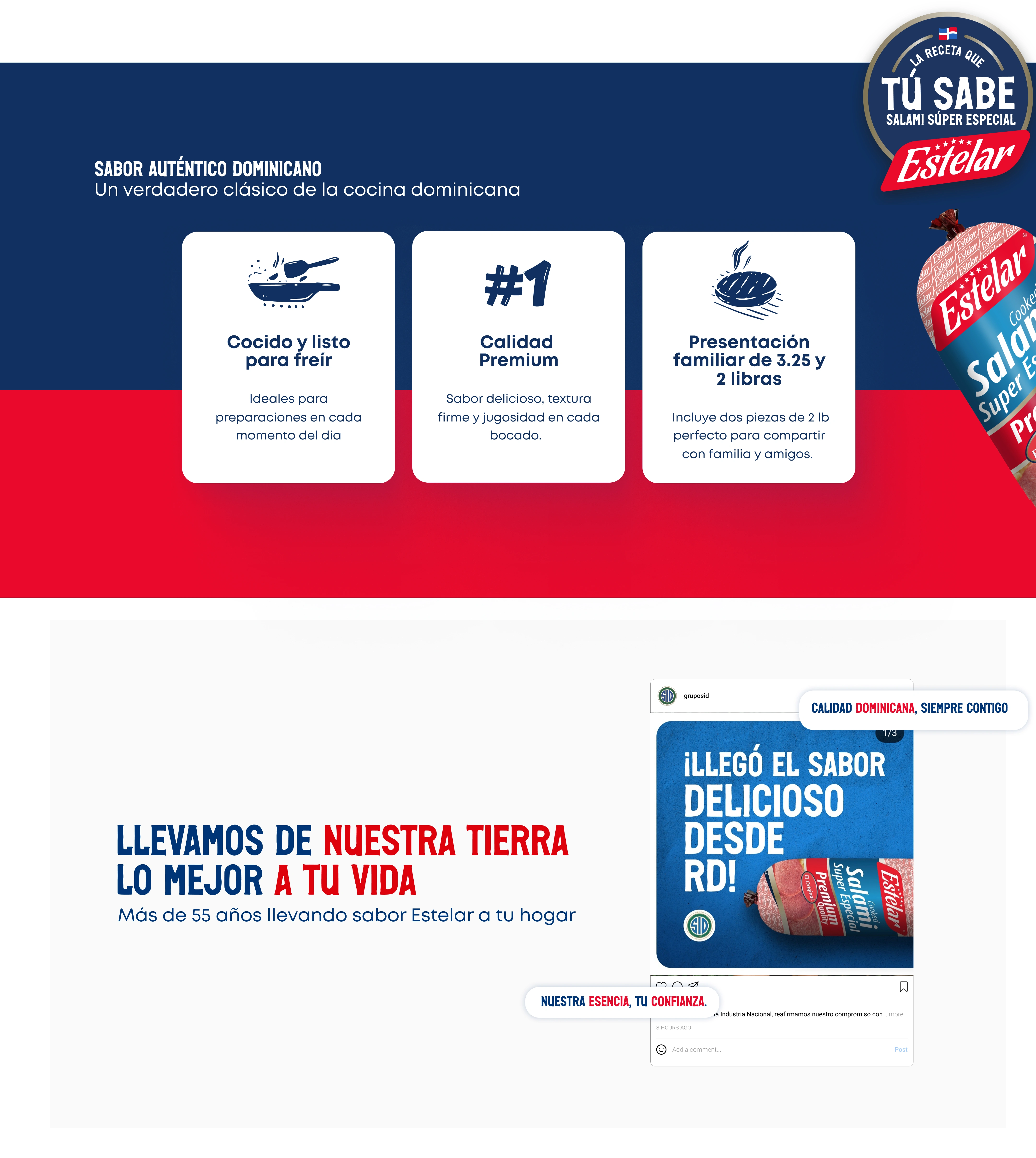
Integration of Grupo SID ecosystem content as a credibility layer to reinforce scale, legitimacy, and operational strength.
Expected Impact
Reduces perceived risk for distributors and institutional buyers.
Business Impact
Improves commercial conversion rate by increasing trust in supply chain stability.
My Role
UX/UI Designer
WordPress Developer
I was responsible for the full UX/UI design process, including wireframes, visual interface design, and responsive layouts. I also handled the complete website implementation in WordPress, ensuring design fidelity, performance, and scalability.
UX & Behavior-Driven Insights
Recognition before comprehension
The interface is designed so that users first experience familiarity (“I know this product / this taste”) before they receive structured information.
This reduces cognitive load and accelerates decision-making.
Dual-intent navigation system
Instead of forcing users into a single funnel, the structure allows:
emotional browsing (diaspora users)
transactional intent (buyers)
business intent (distributors)
This reflects real-world behavior more accurately than linear funnels.
Distribution of trust signals
Trust is not placed in a single section (like testimonials or certifications), but distributed across:
brand ecosystem (Grupo SID)
availability channels (Amazon, Caribe, stores)
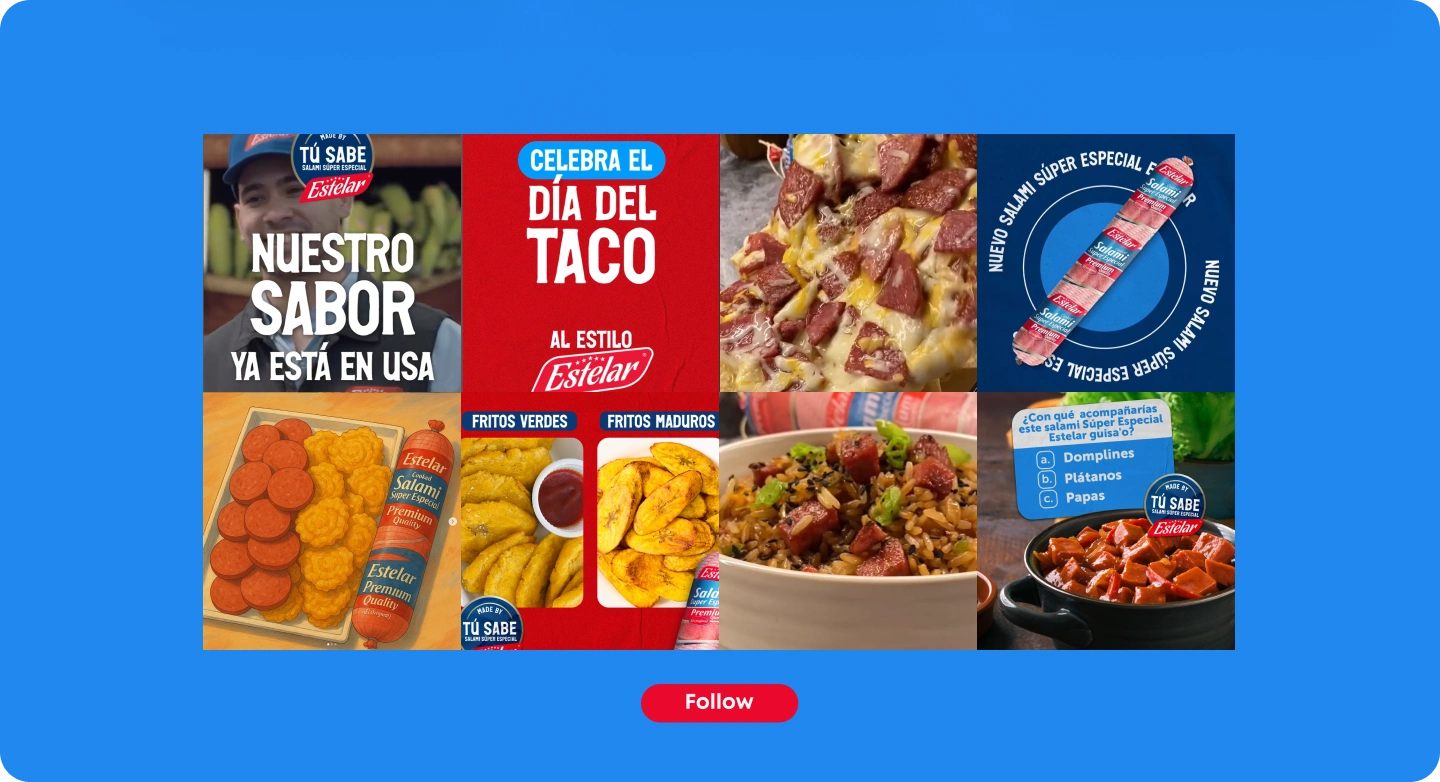
cultural validation (storytelling)
This prevents over-reliance on a single credibility point.
Messaging & Communication Strategy
The messaging is built around a central insight:
This is not a new product. It is a familiar taste in a new geography.
The communication shifts from:
“What the product is”
to
“What the product means to you”
This is critical for diaspora audiences where identity reinforcement is the primary driver.
Trust-Building Decisions
1. Institutional backing (Grupo SID ecosystem)
Positions the brand as part of a larger, stable corporate structure.
2. Multi-channel availability
By showing Amazon, Caribe distribution, and physical points of sale, the website removes uncertainty about access.
3. Consistency of visual identity
Maintaining logo and color system reinforces continuity between markets despite name change.
Business Impact Rationale
This website was not designed as a traditional product showcase.
It was designed as a market adaptation system for a culturally significant product entering a new geography under legal naming constraints.
By combining emotional storytelling, distribution clarity, and dual conversion paths (consumer + distributor), the platform supports both brand penetration and commercial scalability.
Development Process
The website was developed using WordPress, allowing for flexible content management and long-term scalability. The layout was implemented with a component-based structure to ensure consistency across pages and easy future updates.
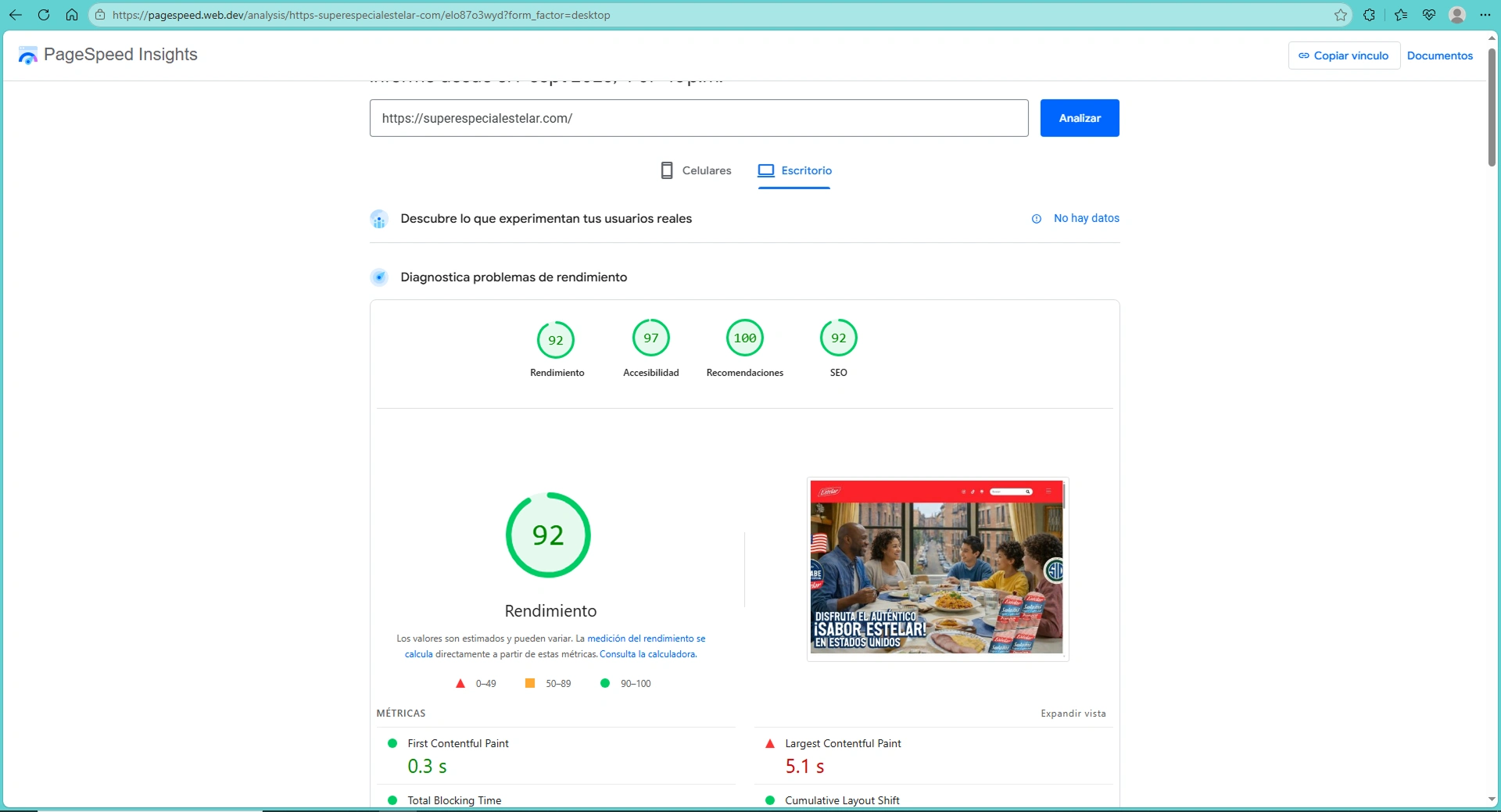
Performance and responsiveness were prioritized, resulting in a fast-loading site optimized for all screen sizes.
Tools & Skills
WordPress
UX/UI Design
Responsive Web Design
Wireframing & User Flows
Brand-focused Interface Design
HTML/CSS (implementation support)
👉FINAL RESULT HERE
Have a project in mind?
Let’s build something that works — and looks great.
👉 Get a Quote
Like this project
Posted Jan 30, 2026
Conversion-focused website designed to preserve brand recognition, strengthen emotional connection, and support U.S. distributor growth.
Likes
1
Views
25
Timeline
Mar 26, 2025 - Jan 8, 2026